
• Beluga Air

Blog / Insulation

How Does Attic Insulation Affect Your Home’s Energy Efficiency?

Attic insulation is a huge factor in improving a home's energy efficiency. It keeps heat from escaping in winter and blocks excess heat from entering in summer, so without proper insulation, you can expect to lose lots of conditioned air through the attic. Adding insulation creates a barrier that allows you to maintain more stable indoor temperatures and throw less workload onto your Castle Hills heating and cooling system.

How Does Attic Insulation Affect Your Castle Hills Home's Energy Efficiency?

Heat naturally moves from warmer areas to cooler ones through the physical processes of conduction, convection, and radiation. What this means for an uninsulated attic is that indoor heat rises and escapes through the ceiling in winter, while outdoor heat from the roof transfers downward in summer. Insulation is what stops this by trapping air and slowing heat transfer. The materials you use to insulate an attic are rated by something called an R-value, which measures their resistance to heat flow. The higher the R-value, the better the material is for keeping the heat away.

Enhancing Comfort and Reducing Strain on Your HVAC

Proper insulation improves your indoor comfort by minimizing temperature fluctuations throughout the home. Rooms stay warmer in winter and cooler in summer naturally, without you having to adjust the thermostat so much, and you get more even distribution of temperature with no drafts or hot spots. Insulation also benefits the HVAC system, as it prevents extreme attic temperatures from affecting the ducts that often run through this space. With less heat gain or loss, the system runs less often, which both lowers your energy consumption and extends your equipment life.

Quantifying the Savings and Long-Term Gains

Adding or upgrading insulation can make a difference of hundreds of dollars for the average household. In homes with no existing insulation, you'll see especially big changes. It wouldn't be out of the question for your energy costs to drop by more than 50% with the right insulation. Over time, the initial investment you make in insulation is going to pay off quickly.

The Right Insulation

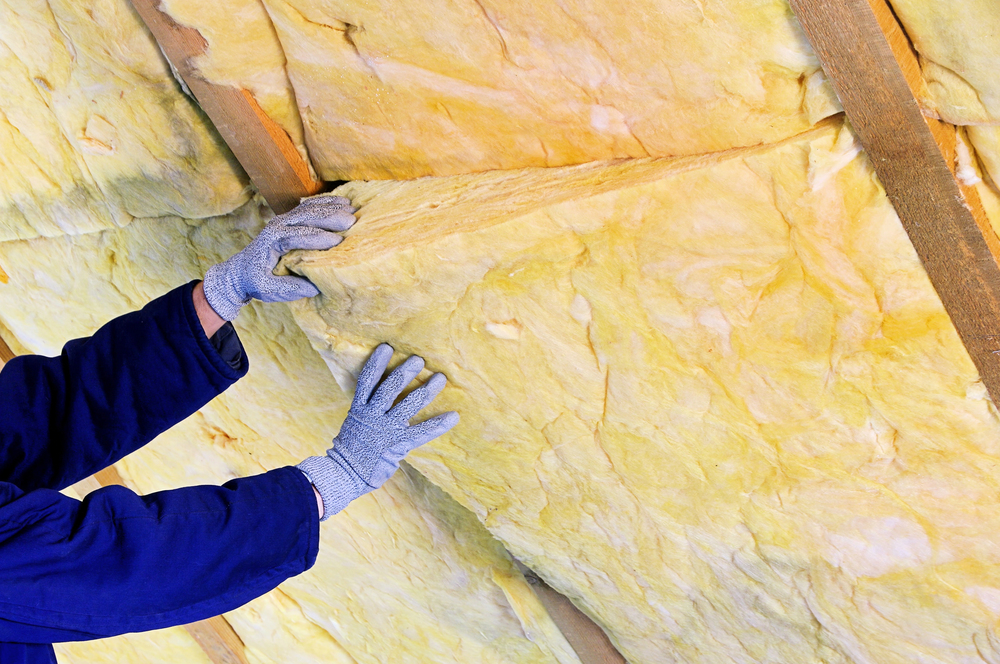
Installing insulation requires looking carefully at the home's structure and making decisions that are going to allow you to achieve maximum effectiveness. Our first step will be air sealing to close any gaps around the access hatches, vents, and light fixtures. These leaks can seriously reduce your insulation performance, and caulk or foam sealants are best for forming a tight barrier. This is also going to go a long way to control moisture and prevent issues like mold. Then, we'll measure the current insulation depth (if you have any) and add new layers as needed without compressing the existing material, so it can maintain its R-value. With tools like infrared cameras and blower door tests, we can verify all the seals and get a good look at the whole insulation picture.

The right insulation will do wonders; but only if it's installed the right way. Reach out to us now at Beluga Air in San Antonio, TX, where we're committed to quality, bound by morals, and determined to be the best. 

Posted in:

Related Posts

The Importance of Insulation

How Insulation Can SAVE Your Home in 2023 - HVAC San Antonio

Insulation: HVAC in San Antonio Overview Are you looking for a way to make your home in San Antonio more energy-efficient and save money on your utility bills? Insulation is the key! On average, heating and cooling account for 54 percent of a home’s annual utility bills. You can decrease heating and cooling costs by up to 40 percent by installing adequate attic insulation. Insulation is a material that helps to maintain a comfortable temperature in your home by trapping cool air during the summer and warm air during the winter. It also helps prevent air leaks, which can further reduce your energy bills. At Beluga Air, we understand the importance of a home having the right type of insulation installed. That’s why we provide San Antonio residents with insulation solutions that will help maximize energy efficiency and reduce utility costs. To understand how insulation works, it’s important to familiarize yourself with the various types available. Each type of insulation has its own set of benefits, and selecting the right one for your home can make all the difference. Let’s take a closer look at the different insulation solutions that Beluga Air can provide. Different Types of Insulation Insulation is a great way to improve your home’s energy efficiency and save you money in the long run. There are many different types of insulation, each with their own unique benefits and features. Let’s explore some of the most common types of insulation used in homes today. Fiberglass insulation is one of the most popular types of insulation for residential and commercial properties. This insulation is made from recycled glass and is able to resist heat transfer, providing an effective barrier against heat loss and gain. Fiberglass insulation can be installed in walls, attics, basements, and other areas to reduce energy costs and improve comfort. Cellulose insulation is another popular type of insulation. It is made from recycled paper products such as newsprint, cardboard, and other materials. Cellulose insulation is great for soundproofing, providing an extra layer of protection against outside noise. It is also a great option for those looking to reduce their home’s energy costs by providing an effective barrier against heat loss or gain. Spray foam insulation is a great choice for those looking for a more comprehensive insulation solution. This insulation is sprayed on in liquid form and then expands to fill small cracks and crevices in the walls and ceilings of your home. Spray foam insulation is great for air sealing and provides an effective barrier against heat loss and gain. Radiant barrier insulation is a type of insulation specifically designed for metal roofs. This insulation reflects heat away from the roof and is great for reducing energy costs. It also helps keep the interior of the home cool in hot summer months. No matter which type of insulation you choose, it is important to remember that all of these types of insulation provide great benefits to your home. By investing in insulation, you can improve your home’s energy efficiency and reduce your energy bills. If you are looking for a more comprehensive insulation solution, contact Beluga Air for more information about their insulation services in San Antonio. Benefits of Insulation Insulation plays a vital role in improving the energy efficiency of your home and reducing your energy bills. It helps maintain a comfortable indoor climate all year round, keeps your home warm in the winter, and cool in the summer. When insulation is installed correctly, it acts as a barrier to keep hot and cold air out of the house. This helps regulate the internal temperature of your home, so you don’t have to worry about air leaks or drafts. Therefore, you don’t have to pay as much for cooling and heating. This is especially beneficial in San Antonio where temperatures can vary significantly. Installing high-quality insulation also increases the value of your home. Potential buyers are more likely to make a competitive offer on a well-insulated home. In addition, buyers can rest assured that they won’t have to worry about energy bills due to poor insulation. The benefits of insulation extend beyond the home itself. It can also contribute to the health and safety of your family. Since insulation helps contain temperature, it also helps contain airborne particles and allergens that can trigger respiratory problems. Insulation also helps reduce noise pollution. It acts as a silent barrier against outside noise, so you can enjoy a quieter home environment. Finally, insulation is good for the environment. By keeping heat or cold air from escaping, it reduces the amount of energy that needs to be used. This, in turn, helps reduce greenhouse gas emissions. As you can see, insulation is essential for a healthy and comfortable home environment. It not only helps save you money on energy bills, but also helps increase the value of your home and protect your family from allergens and noise pollution. For these reasons, it pays to be proactive and make sure your home is properly insulated. And when it comes to insulation services in San Antonio, Beluga Air is your best bet. We are dedicated to providing the highest quality insulation materials and services. Contact us today and let us help you get the most out of your home. HVAC San Antonio: Beluga Air It’s time to take action and give your home the energy-saving upgrade it needs! Insulation is a great way to reduce your energy bills and make your home more comfortable. At Beluga Air, we are here to provide you with the best HVAC services in San Antonio. Our expert team of technicians will offer you professional advice and help you choose the right insulation type that will meet your needs. We’ll make sure the job is done right, with minimal disruption to your home and your family. In addition to our insulation services, we also offer extended warranties on all of our insulation installation and repair services. This way, you’ll have peace of mind knowing that your investment is protected. At Beluga Air, we are dedicated to providing you with top-notch customer service. Our friendly and knowledgeable staff will help you understand the benefits of installing insulation and answer any questions you may have. We’ll provide you with a free quote and help you find the most cost-effective solution. It’s time to take advantage of all the advantages insulation has to offer. Let Beluga Air help you get the most out of your home’s energy efficiency. Contact us today to learn more about our insulation services and how we can help you save money and energy.

HVAC Refrigerant Leak Detection in Texas.

What Are the Signs of a Refrigerant Leak in Your System?

If you're noticing that your San Antonio home isn't staying cool like it used to, a refrigerant leak could be the culprit. Proper refrigerant leak detection can catch the problem before it gets worse. What's the Refrigerant Do? Refrigerant is what absorbs heat from the indoors and then releases it outside through a closed loop of coils and lines. When refrigerant levels drop because of a leak, your AC starts working harder, but it actually delivers less cooling power. You get the worst of all worlds: warm air coming from the vents, higher bills because the system is running longer, and potential damage to expensive components like the compressor. more Refrigerant Leak Detection Our technicians use several tools to find leaks, which can be tricky to locate. First, there's electronic detectors. These can actually find refrigerant molecules in the air. We sweep probes along the lines, coils, and connections to see if there's any refrigerant gas out there, and these devices can pick up even small leaks that could otherwise be missed. We'll also do a visual inspection for any oily residue around fittings or on the floor near the indoor unit. Refrigerant often leaves greasy stains. We'll also listen for a hissing or bubbling noise, which is usually caused by escaping gas under pressure. We can also pressure test with nitrogen or use ultrasonic tools in some cases or even add a UV dye that glows under blacklight if we need to reveal an exact, tricky spot. Why Leaks Happen Think about your copper lines and coils. They have to deal with constant heat, humidity, and the occasional storm, and these all take a toll. And over the course of years, the tiny vibrations from the unit running start to loosen some of the connections. Formic acid corrosion gradually eats pinholes in the tubing, and poor installation or physical damage can also be a problem. Refrigerant doesn't get “used up” by normal operation, so if it's low, that means it has escaped somewhere. Preventing Leaks Good maintenance is the most important way to stop leaks. Schedule annual or semi-annual service so our technicians can clean the coils, check all the connections, and measure pressure levels. All that will allow us to spot if there are weak spots before the refrigerant escapes. And if we're there to always keep proper insulation on the lines, that'll greatly reduce condensation-related corrosion. Finding a leak early on will also keep your expenses down because a small leak repair costs a lot less to fix than a full compressor replacement or a revamp of the entire system. Plus, higher bills from inefficiency will add up fast in summer. Maintenance plans spread the costs out and keep them manageable, predictable, and as small as possible. If you spot any signs that your refrigerant is leaking, reach out to us here at Beluga Air today. We're San Antonio's trusted HVAC products and service company. Our techs are licensed, fully insured, background-checked, and go through weekly training to stay on top of the game.

Air Conditioning Thermostat Upgrade in Texas.

How Can You Tell If Your Thermostat Needs Calibration?

In the heat of South-Central TX, your thermostat is working hard to do its job and keep you comfortable. But over time, it can drift out of whack. If that happens, you might notice odd temperature swings or higher bills, and thermostat calibration might be the fix you need. Signs Your Thermostat Is No Longer Accurate Mismatched Rooms more You set the temperature to 72, but one room feels like an oven and another stays chilly. When you have a big difference in temps, it could point to a thermostat that's reading the air temperature wrong. Your HVAC system ends up working overtime or not enough, and the result is uneven comfort across the house. The Thermometer Tells the Tale Place a reliable digital thermometer next to your thermostat on an interior wall, away from windows, vents, or direct sunlight. Give it 15 to 20 minutes with the system off, then compare the readings. A difference of more than one to two degrees usually means your thermostat needs some attention. Smaller variations are normal, but anything bigger is just a huge energy waste. Energy Bills Keep Climbing If your costs keep climbing, but you've not changed your habits and the outdoor weather is about the same, the system might be running longer than necessary because the thermostat isn't signaling to it correctly. You Hear the HVAC Going on and Off Too Much Frequent short cycling is another clue to watch for. If you hear the AC or heater kick on and off more often than usual, or if it runs constantly without reaching the set temperature, then something is definitely wrong. It could be that the control isn't communicating accurate information to the equipment. Thermostat Calibration Checking Temps Start with the simple thermometer test mentioned earlier. Use a good-quality device you trust, and verify your thermometer first with the ice water method: fill a glass with ice and a little water, stir, and wait a few minutes. It should read close to 32 degrees. Use the Calibration Screw For mechanical thermostats, carefully remove the cover after turning off power to the system, and look for a calibration screw or lever. Make very small turns to adjust the reading, then retest. Don't force anything. If you're unsure, stop and call for help. Digital Calibration Digital models will usually have instructions in the user manual for an offset or calibration mode. Many allow you to add or subtract a few degrees through the settings menu, too. Monitor Things After you make any adjustment, monitor your home for a few days to see if that fixed the problem. If it didn't, then the issue might lie elsewhere, like poor airflow, dirty filters, or duct problems. When to Call a Professional If your thermostat is very old, wired incorrectly, or part of a larger system issue, it makes sense to call us for professional service. We can check the entire setup, including wiring, sensors, and compatibility with your HVAC equipment. Regular maintenance also helps you catch these problems early. Call for Help Throughout South-Central TX If your thermostat is giving you issues, give us a call today at Beluga Air in San Antonio.

Get your free quote!

Call 210-468-6117 or fill out the form below