
• Beluga Air

Blog

All HVAC Air Conditioning Indoor Air Quality Heat Beluga Air Service HVAC Repairs Insulation San Antonio HVAC Service HVAC Air Scrubbers HVAC Thermostat
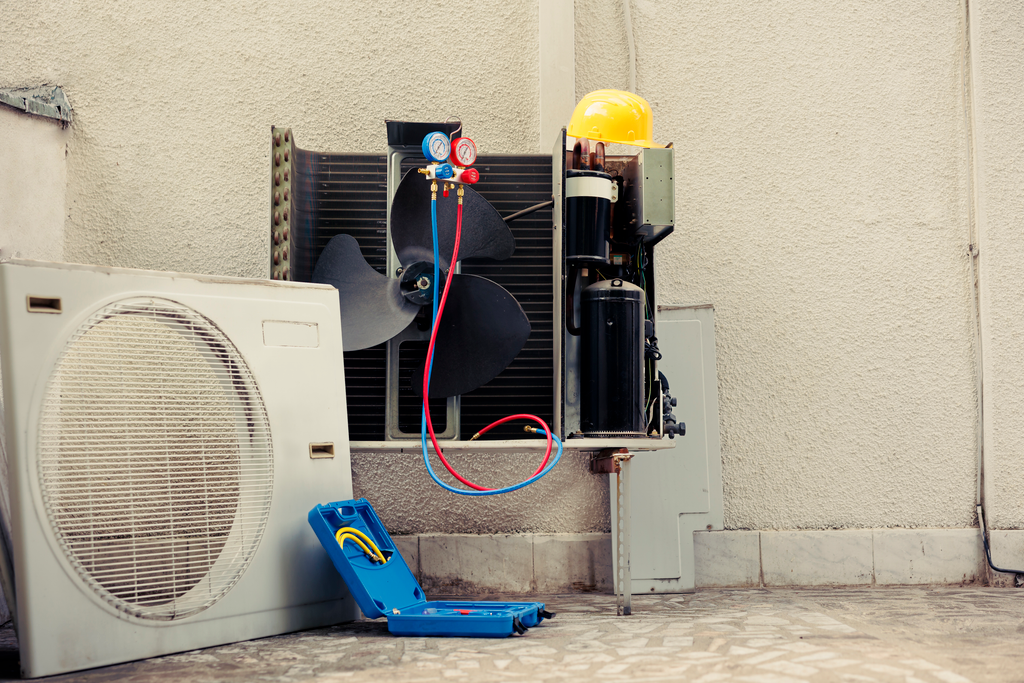
HVAC Refrigerant Leak Detection in Texas.
in Beluga Air Service

What Are the Signs of a Refrigerant Leak in Your System?

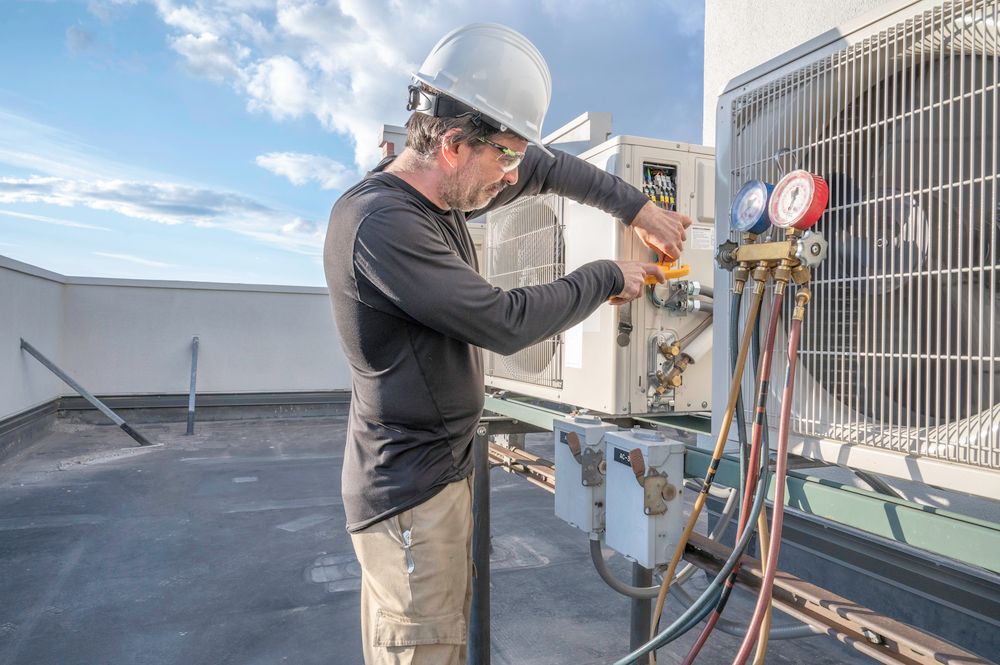
If you're noticing that your San Antonio home isn't staying cool like it used to, a refrigerant leak could be the culprit. Proper refrigerant leak detection can catch the problem before it gets worse. What's the Refrigerant Do? Refrigerant is what absorbs heat from the indoors and then releases it outside through a closed loop of coils and lines. When refrigerant levels drop because of a leak, your AC starts working harder, but it actually delivers less cooling power. You get the worst of all worlds: warm air coming from the vents, higher bills because the system is running longer, and potential damage to expensive components like the compressor. more Refrigerant Leak Detection Our technicians use several tools to find leaks, which can be tricky to locate. First, there's electronic detectors. These can actually find refrigerant molecules in the air. We sweep probes along the lines, coils, and connections to see if there's any refrigerant gas out there, and these devices can pick up even small leaks that could otherwise be missed. We'll also do a visual inspection for any oily residue around fittings or on the floor near the indoor unit. Refrigerant often leaves greasy stains. We'll also listen for a hissing or bubbling noise, which is usually caused by escaping gas under pressure. We can also pressure test with nitrogen or use ultrasonic tools in some cases or even add a UV dye that glows under blacklight if we need to reveal an exact, tricky spot. Why Leaks Happen Think about your copper lines and coils. They have to deal with constant heat, humidity, and the occasional storm, and these all take a toll. And over the course of years, the tiny vibrations from the unit running start to loosen some of the connections. Formic acid corrosion gradually eats pinholes in the tubing, and poor installation or physical damage can also be a problem. Refrigerant doesn't get “used up” by normal operation, so if it's low, that means it has escaped somewhere. Preventing Leaks Good maintenance is the most important way to stop leaks. Schedule annual or semi-annual service so our technicians can clean the coils, check all the connections, and measure pressure levels. All that will allow us to spot if there are weak spots before the refrigerant escapes. And if we're there to always keep proper insulation on the lines, that'll greatly reduce condensation-related corrosion. Finding a leak early on will also keep your expenses down because a small leak repair costs a lot less to fix than a full compressor replacement or a revamp of the entire system. Plus, higher bills from inefficiency will add up fast in summer. Maintenance plans spread the costs out and keep them manageable, predictable, and as small as possible. If you spot any signs that your refrigerant is leaking, reach out to us here at Beluga Air today. We're San Antonio's trusted HVAC products and service company. Our techs are licensed, fully insured, background-checked, and go through weekly training to stay on top of the game.
Read More
Air Conditioning Thermostat Upgrade in Texas.

How Can You Tell If Your Thermostat Needs Calibration?

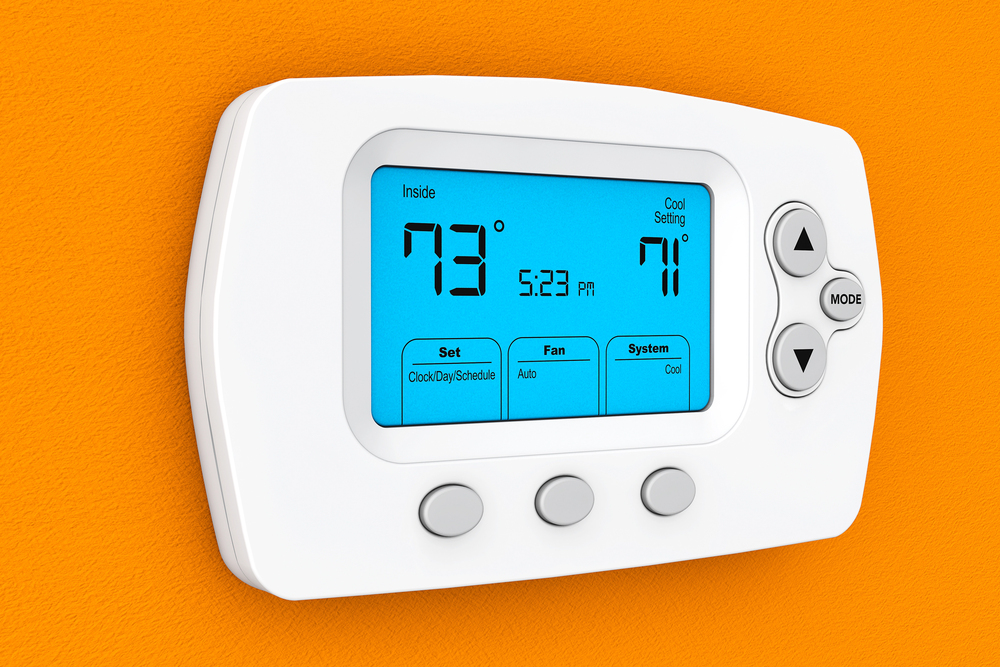
In the heat of South-Central TX, your thermostat is working hard to do its job and keep you comfortable. But over time, it can drift out of whack. If that happens, you might notice odd temperature swings or higher bills, and thermostat calibration might be the fix you need. Signs Your Thermostat Is No Longer Accurate Mismatched Rooms more You set the temperature to 72, but one room feels like an oven and another stays chilly. When you have a big difference in temps, it could point to a thermostat that's reading the air temperature wrong. Your HVAC system ends up working overtime or not enough, and the result is uneven comfort across the house. The Thermometer Tells the Tale Place a reliable digital thermometer next to your thermostat on an interior wall, away from windows, vents, or direct sunlight. Give it 15 to 20 minutes with the system off, then compare the readings. A difference of more than one to two degrees usually means your thermostat needs some attention. Smaller variations are normal, but anything bigger is just a huge energy waste. Energy Bills Keep Climbing If your costs keep climbing, but you've not changed your habits and the outdoor weather is about the same, the system might be running longer than necessary because the thermostat isn't signaling to it correctly. You Hear the HVAC Going on and Off Too Much Frequent short cycling is another clue to watch for. If you hear the AC or heater kick on and off more often than usual, or if it runs constantly without reaching the set temperature, then something is definitely wrong. It could be that the control isn't communicating accurate information to the equipment. Thermostat Calibration Checking Temps Start with the simple thermometer test mentioned earlier. Use a good-quality device you trust, and verify your thermometer first with the ice water method: fill a glass with ice and a little water, stir, and wait a few minutes. It should read close to 32 degrees. Use the Calibration Screw For mechanical thermostats, carefully remove the cover after turning off power to the system, and look for a calibration screw or lever. Make very small turns to adjust the reading, then retest. Don't force anything. If you're unsure, stop and call for help. Digital Calibration Digital models will usually have instructions in the user manual for an offset or calibration mode. Many allow you to add or subtract a few degrees through the settings menu, too. Monitor Things After you make any adjustment, monitor your home for a few days to see if that fixed the problem. If it didn't, then the issue might lie elsewhere, like poor airflow, dirty filters, or duct problems. When to Call a Professional If your thermostat is very old, wired incorrectly, or part of a larger system issue, it makes sense to call us for professional service. We can check the entire setup, including wiring, sensors, and compatibility with your HVAC equipment. Regular maintenance also helps you catch these problems early. Call for Help Throughout South-Central TX If your thermostat is giving you issues, give us a call today at Beluga Air in San Antonio.

HVAC Ventilation and Airflow

What Causes Low Airflow From Your Vents?

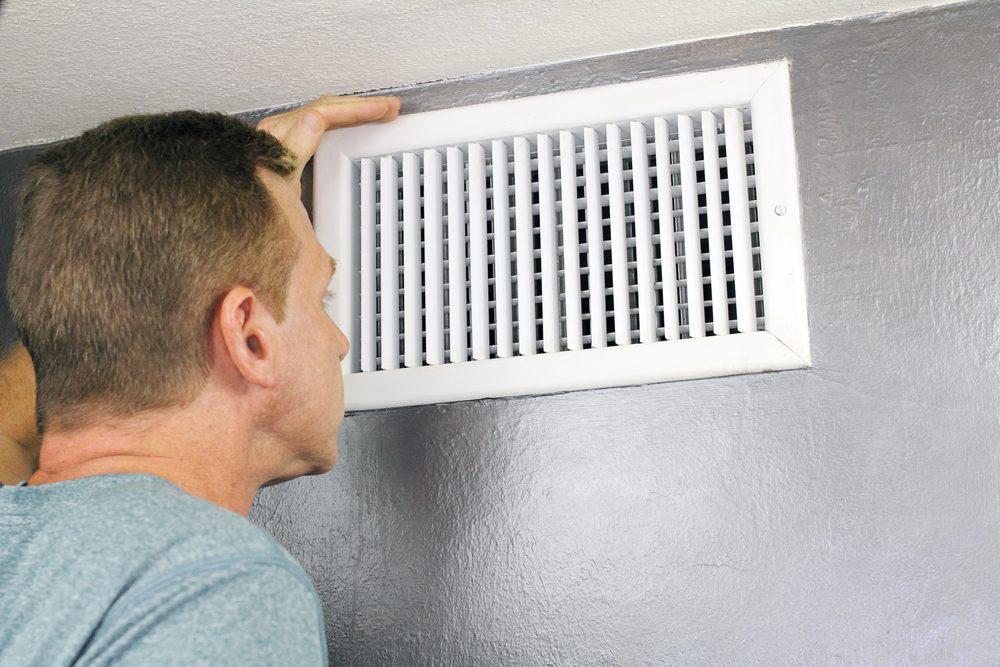
If you live in San Antonio, TX, and you're noticing weak air coming from your registers, we can help. At Beluga Air, we see this issue often during our service calls and know all the possible low airflow causes to check. Our goal is to make your home comfortable, fast. Common Low Airflow Causes Blockage more Your HVAC system moves air through a network of components, and when something blocks or weakens that flow at any point along the way, you'll feel it at the vents. One of the simplest and most frequent problems is a dirty or clogged air filter. As dust, pet hair, and debris pile up on the filter, it forces your blower to work harder while delivering less air to the rooms. The vents and registers themselves can also get blocked by furniture, rugs, or curtains, and even partially closed dampers inside the ductwork can reduce how much air reaches certain areas. Dirty Coils Dirty evaporator coils can cut down on your airflow significantly. These coils sit inside your air handler and cool the air as it passes over them. When dust and moisture build up on them, you've got a barrier that air struggles to move through. This not only weakens the breeze from your vents but can also lead to freezing on the coils. Ductwork Problems Leaky or damaged ducts are another major culprit. If air is escaping through holes, loose connections, or cracks before it ever reaches your living spaces, you'll have weak airflow at the vents even though the system is running at full blast. Older homes or those with ducts in attics or crawl spaces often face this issue. Undersized or crushed ducts can also create bottlenecks. If sections of your ductwork are too narrow, bent sharply, or collapsed, air pressure builds up and airflow drops. This is common in homes where additions were made without updating the HVAC design. Failing Parts If the blower motor is failing, the capacitor is weak, or the fan blades are dirty or unbalanced, you get reduced speed and volume. You may hear unusual noises or notice the system runs longer but doesn't cool like it should. Low Refrigerant Low refrigerant levels can indirectly cause low airflow by making the evaporator coil freeze over. When refrigerant leaks occur, the coil gets too cold and ice forms on them. Then you've got both a weak flow and less cooling power. We can fix the leaks and recharge the system properly. San Antonio, TX Challenges In San Antonio TX, our hot, humid summers put extra stress on HVAC systems, plus we have a lot of dust and pollen from our dry periods that add to both filter and coil buildup faster than people experience in milder climates. Homes here often also have ducts running through really hot attics, which can worsen leaks and insulation issues over time. If your vents are delivering less air than they should, reach out to us for help at Beluga Air. Our experienced technicians have been bringing reliable service to the San Antonio area since 2018.

lower Texas utility bills with havc maintenance.

Is Your HVAC System the Cause of High Utility Bills?

We've got some hot summers here in San Antonio, as well as the possibility for some occasional deep cold in the winter. If you're noticing a big change in your bills, it might not just be extreme weather. It could be your HVAC system, and some HVAC maintenance could solve the problem. Common HVAC System Issues that Lead to High Bills Clogged Air Filter more This is one of the simplest fixes, and it makes a real difference. You may not realize it, but a clogged air filter forces your system to pull harder just to move air through the house. That extra strain makes the fan and compressor run longer cycles, and those longer cycles show up directly on your monthly bill. Changing the filter every one to three months, especially during heavy use, keeps airflow open and prevents this unnecessary work. Dirty System Dirty evaporator and condenser coils create the same problem as a clogged filter, but on a bigger scale. Your system has to run longer and harder to reach the temperature you set, which drives up electricity use without giving you any extra comfort. Leaks and Poor Insulation Leaky or poorly insulated ducts can waste a huge amount of conditioned air. Even a perfectly installed duct will lose a little conditioned air, but leaks compound the problem exponentially. Your HVAC compensates by running even more, and you end up paying for air you never feel. Low Refrigerant or Leaks Low refrigerant levels or refrigerant leaks also make the compressor work overtime. The system struggles to absorb and release heat, so it stays on longer and uses more power. If this is the issue, you'll likely notice that the house takes longer to cool or that certain rooms stay warmer than others. Old System An aging system that is ten or more years old simply cannot match the efficiency of newer models. Parts wear down, seals get loose, and overall performance drops. Poor home insulation and air leaks around windows or doors compound every one of these problems. How HVAC Maintenance Keeps the Bills in Check The point of regular, routine tune-ups is to catch these issues before they cause your bills to skyrocket or you experience a major system failure. A thorough tune-up will include cleaning the coils, checking the refrigerant levels, inspecting all electrical connections, testing airflow, checking for duct leaks, and measuring how well the system is performing overall. When the system runs cleanly and at the right charge, it reaches your set temperature faster and cycles off sooner. Plus, all this work also extends the life of the unit, so you avoid the expense of an early replacement. Call Us Today for Service At Beluga Air in San Antonio, we see these patterns all the time and offer practical ways to get the most out of your HVAC system. Give our team a call to get your system checked and maintained and keep your bills low.

HVAC Breakdowns and Repairs in South Central Texas.

Why Do HVAC Systems Break Down During Extreme Weather?

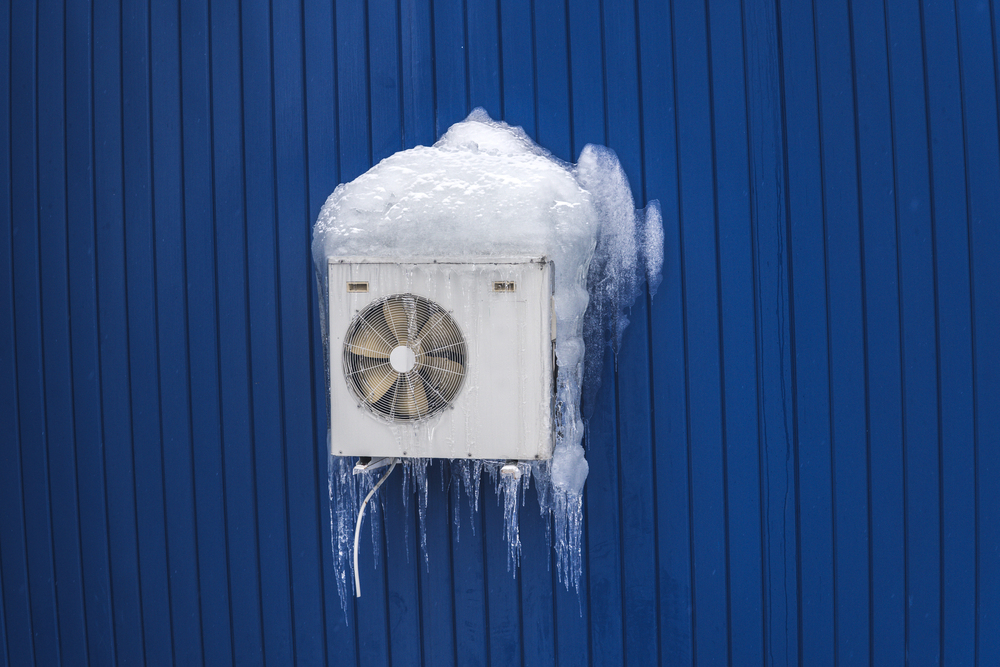
An HVAC system tends to break down or fail to perform effectively during extreme weather because these conditions push the equipment beyond its normal design limits. Most residential HVAC systems are engineered for typical seasonal temperatures, so if we have prolonged extreme highs or lows here in San Antonio, this can be too much for the system, and you end up having to make HVAC repairs. Why HVAC Systems Break Down During Extreme San Antonio Weather more Extreme Heat Air conditioners work by moving heat from indoors to outdoors, so in very hot weather, this process becomes much harder. The system just doesn't get any breaks when the temps soar over about 95°F and stay there continuously. This often leads to overheating of key components like the compressor, fan motors, and electrical parts. Overwork can also cause the compressor to seize or lead to a blown capacitor or thermal shutdown. Standard AC units are typically designed to cool your home to about 20°F below the outdoor temperatures. If it's 105°F outside, the best they can realistically achieve indoors is ~85°F, even running full blast, but most people would prefer temps to be closer to 70°F. Trying to force that overloads the system. A final piece of the puzzle is if you haven't had proper service on your HVAC. The restricted airflow from dirty filters or coils or low refrigerant levels can cause the coils to ice up, which blocks its cooling power entirely. Extreme Cold Heating systems face different challenges, especially heat pumps, which extract heat from outdoor air. Heat pumps lose their efficiency dramatically when temps go below 40°F, and especially when they go below 25°F. There's very little heat left in the outdoor air to extract. Below 0°F, many standard heat pumps struggle significantly or switch to less-efficient backup electric resistance heating. On regular HVAC systems, moisture on the outdoor coils can freeze, which blocks the airflow and stops heat transfer. The defrost cycle may fail or not keep up, and then the system shuts down or just blows cold air. Gas furnaces end up running longer cycles in the cold, and, again, if maintenance isn't on point, then dirty filters and restricted airflow will strain the whole system. Importance of Maintenance Many breakdowns happen because underlying issues get exposed when the weather turns nasty, in either direction. If the air filters and coils are dirty or clogged, you get restricted airflow, overworking units, and overheating or freezing. When refrigerant levels drop because of leaks, you get poor heat transfer. When the equipment is old and unmaintained, the worn-out parts are the first to fail. And if you already have either an oversized or undersized unit or poor insulation, the inefficiencies will be multiplied by extreme temps. Call Us for HVAC Repairs and Maintenance Extreme weather doesn't usually "break" a well-maintained system, but it does accelerate wear, reveal neglect problems, and push the components past their safe operating limits. That often results in failure when you need the system most, especially if you haven't been maintaining it. For everything you need so you can rely on your HVAC system in any weather, call Beluga Air now in San Antonio.

An AC tune-up is routine maintenance that cleans, inspects, and optimizes your air conditioning system.

What’s the Difference Between a Tune-Up and a Service Call?

During the life of your HVAC system, you're likely to need both a tune-up and a service call at various times. Our San Antonio company offers both HVAC service calls and tune-up services. Here's the difference. What's the Difference Between a Tune-Up and a Service Call? more HVAC Tune-Ups Also known as a maintenance visit or preventive maintenance service, this is a proactive and scheduled procedure that you'll typically arrange once or twice a year, often in the spring for air conditioning preparation or in the fall so you're ready for winter. The primary purpose of a tune-up is to keep the system operating at the best possible efficiency, keep energy use low, and identify any minor issues before they escalate into major failures. Regular tune-ups also help your equipment last longer. During this visit, one of our technicians will perform a series of routine tasks, including cleaning important components like coils, fans, and condensate drains, inspecting and tightening all the electrical connections, and checking refrigerant levels. We'll also lubricate the moving parts, replace or clean any filters, and make sure the airflow is where it should be and the thermostat is accurate. This service is not intended to make any major repairs, so if serious problems are discovered, the technician will recommend you get additional work. HVAC Service Calls A service call or diagnostic visit is a reactive response to an existing problem. This is what you'll schedule if your system suddenly stops working properly, such as if it stops heating or cooling as it should, starts producing unusual noises, displays an error code, or you find your airflow is too weak. The main focus of a service call is to diagnose the root cause of a specific issue through thorough inspection and testing and then do whatever repairs are necessary to get things back to normal. Because these visits are unplanned and are all about resolving an active malfunction, they tend to be more expensive than routine tune-ups. Service calls are essential when you have to get things fixed right away, but they address symptoms after a problem has already arisen rather than working to prevent the problem in the first place. Why It Matters In the past, it was common to call for service only when you experienced a problem. In recent years, homeowners and service companies alike are discovering the power of regular tune-ups to keep a system reliable and prevent service calls from happening at all. Skipping preventive tune-ups can lead to more frequent breakdowns, higher repair costs, and shortened equipment life. Call Us Today in San Antonio In essence, a tune-up is like your routine health checkup or a vehicle oil change: you get it done when everything is still working to keep it that way. A service call is like going to the doctor when you have symptoms or getting your car repaired when it won't start. Both are important, and you can get either when you call Beluga Air in San Antonio at 210-201-1227.

We install hvac air scubbers in Alamo Heights, Texas

How Do HVAC Air Scrubbers Work, and Are They Worth the Investment?

Here in Alamo Heights, TX, we get plenty of heat and humidity, and that means mold can grow easily and allergens build up indoors because windows are closed to allow the AC to run. The answer to this problem is HVAC air scrubbers. These allow you to have fresh, clean air at all times. How HVAC Air Scrubbers Work more These devices attach to the ductwork in your home, and when the fan turns on, air gets drawn into the scrubber's chamber. Inside, a combination of ultraviolet light and a coated surface starts a reaction that changes water and oxygen molecules into active cleaners like hydrogen peroxide and hydroxyls. These cleaners then spread out into the rooms and break down bacteria, viruses, mold spores, and volatile organic compounds at the molecular level. Basic filters just trap dust, but this process actively destroys the harmful particles that are in the air as well as particles lingering on surfaces. The scrubber uses a honeycomb structure to maximize contact between the air and the reactive elements, and some models also include HEPA filters to catch larger debris before the chemical process kicks in. Best of all, the setup just runs automatically whenever your system circulates air, so you don't need a separate cleaner in every room. Understanding the Tech Ever wonder why outside air is cleaner than inside air? The sun has a lot to do with it, and that's the core tech behind these scrubbers. They use sunlight-mimicking light rays to create safe oxidizers that mimic natural outdoor cleaning processes. Once released, these oxidizers attach to pollutants and break them into harmless water and carbon dioxide. Benefits of Using Air Scrubbers The key advantage is better health through cleaner air. Scrubbers cut down on allergens like pollen and dust mites, reduce viruses and bacteria, and keep mold from growing. They also reduce odors from cooking, pets, or smoke. On top of that, having less dirt around means your HVAC equipment tends to last longer and need fewer repairs, and the efficiency improves because you need less energy to move air. Are They Worth the Investment? Scrubbers are an initial investment, and you'll also have to keep up with maintenance if you want to get all the benefits. If you forget to swap out the UV bulbs or let the filter get too full, the system won't do the job you got it to do. All that said, the benefits do really add up, and particularly if someone in your home struggles with asthma, has serious allergies, or is immunocompromised. These scrubbers get rid of up to 99% of common contaminants, which can make a huge difference to quality of life. And, over time, they make a difference in your energy bills and repair and replacement costs for the HVAC unit as a whole. Beluga Air Serves Alamo Heights, TX If you're considering a scrubber for indoor air quality improvements, want a quote or some advice, or need HVAC maintenance, contact Beluga Air in Bexar County today to learn more.

UV light is an essential component for maintaining a healthy environment.

What Are the Benefits of Installing UV Lights in Your HVAC System?

UV light is an essential component for maintaining a healthy environment. HVAC UV lights can make a huge difference to your San Antonio home. They kill bacteria and viruses before they can reach your family's lungs and control mold growth. Here's a full rundown of the benefits you can expect. The Benefits of HVAC UV Lights in San Antonio Homes Kills Bacteria more UV radiation distorts the DNA of bacteria and blocks its ability to send the protein signal that allows that bacteria to thrive. This means the bacteria eventually mutate and die. If any bacteria should manage to survive the UV light initially, the damage done to their amino acids makes it impossible for them to replicate or create the proteins they need to caused harm to us. Kills Viruses With viruses, the action is a little bit different. Again, the RNA or DNA of the virus itself is disrupted by the light, and while the virus sometimes technically remains alive, it becomes unable to infect a host cell. Tests have been done showing that UV light effectively neutralizes the viruses that cause pneumonia, E. coli, staph infections, yeast infections, and coronavirus, among many others. Destroys Mold With mold, UV light sends out high-energy photons that are absorbed by the DNA and RNA of the mold spores. This makes them unable to reproduce, so the mold eventually just dies out. To completely kill mold in one go, you have to have concentrated UV light on the pores for long enough, so the benefit of mold control with a UV light in your HVAC system is primarily that it prevents the growth of mold within the system itself, particularly the coils, pan, and ductwork, which often stay relatively moist and are otherwise prone to mold growth. Silent Protection Unlike noisy filters, UV light simply does the job without creating a lot of background noise that many people don't want in their homes. Perfectly Safe When the system is installed professionally, it's perfectly safe. The UV light is much like sunlight, but since it's all contained within the unit, there's no danger to you or your family. Technicians working on your unit should wear eye protection when the unit is open, but there's no other concern. Things to Know It's important to remember that the UV bulbs will need to be changed regularly, as they gradually lose their effectiveness. Talk with us about how often is appropriate with your unit. This can usually be done during regular servicing. It's also critical to remember that UV light doesn't affect dust and pet hair, which can be potent allergens for some people. You will still need a filter in the system to catch these types of allergens, and particularly if you have a family member with strong allergies or asthma issues. To find out what the UV light can do for you and your family, talk to us today at Beluga Air in San Antonio, TX. Our goal is to provide the best service in the city and set the standard for HVAC service.

Indoor Air Filtration for HVAC Units.

Can Improving Indoor Air Quality Help With Allergies and Respiratory Issues?

Most of us spend the majority of our time inside homes, offices, or other enclosed spaces these days, and that means the quality of the air we breathe indoors is now a critical factor in overall health. And for no one is this more true than those who suffer from allergies and respiratory issues. The good news is that improving your indoor air quality here in San Antonio is possible, and it's effective for those with respiratory concerns. Can Improving My San Antonio Indoor Air Quality Help With Allergies and Respiratory Issues? more Some of the common pollutants that lurk in our indoor air include volatile organic compounds (VOCs) released from household products like paints and furniture; biological contaminants like mold spores; and allergens, which come from dust, pests, pets. Even everyday activities that we have to engage in, like cooking, can introduce fine particles and gases into the air that irritate the lungs. These pollutants can trigger immune responses in sensitive individuals, and poor indoor air quality has been linked to a range of health problems, from mild breathing difficulties all the way up to increased hospital visits. When your indoor air is laden with irritants, your body's immune system goes into overdrive producing histamines. The lungs and airways are the first line of defense against inhaled pollutants, so chronic exposure can lead to inflammation, reduced lung function, and a higher susceptibility to infections like the flu or pneumonia. Here's how to deal with it: Get Better Ventilation One of the best things you can do is just get better ventilation: open windows when outdoor air is clean or use exhaust fans in kitchens and bathrooms. This fresh air exchange will dilute the indoor contaminants. However, if you live in a high-pollution area (like right up against a major road), you're in a building where windows can't open (like an office), or it's too hot or cold to open up (a lot of the year here!), mechanical ventilation systems with filters can achieve similar results. An HVAC system with high-efficiency particulate air filters (HEPA filters) will capture tiny particles like allergens and dust and improve life for everyone in the building. Keep Things Cleaned and Serviced Your HVAC system can do a lot, but not if it's full of dust. Regular cleanings are going to make a huge difference, but they have to be done right, without stirring up dust or driving it deeper into the system. At Beluga Air, we'll come do a careful assessment of your system, then use our advanced equipment to do a real deep clean. We don't shove dirt and dust deeper in: we remove it entirely. Then we'll sanitize your system to ensure no mold, bacteria, or their spores remain. To breathe more comfortably in your home or office, call us today at Beluga Air in San Antonio, TX. Check out our coupons section to save, and ​consider a membership with us, where you'll get your HVAC system tuned up each year along with a 10% discount, priority scheduling, two free service calls, our bio fresh ​treatment, and more.

How Does Attic Insulation Affect Your Home’s Energy Efficiency?

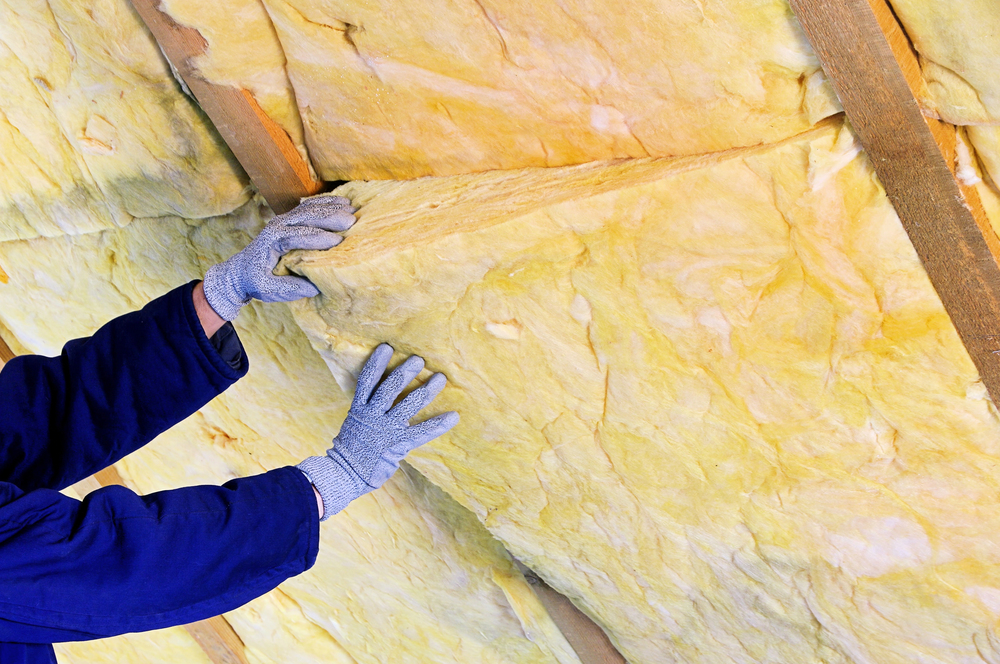
Attic insulation is a huge factor in improving a home's energy efficiency. It keeps heat from escaping in winter and blocks excess heat from entering in summer, so without proper insulation, you can expect to lose lots of conditioned air through the attic. Adding insulation creates a barrier that allows you to maintain more stable indoor temperatures and throw less workload onto your Castle Hills heating and cooling system. How Does Attic Insulation Affect Your Castle Hills Home's Energy Efficiency? more Heat naturally moves from warmer areas to cooler ones through the physical processes of conduction, convection, and radiation. What this means for an uninsulated attic is that indoor heat rises and escapes through the ceiling in winter, while outdoor heat from the roof transfers downward in summer. Insulation is what stops this by trapping air and slowing heat transfer. The materials you use to insulate an attic are rated by something called an R-value, which measures their resistance to heat flow. The higher the R-value, the better the material is for keeping the heat away. Enhancing Comfort and Reducing Strain on Your HVAC Proper insulation improves your indoor comfort by minimizing temperature fluctuations throughout the home. Rooms stay warmer in winter and cooler in summer naturally, without you having to adjust the thermostat so much, and you get more even distribution of temperature with no drafts or hot spots. Insulation also benefits the HVAC system, as it prevents extreme attic temperatures from affecting the ducts that often run through this space. With less heat gain or loss, the system runs less often, which both lowers your energy consumption and extends your equipment life. Quantifying the Savings and Long-Term Gains Adding or upgrading insulation can make a difference of hundreds of dollars for the average household. In homes with no existing insulation, you'll see especially big changes. It wouldn't be out of the question for your energy costs to drop by more than 50% with the right insulation. Over time, the initial investment you make in insulation is going to pay off quickly. The Right Insulation Installing insulation requires looking carefully at the home's structure and making decisions that are going to allow you to achieve maximum effectiveness. Our first step will be air sealing to close any gaps around the access hatches, vents, and light fixtures. These leaks can seriously reduce your insulation performance, and caulk or foam sealants are best for forming a tight barrier. This is also going to go a long way to control moisture and prevent issues like mold. Then, we'll measure the current insulation depth (if you have any) and add new layers as needed without compressing the existing material, so it can maintain its R-value. With tools like infrared cameras and blower door tests, we can verify all the seals and get a good look at the whole insulation picture. The right insulation will do wonders; but only if it's installed the right way. Reach out to us now at Beluga Air in San Antonio, TX, where we're committed to quality, bound by morals, and determined to be the best.

Castle Hills HVAC Service by Beluga Air

What’s Included in an HVAC Tune-Up, and Why Does It Matter?

The health of your heating and cooling system impacts everything from monthly energy bills to your family's comfort, especially in a place like Hill Country Village & Castle Hills, TX. That is why an HVAC tune-up is such an important service. This routine maintenance step ensures that your system is running efficiently, safely, and reliably in every season. more What's Included in a Castle Hills HVAC Tune-Up? When we perform a professional tune-up, our technicians walk through a comprehensive checklist designed to catch small issues before they become costly problems. This service typically includes: Inspecting and cleaning condenser and evaporator coils Checking refrigerant levels Calibrating thermostats Tightening electrical connections Lubricating moving parts Inspecting the blower motor and belt Changing or cleaning filters Testing system controls and safety features Each of these contributes to the efficiency and longevity of your system. For example, dirty coils or clogged filters force the unit to work harder, which increases energy use and the likelihood of a breakdown. Why It Matters A properly tuned HVAC system saves money, improves indoor air quality, and gives you peace of mind. Dust, pollen, and other contaminants can build up in neglected systems, circulating through your home. During a tune-up, filters and internal components are cleaned to keep the air fresh and safe for your household. Efficiency is another key factor. Studies show that routine maintenance can lower your energy bills by reducing strain on the unit. Even small adjustments, like tightening electrical connections or calibrating the thermostat, can make a measurable difference in daily operation. Extending the Life of Your System HVAC equipment represents one of the largest investments in your home. Without regular care, parts wear down faster, leading to expensive replacements. A tune-up extends the lifespan of critical components like compressors, motors, and coils. By catching early signs of wear, technicians can make simple repairs that prevent system-wide failures later on. Seasonal Reliability Hot summers and sudden cold snaps put serious demands on HVAC systems. Having a tune-up performed in the spring and fall helps ensure your system is ready for peak use. That preparation means fewer emergency calls, less downtime, and greater comfort year-round. Added Safety and Protection Beyond efficiency, a tune-up helps keep your household safe. During the inspection, technicians check for potential hazards such as refrigerator leaks, faulty wiring, or carbon monoxide risks in systems that use gas. Early detection of these issues protects both your property and your family. Professional Expertise A tune-up is not just a quick once-over. Certified technicians use specialized tools to measure performance, detect hidden problems, and fine-tune components to manufacturer specifications. That expertise ensures that every service visit is thorough. Long-Term Value When viewed as a yearly investment, a tune-up pays for itself by reducing repair costs, lowering monthly energy bills, and extending the overall system lifespan. Rather than waiting until something breaks, proactive care ensures your system is always prepared to meet your needs. Ready to book your HVAC service? Trust our experienced team to keep your system running at its best. Schedule a tune-up with Beluga Air in San Antonio, TX. Proudly serving the entire Hill Country Village, Castle Hills and Shavano Park, TX areas!

Alamo Heights A/C Tune up and Maintenance

How Often Should You Schedule a HVAC Tune Up for Optimal Efficiency?

Some of the most common HVAC issues we find in Alamo Heights are directly linked to a lack of routine maintenance. When you invest in preventative maintenance services, the technicians will ensure that every aspect of your system is functioning properly. Scheduling regular HVAC maintenance appointments will help extend the longevity of your HVAC system, ensure its efficiency, and help prevent costly repairs. more How Often Should You Schedule HVAC Tune Up in Alamo Heights for Optimal Efficiency? To keep your HVAC system in the best condition, you should schedule maintenance at the very least twice a year. While there are some maintenance aspects you can DIY at home, like replacing your air filter or changing the batteries on your thermostat, you should leave the rest to the professionals so they can ensure everything is working properly year-round, identify potential issues, make repairs as needed, and prevent issues long-term. The Ideal HVAC Preventative Maintenance Schedule Monthly Maintenance Each month, you should check your air filters to see if they're dirty and need replacement. Air filters catch airborne particles, like allergens, pet dander, dust, dirt, and debris, so that you're not breathing them in. Some people are more susceptible to the effects of airborne particles and should change their air filter monthly to ensure the cleanest air. Different factors affect the condition of your air, including how many pets you own, whether you're doing any construction or live near a construction site, or if there's a lot of pollen or other allergens in the air. Checking these monthly or scheduling an HVAC company to change them for you will ensure you have the best air quality in your home and that your filters are clean, so your system can work efficiently. Seasonal Maintenance Every three months, you should schedule an HVAC technician to come to your home to evaluate your system and ensure that there aren't any blockages in your vents so that air can move freely through the ducts. Dust can build up over time, and if it's left unaddressed, it can cause issues with the system and even prevent it from running. Each season, you should have technicians come to your home and evaluate your thermostat, test it to make sure it's working properly, and change the batteries if necessary. One of the benefits of seasonal HVAC preventative maintenance appointments is that they are an investment in your system and prevent issues that could leave you without a working HVAC system during the hottest or coldest times of the year. Yearly Maintenance Each year, you should have professionals clean your HVAC unit to ensure it's free of any dirt and debris that could prevent proper airflow. Dirty coils can cause the line to freeze, resulting in an inoperable system. Technicians will evaluate every aspect of your unit and ensure that the fan, the lines, the coils, and other parts are all functioning exactly as they should. Whether you don't remember the last time you scheduled maintenance for your HVAC system, or you're due for service, we can help. Our team of HVAC professionals specializes in HVAC tune ups, repairs, maintenance, installation, and more. We can meet all your HVAC needs and will provide you with the highest quality, most efficient work you can get in Alamo Heights, Stone Oak, & Shavano Park. Contact us today at Beluga Air in San Antonio, TX to schedule your appointment.

San Antonio HVAC repair or replace

Repair Vs Replace: What Is More Cost-Effective

Introduction to HVAC Decisions When it comes to maintaining your home comfort, the choice between repairing or replacing your HVAC system can be a real head-scratcher. This decision isn't just about keeping the cool air flowing or the heat pumping; it's about making a savvy financial choice. Cost-effectiveness is the key player here. Understanding when to invest in repairs or when to opt for a replacement can save you a bundle in the long run. Let's dive into the factors that can lead you to a smart and cost-effective decision. more Assessing Repair Costs Delving into the realm of HVAC repairs unveils a myriad of factors influencing costs. The age and type of your HVAC system can significantly sway expenses. Older units often demand more intensive repairs with harder-to-find parts, while newer systems, especially those under warranty, usually incur lower costs. Moreover, the severity of the issue at hand plays a crucial role. Simple fixes like a thermostat replacement might only set you back $50 to $200, whereas a major compressor replacement can soar to $1,900. Geographic location also matters. Areas with high living costs or fewer technicians often see higher labor rates. Timing is another consideration—peak seasons can inflate prices. "While repairs might seem costly, they often prove more cost-effective than frequent replacements," emphasizes the importance of strategic decision-making. Repair frequency is another puzzle piece. Regular maintenance can dramatically reduce unexpected breakdowns, helping you save in the long haul. Ultimately, understanding these variables can guide you in making a cost-effective choice between repair and replacement, ensuring your HVAC system runs smoothly. When Replacement is More Sensible Deciding whether to replace your HVAC system can feel daunting. However, there are specific scenarios where replacement is undeniably more cost-effective: Age of the System: If your air conditioner or furnace is over 10-15 years old, it's time to consider a new one. Older systems are prone to frequent breakdowns and inefficiency. High Repair Costs: Use the "5,000 rule"—multiply the system’s age by the repair cost. If it exceeds $5,000, replacement is your best bet. Expired Warranty: Once the warranty is gone, you're on the hook for all repair costs. This is especially true for systems that frequently break down. Rising Energy Bills: Older units can use 30-50% more energy. Upgrading to a high-efficiency model can reduce energy costs by 20% or more. Newer HVAC models come with advanced technology, improving efficiency and cutting down energy usage. They often feature smart thermostats and zoning systems, enhancing your comfort and reducing utility bills. So, if you're noticing that your old system is costing more than it's worth, a new installation can lead to significant long-term savings and peace of mind. Energy Costs and Savings Energy costs are a major factor when deciding whether to repair or replace your HVAC system. Older units often guzzle more energy, spiking your utility bills. On the other hand, upgrading to a modern, energy-efficient model can dramatically slash energy consumption, thanks to advanced technologies like variable speed compressors and smart thermostats. Consider this table to visualize the savings: System Type Average Monthly Energy Cost Old HVAC System $150 New Energy-Efficient System $100 As you can see, swapping out your old system could save you 20% or more on energy costs. Plus, the government offers incentives to sweeten the deal—a tax credit of 30% on energy-efficient upgrades and potential rebates up to $8,000. These incentives make investing in a new system not just a cost-effective choice, but a smart one for long-term savings and environmental impact. Conclusion In the battle of repair vs. replace, the scales tip depending on costs, energy efficiency, and frequency of repairs. Replacing an outdated system with a modern, energy-efficient model can save you money in the long run, especially with available government incentives. Consider your specific needs and situation carefully. Don't blow your money on endless repairs—call Beluga Air for expert guidance and solutions tailored to your HVAC needs in San Antonio Texas and beyond!

Contact Us

Fill out this form below and we'll contact you shortly
*Required Fields

Get your free quote!

Call 210-468-6117 or fill out the form below