
• Beluga Air

Blog / Beluga Air Service

Why Do HVAC Systems Break Down During Extreme Weather?

HVAC Breakdowns and Repairs in South Central Texas.

An HVAC system tends to break down or fail to perform effectively during extreme weather because these conditions push the equipment beyond its normal design limits. Most residential HVAC systems are engineered for typical seasonal temperatures, so if we have prolonged extreme highs or lows here in San Antonio, this can be too much for the system, and you end up having to make HVAC repairs.

Why HVAC Systems Break Down During Extreme San Antonio Weather

Extreme Heat

Air conditioners work by moving heat from indoors to outdoors, so in very hot weather, this process becomes much harder. The system just doesn't get any breaks when the temps soar over about 95°F and stay there continuously. This often leads to overheating of key components like the compressor, fan motors, and electrical parts. Overwork can also cause the compressor to seize or lead to a blown capacitor or thermal shutdown.

Standard AC units are typically designed to cool your home to about 20°F below the outdoor temperatures. If it's 105°F outside, the best they can realistically achieve indoors is ~85°F, even running full blast, but most people would prefer temps to be closer to 70°F. Trying to force that overloads the system.

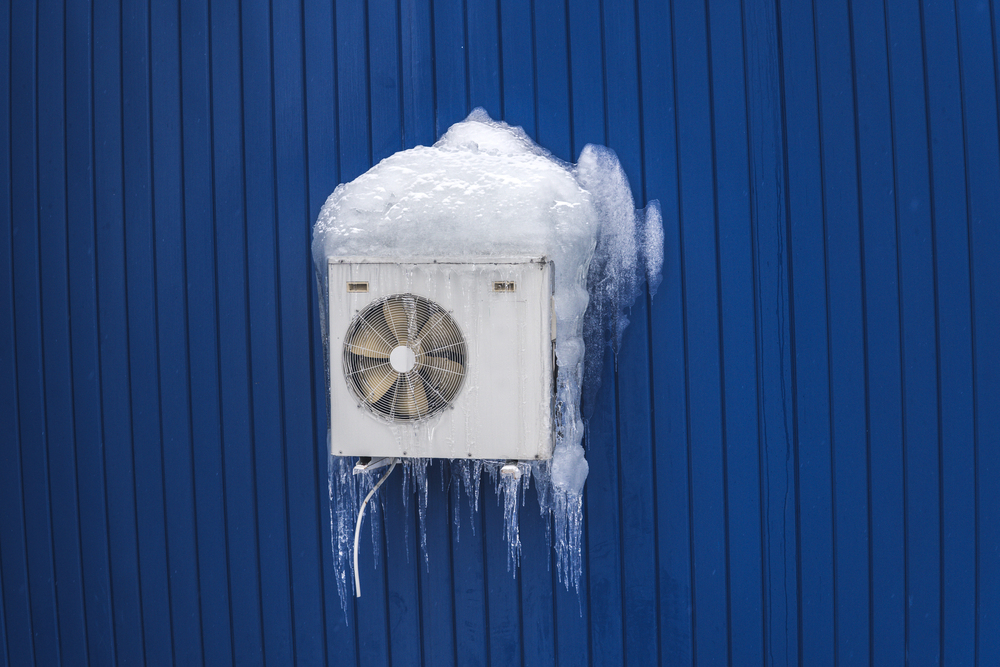
A final piece of the puzzle is if you haven't had proper service on your HVAC. The restricted airflow from dirty filters or coils or low refrigerant levels can cause the coils to ice up, which blocks its cooling power entirely.

Extreme Cold

Heating systems face different challenges, especially heat pumps, which extract heat from outdoor air. Heat pumps lose their efficiency dramatically when temps go below 40°F, and especially when they go below 25°F. There's very little heat left in the outdoor air to extract. Below 0°F, many standard heat pumps struggle significantly or switch to less-efficient backup electric resistance heating.

On regular HVAC systems, moisture on the outdoor coils can freeze, which blocks the airflow and stops heat transfer. The defrost cycle may fail or not keep up, and then the system shuts down or just blows cold air. Gas furnaces end up running longer cycles in the cold, and, again, if maintenance isn't on point, then dirty filters and restricted airflow will strain the whole system.

Importance of Maintenance

Many breakdowns happen because underlying issues get exposed when the weather turns nasty, in either direction. If the air filters and coils are dirty or clogged, you get restricted airflow, overworking units, and overheating or freezing. When refrigerant levels drop because of leaks, you get poor heat transfer.

When the equipment is old and unmaintained, the worn-out parts are the first to fail. And if you already have either an oversized or undersized unit or poor insulation, the inefficiencies will be multiplied by extreme temps.

Call Us for HVAC Repairs and Maintenance

Extreme weather doesn't usually "break" a well-maintained system, but it does accelerate wear, reveal neglect problems, and push the components past their safe operating limits. That often results in failure when you need the system most, especially if you haven't been maintaining it. For everything you need so you can rely on your HVAC system in any weather, call Beluga Air now in San Antonio.
Posted in:

Related Posts

HVAC Refrigerant Leak Detection in Texas.

What Are the Signs of a Refrigerant Leak in Your System?

If you're noticing that your San Antonio home isn't staying cool like it used to, a refrigerant leak could be the culprit. Proper refrigerant leak detection can catch the problem before it gets worse. What's the Refrigerant Do? Refrigerant is what absorbs heat from the indoors and then releases it outside through a closed loop of coils and lines. When refrigerant levels drop because of a leak, your AC starts working harder, but it actually delivers less cooling power. You get the worst of all worlds: warm air coming from the vents, higher bills because the system is running longer, and potential damage to expensive components like the compressor. more Refrigerant Leak Detection Our technicians use several tools to find leaks, which can be tricky to locate. First, there's electronic detectors. These can actually find refrigerant molecules in the air. We sweep probes along the lines, coils, and connections to see if there's any refrigerant gas out there, and these devices can pick up even small leaks that could otherwise be missed. We'll also do a visual inspection for any oily residue around fittings or on the floor near the indoor unit. Refrigerant often leaves greasy stains. We'll also listen for a hissing or bubbling noise, which is usually caused by escaping gas under pressure. We can also pressure test with nitrogen or use ultrasonic tools in some cases or even add a UV dye that glows under blacklight if we need to reveal an exact, tricky spot. Why Leaks Happen Think about your copper lines and coils. They have to deal with constant heat, humidity, and the occasional storm, and these all take a toll. And over the course of years, the tiny vibrations from the unit running start to loosen some of the connections. Formic acid corrosion gradually eats pinholes in the tubing, and poor installation or physical damage can also be a problem. Refrigerant doesn't get “used up” by normal operation, so if it's low, that means it has escaped somewhere. Preventing Leaks Good maintenance is the most important way to stop leaks. Schedule annual or semi-annual service so our technicians can clean the coils, check all the connections, and measure pressure levels. All that will allow us to spot if there are weak spots before the refrigerant escapes. And if we're there to always keep proper insulation on the lines, that'll greatly reduce condensation-related corrosion. Finding a leak early on will also keep your expenses down because a small leak repair costs a lot less to fix than a full compressor replacement or a revamp of the entire system. Plus, higher bills from inefficiency will add up fast in summer. Maintenance plans spread the costs out and keep them manageable, predictable, and as small as possible. If you spot any signs that your refrigerant is leaking, reach out to us here at Beluga Air today. We're San Antonio's trusted HVAC products and service company. Our techs are licensed, fully insured, background-checked, and go through weekly training to stay on top of the game.

Air Conditioning Thermostat Upgrade in Texas.

How Can You Tell If Your Thermostat Needs Calibration?

In the heat of South-Central TX, your thermostat is working hard to do its job and keep you comfortable. But over time, it can drift out of whack. If that happens, you might notice odd temperature swings or higher bills, and thermostat calibration might be the fix you need. Signs Your Thermostat Is No Longer Accurate Mismatched Rooms more You set the temperature to 72, but one room feels like an oven and another stays chilly. When you have a big difference in temps, it could point to a thermostat that's reading the air temperature wrong. Your HVAC system ends up working overtime or not enough, and the result is uneven comfort across the house. The Thermometer Tells the Tale Place a reliable digital thermometer next to your thermostat on an interior wall, away from windows, vents, or direct sunlight. Give it 15 to 20 minutes with the system off, then compare the readings. A difference of more than one to two degrees usually means your thermostat needs some attention. Smaller variations are normal, but anything bigger is just a huge energy waste. Energy Bills Keep Climbing If your costs keep climbing, but you've not changed your habits and the outdoor weather is about the same, the system might be running longer than necessary because the thermostat isn't signaling to it correctly. You Hear the HVAC Going on and Off Too Much Frequent short cycling is another clue to watch for. If you hear the AC or heater kick on and off more often than usual, or if it runs constantly without reaching the set temperature, then something is definitely wrong. It could be that the control isn't communicating accurate information to the equipment. Thermostat Calibration Checking Temps Start with the simple thermometer test mentioned earlier. Use a good-quality device you trust, and verify your thermometer first with the ice water method: fill a glass with ice and a little water, stir, and wait a few minutes. It should read close to 32 degrees. Use the Calibration Screw For mechanical thermostats, carefully remove the cover after turning off power to the system, and look for a calibration screw or lever. Make very small turns to adjust the reading, then retest. Don't force anything. If you're unsure, stop and call for help. Digital Calibration Digital models will usually have instructions in the user manual for an offset or calibration mode. Many allow you to add or subtract a few degrees through the settings menu, too. Monitor Things After you make any adjustment, monitor your home for a few days to see if that fixed the problem. If it didn't, then the issue might lie elsewhere, like poor airflow, dirty filters, or duct problems. When to Call a Professional If your thermostat is very old, wired incorrectly, or part of a larger system issue, it makes sense to call us for professional service. We can check the entire setup, including wiring, sensors, and compatibility with your HVAC equipment. Regular maintenance also helps you catch these problems early. Call for Help Throughout South-Central TX If your thermostat is giving you issues, give us a call today at Beluga Air in San Antonio.

HVAC Ventilation and Airflow

What Causes Low Airflow From Your Vents?

If you live in San Antonio, TX, and you're noticing weak air coming from your registers, we can help. At Beluga Air, we see this issue often during our service calls and know all the possible low airflow causes to check. Our goal is to make your home comfortable, fast. Common Low Airflow Causes Blockage more Your HVAC system moves air through a network of components, and when something blocks or weakens that flow at any point along the way, you'll feel it at the vents. One of the simplest and most frequent problems is a dirty or clogged air filter. As dust, pet hair, and debris pile up on the filter, it forces your blower to work harder while delivering less air to the rooms. The vents and registers themselves can also get blocked by furniture, rugs, or curtains, and even partially closed dampers inside the ductwork can reduce how much air reaches certain areas. Dirty Coils Dirty evaporator coils can cut down on your airflow significantly. These coils sit inside your air handler and cool the air as it passes over them. When dust and moisture build up on them, you've got a barrier that air struggles to move through. This not only weakens the breeze from your vents but can also lead to freezing on the coils. Ductwork Problems Leaky or damaged ducts are another major culprit. If air is escaping through holes, loose connections, or cracks before it ever reaches your living spaces, you'll have weak airflow at the vents even though the system is running at full blast. Older homes or those with ducts in attics or crawl spaces often face this issue. Undersized or crushed ducts can also create bottlenecks. If sections of your ductwork are too narrow, bent sharply, or collapsed, air pressure builds up and airflow drops. This is common in homes where additions were made without updating the HVAC design. Failing Parts If the blower motor is failing, the capacitor is weak, or the fan blades are dirty or unbalanced, you get reduced speed and volume. You may hear unusual noises or notice the system runs longer but doesn't cool like it should. Low Refrigerant Low refrigerant levels can indirectly cause low airflow by making the evaporator coil freeze over. When refrigerant leaks occur, the coil gets too cold and ice forms on them. Then you've got both a weak flow and less cooling power. We can fix the leaks and recharge the system properly. San Antonio, TX Challenges In San Antonio TX, our hot, humid summers put extra stress on HVAC systems, plus we have a lot of dust and pollen from our dry periods that add to both filter and coil buildup faster than people experience in milder climates. Homes here often also have ducts running through really hot attics, which can worsen leaks and insulation issues over time. If your vents are delivering less air than they should, reach out to us for help at Beluga Air. Our experienced technicians have been bringing reliable service to the San Antonio area since 2018.

Get your free quote!

Call 210-468-6117 or fill out the form below