
• Beluga Air

Blog

How Often Should You Schedule a HVAC Tune Up for Optimal Efficiency?

Alamo Heights A/C Tune up and Maintenance

Some of the most common HVAC issues we find in Alamo Heights are directly linked to a lack of routine maintenance. When you invest in preventative maintenance services, the technicians will ensure that every aspect of your system is functioning properly. Scheduling regular HVAC maintenance appointments will help extend the longevity of your HVAC system, ensure its efficiency, and help prevent costly repairs.

How Often Should You Schedule HVAC Tune Up in Alamo Heights for Optimal Efficiency?

To keep your HVAC system in the best condition, you should schedule maintenance at the very least twice a year. While there are some maintenance aspects you can DIY at home, like replacing your air filter or changing the batteries on your thermostat, you should leave the rest to the professionals so they can ensure everything is working properly year-round, identify potential issues, make repairs as needed, and prevent issues long-term.

The Ideal HVAC Preventative Maintenance Schedule

Monthly Maintenance

Each month, you should check your air filters to see if they're dirty and need replacement. Air filters catch airborne particles, like allergens, pet dander, dust, dirt, and debris, so that you're not breathing them in. Some people are more susceptible to the effects of airborne particles and should change their air filter monthly to ensure the cleanest air.

Different factors affect the condition of your air, including how many pets you own, whether you're doing any construction or live near a construction site, or if there's a lot of pollen or other allergens in the air. Checking these monthly or scheduling an HVAC company to change them for you will ensure you have the best air quality in your home and that your filters are clean, so your system can work efficiently.

Seasonal Maintenance

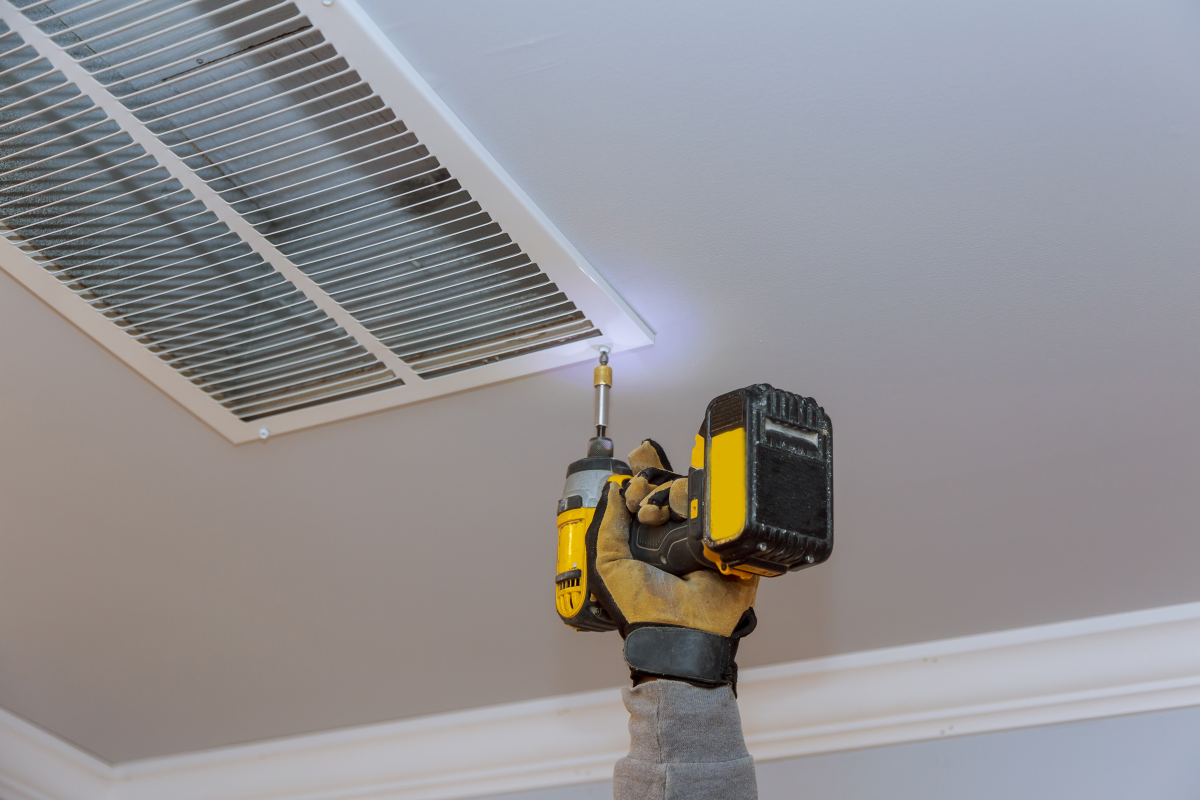
Every three months, you should schedule an HVAC technician to come to your home to evaluate your system and ensure that there aren't any blockages in your vents so that air can move freely through the ducts. Dust can build up over time, and if it's left unaddressed, it can cause issues with the system and even prevent it from running.

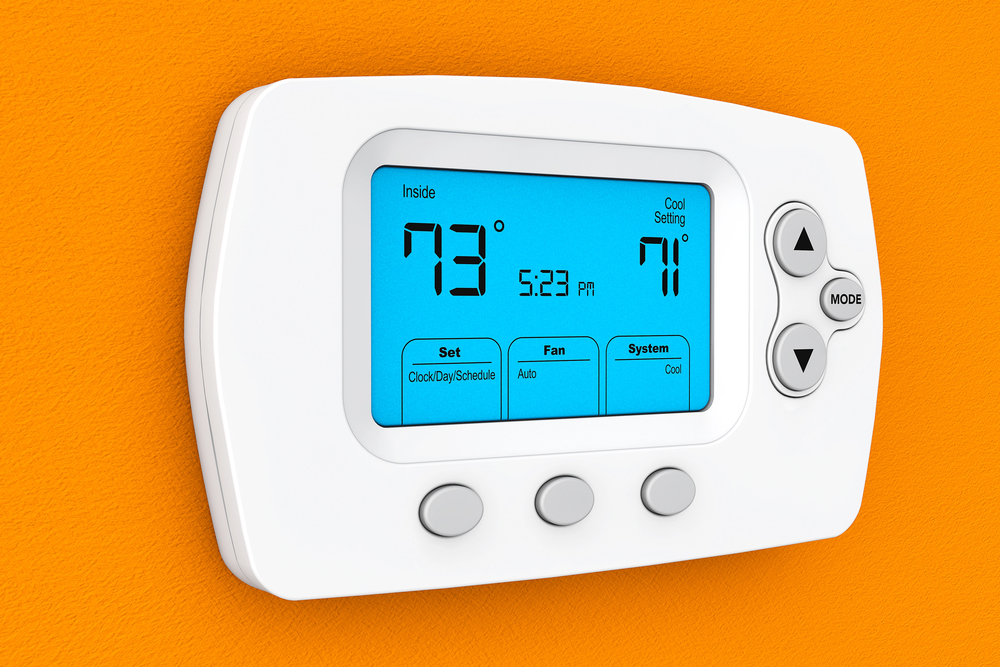
Each season, you should have technicians come to your home and evaluate your thermostat, test it to make sure it's working properly, and change the batteries if necessary. One of the benefits of seasonal HVAC preventative maintenance appointments is that they are an investment in your system and prevent issues that could leave you without a working HVAC system during the hottest or coldest times of the year.

Yearly Maintenance

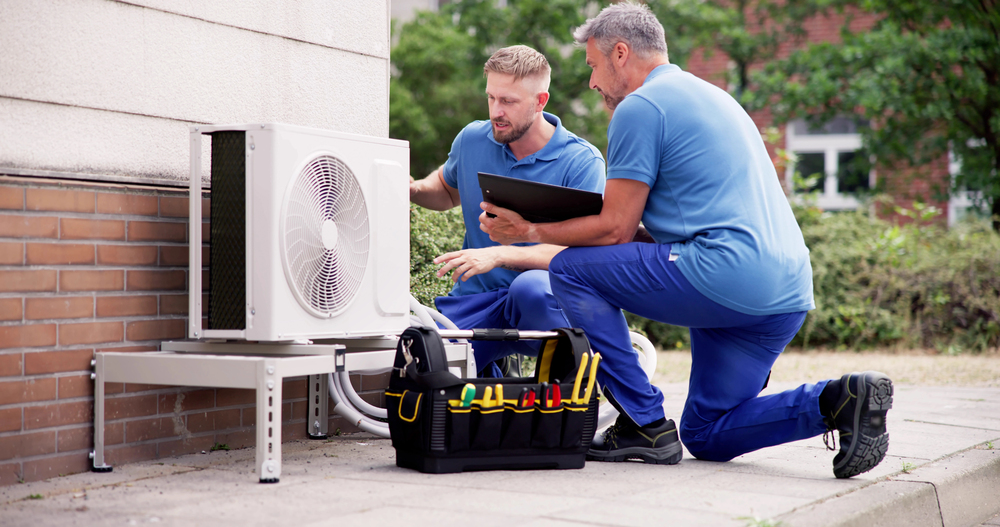
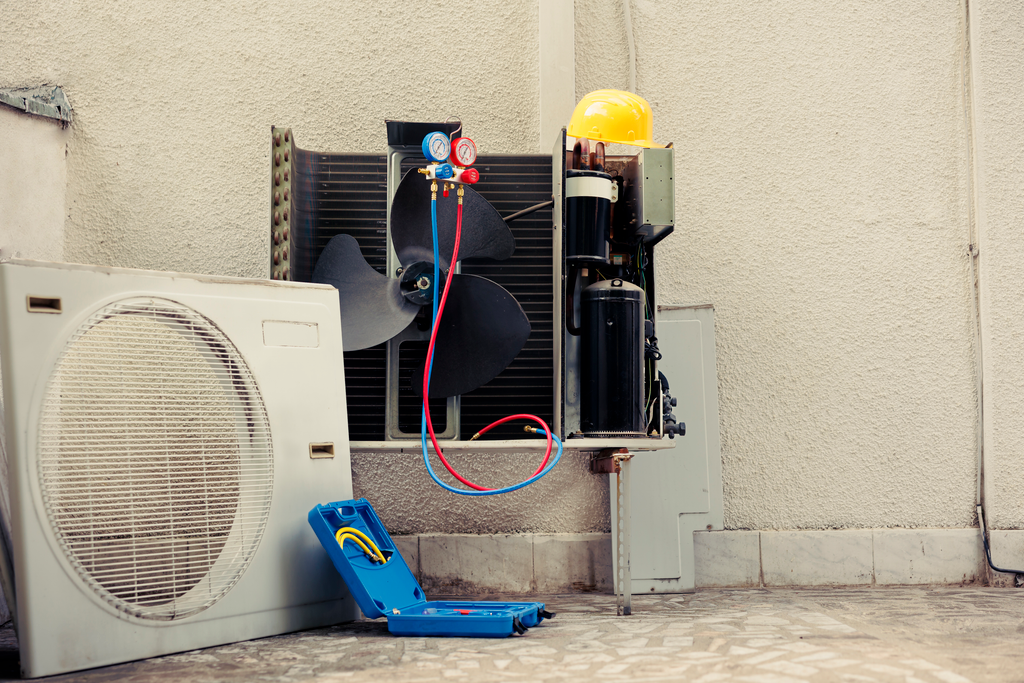
Each year, you should have professionals clean your HVAC unit to ensure it's free of any dirt and debris that could prevent proper airflow. Dirty coils can cause the line to freeze, resulting in an inoperable system. Technicians will evaluate every aspect of your unit and ensure that the fan, the lines, the coils, and other parts are all functioning exactly as they should.

Whether you don't remember the last time you scheduled maintenance for your HVAC system, or you're due for service, we can help. Our team of HVAC professionals specializes in HVAC tune ups, repairs, maintenance, installation, and more. We can meet all your HVAC needs and will provide you with the highest quality, most efficient work you can get in Alamo Heights, Stone Oak, & Shavano Park. Contact us today at Beluga Air in San Antonio, TX to schedule your appointment.
Recommended Posts

ductwork cleaning in Texas

How Does Duct Cleaning Improve Overall Comfort?

Can HVAC services actually make your home more comfortable? Yes, and duct cleaning benefits include fresher air, less dust in the house, less strain on you HVAC system, and more. HVAC Services That Restore Steady Airflow The Unseen Problem Your ducts carry the heated or cooled air from the system into every room you use, and every month, more and more dust, pet dander, and dirt settle along the interior walls of the ductwork. As that layer gradually thickens, it narrows the path the air has to travel. Eventually, you'll have certain vents pushing out weaker streams while others still feel strong. One room will stay warmer or cooler than the thermostat setting, and you find yourself walking around adjusting registers or adding a fan just to even things out. What Cleaning Does Once the buildup is removed, the open path for air lets the full volume of conditioned air reach the registers again. You'll feel the change as the temperatures even out across the house and the system no longer struggles against resistance, so it reaches the temperature you chose more quickly and holds it with fewer long cycles. Signs of a Problem Have you noticed: Low pressure at only some vents? Air that no longer feels as cold or warm as it used to in a particular room? A shift in how air moves after the system has been running for a while? A faint musty smell that returns even after you change filters? Any of these can be your clue that you're collecting too much gunk inside the air's pathways, and it's time to check things out. Other Duct Cleaning Benefits Less Dust When you get gunk out of the ducts, less of it recirculates every time the fan starts. You see fewer particles settling on your home's surfaces right after the system runs, and the air itself might even feel lighter when it reaches you. Better Smells Musty or stale odors that had settled into the pathways of your ducts will fade once their source is gone. This often means that rooms in the home stop carrying that “closed-in” smell that you can never seem to air-freshen away. Cooking smells get cleared away from the kitchen and dining areas faster, too. Faster Response Restricted ducts force your HVAC blower and coils to push harder. After the path gets opened up, however, the same amount of heating or cooling will move more air with much less effort. As a result, you'll notice shorter run times and more consistent delivery of the air. This keeps everything more comfortable and even helps with better sleep for the family. Contact us today at Beluga Air in San Antonio to have your ducts checked and cleaned. We'll bring that even comfort back. As a family-owned team, we know how important it is to your family that we get the job finished right the first time. Call us today at 210-201-4611 or book online and let us help you restore the airflow your house needs.

HVAC Refrigerant Leak Detection in Texas.

What Are the Signs of a Refrigerant Leak in Your System?

If you're noticing that your San Antonio home isn't staying cool like it used to, a refrigerant leak could be the culprit. Proper refrigerant leak detection can catch the problem before it gets worse. What's the Refrigerant Do? Refrigerant is what absorbs heat from the indoors and then releases it outside through a closed loop of coils and lines. When refrigerant levels drop because of a leak, your AC starts working harder, but it actually delivers less cooling power. You get the worst of all worlds: warm air coming from the vents, higher bills because the system is running longer, and potential damage to expensive components like the compressor. Refrigerant Leak Detection Our technicians use several tools to find leaks, which can be tricky to locate. First, there's electronic detectors. These can actually find refrigerant molecules in the air. We sweep probes along the lines, coils, and connections to see if there's any refrigerant gas out there, and these devices can pick up even small leaks that could otherwise be missed. We'll also do a visual inspection for any oily residue around fittings or on the floor near the indoor unit. Refrigerant often leaves greasy stains. We'll also listen for a hissing or bubbling noise, which is usually caused by escaping gas under pressure. We can also pressure test with nitrogen or use ultrasonic tools in some cases or even add a UV dye that glows under blacklight if we need to reveal an exact, tricky spot. Why Leaks Happen Think about your copper lines and coils. They have to deal with constant heat, humidity, and the occasional storm, and these all take a toll. And over the course of years, the tiny vibrations from the unit running start to loosen some of the connections. Formic acid corrosion gradually eats pinholes in the tubing, and poor installation or physical damage can also be a problem. Refrigerant doesn't get “used up” by normal operation, so if it's low, that means it has escaped somewhere. Preventing Leaks Good maintenance is the most important way to stop leaks. Schedule annual or semi-annual service so our technicians can clean the coils, check all the connections, and measure pressure levels. All that will allow us to spot if there are weak spots before the refrigerant escapes. And if we're there to always keep proper insulation on the lines, that'll greatly reduce condensation-related corrosion. Finding a leak early on will also keep your expenses down because a small leak repair costs a lot less to fix than a full compressor replacement or a revamp of the entire system. Plus, higher bills from inefficiency will add up fast in summer. Maintenance plans spread the costs out and keep them manageable, predictable, and as small as possible. If you spot any signs that your refrigerant is leaking, reach out to us here at Beluga Air today. We're San Antonio's trusted HVAC products and service company. Our techs are licensed, fully insured, background-checked, and go through weekly training to stay on top of the game.

Air Conditioning Thermostat Upgrade in Texas.

How Can You Tell If Your Thermostat Needs Calibration?

In the heat of South-Central TX, your thermostat is working hard to do its job and keep you comfortable. But over time, it can drift out of whack. If that happens, you might notice odd temperature swings or higher bills, and thermostat calibration might be the fix you need. Signs Your Thermostat Is No Longer Accurate Mismatched Rooms You set the temperature to 72, but one room feels like an oven and another stays chilly. When you have a big difference in temps, it could point to a thermostat that's reading the air temperature wrong. Your HVAC system ends up working overtime or not enough, and the result is uneven comfort across the house. The Thermometer Tells the Tale Place a reliable digital thermometer next to your thermostat on an interior wall, away from windows, vents, or direct sunlight. Give it 15 to 20 minutes with the system off, then compare the readings. A difference of more than one to two degrees usually means your thermostat needs some attention. Smaller variations are normal, but anything bigger is just a huge energy waste. Energy Bills Keep Climbing If your costs keep climbing, but you've not changed your habits and the outdoor weather is about the same, the system might be running longer than necessary because the thermostat isn't signaling to it correctly. You Hear the HVAC Going on and Off Too Much Frequent short cycling is another clue to watch for. If you hear the AC or heater kick on and off more often than usual, or if it runs constantly without reaching the set temperature, then something is definitely wrong. It could be that the control isn't communicating accurate information to the equipment. Thermostat Calibration Checking Temps Start with the simple thermometer test mentioned earlier. Use a good-quality device you trust, and verify your thermometer first with the ice water method: fill a glass with ice and a little water, stir, and wait a few minutes. It should read close to 32 degrees. Use the Calibration Screw For mechanical thermostats, carefully remove the cover after turning off power to the system, and look for a calibration screw or lever. Make very small turns to adjust the reading, then retest. Don't force anything. If you're unsure, stop and call for help. Digital Calibration Digital models will usually have instructions in the user manual for an offset or calibration mode. Many allow you to add or subtract a few degrees through the settings menu, too. Monitor Things After you make any adjustment, monitor your home for a few days to see if that fixed the problem. If it didn't, then the issue might lie elsewhere, like poor airflow, dirty filters, or duct problems. When to Call a Professional If your thermostat is very old, wired incorrectly, or part of a larger system issue, it makes sense to call us for professional service. We can check the entire setup, including wiring, sensors, and compatibility with your HVAC equipment. Regular maintenance also helps you catch these problems early. Call for Help Throughout South-Central TX If your thermostat is giving you issues, give us a call today at Beluga Air in San Antonio.

Get your free quote!

Call 210-468-6117 or fill out the form below