• Beluga Air

Blog / Indoor Air Quality

Blog

All Indoor Air Quality HVAC Air Conditioning Heat Beluga Air Service HVAC Repairs Insulation San Antonio HVAC Service HVAC Air Scrubbers HVAC Thermostat
HVAC Ventilation and Airflow

What Causes Low Airflow From Your Vents?

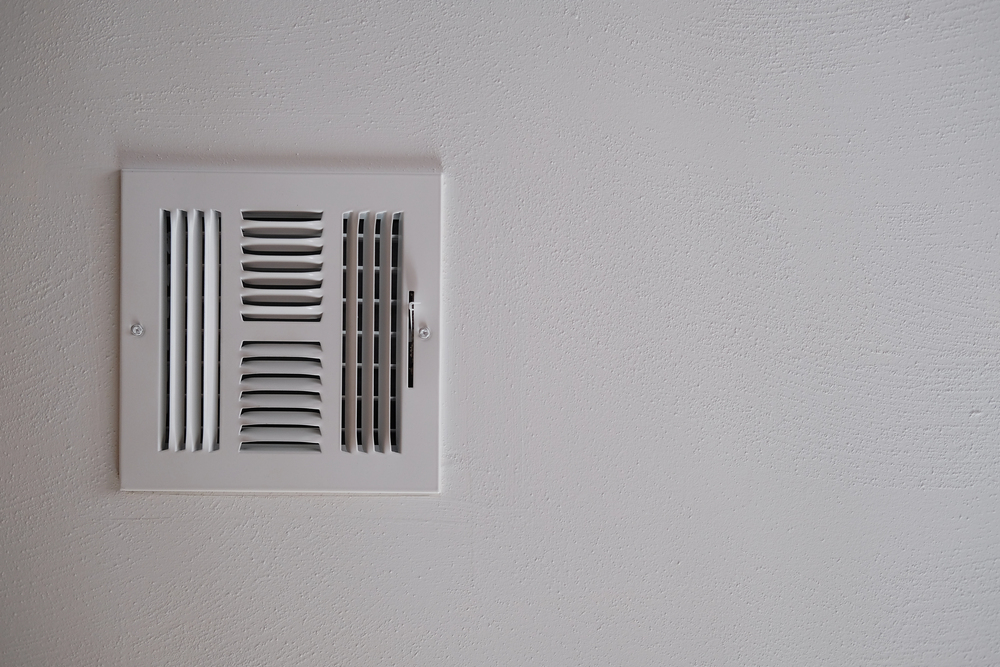
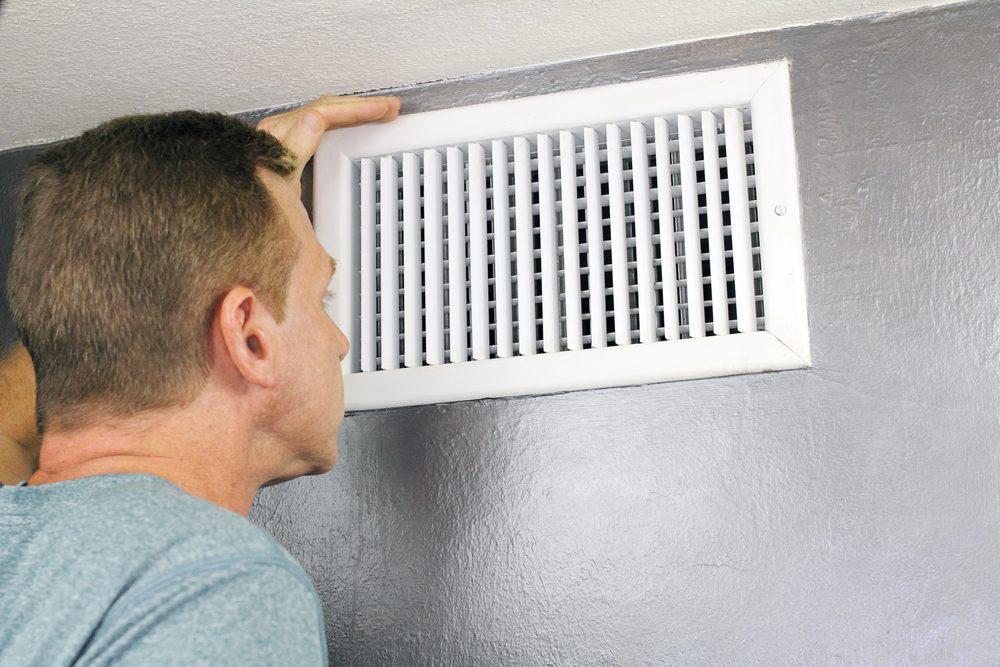
If you live in San Antonio, TX, and you're noticing weak air coming from your registers, we can help. At Beluga Air, we see this issue often during our service calls and know all the possible low airflow causes to check. Our goal is to make your home comfortable, fast. Common Low Airflow Causes Blockage more Your HVAC system moves air through a network of components, and when something blocks or weakens that flow at any point along the way, you'll feel it at the vents. One of the simplest and most frequent problems is a dirty or clogged air filter. As dust, pet hair, and debris pile up on the filter, it forces your blower to work harder while delivering less air to the rooms. The vents and registers themselves can also get blocked by furniture, rugs, or curtains, and even partially closed dampers inside the ductwork can reduce how much air reaches certain areas. Dirty Coils Dirty evaporator coils can cut down on your airflow significantly. These coils sit inside your air handler and cool the air as it passes over them. When dust and moisture build up on them, you've got a barrier that air struggles to move through. This not only weakens the breeze from your vents but can also lead to freezing on the coils. Ductwork Problems Leaky or damaged ducts are another major culprit. If air is escaping through holes, loose connections, or cracks before it ever reaches your living spaces, you'll have weak airflow at the vents even though the system is running at full blast. Older homes or those with ducts in attics or crawl spaces often face this issue. Undersized or crushed ducts can also create bottlenecks. If sections of your ductwork are too narrow, bent sharply, or collapsed, air pressure builds up and airflow drops. This is common in homes where additions were made without updating the HVAC design. Failing Parts If the blower motor is failing, the capacitor is weak, or the fan blades are dirty or unbalanced, you get reduced speed and volume. You may hear unusual noises or notice the system runs longer but doesn't cool like it should. Low Refrigerant Low refrigerant levels can indirectly cause low airflow by making the evaporator coil freeze over. When refrigerant leaks occur, the coil gets too cold and ice forms on them. Then you've got both a weak flow and less cooling power. We can fix the leaks and recharge the system properly. San Antonio, TX Challenges In San Antonio TX, our hot, humid summers put extra stress on HVAC systems, plus we have a lot of dust and pollen from our dry periods that add to both filter and coil buildup faster than people experience in milder climates. Homes here often also have ducts running through really hot attics, which can worsen leaks and insulation issues over time. If your vents are delivering less air than they should, reach out to us for help at Beluga Air. Our experienced technicians have been bringing reliable service to the San Antonio area since 2018.

We install hvac air scubbers in Alamo Heights, Texas

How Do HVAC Air Scrubbers Work, and Are They Worth the Investment?

Here in Alamo Heights, TX, we get plenty of heat and humidity, and that means mold can grow easily and allergens build up indoors because windows are closed to allow the AC to run. The answer to this problem is HVAC air scrubbers. These allow you to have fresh, clean air at all times. How HVAC Air Scrubbers Work more These devices attach to the ductwork in your home, and when the fan turns on, air gets drawn into the scrubber's chamber. Inside, a combination of ultraviolet light and a coated surface starts a reaction that changes water and oxygen molecules into active cleaners like hydrogen peroxide and hydroxyls. These cleaners then spread out into the rooms and break down bacteria, viruses, mold spores, and volatile organic compounds at the molecular level. Basic filters just trap dust, but this process actively destroys the harmful particles that are in the air as well as particles lingering on surfaces. The scrubber uses a honeycomb structure to maximize contact between the air and the reactive elements, and some models also include HEPA filters to catch larger debris before the chemical process kicks in. Best of all, the setup just runs automatically whenever your system circulates air, so you don't need a separate cleaner in every room. Understanding the Tech Ever wonder why outside air is cleaner than inside air? The sun has a lot to do with it, and that's the core tech behind these scrubbers. They use sunlight-mimicking light rays to create safe oxidizers that mimic natural outdoor cleaning processes. Once released, these oxidizers attach to pollutants and break them into harmless water and carbon dioxide. Benefits of Using Air Scrubbers The key advantage is better health through cleaner air. Scrubbers cut down on allergens like pollen and dust mites, reduce viruses and bacteria, and keep mold from growing. They also reduce odors from cooking, pets, or smoke. On top of that, having less dirt around means your HVAC equipment tends to last longer and need fewer repairs, and the efficiency improves because you need less energy to move air. Are They Worth the Investment? Scrubbers are an initial investment, and you'll also have to keep up with maintenance if you want to get all the benefits. If you forget to swap out the UV bulbs or let the filter get too full, the system won't do the job you got it to do. All that said, the benefits do really add up, and particularly if someone in your home struggles with asthma, has serious allergies, or is immunocompromised. These scrubbers get rid of up to 99% of common contaminants, which can make a huge difference to quality of life. And, over time, they make a difference in your energy bills and repair and replacement costs for the HVAC unit as a whole. Beluga Air Serves Alamo Heights, TX If you're considering a scrubber for indoor air quality improvements, want a quote or some advice, or need HVAC maintenance, contact Beluga Air in Bexar County today to learn more.

UV light is an essential component for maintaining a healthy environment.

What Are the Benefits of Installing UV Lights in Your HVAC System?

UV light is an essential component for maintaining a healthy environment. HVAC UV lights can make a huge difference to your San Antonio home. They kill bacteria and viruses before they can reach your family's lungs and control mold growth. Here's a full rundown of the benefits you can expect. The Benefits of HVAC UV Lights in San Antonio Homes Kills Bacteria more UV radiation distorts the DNA of bacteria and blocks its ability to send the protein signal that allows that bacteria to thrive. This means the bacteria eventually mutate and die. If any bacteria should manage to survive the UV light initially, the damage done to their amino acids makes it impossible for them to replicate or create the proteins they need to caused harm to us. Kills Viruses With viruses, the action is a little bit different. Again, the RNA or DNA of the virus itself is disrupted by the light, and while the virus sometimes technically remains alive, it becomes unable to infect a host cell. Tests have been done showing that UV light effectively neutralizes the viruses that cause pneumonia, E. coli, staph infections, yeast infections, and coronavirus, among many others. Destroys Mold With mold, UV light sends out high-energy photons that are absorbed by the DNA and RNA of the mold spores. This makes them unable to reproduce, so the mold eventually just dies out. To completely kill mold in one go, you have to have concentrated UV light on the pores for long enough, so the benefit of mold control with a UV light in your HVAC system is primarily that it prevents the growth of mold within the system itself, particularly the coils, pan, and ductwork, which often stay relatively moist and are otherwise prone to mold growth. Silent Protection Unlike noisy filters, UV light simply does the job without creating a lot of background noise that many people don't want in their homes. Perfectly Safe When the system is installed professionally, it's perfectly safe. The UV light is much like sunlight, but since it's all contained within the unit, there's no danger to you or your family. Technicians working on your unit should wear eye protection when the unit is open, but there's no other concern. Things to Know It's important to remember that the UV bulbs will need to be changed regularly, as they gradually lose their effectiveness. Talk with us about how often is appropriate with your unit. This can usually be done during regular servicing. It's also critical to remember that UV light doesn't affect dust and pet hair, which can be potent allergens for some people. You will still need a filter in the system to catch these types of allergens, and particularly if you have a family member with strong allergies or asthma issues. To find out what the UV light can do for you and your family, talk to us today at Beluga Air in San Antonio, TX. Our goal is to provide the best service in the city and set the standard for HVAC service.

Indoor Air Filtration for HVAC Units.

Can Improving Indoor Air Quality Help With Allergies and Respiratory Issues?

Most of us spend the majority of our time inside homes, offices, or other enclosed spaces these days, and that means the quality of the air we breathe indoors is now a critical factor in overall health. And for no one is this more true than those who suffer from allergies and respiratory issues. The good news is that improving your indoor air quality here in San Antonio is possible, and it's effective for those with respiratory concerns. Can Improving My San Antonio Indoor Air Quality Help With Allergies and Respiratory Issues? more Some of the common pollutants that lurk in our indoor air include volatile organic compounds (VOCs) released from household products like paints and furniture; biological contaminants like mold spores; and allergens, which come from dust, pests, pets. Even everyday activities that we have to engage in, like cooking, can introduce fine particles and gases into the air that irritate the lungs. These pollutants can trigger immune responses in sensitive individuals, and poor indoor air quality has been linked to a range of health problems, from mild breathing difficulties all the way up to increased hospital visits. When your indoor air is laden with irritants, your body's immune system goes into overdrive producing histamines. The lungs and airways are the first line of defense against inhaled pollutants, so chronic exposure can lead to inflammation, reduced lung function, and a higher susceptibility to infections like the flu or pneumonia. Here's how to deal with it: Get Better Ventilation One of the best things you can do is just get better ventilation: open windows when outdoor air is clean or use exhaust fans in kitchens and bathrooms. This fresh air exchange will dilute the indoor contaminants. However, if you live in a high-pollution area (like right up against a major road), you're in a building where windows can't open (like an office), or it's too hot or cold to open up (a lot of the year here!), mechanical ventilation systems with filters can achieve similar results. An HVAC system with high-efficiency particulate air filters (HEPA filters) will capture tiny particles like allergens and dust and improve life for everyone in the building. Keep Things Cleaned and Serviced Your HVAC system can do a lot, but not if it's full of dust. Regular cleanings are going to make a huge difference, but they have to be done right, without stirring up dust or driving it deeper into the system. At Beluga Air, we'll come do a careful assessment of your system, then use our advanced equipment to do a real deep clean. We don't shove dirt and dust deeper in: we remove it entirely. Then we'll sanitize your system to ensure no mold, bacteria, or their spores remain. To breathe more comfortably in your home or office, call us today at Beluga Air in San Antonio, TX. Check out our coupons section to save, and ​consider a membership with us, where you'll get your HVAC system tuned up each year along with a 10% discount, priority scheduling, two free service calls, our bio fresh ​treatment, and more.

Allergies in San Antonio

Allergies: How Your HVAC Can Save You 2024

Understanding Allergies and HVAC As spring approaches, so does allergies season. Pollen, dust, and other allergens become airborne and can make their way into our homes, causing discomfort for those with sensitivities. However, your Heating, Ventilation, and Air Conditioning (HVAC) system can be a powerful ally in the fight against these allergens. Let's explore how your HVAC system can help you breathe easier during the allergy season. Regular Maintenance One of the simplest yet most effective ways to ensure your HVAC is helping rather than hindering in your battle against allergies is regular maintenance. This includes cleaning and replacing air filters, which can trap pollen, dust, and other allergens. A clean filter not only improves air quality but also enhances the efficiency of your system. Upgrade Your Air Filters For Your Allergies While standard air filters can capture many allergens, upgrading to a high-efficiency particulate air (HEPA) filter can make a significant difference for allergy sufferers. HEPA filters are designed to capture 99.97% of airborne particles, including those as small as 0.3 microns, effectively reducing the presence of common allergens in your home’s air. Consider a Whole-Home Air Purifier For those with severe allergies, a whole-home air purifier that works in conjunction with your HVAC system may be worth the investment. These purifiers can remove a wide range of allergens and contaminants from the air throughout your entire home, instead of just one room like a standalone unit. Control Humidity Levels For Your Allergies Allergens such as mold thrive in moist environments. By controlling the humidity levels in your home with a dehumidifier, you can create an environment that's less hospitable to allergens. Many HVAC systems have built-in dehumidifiers or can be fitted with one to help maintain optimal indoor humidity levels. Seal Leaks and Ducts Leaky ductwork can introduce allergens and pollutants from unconditioned spaces into your home. Sealing these leaks and ensuring your ducts are clean can greatly reduce the amount of allergens that circulate through your HVAC system, thereby improving indoor air quality. Allergies in San Antonio Spring allergies can be a nuisance, but with a well-maintained and properly equipped HVAC system, you can reduce the allergens in your home and make the season more enjoyable. Consider these tips to enhance the air quality in your home and keep allergies at bay. Always consult with a professional for the best results and to ensure your system is up to the task. Article by Seasonal Comfort HVAC Co. - Your Partner in Creating a Healthier Home Environment.

Indoor Air Quality

Why Indoor Air Quality Matters For Your Well-being

Introduction In our modern-day sanctuaries, indoor air quality has emerged as a silent character in the narrative of our well-being. With an uptick in the chatter about the air we breathe indoors, it's clear that this invisible ally—or adversary—deserves a spotlight. This article is on a mission to propel the importance of indoor air quality into the limelight and tease out its effects on our health and well-being. Understanding Indoor Air Quality Think of indoor air quality (IAQ) as the grade your home's air would get on its report card. It's a measure that whispers the tale of particles and pollutants we cohabit with, some invisible, some odorous, and some downright mischievous. This unseen mischief-maker can be anything from dust bunnies hosting a party under your sofa to chemical culprits sneaking out from cleaning supplies. Let's not forget mold, that uninvited guest lurking in damp corners, waiting to crash the respiratory party. Now, if your air could talk, it might tell you how it's feeling a bit under the weather due to these uninvited guests. Poor IAQ is like a silent disco for allergens and irritants, sending out vibes that could stir up a range of health issues. We're talking about a lineup that includes respiratory problems, the sniffles and sneezes of allergies, and even throwing in a curveball to our mental health. And just when you thought it was safe to take a deep breath in your sanctuary! Effects of Indoor Air Pollution on Health The invisible nemesis lurking in our homes, indoor air pollution, can be as treacherous to our health as its outdoor counterpart. Short-term effects often masquerade as seemingly benign irritants – a sneeze here, a cough there, perhaps even a mysterious headache or a sudden wave of fatigue. These can be the body's immediate response to unseen invaders like dust, chemicals, and mold spores staging a coup on our well-being. Peering into the long-term impacts, the narrative becomes grimmer. Prolonged exposure to compromised air quality can orchestrate a symphony of health complications, from respiratory issues such as asthma to a heightened risk of cardiovascular diseases. Even our minds are not immune; mental health can also bear the brunt of air pollution, with studies suggesting a link between polluted indoor environments and an increase in anxiety and depression symptoms. Vulnerable Groups: Children, the elderly, and those with preexisting health conditions hold front-row tickets to the adverse effects of indoor air pollutants. Research Backs It Up: A plethora of studies corroborate the health detriments, cementing the urgency to address indoor air quality posthaste. Our homes should be sanctuaries, not hotbeds for health hazards. Recognizing the potency of indoor air pollution on health is the first breath towards cleaner, more vibrant living spaces. Benefits of Clean Indoor Air Imagine taking a deep breath and feeling a rush of pure, revitalizing energy. That's the magic of clean indoor air. It's a silent hero, enhancing our lives in ways we often take for granted. Let's peel back the curtain on how this invisible ally bolsters our health and well-being: Improved respiratory health: Clean air acts as a balm for our lungs, reducing the risk of asthma attacks and other respiratory issues. It's like a spa day for your airways—every day! Better sleep quality: Ever tried counting sheep but ended up counting coughs instead? Pristine indoor air can help you bid farewell to those restless nights, leading to a more peaceful slumber. Boosted productivity: A breath of fresh air can literally clear your mind, sharpening your focus and supercharging your efficiency. It's like caffeine for your brain, minus the jitters. Reduced absenteeism: In workplaces where the air sparkles with cleanliness, sick days plummet. Imagine a world where "I'm feeling under the weather" is as rare as a unicorn sighting. A haven of comfort: Your home becomes a sanctuary where every inhalation nurtures your well-being. It's like living in a bubble of bliss, and who wouldn't want that? With so many compelling benefits, it's clear that investing in clean indoor air isn't just about health—it's about crafting a life brimming with vitality and joy. So, let's raise a glass (of fresh air) to a healthier, happier existence! Conclusion As we draw the curtains on our exploration of the indoor air quality theater, let's take a moment to breathe in what we've learned. We've journeyed through the murky haze of pollutants, from dust mites holding a dance party in our living room to the vile mold spores plotting a takeover in damp corners. We've seen how these uninvited guests can crash our body's party, sparking allergies, whispering sweet nothings to respiratory issues, and even meddling with our mental health. The takeaway? Clean indoor air is more than a luxury; it's a cornerstone for our health and vitality. It's the unseen hero that can boost our productivity, give us the gift of better sleep, and provide a nurturing environment for those at the delicate edges of life—our children and the elderly. So, let's champion the cause of pristine air within our walls. By improving our indoor air quality, we're not just adjusting the thermostat for comfort—we're setting the stage for a healthier, happier existence. Take a deep breath, and let's make each one count!

HVAC Allergies

Allergies 2023: HVAC Can Help Prevent You From Getting Sick

Allergies On The Rise! As the seasons change, many people find themselves struggling with allergies. The sudden blooming of flowers and trees, along with the increase in pollen and other allergens in the air, can make life uncomfortable and miserable. These allergies can range from minor irritations to serious health concerns, making it crucial to take preventive measures. Your HVAC system can play a significant role in alleviating these symptoms and helping you stay healthy and comfortable in your home. In this article, we will discuss the impact of changing seasons on allergies and how your HVAC system can help prevent you from getting sick. By understanding the importance of HVAC maintenance and implementing a few simple tips, you can enjoy an allergy-free home all year round. How HVAC Systems Help Alleviate Allergies HVAC systems play a crucial role in helping to alleviate allergies caused by the changing seasons. One way they do this is by using high-MERV filters to filter household air. These filters have a higher efficiency in removing allergens such as pollen, dust, and pet dander from the air. In addition to high-MERV filters, in-line air purification and air scrubbing devices can also be installed in an HVAC system. These devices work by using UV light or electrostatic charges to eliminate bacteria, viruses, and other harmful particles from the air. Regularly clearing ductwork of allergens is also important. This can be done by hiring a professional to clean the ducts or using a vacuum with a HEPA filter to remove any accumulated dust, mold, or debris. Maintaining proper humidity levels in the home can also prevent the growth of mold and other allergens. By utilizing these methods, homeowners can ensure that their HVAC system is helping to alleviate their allergies and providing a healthy environment for their family. Other Allergy Factors to Consider Aside from maintaining a clean and well-functioning HVAC system, there are other important factors to consider when it comes to preventing allergies in your home. These factors can greatly impact the air quality and overall health of your household. It's important to be aware of these issues and take proactive measures to address them. Detecting Mold Growth One major concern with HVAC systems is the potential growth of mold. Mold can cause serious health problems, particularly for those with allergies. It's important to be able to detect mold growth in your HVAC system and take swift action to remove it. Some warning signs of mold growth include musty odors, visible mold growth, and unexplained health issues. If you suspect mold growth in your system, it's important to contact a professional for thorough cleaning and disinfection. Critters Living in Ducts or Outdoor Vents Another issue that can greatly impact the efficiency and air quality of your HVAC system is the presence of critters in the ducts or outdoor vents. These critters can carry allergens and bacteria into your home, causing potential health hazards. It's important to regularly inspect and clean your ducts and vents to prevent critters from entering and causing damage. Excessive Dirt Buildup Excessive dirt buildup in your outdoor unit can also impact the efficiency of your HVAC system. It's important to regularly clean and maintain your outdoor unit to ensure proper airflow and functioning. This will not only help prevent allergies, but also prolong the life of your system. By addressing these other factors and taking proactive measures, you can ensure a clean and allergy-free home with the help of your HVAC system. Regular maintenance and cleaning are key in preventing allergies and promoting a healthy living environment for you and your family. What You Can Do To Prevent Allergies In conclusion, taking measures to prevent allergies is crucial, especially during the changing seasons. HVAC systems can play a significant role in keeping your home free of allergens. By using high-MERV filters, in-line air purification devices, and regularly clearing ductwork, you can reduce the presence of allergens in your home. Additionally, controlling humidity levels and detecting and addressing mold growth are essential for maintaining an allergy-free home. Critters and excessive dirt buildup can also impact the efficiency of your HVAC system, so it's important to address these issues as well. By keeping up with regular maintenance and cleaning, your HVAC system can help prevent you from getting sick due to allergies. Remember, a healthy home starts with a well-maintained HVAC system.

2023 Cold Winter IN San Antonio Texas

What Texans Need To Know: A Forecast Of An Unseasonably Cold Winter In 2023-2024

An Unseasonably Cold Winter Is Coming It looks like Texans will need to brace themselves for a potentially severe winter in 2023-2024. According to the Farmers’ Almanac, which has been predicting weather patterns for over 200 yrs, there’s a good chance of an unseasonably cold winter with potential for ice and sleet, as well as a possible major storm slated for mid-January. This is largely due to the effects of El Niño, the weather phenomenon caused by weaker trade winds pushing warm water toward North and South America. These conditions make for colder and wetter weather, and this winter could last through the month of March and into early April 2024. It’s no surprise that Texans need to be ready for an extended period of cold weather, especially after the heat we've seen all summer. But with the proper preparation, you don’t need to suffer from the cold. Now is the time to make sure you’re ready for the winter ahead. That way, you can stay warm and safe even during the most severe winter storms this year can throw at us. How to Prepare for the Oncoming Cold To prepare for the cold season, Texans should take the necessary steps to winterize their homes and equip themselves with strategies for staying warm and safe. One of the most important steps to take is winterizing your home. Start by checking your home for any gaps around windows or drafts in the walls and seal them off. These small gaps and cracks around windows and doors can let a lot of heat out of your home. As we know heat rises and moves around, it will find any gap it can to escape your home. making sure your home is sealed up helps keep all that heat inside. Make sure your furnace is on and working properly, and check that all vents are clean and free of dust and debris. If you have a fireplace, have it inspected and cleaned in case you need to use it during the winter months. Another great way to prepare for the cold weather is to install attic insulation. Attic insulation will help keep your home warm and reduce your heating costs. READ MORE about attic insulation & how it can save you money all year long. It’s also a good idea to invest in a space heater, as they’re relatively inexpensive and can help you stay comfortable during the winter months. A programmable thermostat can also help you maintain a consistent temperature inside your home. Finally, installing storm windows or plastic sheets can help by making an air buffer between your window and the outside cold. We hope that this article helps provide useful tips and that you stay warm and safe this winter!

Mold Season

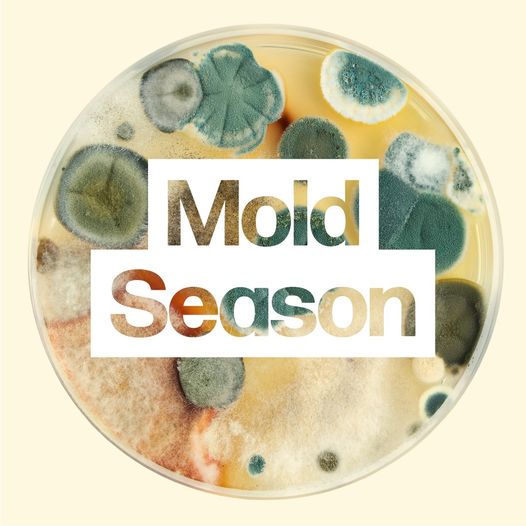
Mold Season In San Antonio: How To Stay Healthy

Identifying Signs of Mold Mold season in San Antonio can be a dangerous time for residents, as the warm and humid climate in the area creates an ideal environment for the growth of mold. It is important to be able to recognize the signs of mold in order to protect yourself and your family from its potential health risks. Mold growth in a home is often visible on walls and ceilings in the form of dark spots or discoloration. The growth may also be present on other surfaces including carpets, fabric, and furniture. In addition to visible signs, mold may also cause a musty odor in the home which can be an indicator of its presence. While the most common places for mold growth are areas with high humidity, it can also be found in other parts of the home including attics, basements, and crawl spaces. As mold grows, it can spread from the original source to other areas of the home if not addressed quickly. Mold can also hide in various places that may not be visible to the naked eye. This includes behind wallpaper, in air conditioning vents, and in the insulation of walls and ceilings. It is important to inspect all areas of the home for signs of mold, as it can be present in areas not normally visible. By being able to identify the signs of mold in your home, you can take the necessary steps to reduce its potential health risks. Knowing where to look and being aware of the potential signs of mold can help you stay safe during San Antonio’s mold season. Understanding Health Risks of Mold When it comes to the health risks associated with mildew, it is important to understand what you are dealing with. Mold can cause a range of health issues, ranging from allergic reactions to more serious respiratory illnesses. It is important to be able to identify the signs of mildew infestation and to know how to protect yourself from the risks associated with it. Mold can cause allergic reactions, such as a runny nose, watery eyes, and skin irritation. In more severe cases, exposure can lead to asthma attacks and other respiratory illnesses. People with weakened immune systems or pre-existing respiratory conditions, such as COPD, are at an increased risk of developing more serious complications from exposure. In addition to the physical symptoms of mildew exposure, it can also have negative psychological effects such as stress, anxiety, and depression. It can also emit some chemicals that are known to be neurotoxic, meaning that they can affect the nervous system and cause neurological issues. Since mold can grow in a wide variety of places, it is important to know what to look out for in order to identify potential sources of it in your home. Mildew growth can be easily identified by discoloration or dark spots on walls and other surfaces. It is also important to look out for any musty odors, which are often associated with growth. Given the variety of health risks associated with mold, it is important to take steps to protect yourself from the dangers of exposure. Proper hygiene is essential to avoiding health complications associated. This includes washing your hands regularly, avoiding contact with potential sources of mildew, and wearing protective clothing when cleaning areas that are prone to mildew season in San Antonio can be a dangerous time for residents, as the warm and humid climate in the area creates an ideal environment for the growth of mold growth. By understanding the health risks associated with mold and taking the necessary steps to protect yourself, you can ensure a healthy and safe living environment during allergy season in San Antonio. Protecting Yourself During Mold Season Mold season in San Antonio may bring an increased risk of health complications, but it doesn’t have to. It is possible to reduce your exposure to it and minimize your risk of health complications. Here are several strategies for reducing your exposure to mold and stay healthy during allergy season in San Antonio. First, it is important to identify where mildew is likely to be found in your home. Check for moisture or water damage in areas such as bathrooms, kitchens, basements, and attics, as these are all places where it can hide. Be sure to remove any visible mildew with a bleach solution. Be aware of hidden sources of moisture and water in your home, such as leaky pipes, and make sure to have them repaired to avoid further growth. Second, with the increased mold season in San Antonio, it is important to recognize the symptoms of mold exposure. These include coughing, sneezing, itchy skin, eye irritation, and breathing difficulties. If you experience any of these symptoms, it is important to consult your doctor for further investigation and treatment. Third, it is important to practice good hygiene during mold season. Make sure to shower regularly and wash your hands often. This will help reduce your risk of exposure to mold and also minimize the spread of any illnesses. Additionally, it is important to practice good air quality management in your home. Make sure to keep your home well-ventilated by opening windows and doors when possible. Additionally, consider investing in an air purifier to help reduce the presence of mold in your home. Finally, be aware of your environment and take measures to reduce your risk of exposure. Avoid areas that may be prone to mold growth, such as damp basements and outdoor areas with large amounts of foliage. Additionally, wear protective clothing when spending time outdoors, such as covering your skin and face with a scarf or mask. Conclusion Mold season in San Antonio comes with its own set of challenges, but there are ways to stay healthy during this time. By recognizing the signs and understanding the health risks associated with it, you can protect yourself during this time. It is important to keep an eye out for signs, such as musty smells, discoloration, or peeling paint. It can be found in areas of high humidity and can cause a variety of health problems, ranging from respiratory issues to skin conditions. To reduce your exposure, make sure to keep your home clean and well-ventilated. Check for any signs of regularly, especially in areas with high humidity. You may also want to consider using dehumidifiers or air purifiers to help reduce the amount of mold in your home. In conclusion, mold season in San Antonio can be a difficult time, but with the right strategies, you can stay healthy. By recognizing the signs, understanding the health risks associated with it, and taking the proper precautions, you can keep yourself safe and healthy during this time.

Beluga Air Solar Exhaust Fans

How Solar Exhaust Fans Revolutionize HVAC Performance

Attic fans Can help tremendously for a fraction of the cost of a new system! What is a Solar Exhaust Fan? Have you ever noticed your attic getting too hot during the summer months and wondered what you could do to improve the efficiency of your HVAC system? The solution may be a solar exhaust fan. A solar exhaust fans is a device that is powered by the sun’s energy and helps to draw the hot air out of your attic and create a balanced temperature in your home. This helps to reduce the strain on your HVAC system and make it more efficient. Solar exhaust fans are designed with a special motor that is powered by a solar panel. The fan helps to draw out the hot air from the attic and draw in the cooler air from outside. This helps to create a balanced temperature in your attic and home. The fan is also equipped with a thermostat that helps it to operate when the temperature reaches a certain point. This helps to ensure that your attic doesn’t get too hot and that the air in your home is comfortable. Revitalizing Your HVAC System The solar exhaust fan is powered by the sun, so it is an energy efficient way to help your HVAC system. The fan works by collecting energy from the sun and using it to create a steady flow of air. This helps to reduce the amount of energy that is needed to power your HVAC system, which can save you money on your electric bill. The solar exhaust fan also helps to reduce the amount of strain on your HVAC system by reducing the amount of air that needs to be heated or cooled. This can help to reduce the need for costly repairs and maintenance of your HVAC system. Another advantage of the solar exhaust fan is that it can help to reduce the amount of dust and debris in the home. By reducing the amount of dust and debris, it can help to extend the life of your HVAC system. By installing a solar exhaust fan, you can be sure that your HVAC system is working to its full potential. Not only does it help to reduce energy costs, but it also helps to improve the performance of your system, reduce strain on it, and extend its life. With the help of a solar exhaust fan, you can be sure that your home is as comfortable and energy efficient as possible. The Solar Exhaust Fan Advantage Solar exhaust fans are revolutionizing HVAC performance, and it’s easy to understand why. They offer numerous advantages for homeowners looking to maximize their air conditioning and heating efficiency. Powered by the free and renewable energy of the sun, solar exhaust fans are environmentally friendly and energy efficient. Solar exhaust fans also offer advantages over traditional exhaust fans. Traditional exhaust fans require an electricity connection and are powered by your home’s electrical grid. This can increase your monthly energy costs. Solar exhaust fans, on the other hand, use the free energy of the sun to power their operation. This eliminates the need for any additional electricity, and saves you money in the long-run. Other advantages of solar exhaust fans include reduced repair costs and greater energy efficiency. Traditional exhaust fans are prone to wear and tear over time, which can lead to costly repairs. Solar exhaust fans, however, are designed for long-term use and are generally more durable. This helps to reduce any repair expenses and maximize the efficiency of your HVAC system. Solar exhaust fans also use the sun’s energy to maximize efficiency. By using natural sunlight, solar exhaust fans produce less heat energy than traditional exhaust fans, and require less energy to operate. This means that you can save on your monthly energy bills, and enjoy improved HVAC performance. Conclusion A solar exhaust fan is an efficient and cost-effective way to revitalize your home’s HVAC system and help ensure its performance and longevity. It works by using free energy from the sun to remove hot air from the attic, which helps your heater and AC system run more efficiently and effectively. By installing a solar exhaust fan, you can save money on energy bills and reduce the cost of repairs and maintenance. Don’t wait any longer. Make the switch now and start reaping the benefits of a solar exhaust fan. Let Beluga Air be your guide to improved HVAC performance and enhanced energy efficiency. Make the call and start saving money and the environment today.

The Importance of Air Filters

San Antonio Ac - The Importance of Air Filters

San Antonio Ac Repair Ac Repair in San Antonio is very important to making sure your unit is efficient. When it comes to keeping your indoor air clean and safe to breathe, air filters are an essential part of the equation. Without them, your HVAC system is unable to properly circulate air throughout your home, leading to air debris and potentially dangerous indoor air pollution. Air filters are designed to capture dust, dirt, and other airborne particles that could cause harm to the inhabitants of a home. For this reason, it is important to understand the importance of air filters in your home and why regularly changing them is a necessity. Why Change Your Air Filters Regularly? Everyone should take proper steps to ensure that their home’s air quality is maintained in the best state possible. This includes replacing the air filters at regular intervals. Regular air filter changes are important for numerous reasons, both for health and energy efficiency. Having clean air filters is a crucial part of indoor air quality. The filter helps to prevent dust, dirt, and pollen from entering the air you breathe. Without regular filter changes, airborne particles can build up in your home's air, causing health issues such as allergies or asthma symptoms. Besides health benefits, air filter changes can also contribute to energy savings. Air filters that are clogged with particles can block airflow to the system and force the system to burn more energy to keep up with temperature demands. Common air filter problems include clogged air filters and poorly installed air filters. Clogged air filters can be caused by pet dander, dust, and other air pollutants coming into your home. Poorly installed air filters can lead to air leakage and reduce the effectiveness of the air filter. To maintain air filter quality, it is important to regularly check the air filters for clogs or other defects. When it comes to air filter replacement, it is recommended to check and replace them at least once every three months. However, this interval can vary depending on factors such as the size of your home, amount of indoor air pollution, and the number of pets in the household. A good indicator of when it is time to change your air filter is when it looks visibly dirty or clogged. This is usually a sign that the air filter is no longer able to adequately capture airborne particles. When Should You Change Your Air Filters? It is important to know when to change your air filters to keep your home's air quality safe and efficient. The recommended replacement interval for air filters is typically every three months, although this interval can vary depending on the size of the filter, as well as the air quality of your home. Factors such as smoking, pets, and allergies can all play a role in when you should replace your air filter. For example, if you have pets or smoke in your home, you may want to consider changing your filter more frequently. Common signs that you may need to change your air filter include reduced air flow, an increase in dust accumulation, and a noticeable difference in the smell of the air in your home. Additionally, if your filter is visibly dirty, this can indicate that it is time to replace it. Another important factor to consider when changing your air filter is the type of filter you are using. Homeowners should consider purchasing higher quality filters, such as those with a higher MERV rating, which stands for Minimum Efficiency Reporting Value. Higher MERV filters are designed to effectively capture smaller particles from the air, resulting in cleaner air throughout the home. San Antonio Ac Repair: Beluga Air When it comes to maintaining your air filters and ensuring your home is comfortable, you need the help of a professional. At Beluga Air, we provide top-notch San Antonio Ac Repair. We can help you with all of your air filter needs, from installation to regular maintenance and replacement. Our team of highly trained professionals can inspect, replace, and repair any air filter for you. With our thorough inspection process, we can identify any potential problems and make sure your air filter is running smoothly. We can also offer tips and advice on how to maintain the quality of your air filter.

AC Repair San Antonio: Common Issues To Watch Out For 2023

AC Repair San Antonio: Common Issues To Watch Out For 2023

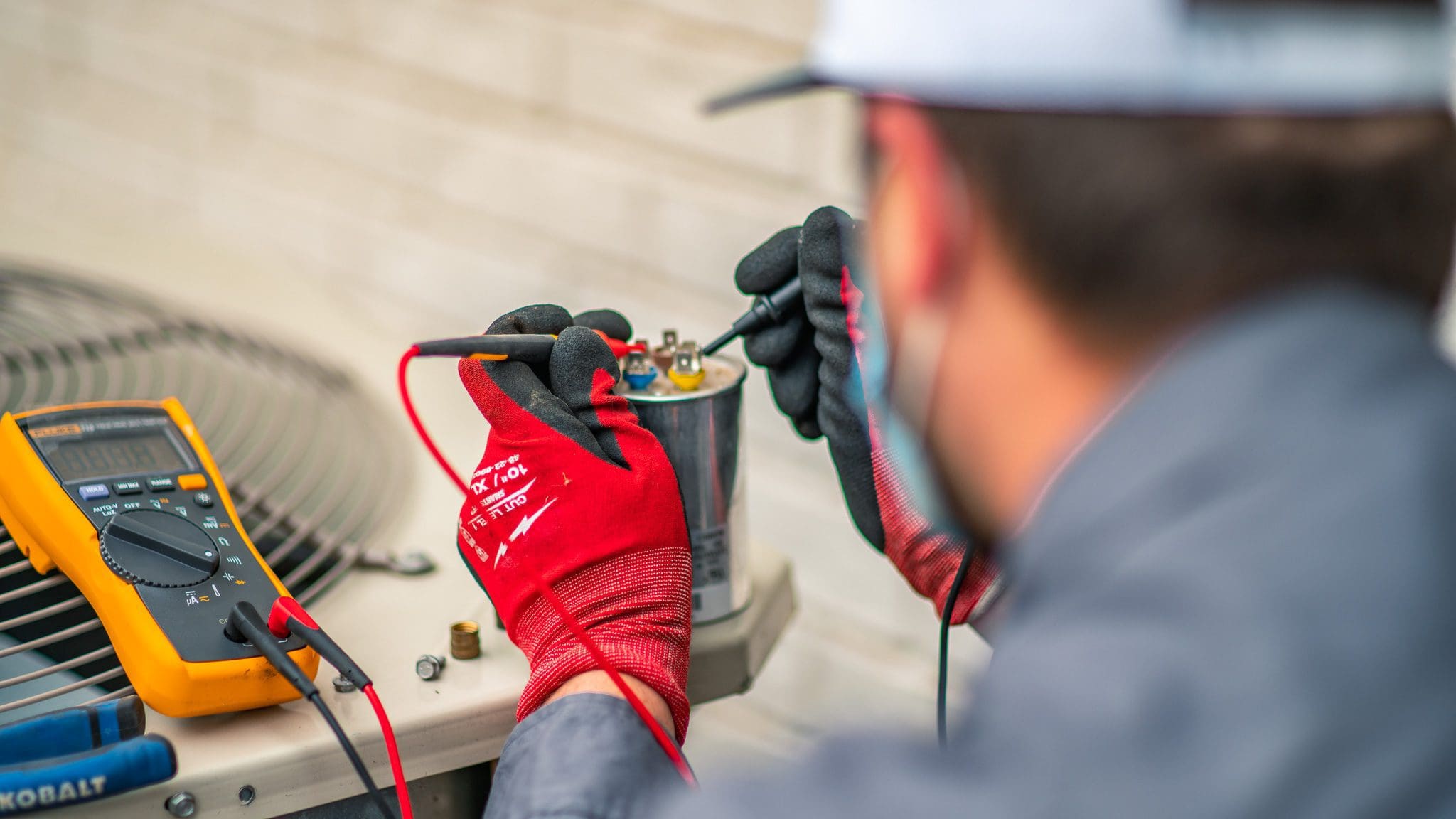
Introduction Whether you live in San Antonio or elsewhere, you want to make sure your AC is always running at its best. But when it comes to small AC repair in San Antonio, it can be hard to know what steps to take. That's why it's important to be aware of common small AC problems and understand what you can do to fix them. In this article, we'll discuss some of the most common small AC repair issues in San Antonio and what you can do to prevent them. We'll also take a look at what routine maintenance can do to keep your AC in top shape. Finally, we'll look at Beluga Air’s excellent air conditioner repair services and solutions for any small issue. So if you're looking to keep your air conditioner running smoothly, read on to learn more about common AC issues and how to solve them. You'll have the peace of mind knowing that your AC unit is running at its optimal level and you're prepared for any small AC repair issues. Common AC Problems One common issue is an AC unit that won’t turn on. This could be due to a tripped breaker or a faulty capacitor. A tripped breaker can be easily reset and if the issue persists, it could be a sign of a faulty capacitor and may require further inspection and service. Clogged air filters can also be a cause of the AC unit not turning on. Regularly replacing air filters can help prevent this issue and keep air circulating. Another common AC repair issue is a leaking unit. This can be caused by different issues such as a cracked condensation line or a clogged drain pipe. Regularly inspecting and draining your air conditioner’s drain pipe can help prevent this issue. It is also important to keep an eye on the condensation line to ensure it is not cracked or damaged. A third common AC repair issue is a unit that is not cooling efficiently. This can be due to a variety of reasons such as a clogged condenser coil, a fan that is not running properly, or a refrigerant leak. Inspecting the condenser coil and fan, and ensuring the refrigerant levels are full, can help prevent this issue from occurring. Finally, the thermostat can be a source of AC repair issues. If the thermostat is not functioning correctly, it can cause the unit to not turn on or to not cool as efficiently. This is an issue that can easily be fixed by simply changing the batteries or upgrading the thermostat. By being aware of these common AC repair issues and taking the right preventive measures, you can help ensure that your unit is running at its best and avoiding any unwanted repair bills. Regular maintenance and inspections can go a long way in preventing small AC repair issues from becoming larger problems. Beluga Air provides top-notch AC repair services and solutions to ensure that your unit is running smoothly and efficiently. Beluga Air: Ac Repair San Antonio When it comes to keeping your air conditioning unit running smoothly, regular maintenance and awareness of common small AC repair issues are key. From clogged drains to worn capacitors, small AC issues can quickly become bigger problems if not properly addressed. Fortunately, if you’re in San Antonio, Beluga Air is here to help. Our team of experienced technicians are experts in AC repair and can help troubleshoot any small issue you may be facing. We offer a variety of services that can help prevent small issues from becoming more serious, including regular inspections and maintenance to ensure your unit is running efficiently. We understand that your air conditioning unit is an important part of your home and should be handled with care. That’s why our team works hard to provide top-notch repair services and solutions that you can trust. We are proud to provide quality services that will help keep your unit running smoothly. At Beluga Air, we take pride in being able to provide the best AC repair services in San Antonio. We understand the importance of proper maintenance and are dedicated to helping our customers maximize the lifespan of their air conditioning units. With our experienced technicians and high-quality services, we are dedicated to providing our customers with the best repair solutions available.

Contact Us

Fill out this form below and we'll contact you shortly
*Required Fields

Get your free quote!

Call 210-468-6117 or fill out the form below