
• Beluga Air

Blog / Indoor Air Quality

Allergies 2023: HVAC Can Help Prevent You From Getting Sick

HVAC Allergies

Allergies On The Rise!

As the seasons change, many people find themselves struggling with allergies. The sudden blooming of flowers and trees, along with the increase in pollen and other allergens in the air, can make life uncomfortable and miserable. These allergies can range from minor irritations to serious health concerns, making it crucial to take preventive measures. Your HVAC system can play a significant role in alleviating these symptoms and helping you stay healthy and comfortable in your home. In this article, we will discuss the impact of changing seasons on allergies and how your HVAC system can help prevent you from getting sick. By understanding the importance of HVAC maintenance and implementing a few simple tips, you can enjoy an allergy-free home all year round.

How HVAC Systems Help Alleviate Allergies

HVAC systems play a crucial role in helping to alleviate allergies caused by the changing seasons. One way they do this is by using high-MERV filters to filter household air. These filters have a higher efficiency in removing allergens such as pollen, dust, and pet dander from the air.

In addition to high-MERV filters, in-line air purification and air scrubbing devices can also be installed in an HVAC system. These devices work by using UV light or electrostatic charges to eliminate bacteria, viruses, and other harmful particles from the air.

Regularly clearing ductwork of allergens is also important. This can be done by hiring a professional to clean the ducts or using a vacuum with a HEPA filter to remove any accumulated dust, mold, or debris. Maintaining proper humidity levels in the home can also prevent the growth of mold and other allergens.

By utilizing these methods, homeowners can ensure that their HVAC system is helping to alleviate their allergies and providing a healthy environment for their family.

Other Allergy Factors to Consider

Aside from maintaining a clean and well-functioning HVAC system, there are other important factors to consider when it comes to preventing allergies in your home. These factors can greatly impact the air quality and overall health of your household. It's important to be aware of these issues and take proactive measures to address them.

Detecting Mold Growth

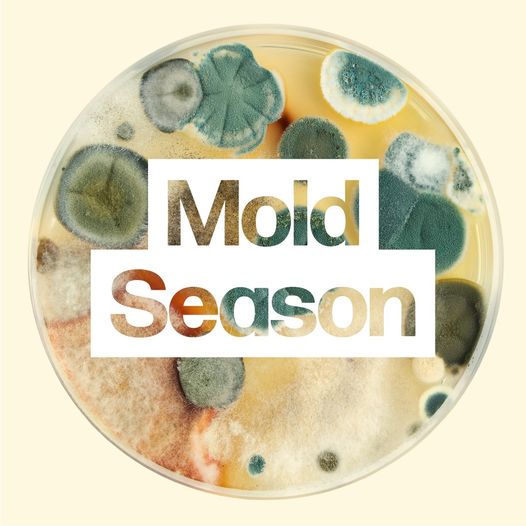
One major concern with HVAC systems is the potential growth of mold. Mold can cause serious health problems, particularly for those with allergies. It's important to be able to detect mold growth in your HVAC system and take swift action to remove it. Some warning signs of mold growth include musty odors, visible mold growth, and unexplained health issues. If you suspect mold growth in your system, it's important to contact a professional for thorough cleaning and disinfection.

Critters Living in Ducts or Outdoor Vents

Another issue that can greatly impact the efficiency and air quality of your HVAC system is the presence of critters in the ducts or outdoor vents. These critters can carry allergens and bacteria into your home, causing potential health hazards. It's important to regularly inspect and clean your ducts and vents to prevent critters from entering and causing damage.

Excessive Dirt Buildup

Excessive dirt buildup in your outdoor unit can also impact the efficiency of your HVAC system. It's important to regularly clean and maintain your outdoor unit to ensure proper airflow and functioning. This will not only help prevent allergies, but also prolong the life of your system.

By addressing these other factors and taking proactive measures, you can ensure a clean and allergy-free home with the help of your HVAC system. Regular maintenance and cleaning are key in preventing allergies and promoting a healthy living environment for you and your family.

What You Can Do To Prevent Allergies

In conclusion, taking measures to prevent allergies is crucial, especially during the changing seasons. HVAC systems can play a significant role in keeping your home free of allergens. By using high-MERV filters, in-line air purification devices, and regularly clearing ductwork, you can reduce the presence of allergens in your home. Additionally, controlling humidity levels and detecting and addressing mold growth are essential for maintaining an allergy-free home. Critters and excessive dirt buildup can also impact the efficiency of your HVAC system, so it's important to address these issues as well. By keeping up with regular maintenance and cleaning, your HVAC system can help prevent you from getting sick due to allergies. Remember, a healthy home starts with a well-maintained HVAC system.


Posted in:

Related Posts

Allergies in San Antonio

Allergies: How Your HVAC Can Save You 2024

Understanding Allergies and HVAC As spring approaches, so does allergies season. Pollen, dust, and other allergens become airborne and can make their way into our homes, causing discomfort for those with sensitivities. However, your Heating, Ventilation, and Air Conditioning (HVAC) system can be a powerful ally in the fight against these allergens. Let's explore how your HVAC system can help you breathe easier during the allergy season. Regular Maintenance One of the simplest yet most effective ways to ensure your HVAC is helping rather than hindering in your battle against allergies is regular maintenance. This includes cleaning and replacing air filters, which can trap pollen, dust, and other allergens. A clean filter not only improves air quality but also enhances the efficiency of your system. Upgrade Your Air Filters For Your Allergies While standard air filters can capture many allergens, upgrading to a high-efficiency particulate air (HEPA) filter can make a significant difference for allergy sufferers. HEPA filters are designed to capture 99.97% of airborne particles, including those as small as 0.3 microns, effectively reducing the presence of common allergens in your home’s air. Consider a Whole-Home Air Purifier For those with severe allergies, a whole-home air purifier that works in conjunction with your HVAC system may be worth the investment. These purifiers can remove a wide range of allergens and contaminants from the air throughout your entire home, instead of just one room like a standalone unit. Control Humidity Levels For Your Allergies Allergens such as mold thrive in moist environments. By controlling the humidity levels in your home with a dehumidifier, you can create an environment that's less hospitable to allergens. Many HVAC systems have built-in dehumidifiers or can be fitted with one to help maintain optimal indoor humidity levels. Seal Leaks and Ducts Leaky ductwork can introduce allergens and pollutants from unconditioned spaces into your home. Sealing these leaks and ensuring your ducts are clean can greatly reduce the amount of allergens that circulate through your HVAC system, thereby improving indoor air quality. Allergies in San Antonio Spring allergies can be a nuisance, but with a well-maintained and properly equipped HVAC system, you can reduce the allergens in your home and make the season more enjoyable. Consider these tips to enhance the air quality in your home and keep allergies at bay. Always consult with a professional for the best results and to ensure your system is up to the task. Article by Seasonal Comfort HVAC Co. - Your Partner in Creating a Healthier Home Environment.

Indoor Air Quality

Why Indoor Air Quality Matters For Your Well-being

Introduction In our modern-day sanctuaries, indoor air quality has emerged as a silent character in the narrative of our well-being. With an uptick in the chatter about the air we breathe indoors, it's clear that this invisible ally—or adversary—deserves a spotlight. This article is on a mission to propel the importance of indoor air quality into the limelight and tease out its effects on our health and well-being. Understanding Indoor Air Quality Think of indoor air quality (IAQ) as the grade your home's air would get on its report card. It's a measure that whispers the tale of particles and pollutants we cohabit with, some invisible, some odorous, and some downright mischievous. This unseen mischief-maker can be anything from dust bunnies hosting a party under your sofa to chemical culprits sneaking out from cleaning supplies. Let's not forget mold, that uninvited guest lurking in damp corners, waiting to crash the respiratory party. Now, if your air could talk, it might tell you how it's feeling a bit under the weather due to these uninvited guests. Poor IAQ is like a silent disco for allergens and irritants, sending out vibes that could stir up a range of health issues. We're talking about a lineup that includes respiratory problems, the sniffles and sneezes of allergies, and even throwing in a curveball to our mental health. And just when you thought it was safe to take a deep breath in your sanctuary! Effects of Indoor Air Pollution on Health The invisible nemesis lurking in our homes, indoor air pollution, can be as treacherous to our health as its outdoor counterpart. Short-term effects often masquerade as seemingly benign irritants – a sneeze here, a cough there, perhaps even a mysterious headache or a sudden wave of fatigue. These can be the body's immediate response to unseen invaders like dust, chemicals, and mold spores staging a coup on our well-being. Peering into the long-term impacts, the narrative becomes grimmer. Prolonged exposure to compromised air quality can orchestrate a symphony of health complications, from respiratory issues such as asthma to a heightened risk of cardiovascular diseases. Even our minds are not immune; mental health can also bear the brunt of air pollution, with studies suggesting a link between polluted indoor environments and an increase in anxiety and depression symptoms. Vulnerable Groups: Children, the elderly, and those with preexisting health conditions hold front-row tickets to the adverse effects of indoor air pollutants. Research Backs It Up: A plethora of studies corroborate the health detriments, cementing the urgency to address indoor air quality posthaste. Our homes should be sanctuaries, not hotbeds for health hazards. Recognizing the potency of indoor air pollution on health is the first breath towards cleaner, more vibrant living spaces. Benefits of Clean Indoor Air Imagine taking a deep breath and feeling a rush of pure, revitalizing energy. That's the magic of clean indoor air. It's a silent hero, enhancing our lives in ways we often take for granted. Let's peel back the curtain on how this invisible ally bolsters our health and well-being: Improved respiratory health: Clean air acts as a balm for our lungs, reducing the risk of asthma attacks and other respiratory issues. It's like a spa day for your airways—every day! Better sleep quality: Ever tried counting sheep but ended up counting coughs instead? Pristine indoor air can help you bid farewell to those restless nights, leading to a more peaceful slumber. Boosted productivity: A breath of fresh air can literally clear your mind, sharpening your focus and supercharging your efficiency. It's like caffeine for your brain, minus the jitters. Reduced absenteeism: In workplaces where the air sparkles with cleanliness, sick days plummet. Imagine a world where "I'm feeling under the weather" is as rare as a unicorn sighting. A haven of comfort: Your home becomes a sanctuary where every inhalation nurtures your well-being. It's like living in a bubble of bliss, and who wouldn't want that? With so many compelling benefits, it's clear that investing in clean indoor air isn't just about health—it's about crafting a life brimming with vitality and joy. So, let's raise a glass (of fresh air) to a healthier, happier existence! Conclusion As we draw the curtains on our exploration of the indoor air quality theater, let's take a moment to breathe in what we've learned. We've journeyed through the murky haze of pollutants, from dust mites holding a dance party in our living room to the vile mold spores plotting a takeover in damp corners. We've seen how these uninvited guests can crash our body's party, sparking allergies, whispering sweet nothings to respiratory issues, and even meddling with our mental health. The takeaway? Clean indoor air is more than a luxury; it's a cornerstone for our health and vitality. It's the unseen hero that can boost our productivity, give us the gift of better sleep, and provide a nurturing environment for those at the delicate edges of life—our children and the elderly. So, let's champion the cause of pristine air within our walls. By improving our indoor air quality, we're not just adjusting the thermostat for comfort—we're setting the stage for a healthier, happier existence. Take a deep breath, and let's make each one count!

Mold Season

Mold Season In San Antonio: How To Stay Healthy

Identifying Signs of Mold Mold season in San Antonio can be a dangerous time for residents, as the warm and humid climate in the area creates an ideal environment for the growth of mold. It is important to be able to recognize the signs of mold in order to protect yourself and your family from its potential health risks. Mold growth in a home is often visible on walls and ceilings in the form of dark spots or discoloration. The growth may also be present on other surfaces including carpets, fabric, and furniture. In addition to visible signs, mold may also cause a musty odor in the home which can be an indicator of its presence. While the most common places for mold growth are areas with high humidity, it can also be found in other parts of the home including attics, basements, and crawl spaces. As mold grows, it can spread from the original source to other areas of the home if not addressed quickly. Mold can also hide in various places that may not be visible to the naked eye. This includes behind wallpaper, in air conditioning vents, and in the insulation of walls and ceilings. It is important to inspect all areas of the home for signs of mold, as it can be present in areas not normally visible. By being able to identify the signs of mold in your home, you can take the necessary steps to reduce its potential health risks. Knowing where to look and being aware of the potential signs of mold can help you stay safe during San Antonio’s mold season. Understanding Health Risks of Mold When it comes to the health risks associated with mildew, it is important to understand what you are dealing with. Mold can cause a range of health issues, ranging from allergic reactions to more serious respiratory illnesses. It is important to be able to identify the signs of mildew infestation and to know how to protect yourself from the risks associated with it. Mold can cause allergic reactions, such as a runny nose, watery eyes, and skin irritation. In more severe cases, exposure can lead to asthma attacks and other respiratory illnesses. People with weakened immune systems or pre-existing respiratory conditions, such as COPD, are at an increased risk of developing more serious complications from exposure. In addition to the physical symptoms of mildew exposure, it can also have negative psychological effects such as stress, anxiety, and depression. It can also emit some chemicals that are known to be neurotoxic, meaning that they can affect the nervous system and cause neurological issues. Since mold can grow in a wide variety of places, it is important to know what to look out for in order to identify potential sources of it in your home. Mildew growth can be easily identified by discoloration or dark spots on walls and other surfaces. It is also important to look out for any musty odors, which are often associated with growth. Given the variety of health risks associated with mold, it is important to take steps to protect yourself from the dangers of exposure. Proper hygiene is essential to avoiding health complications associated. This includes washing your hands regularly, avoiding contact with potential sources of mildew, and wearing protective clothing when cleaning areas that are prone to mildew season in San Antonio can be a dangerous time for residents, as the warm and humid climate in the area creates an ideal environment for the growth of mold growth. By understanding the health risks associated with mold and taking the necessary steps to protect yourself, you can ensure a healthy and safe living environment during allergy season in San Antonio. Protecting Yourself During Mold Season Mold season in San Antonio may bring an increased risk of health complications, but it doesn’t have to. It is possible to reduce your exposure to it and minimize your risk of health complications. Here are several strategies for reducing your exposure to mold and stay healthy during allergy season in San Antonio. First, it is important to identify where mildew is likely to be found in your home. Check for moisture or water damage in areas such as bathrooms, kitchens, basements, and attics, as these are all places where it can hide. Be sure to remove any visible mildew with a bleach solution. Be aware of hidden sources of moisture and water in your home, such as leaky pipes, and make sure to have them repaired to avoid further growth. Second, with the increased mold season in San Antonio, it is important to recognize the symptoms of mold exposure. These include coughing, sneezing, itchy skin, eye irritation, and breathing difficulties. If you experience any of these symptoms, it is important to consult your doctor for further investigation and treatment. Third, it is important to practice good hygiene during mold season. Make sure to shower regularly and wash your hands often. This will help reduce your risk of exposure to mold and also minimize the spread of any illnesses. Additionally, it is important to practice good air quality management in your home. Make sure to keep your home well-ventilated by opening windows and doors when possible. Additionally, consider investing in an air purifier to help reduce the presence of mold in your home. Finally, be aware of your environment and take measures to reduce your risk of exposure. Avoid areas that may be prone to mold growth, such as damp basements and outdoor areas with large amounts of foliage. Additionally, wear protective clothing when spending time outdoors, such as covering your skin and face with a scarf or mask. Conclusion Mold season in San Antonio comes with its own set of challenges, but there are ways to stay healthy during this time. By recognizing the signs and understanding the health risks associated with it, you can protect yourself during this time. It is important to keep an eye out for signs, such as musty smells, discoloration, or peeling paint. It can be found in areas of high humidity and can cause a variety of health problems, ranging from respiratory issues to skin conditions. To reduce your exposure, make sure to keep your home clean and well-ventilated. Check for any signs of regularly, especially in areas with high humidity. You may also want to consider using dehumidifiers or air purifiers to help reduce the amount of mold in your home. In conclusion, mold season in San Antonio can be a difficult time, but with the right strategies, you can stay healthy. By recognizing the signs, understanding the health risks associated with it, and taking the proper precautions, you can keep yourself safe and healthy during this time.

Get your free quote!

Call 210-468-6117 or fill out the form below