• Beluga Air

Blog / Indoor Air Quality

Blog

All Indoor Air Quality HVAC Air Conditioning Heat Beluga Air Service HVAC Repairs Insulation San Antonio HVAC Service HVAC Air Scrubbers HVAC Thermostat
The Importance of Indoor Air Quality

Indoor Air Quality: Why Is It Important?

Introduction The air quality within a home can have a profound effect on one’s overall health and wellbeing. Poor air quality can lead to a variety of health issues, including greater risk of developing allergies and respiratory problems. On the other hand, good air quality can improve one’s lifestyle, productivity, and sleep. Indoor air quality is an important factor to consider. What is indoor air quality? According to the Environmental Protection Agency, “indoor air quality is the air quality within and around buildings and structures, especially as it relates to the health and comfort of building occupants.” It’s the air quality we breathe in and out. It’s the air quality that we can control if we take the proper steps. One of the primary ways to improve indoor air quality is through regular maintenance of an HVAC system. The HVAC system is the main equipment that helps to condition the air inside a home or office. It keeps the air circulating and filtered in order to reduce contaminants and airborne allergens. In this article, the importance of indoor air quality will be discussed. Not only will the effects of poor air quality be outlined, but also the benefits of having good air quality. Lastly, ways to improve indoor air quality through HVAC maintenance will be highlighted. Ultimately, it’s important to have a good understanding of indoor air quality and the steps needed to maintain it. Fortunately, Beluga Air is here to provide quality services to ensure that your home or office space has the best air quality possible. Effects of Poor Air Quality Poor air quality can have severe effects on our health. It can cause a range of allergies and respiratory issues, and can even lead to greater sickness. Some of the most common effects of poor air quality are: allergies and respiratory issues, fatigue, headaches, and increased risk of developing asthma. When the air we breathe is not consistently high-quality, the body is subjected to a constant barrage of toxins. This can cause inflammation and constriction in the lungs, which can lead to difficulty breathing and increased symptoms of allergies, such as sneezing, coughing, and itchy eyes. Poor air quality can also lead to increased levels of fatigue and headaches. This is because the body has to work harder to filter out the toxins in the air. As a result, the body can become exhausted and struggle to function normally. Headaches are a common symptom of exposure to poor air quality. When the air we breathe is polluted, our bodies are exposed to toxins that can weaken the immune system and make us more vulnerable to illnesses. This can cause more frequent illnesses such as colds, flu, and other respiratory illnesses. These are just some of the effects of poor air quality. Poor air quality can have a serious impact on our health, and it is important to take steps to ensure the air we breathe is clean and safe. Benefits of Good Air Quality Having good indoor air quality is extremely beneficial to both our mental and physical well-being. Clean air can help reduce the symptoms of allergies, asthma, and other respiratory illnesses. It can also improve our productivity, quality of sleep, and help maintain a healthy lifestyle. Increased Productivity Poor air quality can be detrimental to one's mental and physical performance. Studies have shown that employees’ productivity is directly linked to the air quality in their workplace. Good air quality has been linked to improved cognitive functioning and higher levels of concentration. It can also reduce fatigue, headaches, and other physical symptoms which can have a negative impact on performance. Improved Sleep Indoor air quality can also affect our quality of sleep. Poor air quality can cause people to wake up feeling tired and unrested, making them less alert and productive during the day. On the other hand, good air quality can help improve sleep quality and individuals wake up feeling more energized and ready to take on the day. Reduced Allergies and Asthma Symptoms Clean air can also have a direct impact on allergies and asthma. Pollutants and poor air quality can worsen the symptoms of these conditions and can even trigger flare-ups. Good air quality can reduce the severity of these symptoms, making it easier for individuals to manage their condition. Help Maintain a Healthy Lifestyle Good air quality can also help us maintain a healthy lifestyle. Poor air quality can be linked to greater sickness as well as long-term health issues such as heart and lung diseases. Good air quality is essential for the prevention of these diseases and can even help improve overall mental well-being. Overall, good indoor air quality can benefit us in numerous ways. It can help improve our productivity, sleep, and reduce the severity of respiratory illnesses. It can also help us maintain a healthy lifestyle and prevent long-term health issues. Having clean air is essential for our overall mental and physical health and well-being. Ways to Improve Indoor Air Quality Regularly Clean Your HVAC System: A thorough cleaning of your heating, ventilation, and air conditioning (HVAC) system on a regular basis is one of the most effective ways to keep your indoor air clean. This should include a full inspection and cleaning of all parts of the system, including the filters, coils, and ducts. Additionally, it's important to make sure your HVAC system is properly maintained and serviced to ensure it is running at peak efficiency. Change Air Filters Regularly: The air filter is one of the most important components of your HVAC system. It helps to trap dust and allergens, preventing them from circulating through your home. Over time, however, the filter can become clogged and less effective, so it's important to change your filter on a regular basis. Install Humidifiers and Dehumidifiers: Humidity levels play an important role in air quality. Too much humidity can cause mold and mildew to grow, while too little humidity can cause the air to become dry and uncomfortable. Installing a humidifier and/or dehumidifier can help you maintain optimal humidity levels in your home and improve the air quality. Ventilate the Air: Proper ventilation is key to improving air quality. Make sure that your home is well-ventilated by opening windows and doors regularly. Also, it's important to ensure that your exhaust fans are in good working condition and that they are vented to the outdoors. Mindful Of Pollutants From Outside: Although improving the air quality inside your home is important, it's also important to be mindful of pollutants from outside. This means avoiding activities such as smoking or burning wood or other materials in your yard, and keeping your windows and doors closed when there is a lot of pollution in the air. By following these simple steps, you can make sure that the air in your home is as clean and healthy as possible. Beluga Air offers a wide range of services to help you maintain good indoor air quality, from inspecting and cleaning your HVAC system to installing air purifiers and dehumidifiers. Contact Beluga Air today to find out how we can help improve the air quality in your home! Conclusion Indoor air quality plays a crucial role in our overall health and wellbeing. Poor air quality can lead to allergies, asthma, respiratory issues, and even long-term health problems. On the other hand, good air quality can improve productivity, reduce allergies and asthma symptoms, help maintain a healthy lifestyle and much more. Fortunately, there are a few ways to improve indoor air quality such as regularly cleaning your HVAC system, changing air filters regularly, installing humidifiers and dehumidifiers, ventilating the air, and being mindful of pollutants from outside. At Beluga Air, our knowledgeable team has the experience and expertise to help you obtain the highest level of indoor air quality. Our HVAC services are designed to meet all your needs. We provide services such as air filter replacement, duct cleaning, air quality testing, and more. Having good indoor air quality is a must for your health and wellbeing. Don’t wait any longer to improve your indoor air quality. Contact Beluga Air today for the best HVAC services and solutions. Our team of experts will help you achieve the cleanest and freshest indoor air quality.

Ac Cooling Tips

AC Expert Advice On Keeping Your Unit Working In The Summer

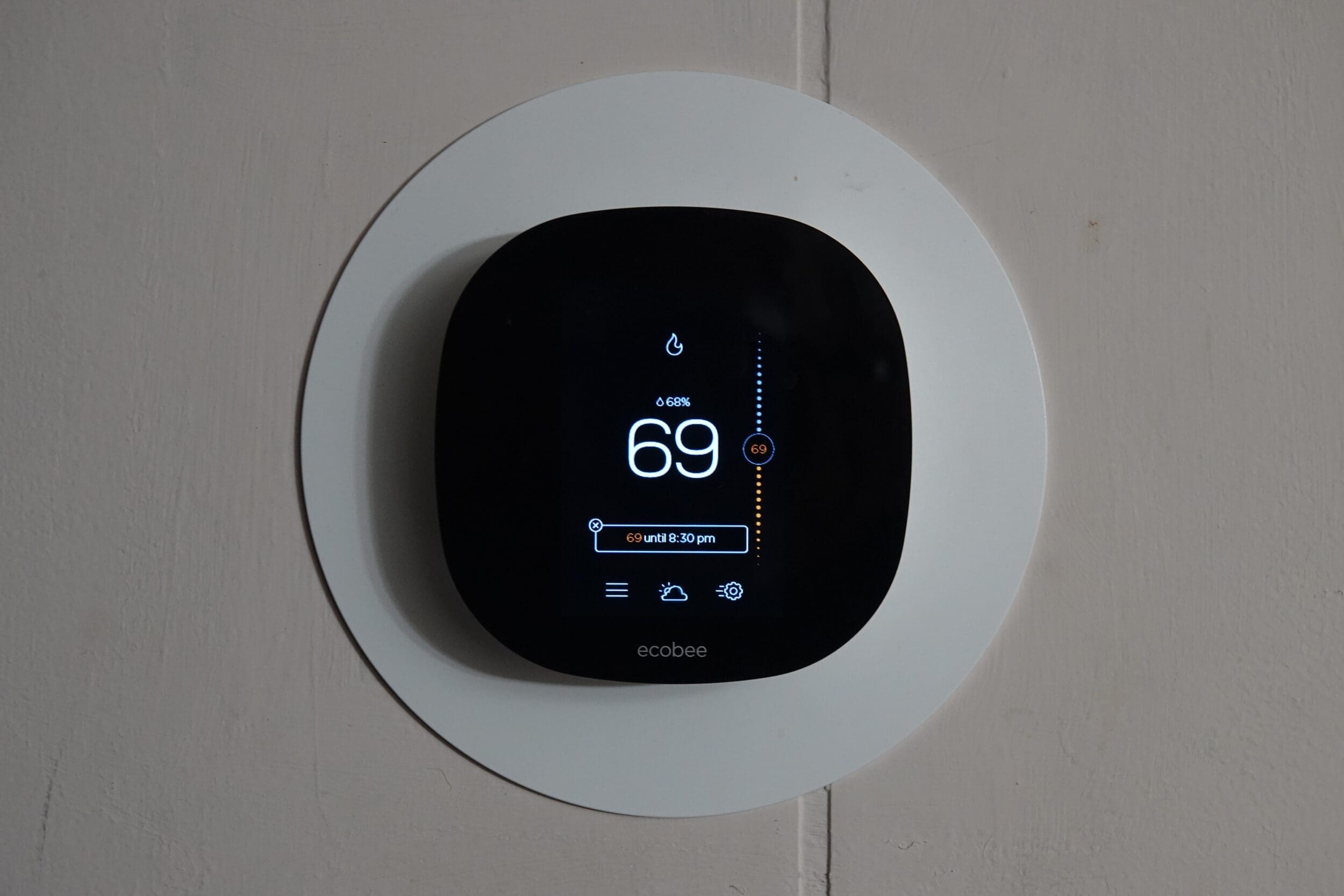
Introduction When the summer heat hits, it's important to make sure your air conditioning unit is in good working order. While there are some basic steps you can take to keep your AC running smoothly, having a professional come out to service your system can go a long way in ensuring it will continue to operate efficiently. Beluga Air is here to help you do just that. In this article, we'll provide you with expert advice on how to keep your AC unit working efficiently during the summer months. We'll cover topics such as setting the thermostat, avoiding overworking the system, keeping the windows shut, cleaning the air filters, and getting professional help. AC maintenance is essential for keeping your system running efficiently and avoiding costly repairs. In the summer months, your AC unit is likely to experience some of its most intense use. The higher temperatures and increased humidity can cause problems that can put a strain on your system. As such, it is important to stay on top of your AC maintenance to ensure that it continues to operate efficiently. One of the most common problems with AC units during the summer months is the thermostat setting. Many homeowners are tempted to set the thermostat too low in a desperate attempt to cool down their homes. However, this can put a strain on the system, resulting in a higher energy bill and a shorter lifespan for your AC unit. This is why it is important to find the optimal temperature setting for energy efficiency. We'll discuss this more in the next section. Another common problem with AC units during the summer months is overworking the system. This occurs when the AC is running too often in an attempt to cool down a home. Overworking the system can lead to higher energy costs and can even cause permanent damage to the unit. This is why it is important to understand the reasons why your AC might be working too hard and look for ways to prevent it from overworking. In addition, it is important to keep your windows shut in order to protect your AC. Keeping the windows shut helps maintain consistent temperatures and ensure that your AC is not working too hard. We'll discuss this further in the next section. Finally, it is important to keep your air filters clean. Dirty air filters can cause damage to your AC and can reduce its efficiency. We'll discuss the importance of changing your filters regularly and provide tips on how to do it. At Beluga Air, we strive to provide our customers with the best service possible. We offer a wide range of services, including maintenance, repairs, and installations. With our team of highly trained professionals, we are confident that we can help keep your AC running smoothly and efficiently. Now let's discuss some tips on how to keep your AC unit working during the summer heat. Setting the Thermostat During the summer, it is essential to make sure your air conditioning unit is working efficiently. One of the most important steps to maintain a healthy AC unit is to set the thermostat correctly. The wrong settings may not only cause your AC to overwork but it can also cause it to break down. When it comes to setting the thermostat, the key is to find the optimal temperature for both energy efficiency and comfort. The recommended temperature setting for residential AC units is between 78°F and 82°F during the day. This temperature range provides the most comfortable environment and it also helps to reduce energy bills. For nighttime, the recommended temperature setting is around 82°F. This allows the AC to take a break from cooling during the night and it prevents it from overworking. It is also important to keep in mind that setting the thermostat too low can put unnecessary strain on the system and cause it to malfunction. For instance, if the temperature is set below 70°F, the system has to work harder to cool the room. This unnecessary strain will cause the parts to wear out faster and lead to potential breakdowns. Avoid Overworking Your AC When an air conditioning system is overworked, it can start to malfunction more often and require more frequent repairs. Moreover, an overworked system can also suffer from decreased energy efficiency, thus leading to higher energy costs. If you want to keep your air conditioning unit running efficiently during the summer, you must be sure to avoid overworking the system. There are several reasons why an air conditioning system might be overworked. One of the most common is a dirty or clogged air filter. When air filters are clogged, they can block the airflow, putting extra strain on the system and decreasing its efficiency. To prevent this, homeowners should check their air filters every few weeks and replace them when they become dirty or clogged. Another cause of overworking an AC system is poor insulation. Heat can enter a home through cracks, gaps, and other openings, forcing the air conditioner to work harder to keep the temperature inside the home at a comfortable level. To avoid this, homeowners should inspect their home’s insulation and seal any cracks or gaps. One final reason why an AC system might be overworked is because of an inadequate cooling capacity. If an AC is too small for the size of the home, it will have to work harder to keep the temperature inside the home at a comfortable level. To avoid this problem, homeowners should have their AC unit professionally sized to ensure that it has enough capacity to cool their home efficiently. It is essential that homeowners take the necessary steps to avoid overworking their air conditioning system in the summer. By changing the air filter regularly, inspecting the home’s insulation, and having the AC professionally sized, homeowners can help ensure that their system is working at its optimal efficiency and prolong its lifespan. Keep the Windows Shut It’s important to keep your windows shut during the summer to ensure that your air conditioning unit is working optimally. When the windows are open, the unit must work harder to cool your home, which can put a strain on the system and contribute to an early breakdown. Additionally, when windows are open, the unit can actually draw in warm air from the outside that is counter productive to keeping your space cool. Open windows can also cause excess moisture and humidity to enter the home and your AC unit’s condenser coil, which can cause the system to freeze up and malfunction. In extreme conditions, this can even cause the unit to stop working altogether, resulting in a costly repair. For the best results, it’s important to invest in some quality window treatments to keep the sun out. Thick curtains or blackout shades can help prevent heat from entering the home through the windows and reduce the strain on your AC unit. Additionally, you should keep the curtains drawn during the day to keep your home cool and reduce the amount of energy your unit needs to expend. You should also check your windows for any air leaks that might be allowing cold air to escape from the home. This can be easily checked by feeling around the window frames and door frames for any drafts. If you feel a draft, you can use weatherstripping or caulk to fill in any gaps and prevent air from escaping. Finally, you should inspect your windows for any signs of damage or wear and tear that might have occurred over time. If you notice any broken seals or missing parts, you should consider replacing the windows entirely. This will help keep your home cool and your AC unit running optimally. By following these simple tips, you can ensure that your AC unit is able to function optimally in the summer heat and keep your home cool and comfortable. And, for any more serious maintenance needs, you can rely on the experts at Beluga Air for quality service and repairs. Clean the AC Air Filters During the summer, the air filters in your AC unit can become clogged with dirt and debris. This can impede the airflow and reduce the efficiency of your system. To ensure optimal performance and to avoid costly repairs, it is important to regularly clean and replace the air filters. Changing air filters often is one of the easiest and most effective ways to extend the life of your air conditioner. When you clean or replace the filters, it helps to ensure that your AC unit runs smoothly and efficiently. By keeping the airflow unrestricted, you can help prevent costly repairs and extend the life of your appliance. When changing the air filters, you should use the right type of filter for your system. There are a variety of air filters available, and the type you select should depend on the size and style of your air conditioner. A professional HVAC technician can help you choose the correct filter for your system. It is important to check and change the air filters regularly, especially if you live in an area that experiences a lot of dust or pollen. The ideal frequency for changing air filters will depend on the size of your unit and the type of environment you live in. However, it is typically recommended to change air filters every one to three months. In addition to regular filter changes, you should also keep your air conditioner's air intake vents clean. Cleaning the air vents will help ensure that the air conditioner is able to draw in air properly. To clean the air vents, use a vacuum cleaner attachment or a soft brush to remove dust and debris. Keeping your air filters clean and regularly replacing them is essential for maintaining your AC unit. By taking the time to follow these simple tips, you can help ensure that your AC unit runs efficiently and reliably during the summer months. Beluga Air provides professional air conditioning maintenance services, including filter cleaning and replacement. Their experienced technicians can help keep your AC unit working efficiently and help you get the most out of your system. Contact Beluga Air today to learn more about their air conditioning maintenance services and keep your AC unit running at its best. Conclusion Maintaining your air conditioning unit during the summer is incredibly important. As the temperatures rise and the days get longer, you’ll want to be sure that you’re taking the necessary steps to keep your AC unit running efficiently. Setting your thermostat to the optimal temperature, avoiding overworking the system, keeping the windows shut, and regularly cleaning the air filters are all crucial components that should not be overlooked. It is also important to remember to get a professional to help if you’re having any issues. A professional will be able to diagnose the problem quickly and provide the necessary solutions to get your AC unit running smoothly. Beluga Air has the expertise and tools to help you keep your AC unit in top shape with their routine maintenance services. By following these tips, you can keep your AC unit in great condition during the summer, leading to lower energy bills and more comfortable living. With the help of Beluga Air, you can rest assured that your air conditioning unit will be running at peak performance all summer long. Take the time to maintain your AC unit this summer and you will be rewarded with a cool and comfortable home. Don’t forget to let Beluga Air help you with our professional maintenance services and technical expertise. With us, you can ensure that your AC unit is running as efficiently as possible throughout the hot summer months.

HVAC Allergy Tips

How Your Allergies And HVAC System Are Connected

Introduction Are you an allergy sufferer in the San Antonio area? Are you looking for ways to reduce the impact of allergies in your home? Your HVAC system can play an important role in improving the air quality in your home. In this article, we will discuss how your HVAC system can affect your allergies. Also, what measures you can take to improve the air quality in your home. We will explore the causes of allergies and what pollutants and allergens typically find their way into HVAC systems. We will also discuss how to reduce the allergens and pollutants in your home with tips and strategies to reduce allergens in the home with your HVAC system. Beluga Air provides professional HVAC services for homes in the San Antonio area. We understand the importance of keeping your HVAC system clean and are dedicated to providing the highest quality services for allergy sufferers. We will discuss the benefits of their services and how they can provide a complete solution for your allergy problems. So, let’s take a look at how your HVAC system can affect your allergies. We will see how you can reduce the allergens and pollutants in your home with the help of Beluga Air. Causes of Allergies and HVAC Systems Allergies can be a real nuisance, especially in the San Antonio area. Allergens like pollen, dust, pet hair, and mold spores can trigger adverse reactions, such as sneezing, coughing, and itchy eyes. Unfortunately, these allergens can also be present in your home’s HVAC system. This means the air you’re breathing may be contributing to your allergies. The air in your home is constantly circulating, being drawn in from the outside. This is why allergens can make their way into the HVAC system. They can enter your home through open windows and doors, but they can also be brought in through the air intake ducts and attach to the filter. If the filter is clogged or dirty, the allergens can be released back into the air. Common allergens found in HVAC systems include pollen, pet dander, dust, and mold. Pollen is particularly problematic. San Antonio is located in a subtropical climate which makes it an ideal home for many flowering plants. Pollen is often transported on the wind and can easily make its way into your home. Pet dander can also be a big problem. Pet hair can attach to the filter and release allergen-filled dander into the home. Dust and mold are both common allergens. They can easily be found in HVAC systems that are not regularly cleaned and maintained. Poor air quality can also have a negative effect on allergies. If the air in your home is not constantly being filtered and circulated, allergens can build up and make your symptoms worse. This is why it is important to keep your HVAC system and filters clean. Keeping Pollutants and Allergens at Bay As a resident of San Antonio, you may have noticed that your allergies can be worse at home than they are outside. This is because your home can be a breeding ground for allergens that can aggravate your allergies. By understanding your HVAC system and how it affects allergens and pollutants, you can take steps to keep your home a safe and healthy environment. In addition to outdoor allergens, there are also common allergens found inside your HVAC system. These include mold and mildew, which thrive in damp, dark environments. Poorly maintained HVAC systems can also contain dust mites, animal fur, and other pollutants. When you breathe in air that is full of allergens and pollutants, your allergies can become worse. Fortunately, there are ways to reduce allergens and pollutants in your home, as well as improve the overall air quality. By regularly changing your air filters, you can keep your HVAC system free of buildup and contaminants. You can also opt for air filters with higher efficiency ratings to capture the smallest particles. Using air purifiers can also help to reduce allergens and pollutants in the air. Beluga Air services offer allergy sufferers in the San Antonio area access to top of the line HVAC systems and air purifiers. With Beluga Air, you can rest assured that your air is clean and free of allergens and pollutants. Furthermore, Beluga Air technicians can inspect and maintain your HVAC system to ensure that it is working at optimal levels. Taking the necessary steps to reduce the allergens and pollutants in your home should not be overlooked. You can improve your allergies and the overall air quality of your home by changing your air filters regularly. It is also smart to invest in an air purfier. Beluga Air offers services for allergies that are designed to keep your home a safe and healthy environment. Allergies Conclusion By being mindful of how your HVAC system can affect your allergies, you can benefit tremendously from those allergies. By understanding how allergens like pollen and dust enter the system and how to reduce allergens and pollutants through regular maintenance, you can be truly proactive in improving the air quality in their homes. Beluga Air can help to reduce and remove allergens and pollutants from the home. Ultimately improving the air quality and reducing allergy symptoms. Beluga Air is committed to providing the highest possible quality of air for those suffering from allergies. Living with allergies can be a challenge. But by understanding how your HVAC system can affect your allergies, you can make a huge difference in your quality of life. Beluga Air can help to make this process simpler and more effective. So you can breathe easier and enjoy life to the fullest.

HVAC Tips for pet owner

2023 HVAC Tips for Pet Owners

As a pet owner, it's important to take care of your furry friends in more ways than just providing them with food and shelter. Your HVAC system plays a significant role in keeping your pets healthy and comfortable, and it's important to maintain it properly. Here are some tips on how to keep your HVAC unit running smoothly when you have pets in your home. 1. Clean Your Filters Regularly Pet hair and dander can clog up your HVAC filters, reducing their effectiveness and causing your unit to work harder than it needs to. To avoid this, clean or replace your filters regularly. Doing this will not only keep your indoor air quality good but also improve your HVAC system's efficiency and prolong its lifespan. 2. Groom Your Pet Regularly Regular grooming of your pet can reduce shedding, which ultimately means less pet hair in your home. If your pet is prone to heavy shedding, consider investing in a pet hair vacuum or air purifier specifically designed for pet owners. This will help reduce the amount of pet hair and dander that circulates in your home, helping your HVAC unit work more efficiently. 3. Schedule Regular HVAC Maintenance Having your HVAC system checked and maintained by a professional regularly can help prevent potential problems caused by pet hair and dander buildup. Professional technicians can clean your ducts, vents, and other HVAC components to ensure your unit runs smoothly and efficiently, creating good indoor air quality. 4. Consider Upgrading Your HVAC System For Your Pet If you have pets in your home, consider upgrading your HVAC system to one that is specifically designed for pet owners. These specialized units have features such as high-efficiency filters and air purifiers that are designed to remove pet hair and dander from your indoor air, making it easier to breathe. Not to mention, they are designed to work more efficiently, reducing energy consumption, and lowering your utility bills. In conclusion, keeping your HVAC system running smoothly and efficiently is essential for both your pets and you. A well-maintained HVAC system can improve indoor air quality and help prevent respiratory issues in both pets and humans. Therefore, make sure you take care of your pets by keeping your indoor air quality good and your HVAC unit functioning properly. If you need help with HVAC maintenance or installation, contact Beluga Air! Our professional technicians are experienced in all types of HVAC services and can help you keep your pets healthy and comfortable. Call Beluga Air today!

Commercial Ducts HVAC Vents

HVAC Ducts: Airflow, Efficiency, & Sanitation - Problems Solved

Ducts Air ducts are an essential part of the home’s HVAC system, acting as the transportation of conditioned air from the furnace or coil to the various rooms in the house. The design, size, and material of the ductwork can greatly affect the efficiency of the system. Air ducts can be made of metal, fiberglass, plastic, or a combination of materials, and may be either round or rectangular in shape. In order to ensure that air is evenly distributed to all parts of the home, air ducts must be properly insulated and sealed. Unfortunately, air ducts can become damaged or worn over time, leading to poor airflow, higher energy costs, and air quality concerns. The good news is that Beluga Air can help you identify and address any issues with your air ducts, from duct sealing and modifications to installing zoning systems that can help you better control the amount of airflow in each room. With the right solutions, you can enjoy maximum comfort and efficiency in your home and save money on your electric bills. How To Know If You're Having Duct Issues? Airflow Duct problems are usually relatively easy to diagnose. A telltale sign is that only certain vents will have low pressure, or the air coming out of certain vents won't be cold like the rest. Another big giveaway is a change in airflow. If a certain room used to get great air and stay cool but isn't anymore, you likely have a duct issue. Smell Air ducts can sometimes develop a smell, this issue can also be caused by an issue in the air handler, making this issue a little more difficult to diagnose. Types of Air Ducts Air ducts come in a variety of shapes and sizes, but the most common types are sheet metal, flexible, and fiberglass. Sheet metal ducts are used for larger applications such as commercial buildings, while flexible ducts are more suitable for smaller homes and apartments. Ducts can also be made from fiberglass, which is a lightweight and cost-effective option. Different types of ducts have different characteristics that must be taken into account when considering which type is best for the project. For example, sheet metal ducts are very durable and have a long life expectancy, but they are also more expensive and require specialized installation. Flexible ducts, on the other hand, are less expensive and easier to install, but they require more frequent maintenance. Choosing the right type of air duct is important to ensure the quality and performance of the HVAC system. Beluga Air can assist you in selecting the right air ducts for your home or business, as well as properly installing them for optimal performance. Our team of experts has the experience and knowledge to help you make the best decision for your needs. HVAC Zoning Systems A zoning system is a great way to control the temperature of your home and ensure that each room is receiving the right amount of airflow. Zoning systems are designed to divide the home into different zones and each zone will have its own temperature control settings. This is ideal for homes that have multiple levels and rooms with different temperature needs. Beluga Air offers high-quality zoning systems that are designed to provide comfort and energy efficiency. Zoning systems allow you to save money on your energy bills by increasing airflow to the areas that need it the most and reducing airflow to areas that are already heated/cooled to the appropriate level. Common Problems With HVAC Ducts Leaks One of the most common issues homeowners can face with their HVAC ducts is leaks in the ductwork. An air leak can cause a loss of air pressure, which can lead to dust, dirt, and other pollutants entering your home. Leaks can also cause an increase in utility costs, as air is continuously escaping the system. Leaks happen when the air pressure inside the system is too much, or the ducts were damaged. One of the most common causes of Duct damage is duct cleanout services. We get consistent calls from people who have recently hired a duct cleaning company and now have reduced airflow. Flex Ducts should never be cleaned because they are so soft and easy to puncture. Plus the cost of cleaning a flex duct is often almost equivalent to replacing one. If you have a leaky duct or suspect you have a leaky duct we can send someone out for free to assess the issues and get it patched up or replaced for you as soon as possible. Insulation Another common issue is inadequate duct insulation, which can lead to poor air quality and increased energy costs. Ducts should be insulated properly to keep the air from your unit as cold as possible until it reaches its destination. Installation & Age Additionally, if the ducts are installed improperly, they can become noisy and reduce airflow. Lastly, the wear and tear of everyday use can cause a buildup of dirt and debris in the ducts. This build-up is made worse by bacteria and viruses that will grow and create more blockages as well as make you sick and cause funky odors. When faced with any of these issues, homeowners can count on Beluga Air to provide the best solutions. From duct sealing and modifications to installing and upgrading the ducts, Beluga Air can help restore the efficiency of your HVAC system. Beluga Air’s expert technicians can also install zoning systems to allow you to control the amount of airflow in each room, giving you the perfect indoor temperature. With such exceptional services available at a competitive price, it’s no wonder that Beluga Air is the go-to HVAC company in San Antonio Texas. Solutions Homeowners can determine the issues they are facing with their air ducts and take the right steps to fix them. Common solutions include duct sealing and duct modifications to reduce air leakage, as well as duct installation and duct upgrades to increase airflow. Beluga Air offers all of these services at affordable prices to help you resolve your HVAC duct issues. Additionally, Beluga Air can install and help you maintain zoning systems to control the amount of airflow in each room and ensure your home is comfortable. With Beluga Air, you can be sure to get the best customer service and solutions at the best prices. Each situation is unique to the size and shape of your home and how that pairs with the size and location of your HVAC System. Scheduling a free estimate with a licensed professional is the best way to diagnose Duct issues and provide the most accurate solutions. If you are experiencing any issues with your HVAC system call Beluga Air today for a free estimate.

HVAC Service Company Near Me Beluga Air Helpful Tips Air Conditioning Unit

Protect Your Home & Wallet With An Annual Membership

Introduction One of the best investments you can make for your home is consistent HVAC preventative maintenance. HVAC maintenance is like an oil change for your car. It has to happen at least twice a year to keep your machine functioning at its best. Refusing to change your oil, or get your unit serviced, will definitely lead to future problems down the road. In this article, we’ll discuss the benefits of preventative maintenance for your HVAC, as well as the signs you need it, plus what services we offer, and why you should choose Beluga Air for your preventative maintenance needs. What is Preventative Maintenance for HVAC? Preventative maintenance (PM) for HVAC systems is a practice that focuses on proactive approaches to keeping your home comfortable while also keeping your wallet safe. Regular maintenance visits help you protect your HVAC system from costly repairs and ensure that your system is running at its peak efficiency. A preventative maintenance visit usually consists of a thorough inspection of the system and its components, such as air filters, air ducts, and the blower motor, to make sure that everything is clean and working correctly. The technician will also look for any potential problems, like cracks in the heat exchanger, and fix them before they become more serious. Investing in regular preventative maintenance visits is a great way to maintain the health of your HVAC system, save money on energy costs, and prevent any future repairs or breakdowns. Benefits of Preventative Maintenance for HVAC HVAC systems are complex pieces of machinery, so it makes sense to invest in preventative maintenance to get the most out of them. It can help to protect your wallet as well as your home's environment. The primary benefit of preventative HVAC maintenance is that it can help extend the lifespan of your heating, cooling, and ventilation system. When HVAC systems are regularly maintained, they can perform at their best for years longer than systems that are neglected or rarely serviced. This means that the expensive components of your HVAC system will be less likely to fail and you'll be able to enjoy a comfortable home for years to come. Regular maintenance can also help to boost energy efficiency. An HVAC system with a failing component or clogged filters can fail to heat and cool effectively, leading to higher energy bills and a less comfortable home. When your system is routinely serviced and any issues are identified early, your energy bills won't be as high. Additionally, preventative maintenance will also help to protect your home from dangerous and costly problems. Ignoring maintenance can lead to issues with your system and even cause a breakdown, which can cost you thousands to repair and possibly lead to even greater damage. Regular maintenance can help you avoid these issues and keep your home running smoothly. Finally, regular maintenance can reduce potential health risks. Poor air quality can cause serious health problems and can be an issue caused by a neglected HVAC system. When your system is routinely serviced, any potential air quality problems will be addressed quickly, providing a healthier environment. Overall, there are many benefits to preventative maintenance for HVAC systems. Not only will it help to protect your wallet, but it can also help to protect your home and your family's health. Investing in regular preventative maintenance for your HVAC system is a valuable precaution that can save you time, money, and stress inthe long run. Lower Energy Bills Investing in preventative HVAC care can benefit your wallet in more ways than one. Regular maintenance not only helps keep things in working order but also helps reduce energy bills. Properly operating HVAC systems are more efficient and require less energy to do the same amount of work, meaning you get to keep more money in your pocket. Over time HVAC Systems collect dust and debris. This buildup will begin to clog up the operations of your HVAC and reduce airflow and efficiency. Additionally, having your system regularly inspected by a professional will help identify any problem areas before they become expensive issues that require extensive repairs. Taking these steps now ensures that your energy bills remain low for the long term. Reduced Need For Repairs Regular preventative maintenance of your HVAC systems is the best way to ensure that you don’t experience any costly breakdowns. The natural buildup that reduces efficiency in your unit will also cause a strain on the components in your system. This strain can cause components to prematurely breakdown. An HVAC system that is maintained on a regular basis will require fewer repairs down the line, saving you time, money, and frustration. Professional inspections of your HVAC system can identify any minor issues that may be present and address them before they become major problems. Regular maintenance will also help to keep your HVAC system running at maximum efficiency and reduce your energy costs. Improved Air Quality An often overlooked benefit of preventive HVAC care is improved air quality. With regular maintenance, your HVAC system will operate more efficiently, removing more dirt, dust, allergens, pollens, mold, and potential mites from the air. Improved air quality can have a positive impact on the health of all occupants, especially those who suffer from allergies and asthma. It can also reduce the need for cleaning or deep cleaning in other parts of the home. With preventative HVAC care, you'll protect your wallet and your home while also improving overall air quality. Signs You Need Preventative Maintenance for Your HVAC It is essential for homeowners to pay attention to the signs that their HVAC system needs preventive maintenance. Doing so allows them to save money in the long run and keep their home comfortable, safe, and energy-efficient. Here are a few key indicators that should prompt homeowners to schedule a preventative maintenance check: 1. Strange Noises – Any noise coming from the HVAC system, such as grinding, rattling, or squealing, could be a sign of an underlying problem. These noises can indicate a mechanical issue or an issue with the electrical components of the system. 2. Poor Indoor Air Quality – If dust or pollen levels are unusually high, it is possible that the HVAC system’s air filter is dirty. A dirty air filter can cause poor indoor air quality, as well as increased energy bills. 3. Unusually High Energy Bills – Old and inefficient HVAC systems can cause energy bills to skyrocket. If bills are higher than normal, it is possible that the system is not operating efficiently or that parts need to be replaced. 4. Unusual Smells – If a musty smell is noticed coming from the vents, it could be a sign that the air ducts are dirty and need to be cleaned. Dirty air ducts can cause health problems, as well as increase energy bills. 5. Unexpectedly Warm or Cold Air – Homeowners may find that their home is not reaching the desired temperature even when the HVAC system is running. Unexpectedly warm or cold air could be caused by a lack of maintenance. Preventative maintenance can help homeowners keep their wallets and home safe by ensuring their HVAC system is running efficiently and properly. This can protect homeowners from expensive repairs down the line and also help keep their homes comfortable. Scheduling periodic maintenance for the HVAC system is a great way to ensure it is working properly and to keep energy costs low. Preventative Maintenance Services Offered When it comes to protecting your wallet and your home, preventative HVAC care is essential. Regular maintenance helps ensure the efficient and reliable operation of your system and can help you avoid costly breakdowns in the future. Many HVAC specialists offer a wide range of preventative maintenance services that can help keep your system in optimal condition. The most basic preventative HVAC service involves routinely changing the air filter. Doing this every 1-3 months helps to remove dust, dirt, and other airborne particles that can interfere with the efficient operation of your system. The frequency of filter changes can vary based on your system, so it’s important to discuss this with your HVAC specialist. Another important preventative maintenance service is inspecting and cleaning the outdoor unit. Regular cleaning helps to remove debris, leaves, and other materials that can interfere with the system’s efficiency and performance. Your HVAC specialist can also inspect the unit for any signs of damage or wear and tear that need to be addressed. In addition to inspecting and cleaning the outdoor unit, your HVAC specialist can also check for any loose or worn parts that need to be replaced. This can help reduce the likelihood of a breakdown or other issues in the future. Finally, HVAC specialists can perform tests to ensure that the system is running at its optimal efficiency. This includes checking the air flow and air temperature, testing the thermostat, and making sure the motors are running at full capacity. By taking advantage of preventative HVAC care services, you can ensure that your system is running at its best and avoid costly breakdowns in the future. Investing in regular maintenance can help you protect your wallet and your home. AC Tune-up A/C Tune-up – 18 Point Inspection includes: Checking Freon Levels, Checking Compressor Amps, Checking Drain Lines (Blow Out to Prevent Water Leaks), Checking and Rinsing the condenser Coil (Outdoor unit), checking the Condenser (freon level), Checking the Evaporator Coil ( Make sure there is no Freon Leaks), Oiling the Condenser Fan Motor (if needed), Inspecting and Tightening the Condenser Electrical Connections, Laser Temperature Test, Calibrate Thermostat (if needed), Inspecing Air filters, Checking Blower Motor, Checking High Voltage Controller, Inspecting the Evaporator Coil & Plenum (if accessible), Checking Blower Housing for Microbial Growth, Checking Blower Amps, Visually Inspecting Ducting Conditions (for Air Leaks), Checking Insulation levels in Attic Heat Tune-up Heat Tune-up – 17 Point Inspection includes: Gas Furnace, Heat Pumps, Wall Furnace Check Gas Valve, Laser Temperature Test, Calibrate Thermostat (if needed), Oil Blower Motor, Vacuum Return Air Chamber, Clean Pilot Assembly (if applicable) Clean Flame Sensor (if applicable) check and clean Combustion Air, Check Carbon Monoxide Leaks, check all safety controls, Visually Inspect Ducting condition (Air Leaks) Check Motor Amperage, Check all Electrical Components, Check Air Filter and replace (if applicable), Lubricate all moving parts, check Igniter system Bio Fresh Treatment Bio fresh treatment are used with green chemicals that are not harmful to pets or plants and acts as a cleaner, disinfectant, fungicide and mildew stat. The process is 20 minutes and will eliminate strong odor, mildew & or mold. Works both Residential and Commercial Air Systems. EPA APPROVED and USDA ACCEPTED Chemically Cleaned Condenser The condenser is an important component of the HVAC system. It is designed to collect heat from inside the home and expel it outdoors. Over time, the condenser can become clogged with dirt and debris, compromising the efficiency of the system. To prevent future problems and maintain HVAC efficiency, it is important to have your condenser chemically cleaned. The process begins with a technician partially dismantling your condenser unit and then spraying it with a chemical cleaner. The solution is specially formulated to break down dirt and debris, allowing it to be flushed out of the system. As the cleaner works, dirt will be removed from the condenser coils and blower unit. The technician will also inspect and clean other parts of the system, such as the fan, motors, and bearings. Your condensation drainage pipes are also flushed with a cleansing agent along with compressed nitrogen to confirm proper drainage and cleanliness. It is recommended to have this cleaning process done once a year After the cleaning is complete, it is important to reapply the chemical cleaner on an annual basis. This helps to ensure that the condenser remains clean and is able to operate properly. Additionally, regular cleaning helps improve the efficiency of the HVAC system, which can result in lower energy bills. By providing your HVAC system with regular preventive care, you can ensure that your home is comfortable and secure. Regular cleaning and chemical treatment of the condenser is an important part of any preventative HVAC care plan. This can help to reduce the need for costly repairs in the future and help to protect your wallet and your home. The Difference with Beluga Air Air is a family-owned and operated business, and we understand the importance of protecting your system and home with regular maintenance. That’s why we offer our Annual Service Agreement Memberships. Our team of experts will help you to schedule tune-ups twice a year, at critical times of the year. Our technicians will come out to make sure your system is in top shape. As an added benefit all members receive a 10% discount on any service work you might need throughout the duration of your membership! We also offer two free service calls, where our technicians will come out to address any minor issues or settings problems with your system for free. To make sure your system is running at peak performance, we also include a chemical treatment in the spring to professionally clean your outdoor condenser and a Bio-Fresh treatment in the fall to clean out your indoor system and remove bacteria and contaminants from your air. With Beluga Air’s preventative maintenance program, you won’t have to worry about when to get your HVAC system checked – we’ll send you timely reminders to make sure it’s always running in shipshape condition! Did we also mention you will receive priority treatment if you ever have problems with your system during your membership? Affordable, Upfront Pricing The entire package of benefits you receive from one of our memberships adds up to over $779 plus a 10% discount of all service work. Our Annual Service Agreement memberships cost $239.40 per year or can be broken up into monthly payments. For more information or to signup for a new membership call, (210) 468-6117

HVAC Service Repair Company Beluga Air San antonio

Why Does My AC Smell and How Do I Get Rid Of It?

Introduction Does your air conditioner smell bad? This is, unfortunately, an extremely common problem. If your AC smells like Socks, wet clothes, mildew or something else unpleasant, it is a sign that there is something wrong with it. Fortunately, most AC problems that cause odors can be fixed with general maintenance or a simple cleaning. In this article, you will learn not only the most common causes of unpleasant AC odors, but also the best ways to get rid of them. You will also find out how to prevent AC odors in the future and ensure your air conditioning system runs smoothly. Keep reading to find out all you need to know about why your AC smells and how to solve the problem. Causes of Unpleasant Odors Unpleasant smells coming from your air conditioner can be caused by a number of factors. This section will explore some of the primary causes of odors coming from your AC, including dirty air filters, mold or mildew buildup, buildup of dust and debris, and rodent infestation. Dirty Air Filters Old Filters are one of the most common causes of an unpleasant odor coming from your AC system. The air filters in an HVAC system act to clean the air as it enters the unit, preventing dust, dirt, and other debris from entering the system and spreading within your home. When these filters become clogged with debris, they are unable to effectively clean the air, resulting in a buildup of odors. This is why it's important to regularly check and maintain your air filters and arrange for regular AC maintenance in order to ensure that they are properly replaced when needed. If you're unable to locate or replace the filters yourself, it is recommended that you seek the assistance of a professional AC repair technician to ensure that the job is done correctly. Mold or Mildew Build Up Mold and mildew can be the source of unpleasant odors coming from air conditioners. In high humidity areas, condensation on the evaporator coil can lead to mold or mildew growth. A visual inspection of the indoor unit's evaporator coil can reveal telltale signs of mold or mildew. To clean and prevent future mold or mildew buildup, you'll need to access the evaporator coil in most cases. This is usually done by removing panels. First, turn off the power supply to avoid possible injury. Then use a stiff brush to help dislodge any visible build-up on the evaporator coils. To complete the cleaning process, spray an anti-fungal cleaner onto the coils and let it sit for 10-15 minutes before rinsing with warm water or a wet/dry vacuum. Once cleaned, you'll want to increase airflow through your system by replacing filter regularly, sealing leaky ducts, and having your AC serviced regularly by a professional technician who can check for buildup and other issues that could be disrupting air flow. Buildup of Dust and Debris Accumulated dust and debris in your AC unit is a common cause of unpleasant odors. Your air conditioning system requires regular maintenance to keep it in peak condition, as it is subject to heavy use throughout the year. To remove the dust and debris left behind by your AC, you may need the help of an HVAC technician to perform an AC repair. Regular air conditioning maintenance could help reduce the accumulation of dust and debris and reduce the chance of unpleasant odors. Rodent Infestation If your AC is smelling musty and stale, it could be a sign of rodent infestation. Rodents that have made their home in your air conditioning system can spread bacteria, parasites, diseases, and bad odors. It’s important to take action immediately if you suspect that rodents are the source of the smell in your AC. The first thing you should do is assess the situation to determine whether or not there is a rodent infestation. Start by inspecting the ducts and air handler for signs of nesting or damage from chewing on wires and insulation. If you find evidence of mice or rats, then you need to take steps to get rid of them. The best way to do this is to contact a professional pest control company. They will be able to use specialized equipment and techniques to locate where rodents are entering your home as well as remove them safely and humanely. It’s also important to take other precautions such as sealing off any entry points with wire mesh or caulk, removing any food sources such as pet food or bird seed, and making sure all trash cans are securely sealed with lids. Once the rodents have been removed and all entry points are blocked off, it’s time to deal with the smell in your AC system. You can start by changing the air filters regularly, which will help prevent dust buildup that can contribute to bad odors. You may also want to consider using an air purifier in order to help clear any lingering smells caused by bacteria from rodent droppings. Finally, hire a professional HVAC technician who can inspect your system for any evidence of infestation as well as perform deep cleanings in order to eliminate odor-causing bacteria and debris trapped in the ducts. He may also suggest installing UV Lights or an Air Scrubber to permanently deal with foul smell issues. Preventing AC Smells Regularly Change or Clean Air Filters It is essential to routinely maintain your AC unit by changing or cleaning air filters. Dirty air filters in central air conditioning systems can attract dirt and dust, leading to odor problems within the system. In addition, trapped dust and debris can reduce airflow and lead to system malfunctions, necessitating costly repairs. Make sure to regularly check your filters for dust and debris and clean or change them as instructed by the manufacturer or by your local HVAC or AC repair professionals. This will help ensure the system runs smoothly and keep foul odors away. Clean Condensate Drains can be an important factor in keeping your AC from smelling bad. Condensate drains house the moisture that your Air Conditioning unit accumulates during operation and can, over time, build up dirt, debris and mold that can contribute to a bad smell. Regular maintenance and inspection of these drains can help keep the AC operating more efficiently and prevent bad smells. If you suspect a clog in the condensate drain, it is advisable to call an HVAC professional to inspect and repair or clear the drain. In general, AC Repair should only be completed by qualified and licensed professionals, as attempting to do complex repairs can cause further damage to the AC or even void your warranty. Inspect Vents and Ducts for Mold or Mildew If an unpleasant odor is coming from the air conditioning unit, it could be the result of mold or mildew buildup. To find out if this is the issue, inspect the indoor and outdoor vents and ducts for signs of mold or mildew. If mold or mildew is present, it is important to hire an experienced HVAC or AC repair technician to clean the air ducts. If left untreated, the air conditioner’s components can become damaged, resulting in costly AC repair or maintenance costs. In addition, neglecting to remove the mold or mildew can be harmful to the individuals that inhabit the space. Therefore, it is essential to be proactive when it comes to inspecting and maintaining the indoor air quality of your Air Conditioning system. Install A UV Light UV lights are an essential tool for keeping your air conditioner running smoothly and without odor. A UV light, also known as an Ultraviolet Germicidal Irradiation (UVGI) system, is an air conditioner maintenance tool that uses ultraviolet light to kill mold, bacteria, and other microorganisms that can cause odors. UV lights are installed near the evaporator coil in the ductwork of your AC system and can be used to minimize the accumulation of dust, dirt, and other particles that can contribute to unpleasant odors. Having a UV light installed in your AC system is a preventative measure that can help reduce the need for air conditioning repairs and ensure that your air conditioner is running efficiently and safely. In addition to reducing unpleasant odors, a UV light can help to reduce the spread of airborne viruses and other potentially dangerous microorganisms. When looking for an AC repair professional to install a UV light, it's important to choose one with experience in HVAC maintenance and repair. A qualified technician should be able to accurately size the UV light based on the size and type of your air conditioner and make sure it is securely mounted in the ductwork. The technician should also be able to explain how the UV light works, how often it needs to be cleaned and changed, and give advice on how to keep your AC system running efficiently and safely. Having a UV light installed in your air conditioner is an effective way to reduce unpleasant odors and keep your AC running smoothly and reliably. With the right maintenance and repair team on your side, you can keep your air conditioner in top condition and ensure that you enjoy cool and clean air all summer long. Read More About UV Lights. Install An Air Scrubber One of the most common causes of an unpleasant smell coming from an air conditioning unit is the presence of airborne contaminants such VOCs (Volatile Organic Contaminants), Dust, smoke, chemicals, and Other small particles. In this case, installing an air scrubber is the best way to get rid of the smell. An air scrubber is an inexpensive and easy-to-install device designed to remove airborne contaminants from the air. When installing an air scrubber, it’s important to start by ensuring that the AC unit is properly maintained and serviced. If the air filter has not been replaced in the last 3 months, then it’s important to do so before installing the air scrubber. Once the AC unit has been serviced, it’s necessary to install the air scrubber according to the manufacturer’s instructions. This involves attaching the unit’s inlet hose to the AC return-air duct, connecting the exhaust hose to the unit’s outlet, and properly installing the unit’s electrical cord. Once the unit is in place, it’s important to turn it on and monitor its performance. An air scrubber works by drawing air from the AC unit’s return-air duct and passing it through a series of filters to remove airborne contaminants. This process helps to eliminate odors caused by VOCs, smoke, chemicals, and other airborne contaminants. It’s important to note that an air scrubber is a maintenance device and should be used in conjunction with regular HVAC maintenance and regular AC repair. Regular maintenance and repair will help ensure the AC unit is running efficiently and effectively, and that the air scrubber is working properly. By installing an air scrubber, it is possible to eliminate unpleasant odors from an air conditioning unit and ensure that the indoor air quality remains high. Read More About Air Scrubbers. Removing Odors from the Air Air conditioners are designed to cool the air and filter out impurities and odors, however, if not properly maintained, strange and unpleasant odors can still arise. Regular maintenance is key to ensuring your air conditioning unit is functioning properly and able to remove odors from the air. To ensure the air quality in your home, the HVAC system should be checked annually. This will include a thorough cleaning of the system, replacing air filters, and checking for any signs of wear and tear. It is also important to check for any mold or mildew, as these can contribute to bad odors if left unchecked. If your air conditioner is emitting an odor, it is important to identify the source of the issue. Some common causes of odors include clogged or dirty filters, bacterial growth, and leaking gas. If the clogged filter is the issue, it will need to be replaced and the cause of the clog remedied. When bacterial growth is the issue, the entire air conditioner should be cleaned thoroughly following the instructions of the manufacturer. If you suspect there is a gas leak, the unit should be inspected and repaired by a professional. If the source of the odor is not obvious, you may need to consult a professional HVAC technician for assistance. A professional AC repair technician can identify the source of the odor and suggest the appropriate course of action. In addition to regular maintenance, there are a few steps you can take to reduce odors in the air. One step we never suggest is air fresheners. Covering up the issue will only leave your system with the problem for long and potentially make the issue worse over time. You can however use a dehumidifier to reduce moisture, which is often the cause of odors in the air. To ensure that your AC is working properly and preventing odors in your home, regular maintenance and repair is key. If you identify an odor, it is important to address the issue quickly and consult a professional HVAC technician if necessary. Proper maintenance and repair will help keep your air conditioning unit running efficiently and your home smelling fresh. Cleaning the Ducts Keeping your AC properly maintained and clean is an important part of keeping your home comfortable year round. One thing you should include in your AC maintenance is making sure your ducts are clean. Ducts can become clogged with dirt, dust, dander, and other debris, causing your AC to smell. To properly clean your ducts, you should hire an experienced HVAC professional who can examine your ducts and make necessary repairs to ensure they are clean and functioning properly. An AC repair technician can also inspect the rest of your Air Conditioning system to ensure it remains in good working condition. Using Baking Soda Using baking soda is an effective and affordable way to remove unpleasant odors from the air. To use it, simply mix one part baking soda with two parts water in a bowl, and then place the bowl inside the room near your air conditioner. The baking soda will absorb any lingering odors and freshen up the air in your home. You should replace the baking soda solution every few days to ensure it’s fresh and effective. If you have an especially strong odor in your home, you can add a few drops of essential oil to the solution for extra deodorizing power. After a few days, the bad smell should be gone! This method however is only recommended for short term temporary smells. If you use baking soda for several days and the smells still remains it may be time to call a professional. Opening Windows and Running Fans If your AC unit is emitting an unpleasant odor, one of the simplest solutions is to open the windows and doors in your home and to run fans to circulate air. This helps draw out any odors and can help you immediately identify the source. At the same time, this is a preventative measure to help avoid the smell from spreading further. Additionally, this process allows you to check if any debris like dust, pollen, or other allergens might be affecting the smell of your AC unit. If this does not resolve the issue, it may be necessary to call a professional for AC repair or HVAC maintenance. Schedule a Maintenance Visit from an HVAC Tech If the smell coming from your AC persists, it might be time to call an HVAC technician. A technician can inspect your Air Conditioning system and offer a tailored plan to meet your needs. The technician will evaluate your home environment and detect any issues in the system. Our HVAC professionals are equipped with the latest technology and knowledge to recognize even the most subtle of smells. They will be able to diagnose the root cause and provide the right repair solution. It’s important to remember that preventive AC maintenance is the key to a healthy, efficient, and reliable system. Make sure that you schedule regular maintenance and tune-ups from an HVAC technician at least once a year. This is probably the best way to avoid unpleasant smells in the long run. These visits are essential because they detect and address any problems that could lead to unpleasant odors. Professional HVAC technicians will deep clean your air ducts and vents, check the performance of the air filter, assess the refrigerant lines, and ensure the unit is running efficiently. HVAC technicians can also offer valuable advice on how to keep your AC smelling fresh in the future. For example, they can suggest installing a UV light that targets microbes, ensuring proper ventilation, and changing the air filter regularly. These tips, if executed properly, can help to prevent bad odors from developing. Remember, don’t wait for odors to appear before scheduling a visit from an HVAC technician. Taking the proactive approach and having your AC system inspected every year will ensure optimal performance, increase the life of your unit, and keep your home smelling fresh. Conclusion In conclusion, bad smells coming from air conditioning systems can be unpleasant and can be caused by a variety of problems. It is important to determine the source of the bad smell in order to address the issue properly. Common sources of AC smells include dirty air filters, mold or mildew buildup, buildup of dust and debris, and rodent infestations. To reduce or prevent AC smells, homeowners should regularly change or clean their air filters, clean condensate drains, inspect vents and ducts for mold or mildew, install a UV light, and install an air scrubber. If odors have already permeated the air, homeowners can clean the ducts, use baking soda, open windows and running fans, call an exterminator, or schedule a maintenance visit from an HVAC technician. By following the steps described in this article, homeowners can eliminate unpleasant odors from their home and AC system. If You're Having Issues Don't Hesitate to call. We'd be Happy to help you identify the smell and help you get rid of it! (210)468-6117

HVAC Service Company Air Scrubber Near Me

Protect Your Health With Air Scrubbing Technology and Eliminate Harmful Contaminants

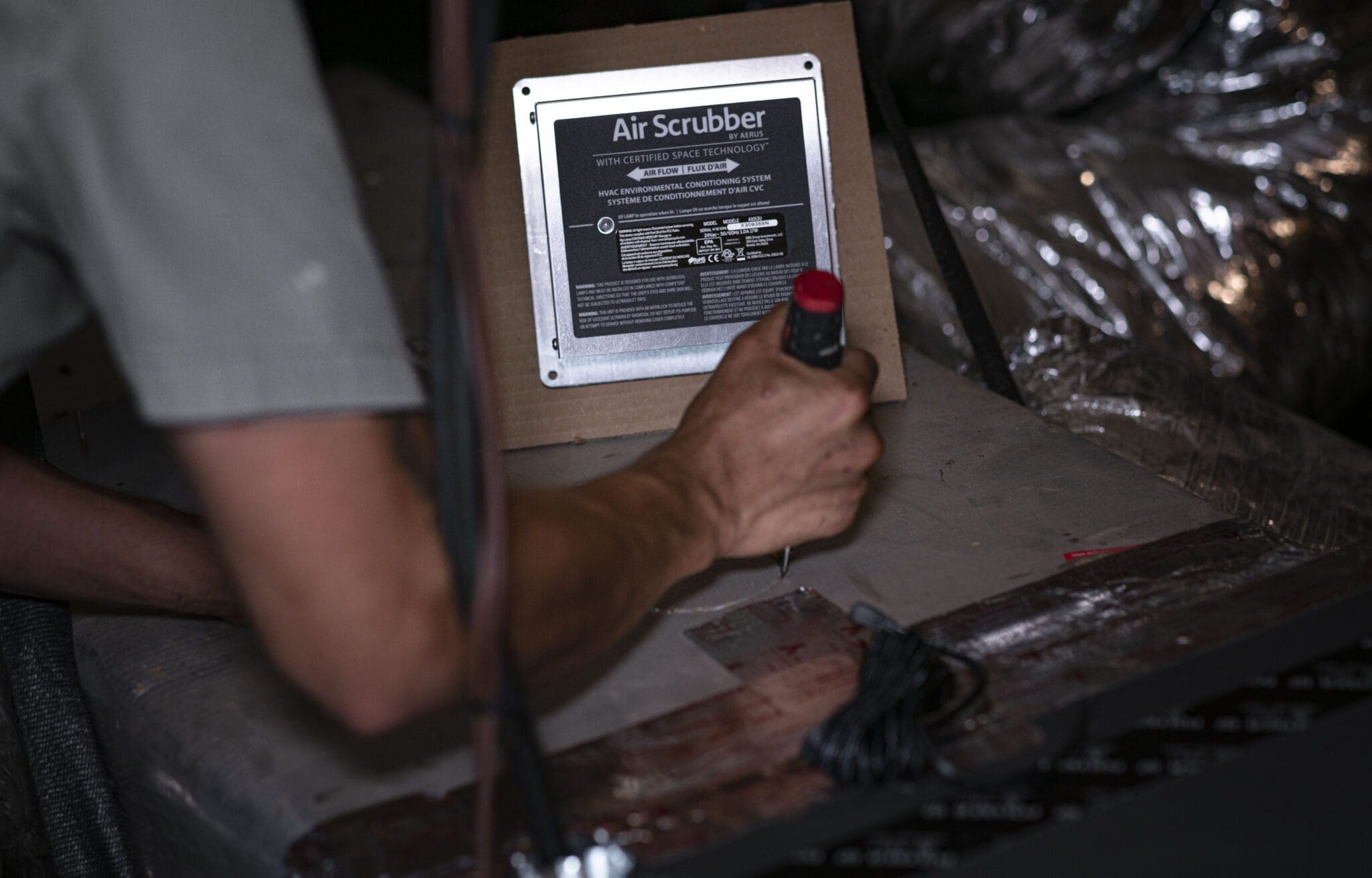
What is an Air Scrubber? The quality of the air we breathe in our homes and workplaces can have a direct impact on our health and well-being - but what can you do to ensure you maximize the air quality in your space? Air scrubbing technology is a powerful tool that’s quickly gaining traction in the fight against indoor air pollution. Air scrubbers are an air cleaning device that effectively removes pollutants such as dust, pollen, mold spores, and viruses from the air as it passes through. These devices are easy to install, can be integrated into existing HVAC systems, and come in a variety of sizes and power capacities, giving you the flexibility to find the right fit for your space. Plus, you’ll enjoy the benefits of improved indoor air quality, including a reduction in airborne contaminants that can be inhaled and often smelled. Read on to learn more about air scrubbing technology, the types of contaminants that air scrubbers remove, and how you can easily get an Air Scrubber installed in your home. How Does an Air Scrubber Work? An air scrubber is a device designed to improve the quality of air within an HVAC System. It works by removing airborne particles that can be hazardous to human health. Air Scrubbers are directly installed within the duct work of your HVAC System to filter out pollutants. The basic principle behind an air scrubber is to capture and filter out contamination. The device draws in contaminated air and forces it through a series of filters that remove dust, pollen, allergens, and other particles. The air is then cycled back in the room. This ensures that clean, filtered air is circulated throughout the area. Air scrubbers use a variety of filter types to achieve the best results. Common filters used are High-efficiency particulate air (HEPA) filters and activated carbon filters. HEPA filters capture the finest pollutants, such as pet dander, mold spores and bacteria. Activated carbon filters can absorb gases, odor and smokes. An air scrubber is a valuable tool for improving indoor air quality. It can help remove airborne particles that can cause allergies and other health problems. It is also an effective way to reduce the number of airborne pollutants, reduce odors, and improve the overall air quality of a home or office. Types of Contaminants That Air Scrubbers Remove When it comes to improving indoor air quality, one of the most effective methods is to use an air scrubber. Air scrubbing technology uses a range of filtration techniques to capture and remove airborne contaminants from your HVAC system, air conditioning unit, or other indoor air quality sources. Volatile Organic Compounds (VOCs) VOCs are chemical compounds released from everyday household items, such as cleaning products, paints, furniture, and other materials. If these compounds linger in the air, they can cause serious health concerns, including headaches, nausea, and more. Air scrubbers can reduce VOC levels in your home by removing them from the air. Dust Particles are a common indoor air pollutant, which can aggravate existing health issues. To combat this, the installation of an Air Scrubber within the HVAC and Air Conditioning system of your home can help to improve Indoor Air Quality (IAQ). An Air Scrubber works to not only filter dust particles from the air, but it can also help to reduce the spread of airborne particles and eliminate the pollutants in the air. Furthermore, the AC unit can be used in conjunction with the Air Scrubber to provide additional benefits, such as reducing the amount of dust and particulate matter present in the air. By utilizing this technology, homeowners can maintain a healthier environment in their home and help to improve their IAQ. Pollen is an unavoidable source of indoor air quality issues which can lead to respiratory distress. While it is impossible to eliminate all pollen from a building, Air Scrubbing Technology can help reduce its presence in the air. This technology works in tandem with the HVAC and Air Conditioning system to minimize the amount of pollen in the air. By installing an Air Scrubber within the heating and cooling system, it circulates air throughout the home or building, capturing toxins, mold and other particle contaminants from the air. This helps to ensure the indoor air quality remains safe and healthy for everyone, and helps to prevent the potential for respiratory distress caused by pollen. Mold Spores Mold spores are another major factor that can affect indoor air quality. These microscopic particles are often invisible to the naked eye, but they can easily be inhaled and cause respiratory problems. Air scrubbing technology can help to drastically reduce the levels of airborne mold spores in the home by utilizing the existing HVAC system and air conditioning unit. The air scrubber works by creating a powerful air flow that captures and breaks down mold particles in the air, before they can enter the system. This helps to improve the overall indoor air quality and reduces the risk of breathing in unhealthy mould spores. Benefits of Air Scrubbing Technology Air scrubbing technology is a powerful tool for eliminating harmful contaminants from the air inside of homes and businesses. It helps improve indoor air quality by removing particulate matter, including dust, dander, and pollen, as well as chemical contaminants and microorganisms that can lead to illness. Air scrubbers can also reduce the amount of allergens and odors that can cause health issues. Air scrubbing technology works in tandem with other forms of air filtration such as an HVAC system, air conditioner, or ventilation fan. They work by passing contaminated air through a series of filters and neutralizers that capture and neutralize airborne contaminants. This helps prevent their release into the air and eliminates their health risks. Air scrubbers can easily be installed in residential and commercial settings. They are also very effective at trapping and removing particulate contaminants and microorganisms, which can be especially beneficial for those with allergies or asthma. They can also help reduce the amount of mold, bacteria, and VOCs (volatile organic compounds) in the air. Air scrubbing technology is an effective way to improve indoor air quality, reduce allergens and odors, and protect the health of those living and working in the space. By using a combination of air filtration and scrubbing, homeowners and business owners can help ensure the air they’re breathing is clean and healthy, reducing the risk of health complications and illnesses caused by poor air quality. UV Lights Air Scrubbers are best when paired with UV Lights. Air scrubbers remove particles through filtration and those filters will fill with contaminants which can be a home for micro organisms. These organisms wreak havoc in homes and in your HVAC Unit. They can clog up your system reducing efficiency and also causing issues like clogged drains. These same organisms will keep you and your household fighting off sickness year round. They can Also be key contributors in issues like Asthma. UV Lights kill all the organisms lurking in your system preventing all kind of issues. Read more in our article about UV Lights and all their benefits! How to Choose the Right Air Scrubber for Your Needs Easy Installation The installation process for air scrubbing technology is quick and straightforward. Most air scrubbing systems can be quickly and seamlessly integrated into an existing HVAC system or air conditioning unit. Simply place the air scrubber in the return ductwork, connect the power line and then you’re ready to go! A Skilled Technician will be able to determine where an Air Scrubber should be placed and the best way to take care of your home and system in just a few minutes. Air scrubbing is an excellent way to help improve indoor air quality, as it helps to eliminate contaminants like mold, bacteria, and dust mites that can harm the health of your family. Investing in an air scrubbing system can bring about a noticeable improvement in the quality of air in your home, as well as benefit your long-term health. If you have any questions or interest in an Air Scrubber, please don't hesitate to call us! (210)468-6117

HVAC Service Company Beluga Air Helpful Tips

How Installing UV Lights In Your HVAC System Can Help You Save Big

What are UV Lights in HVAC Systems? Are you looking for a way to save money on your energy costs? Installing UV lights in your HVAC system could be the answer. UV lights can help reduce airborne illnesses, eliminate odors, and give you cleaner and healthier air to breathe. Plus, they offer lower energy bills and better long-term values. In this article, you’ll learn about the benefits of installing UV lights in your HVAC system and the best way to go about it. We’ll discuss what UV lights are and the cost savings of installing them, as well as the health benefits, and installation options. Benefits of Installing UV Lights in HVAC Systems UV lights offer an effective means to reduce the cost of air conditioning repairs and maintenance while also providing a healthier indoor environment. Installing UV lights in your HVAC system can provide many benefits and help you save big in the long run. The most significant benefit of installing UV lights in your HVAC system is the reduction in air conditioning and heating maintenance costs. By installing a UV light in the main supply duct of your HVAC system, the light will destroy a number of airborne contaminants, including molds, bacteria, and viruses, which can potentially cause serious health problems. This reduces the need for frequent maintenance and repair of your air conditioning system. In addition to reducing the costs associated with air conditioning and heating maintenance, UV lights also provide a healthier indoor environment. As the light destroys these airborne contaminants, it also decreases the amount of pollen, dust, and other particles in the air. This leads to an overall improvement in air quality and can help reduce allergy symptoms and other respiratory illnesses. Finally, installing UV lights in your HVAC system can also help improve the efficiency of the system. Since the light is able to destroy the contaminants that can build up in the system, it helps to reduce the amount of time the air conditioner takes to cool or heat the home. This, in turn, reduces the amount of energy needed to heat and cool a home, ultimately leading to lowered energy bills. Installing UV lights in your HVAC system can provide a number of benefits, from reduced air conditioning repairs to an improved indoor air quality. By investing in a UV light, homeowners can save money on maintenance costs, have a healthier indoor environment, and reduce their energy bills. Energy Efficiency Installing UV lights in an HVAC system can be one of the most cost-effective investments you make to improve the energy efficiency of your home. Not only can the installation of a UV light help prevent the spread of airborne viruses, bacteria and other contaminants within your home, but it can also reduce energy costs significantly. UV lights work by using ultraviolet radiation to destroy contaminants including mold, mildew, dust mites and other allergens. These contaminants grow with in your system clogging up units and reducing efficiency. By installing UV Lights you can effectively cut down on this growth allowing your fans to push air more efficiently Additionally, by having cleaner air circulating throughout your home, you’ll also be reducing dust accumulation on surfaces like furniture and electronics, which will further reduce energy costs due to decreased frequency of dusting or cleaning. Finally, adding a UV light system can also extend the lifespan of your HVAC system since it will no longer need to work as hard to cool or heat your home as efficiently. With improved efficiency from fewer pathogens blocking airflow or clogging up filters, you'll find fewer repairs necessary on mechanical parts like fans or motors. Reduce Airborne Illnesses Including UV Lights in your HVAC system can help reduce the number of airborne illnesses in your home. By utilizing germicidal UV Lights, the air conditioner will assist in killing bacteria, mold, and other pollutants that can cause respiratory problems. This can help your family stay healthy, as well as help prevent costly AC repairs. UV Lights will keep your air conditioner running cleanly and efficiently, allowing you to save money on ac repairs. Additionally, the UV Lights will take the strain off of your home’s air conditioning system, allowing it to function more efficiently and cost-effectively. Eliminate Odors Installing a UV light into your HVAC system is an excellent way to eliminate unwanted odors in your home. Whether it’s smoke from cooking, pet odors, or general stale air, the UV light helps to purify the air and remove unpleasant smells. UV lights are placed at the beginning of the system and eliminate contaminants through out the entire duct system. This means odors are eliminated quickly and effectively. Professional installation of a UV light is the best way to ensure proper installation and ensure the most efficient performance. Contact a trusted AC repair company to get expert advice and help with installing a UV light. Better Long-Term Value Installing UV lights in your HVAC system is a great way to save money in the long-term. By doing so, you’ll be able to reduce the amount of AC repairs you’ll need over the years. It will also decrease the amount of maintenance your system requires each year, as the UV light will help clean the air, reducing the amount of dirt, dust, and other particles that clog up the entire system and make it work harder. Clogged drains are one of the most common issues that shut off your HVAC system during the summer. UV Lights help to kill the bacteria growth that would clog your drain lines and shut your system down. This problem is exceptionally common in the hottest months of the year when bacteria grows the fastest. All in all, installing a UV light in your HVAC system is a great way to save money in the long-term and keep your air conditioning system running efficiently year after year. Installing UV Lights in Your HVAC System UV Lights are simple to install, but you need to make sure you get a couple of things right. Choosing the Correct Size and Type of UV Light When it comes to choosing the right type and size of UV Light for your HVAC system, it is important to consider your home’s size, existing air conditioning system and the type of air conditioning unit you have. The size of the UV Light is dependant on where it will be installed and how much air needs to be cleaned. Generally, a UV Light should be powerful enough to transition air through the HVAC system multiple times in a day in order to be effective. Additionally, it is also important to choose a quality UV Light unit that is designed to last for a long time with minimal maintenance and upkeep. Consulting a professional or doing research online can help you determine the right type and size of UV Light for your specific HVAC system. Considering Placement and Installation Options When installing UV Lights in your HVAC system, there are a few factors to consider. First, identify the ideal placement for your UV Lights—typically, either in the ducts or within the air handler. Installing the UV Lights in the air handler allows for maximum air circulation inside the unit and is the most effective placement for reducing air quality contaminants. Installing the UV Lights in the ducts is also viable, as long as the lights receive adequate air flow to reach every corner of the system. Depending on your HVAC system, you may need to consult a professional HVAC technician to properly install your UV Lights. Installing UV Lights requires dismantling the air conditioning unit and is best done by a professional. If you have any questions, don't hesitate to reach out. (210)468-6117

HVAC Service Company Beluga Air Helpful Tips

Most Common Indoor Air Pollutants & How They're Making You Sick!

Common Indoor Air Pollutants Did you know that the air inside your home can be more polluted than the air outside? Poor Indoor Air Quality (IAQ) can affect your health and wellbeing, leading to symptoms like allergies, headaches and fatigue. To keep yourself and your family safe from the hazards of indoor air pollution, it’s important to be aware of the most common pollutants in the air and how to address them. In this article, we’ll take a close look at the most common indoor air pollutants and what you can do to reduce their presence in your home. We’ll explore the role of HVAC systems in improving IAQ, the importance of air filters and HEPA filters, and how IAQ solutions can help improve air quality in your home. So let’s get started! Mold is one of the most common indoor air pollutants, and can have a serious impact on Indoor Air Quality. Mold can be found anywhere, but is particularly common in areas of high humidity or any area with a moisture problem. HVAC systems or air conditioning can also lead to mold growth when moisture is trapped in the system. Inhalation of mold spores can cause allergies, sickness, and respiratory problems, such as asthma. It is important to make sure that the humidity level in your home is kept to a minimum to reduce the growth of mold, and that any water or moisture issues are dealt with quickly. Pet Dander and Saliva Pet dander and saliva are two common indoor air pollutants that can contribute to diminished indoor air quality. Pet dander is a combination of dried skin flakes, fur and saliva that are released into the air when an animal licks itself or sheds. All animals, large and small, can produce and release pet dander and saliva. In poorly ventilated spaces, the particles can circulate through your HVAC system, spreading to all parts of your home. These air pollutants can cause various health problems, especially for those with allergies or asthma. Coughing, sneezing and respiratory distress can come from pet dander, as well as reactions from contact with pet saliva. When poor indoor air quality accumulates, it can lead to additional issues such as hay fever, headaches and fatigue, as well as illness like the common cold. These problems can be avoided or minimised with proper air conditioning and ventilation. Regular maintenance on HVAC systems help to not only keep air clean, but also reduce the amount of allergens and irritants in the air. A good air filter can also help to reduce pet dander and saliva in the atmosphere. Dust Mites and Pollen Dust mites and pollen are two of the most common indoor air pollutants. Dust mites are microscopic arachnids that feed on dead skin cells, mold, and other organic particles. They can be found in carpets, upholstered furniture, bedding, curtains and other fabric surfaces. Pollen is a powdery substance released by plants in order to fertilize other plants of the same species. While some people aren't affected by them, dust mites and pollen can cause a variety of allergic reactions in people who are sensitive to them. Exposure to dust mites and pollen can cause symptoms such as sneezing, coughing, nasal congestion, itchy eyes and skin rashes. In more severe cases they can lead to asthma attacks or a worsening of existing asthma symptoms. To reduce your exposure to dust mites and pollen indoors, make sure to wash bedding in hot water frequently, vacuum carpets and upholstery regularly, keep windows closed during allergy season and use an air filter that is designed to remove allergens from the air. Humidity and Ventilation Humidity and ventilation are two of the most important aspects of indoor air quality. Poor ventilation and excessive humidity can both create unhealthy and hazardous environments. High Humidity High humidity creates an environment that is especially conducive to the growth of molds and mildews. Mold spores can travel through the air and cause allergic reactions or respiratory problems for susceptible individuals. The damp environment also encourages the growth of dust mites, which can also cause allergies and other health problems. Additionally, high humidity can cause other problems such as deteriorating insulation and wood. This can lead to structural damage to the home, further reducing the air quality by allowing dust and other pollutants to enter the air space. Poor Ventilation Poor ventilation also has serious consequences. Proper air movement is essential in order to dilute and circulate pollutants in the air. Without suitable air exchange, pollutants accumulate in the air, leading to higher pollution levels. Solutions HVAC systems are one of the best ways to prevent pollutant buildup in your home. HVAC systems provide a means of circulating clean, fresh air and dehumidifying the air when necessary. Additionally, filters can be added to the HVAC system to remove pollutants before they enter the air space. Using air conditioning can also help reduce humidity levels in the home and can help to prevent the growth of molds and dust mites. UV Lights The use of UV lights in home HVAC systems is an increasingly popular method to help reduce the amount of indoor air pollutants. Ultraviolet (UV) light is a type of electromagnetic radiation that is invisible to the human eye, but it has powerful disinfecting capabilities in the fight against indoor air pollutants. You can effectively eliminate the growth of organic matter in your home such as mold, mildew and viruses by exposing them to Ultra Violet Light. Learn More in our article on ULTRA VIOLET LIGHTS and how they can save you money! Air Scrubbers Air scrubbing technology is quickly gaining traction in the fight against indoor air pollution. An air scrubber is an air cleaning device that uses a filtration, absorption, or adsorption process to remove pollutants from the air. They are designed to capture airborne particles such as dust, pollen, mold spores, and viruses from the air as it passes through. Commonly used in commercial buildings such as office buildings and hospitals, air scrubbers help improve overall air quality and reduce the amount of pollutants that can be inhaled by both workers and customers. Finally, regularly cleaning your home is also an important step in maintaining good indoor air quality. Routine cleaning and vacuuming reduces the amount of dust and other allergens in the air, helping to prevent allergies and sickness. Proper humidity and ventilation levels, coupled with regular HVAC maintenance and cleaning, can help ensure healthy indoor air quality. By taking these steps, you can help protect yourself and your family from the damaging effects of airborne pollutants. Read More About Air Scrubbers Additional Information available at: https://www.osha.gov/indoor-air-quality https://www.epa.gov/indoor-air-quality-iaq Have Questions? We'd love to answer your questions and help you in any way. Contact U s

Contact Us

Fill out this form below and we'll contact you shortly
*Required Fields

Get your free quote!

Call 210-468-6117 or fill out the form below