


• Beluga Air

Blog / HVAC

Indoor Air Quality: Why Is It Important?

The Importance of Indoor Air Quality

Introduction

The air quality within a home can have a profound effect on one’s overall health and wellbeing. Poor air quality can lead to a variety of health issues, including greater risk of developing allergies and respiratory problems. On the other hand, good air quality can improve one’s lifestyle, productivity, and sleep. Indoor air quality is an important factor to consider.

What is indoor air quality? According to the Environmental Protection Agency, “indoor air quality is the air quality within and around buildings and structures, especially as it relates to the health and comfort of building occupants.” It’s the air quality we breathe in and out. It’s the air quality that we can control if we take the proper steps.

One of the primary ways to improve indoor air quality is through regular maintenance of an HVAC system. The HVAC system is the main equipment that helps to condition the air inside a home or office. It keeps the air circulating and filtered in order to reduce contaminants and airborne allergens.

In this article, the importance of indoor air quality will be discussed. Not only will the effects of poor air quality be outlined, but also the benefits of having good air quality. Lastly, ways to improve indoor air quality through HVAC maintenance will be highlighted.

Ultimately, it’s important to have a good understanding of indoor air quality and the steps needed to maintain it. Fortunately, Beluga Air is here to provide quality services to ensure that your home or office space has the best air quality possible.

Effects of Poor Air Quality

Poor air quality can have severe effects on our health. It can cause a range of allergies and respiratory issues, and can even lead to greater sickness. Some of the most common effects of poor air quality are: allergies and respiratory issues, fatigue, headaches, and increased risk of developing asthma.

When the air we breathe is not consistently high-quality, the body is subjected to a constant barrage of toxins. This can cause inflammation and constriction in the lungs, which can lead to difficulty breathing and increased symptoms of allergies, such as sneezing, coughing, and itchy eyes.

Poor air quality can also lead to increased levels of fatigue and headaches. This is because the body has to work harder to filter out the toxins in the air. As a result, the body can become exhausted and struggle to function normally. Headaches are a common symptom of exposure to poor air quality. When the air we breathe is polluted, our bodies are exposed to toxins that can weaken the immune system and make us more vulnerable to illnesses. This can cause more frequent illnesses such as colds, flu, and other respiratory illnesses.

These are just some of the effects of poor air quality. Poor air quality can have a serious impact on our health, and it is important to take steps to ensure the air we breathe is clean and safe.

Benefits of Good Air Quality

Having good indoor air quality is extremely beneficial to both our mental and physical well-being. Clean air can help reduce the symptoms of allergies, asthma, and other respiratory illnesses. It can also improve our productivity, quality of sleep, and help maintain a healthy lifestyle.

Increased Productivity

Poor air quality can be detrimental to one's mental and physical performance. Studies have shown that employees’ productivity is directly linked to the air quality in their workplace. Good air quality has been linked to improved cognitive functioning and higher levels of concentration. It can also reduce fatigue, headaches, and other physical symptoms which can have a negative impact on performance.

Improved Sleep

Indoor air quality can also affect our quality of sleep. Poor air quality can cause people to wake up feeling tired and unrested, making them less alert and productive during the day. On the other hand, good air quality can help improve sleep quality and individuals wake up feeling more energized and ready to take on the day.

Reduced Allergies and Asthma Symptoms

Clean air can also have a direct impact on allergies and asthma. Pollutants and poor air quality can worsen the symptoms of these conditions and can even trigger flare-ups. Good air quality can reduce the severity of these symptoms, making it easier for individuals to manage their condition.

Help Maintain a Healthy Lifestyle

Good air quality can also help us maintain a healthy lifestyle. Poor air quality can be linked to greater sickness as well as long-term health issues such as heart and lung diseases. Good air quality is essential for the prevention of these diseases and can even help improve overall mental well-being.

Overall, good indoor air quality can benefit us in numerous ways. It can help improve our productivity, sleep, and reduce the severity of respiratory illnesses. It can also help us maintain a healthy lifestyle and prevent long-term health issues. Having clean air is essential for our overall mental and physical health and well-being.

Ways to Improve Indoor Air Quality

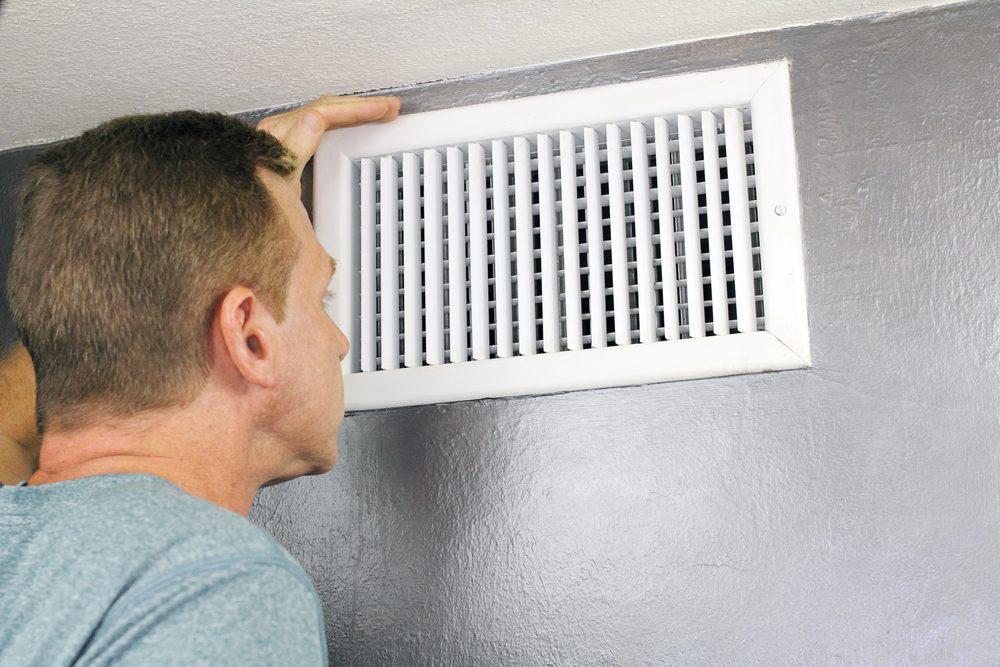
Regularly Clean Your HVAC System: A thorough cleaning of your heating, ventilation, and air conditioning (HVAC) system on a regular basis is one of the most effective ways to keep your indoor air clean. This should include a full inspection and cleaning of all parts of the system, including the filters, coils, and ducts. Additionally, it's important to make sure your HVAC system is properly maintained and serviced to ensure it is running at peak efficiency.

Change Air Filters Regularly:

The air filter is one of the most important components of your HVAC system. It helps to trap dust and allergens, preventing them from circulating through your home. Over time, however, the filter can become clogged and less effective, so it's important to change your filter on a regular basis.

Install Humidifiers and Dehumidifiers:

Humidity levels play an important role in air quality. Too much humidity can cause mold and mildew to grow, while too little humidity can cause the air to become dry and uncomfortable. Installing a humidifier and/or dehumidifier can help you maintain optimal humidity levels in your home and improve the air quality.

Ventilate the Air:

Proper ventilation is key to improving air quality. Make sure that your home is well-ventilated by opening windows and doors regularly. Also, it's important to ensure that your exhaust fans are in good working condition and that they are vented to the outdoors.

Mindful Of Pollutants From Outside:

Although improving the air quality inside your home is important, it's also important to be mindful of pollutants from outside. This means avoiding activities such as smoking or burning wood or other materials in your yard, and keeping your windows and doors closed when there is a lot of pollution in the air.

By following these simple steps, you can make sure that the air in your home is as clean and healthy as possible. Beluga Air offers a wide range of services to help you maintain good indoor air quality, from inspecting and cleaning your HVAC system to installing air purifiers and dehumidifiers. Contact Beluga Air today to find out how we can help improve the air quality in your home!

Conclusion

Indoor air quality plays a crucial role in our overall health and wellbeing. Poor air quality can lead to allergies, asthma, respiratory issues, and even long-term health problems. On the other hand, good air quality can improve productivity, reduce allergies and asthma symptoms, help maintain a healthy lifestyle and much more.

Fortunately, there are a few ways to improve indoor air quality such as regularly cleaning your HVAC system, changing air filters regularly, installing humidifiers and dehumidifiers, ventilating the air, and being mindful of pollutants from outside.

At Beluga Air, our knowledgeable team has the experience and expertise to help you obtain the highest level of indoor air quality. Our HVAC services are designed to meet all your needs. We provide services such as air filter replacement, duct cleaning, air quality testing, and more.

Having good indoor air quality is a must for your health and wellbeing. Don’t wait any longer to improve your indoor air quality. Contact Beluga Air today for the best HVAC services and solutions. Our team of experts will help you achieve the cleanest and freshest indoor air quality.
Posted in:

Related Posts

We install hvac air scubbers in Alamo Heights, Texas

How Do HVAC Air Scrubbers Work, and Are They Worth the Investment?

Here in Alamo Heights, TX, we get plenty of heat and humidity, and that means mold can grow easily and allergens build up indoors because windows are closed to allow the AC to run. The answer to this problem is HVAC air scrubbers. These allow you to have fresh, clean air at all times. How HVAC Air Scrubbers Work more These devices attach to the ductwork in your home, and when the fan turns on, air gets drawn into the scrubber's chamber. Inside, a combination of ultraviolet light and a coated surface starts a reaction that changes water and oxygen molecules into active cleaners like hydrogen peroxide and hydroxyls. These cleaners then spread out into the rooms and break down bacteria, viruses, mold spores, and volatile organic compounds at the molecular level. Basic filters just trap dust, but this process actively destroys the harmful particles that are in the air as well as particles lingering on surfaces. The scrubber uses a honeycomb structure to maximize contact between the air and the reactive elements, and some models also include HEPA filters to catch larger debris before the chemical process kicks in. Best of all, the setup just runs automatically whenever your system circulates air, so you don't need a separate cleaner in every room. Understanding the Tech Ever wonder why outside air is cleaner than inside air? The sun has a lot to do with it, and that's the core tech behind these scrubbers. They use sunlight-mimicking light rays to create safe oxidizers that mimic natural outdoor cleaning processes. Once released, these oxidizers attach to pollutants and break them into harmless water and carbon dioxide. Benefits of Using Air Scrubbers The key advantage is better health through cleaner air. Scrubbers cut down on allergens like pollen and dust mites, reduce viruses and bacteria, and keep mold from growing. They also reduce odors from cooking, pets, or smoke. On top of that, having less dirt around means your HVAC equipment tends to last longer and need fewer repairs, and the efficiency improves because you need less energy to move air. Are They Worth the Investment? Scrubbers are an initial investment, and you'll also have to keep up with maintenance if you want to get all the benefits. If you forget to swap out the UV bulbs or let the filter get too full, the system won't do the job you got it to do. All that said, the benefits do really add up, and particularly if someone in your home struggles with asthma, has serious allergies, or is immunocompromised. These scrubbers get rid of up to 99% of common contaminants, which can make a huge difference to quality of life. And, over time, they make a difference in your energy bills and repair and replacement costs for the HVAC unit as a whole. Beluga Air Serves Alamo Heights, TX If you're considering a scrubber for indoor air quality improvements, want a quote or some advice, or need HVAC maintenance, contact Beluga Air in Bexar County today to learn more.

UV light is an essential component for maintaining a healthy environment.

What Are the Benefits of Installing UV Lights in Your HVAC System?

UV light is an essential component for maintaining a healthy environment. HVAC UV lights can make a huge difference to your San Antonio home. They kill bacteria and viruses before they can reach your family's lungs and control mold growth. Here's a full rundown of the benefits you can expect. The Benefits of HVAC UV Lights in San Antonio Homes Kills Bacteria more UV radiation distorts the DNA of bacteria and blocks its ability to send the protein signal that allows that bacteria to thrive. This means the bacteria eventually mutate and die. If any bacteria should manage to survive the UV light initially, the damage done to their amino acids makes it impossible for them to replicate or create the proteins they need to caused harm to us. Kills Viruses With viruses, the action is a little bit different. Again, the RNA or DNA of the virus itself is disrupted by the light, and while the virus sometimes technically remains alive, it becomes unable to infect a host cell. Tests have been done showing that UV light effectively neutralizes the viruses that cause pneumonia, E. coli, staph infections, yeast infections, and coronavirus, among many others. Destroys Mold With mold, UV light sends out high-energy photons that are absorbed by the DNA and RNA of the mold spores. This makes them unable to reproduce, so the mold eventually just dies out. To completely kill mold in one go, you have to have concentrated UV light on the pores for long enough, so the benefit of mold control with a UV light in your HVAC system is primarily that it prevents the growth of mold within the system itself, particularly the coils, pan, and ductwork, which often stay relatively moist and are otherwise prone to mold growth. Silent Protection Unlike noisy filters, UV light simply does the job without creating a lot of background noise that many people don't want in their homes. Perfectly Safe When the system is installed professionally, it's perfectly safe. The UV light is much like sunlight, but since it's all contained within the unit, there's no danger to you or your family. Technicians working on your unit should wear eye protection when the unit is open, but there's no other concern. Things to Know It's important to remember that the UV bulbs will need to be changed regularly, as they gradually lose their effectiveness. Talk with us about how often is appropriate with your unit. This can usually be done during regular servicing. It's also critical to remember that UV light doesn't affect dust and pet hair, which can be potent allergens for some people. You will still need a filter in the system to catch these types of allergens, and particularly if you have a family member with strong allergies or asthma issues. To find out what the UV light can do for you and your family, talk to us today at Beluga Air in San Antonio, TX. Our goal is to provide the best service in the city and set the standard for HVAC service.

Indoor Air Filtration for HVAC Units.

Can Improving Indoor Air Quality Help With Allergies and Respiratory Issues?

Most of us spend the majority of our time inside homes, offices, or other enclosed spaces these days, and that means the quality of the air we breathe indoors is now a critical factor in overall health. And for no one is this more true than those who suffer from allergies and respiratory issues. The good news is that improving your indoor air quality here in San Antonio is possible, and it's effective for those with respiratory concerns. Can Improving My San Antonio Indoor Air Quality Help With Allergies and Respiratory Issues? more Some of the common pollutants that lurk in our indoor air include volatile organic compounds (VOCs) released from household products like paints and furniture; biological contaminants like mold spores; and allergens, which come from dust, pests, pets. Even everyday activities that we have to engage in, like cooking, can introduce fine particles and gases into the air that irritate the lungs. These pollutants can trigger immune responses in sensitive individuals, and poor indoor air quality has been linked to a range of health problems, from mild breathing difficulties all the way up to increased hospital visits. When your indoor air is laden with irritants, your body's immune system goes into overdrive producing histamines. The lungs and airways are the first line of defense against inhaled pollutants, so chronic exposure can lead to inflammation, reduced lung function, and a higher susceptibility to infections like the flu or pneumonia. Here's how to deal with it: Get Better Ventilation One of the best things you can do is just get better ventilation: open windows when outdoor air is clean or use exhaust fans in kitchens and bathrooms. This fresh air exchange will dilute the indoor contaminants. However, if you live in a high-pollution area (like right up against a major road), you're in a building where windows can't open (like an office), or it's too hot or cold to open up (a lot of the year here!), mechanical ventilation systems with filters can achieve similar results. An HVAC system with high-efficiency particulate air filters (HEPA filters) will capture tiny particles like allergens and dust and improve life for everyone in the building. Keep Things Cleaned and Serviced Your HVAC system can do a lot, but not if it's full of dust. Regular cleanings are going to make a huge difference, but they have to be done right, without stirring up dust or driving it deeper into the system. At Beluga Air, we'll come do a careful assessment of your system, then use our advanced equipment to do a real deep clean. We don't shove dirt and dust deeper in: we remove it entirely. Then we'll sanitize your system to ensure no mold, bacteria, or their spores remain. To breathe more comfortably in your home or office, call us today at Beluga Air in San Antonio, TX. Check out our coupons section to save, and ​consider a membership with us, where you'll get your HVAC system tuned up each year along with a 10% discount, priority scheduling, two free service calls, our bio fresh ​treatment, and more.

Get your free quote!

Call 210-468-6117 or fill out the form below