
Introduction
Does your air conditioner smell bad? This is, unfortunately, an extremely common problem. If your AC smells like Socks, wet clothes, mildew or something else unpleasant, it is a sign that there is something wrong with it. Fortunately, most AC problems that cause odors can be fixed with general maintenance or a simple cleaning.
In this article, you will learn not only the most common causes of unpleasant AC odors, but also the best ways to get rid of them. You will also find out how to prevent AC odors in the future and ensure your air conditioning system runs smoothly. Keep reading to find out all you need to know about why your AC smells and how to solve the problem.
Causes of Unpleasant Odors
Unpleasant smells coming from your air conditioner can be caused by a number of factors. This section will explore some of the primary causes of odors coming from your AC, including dirty air filters, mold or mildew buildup, buildup of dust and debris, and rodent infestation.
Dirty Air Filters
Old Filters are one of the most common causes of an unpleasant odor coming from your AC system. The air filters in an HVAC system act to clean the air as it enters the unit, preventing dust, dirt, and other debris from entering the system and spreading within your home. When these filters become clogged with debris, they are unable to effectively clean the air, resulting in a buildup of odors. This is why it's important to regularly check and maintain your air filters and arrange for regular AC maintenance in order to ensure that they are properly replaced when needed. If you're unable to locate or replace the filters yourself, it is recommended that you seek the assistance of a professional AC repair technician to ensure that the job is done correctly.
Mold or Mildew Build Up
Mold and mildew can be the source of unpleasant odors coming from air conditioners. In high humidity areas, condensation on the evaporator coil can lead to mold or mildew growth. A visual inspection of the indoor unit's evaporator coil can reveal telltale signs of mold or mildew.
To clean and prevent future mold or mildew buildup, you'll need to access the evaporator coil in most cases. This is usually done by removing panels. First, turn off the power supply to avoid possible injury. Then use a stiff brush to help dislodge any visible build-up on the evaporator coils. To complete the cleaning process, spray an anti-fungal cleaner onto the coils and let it sit for 10-15 minutes before rinsing with warm water or a wet/dry vacuum.
Once cleaned, you'll want to increase airflow through your system by replacing filter regularly, sealing leaky ducts, and having your AC serviced regularly by a professional technician who can check for buildup and other issues that could be disrupting air flow.
Buildup of Dust and Debris
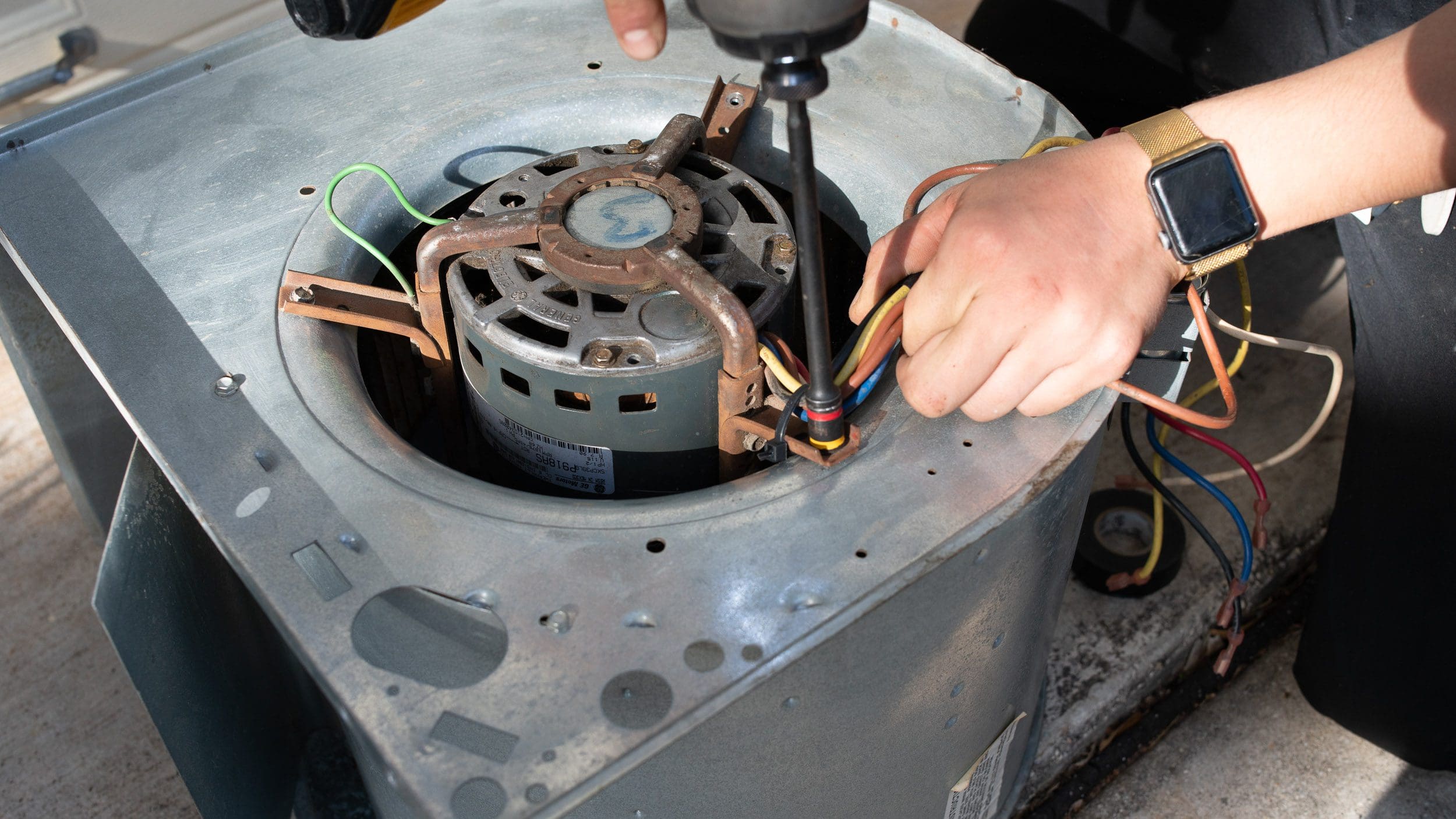
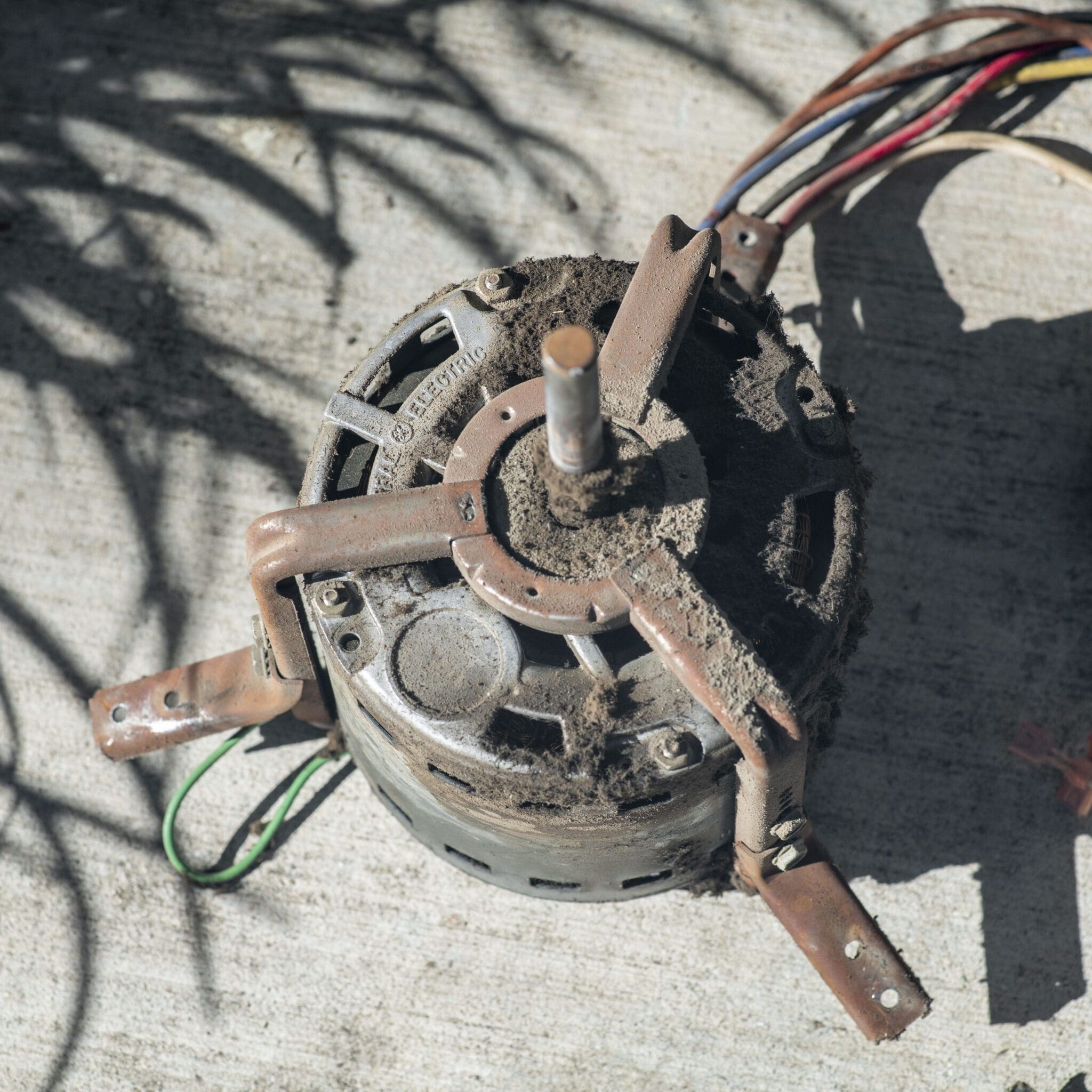
Accumulated dust and debris in your AC unit is a common cause of unpleasant odors. Your air conditioning system requires regular maintenance to keep it in peak condition, as it is subject to heavy use throughout the year. To remove the dust and debris left behind by your AC, you may need the help of an HVAC technician to perform an AC repair. Regular air conditioning maintenance could help reduce the accumulation of dust and debris and reduce the chance of unpleasant odors.
Rodent Infestation
If your AC is smelling musty and stale, it could be a sign of rodent infestation. Rodents that have made their home in your air conditioning system can spread bacteria, parasites, diseases, and bad odors. It’s important to take action immediately if you suspect that rodents are the source of the smell in your AC.
The first thing you should do is assess the situation to determine whether or not there is a rodent infestation. Start by inspecting the ducts and air handler for signs of nesting or damage from chewing on wires and insulation. If you find evidence of mice or rats, then you need to take steps to get rid of them.
The best way to do this is to contact a professional pest control company. They will be able to use specialized equipment and techniques to locate where rodents are entering your home as well as remove them safely and humanely. It’s also important to take other precautions such as sealing off any entry points with wire mesh or caulk, removing any food sources such as pet food or bird seed, and making sure all trash cans are securely sealed with lids.
Once the rodents have been removed and all entry points are blocked off, it’s time to deal with the smell in your AC system. You can start by changing the air filters regularly, which will help prevent dust buildup that can contribute to bad odors. You may also want to consider using an air purifier in order to help clear any lingering smells caused by bacteria from rodent droppings. Finally, hire a professional HVAC technician who can inspect your system for any evidence of infestation as well as perform deep cleanings in order to eliminate odor-causing bacteria and debris trapped in the ducts. He may also suggest installing UV Lights or an Air Scrubber to permanently deal with foul smell issues.
Preventing AC Smells
Regularly Change or Clean Air Filters
It is essential to routinely maintain your AC unit by changing or cleaning air filters. Dirty air filters in central air conditioning systems can attract dirt and dust, leading to odor problems within the system. In addition, trapped dust and debris can reduce airflow and lead to system malfunctions, necessitating costly repairs. Make sure to regularly check your filters for dust and debris and clean or change them as instructed by the manufacturer or by your local HVAC or AC repair professionals. This will help ensure the system runs smoothly and keep foul odors away.
Clean Condensate Drains
can be an important factor in keeping your AC from smelling bad. Condensate drains house the moisture that your Air Conditioning unit accumulates during operation and can, over time, build up dirt, debris and mold that can contribute to a bad smell. Regular maintenance and inspection of these drains can help keep the AC operating more efficiently and prevent bad smells. If you suspect a clog in the condensate drain, it is advisable to call an HVAC professional to inspect and repair or clear the drain. In general, AC Repair should only be completed by qualified and licensed professionals, as attempting to do complex repairs can cause further damage to the AC or even void your warranty.
Inspect Vents and Ducts for Mold or Mildew
If an unpleasant odor is coming from the air conditioning unit, it could be the result of mold or mildew buildup. To find out if this is the issue, inspect the indoor and outdoor vents and ducts for signs of mold or mildew. If mold or mildew is present, it is important to hire an experienced HVAC or AC repair technician to clean the air ducts. If left untreated, the air conditioner’s components can become damaged, resulting in costly AC repair or maintenance costs. In addition, neglecting to remove the mold or mildew can be harmful to the individuals that inhabit the space. Therefore, it is essential to be proactive when it comes to inspecting and maintaining the indoor air quality of your Air Conditioning system.
Install A UV Light
UV lights are an essential tool for keeping your air conditioner running smoothly and without odor. A UV light, also known as an Ultraviolet Germicidal Irradiation (UVGI) system, is an air conditioner maintenance tool that uses ultraviolet light to kill mold, bacteria, and other microorganisms that can cause odors. UV lights are installed near the evaporator coil in the ductwork of your AC system and can be used to minimize the accumulation of dust, dirt, and other particles that can contribute to unpleasant odors.
Having a UV light installed in your AC system is a preventative measure that can help reduce the need for air conditioning repairs and ensure that your air conditioner is running efficiently and safely. In addition to reducing unpleasant odors, a UV light can help to reduce the spread of airborne viruses and other potentially dangerous microorganisms.
When looking for an AC repair professional to install a UV light, it's important to choose one with experience in HVAC maintenance and repair. A qualified technician should be able to accurately size the UV light based on the size and type of your air conditioner and make sure it is securely mounted in the ductwork. The technician should also be able to explain how the UV light works, how often it needs to be cleaned and changed, and give advice on how to keep your AC system running efficiently and safely.
Having a UV light installed in your air conditioner is an effective way to reduce unpleasant odors and keep your AC running smoothly and reliably. With the right maintenance and repair team on your side, you can keep your air conditioner in top condition and ensure that you enjoy cool and clean air all summer long.
Read More About UV Lights.
Install An Air Scrubber
One of the most common causes of an unpleasant smell coming from an air conditioning unit is the presence of airborne contaminants such VOCs (Volatile Organic Contaminants), Dust, smoke, chemicals, and Other small particles. In this case, installing an air scrubber is the best way to get rid of the smell. An air scrubber is an inexpensive and easy-to-install device designed to remove airborne contaminants from the air.
When installing an air scrubber, it’s important to start by ensuring that the AC unit is properly maintained and serviced. If the air filter has not been replaced in the last 3 months, then it’s important to do so before installing the air scrubber.
Once the AC unit has been serviced, it’s necessary to install the air scrubber according to the manufacturer’s instructions. This involves attaching the unit’s inlet hose to the AC return-air duct, connecting the exhaust hose to the unit’s outlet, and properly installing the unit’s electrical cord. Once the unit is in place, it’s important to turn it on and monitor its performance.
An air scrubber works by drawing air from the AC unit’s return-air duct and passing it through a series of filters to remove airborne contaminants. This process helps to eliminate odors caused by VOCs, smoke, chemicals, and other airborne contaminants.
It’s important to note that an air scrubber is a maintenance device and should be used in conjunction with regular HVAC maintenance and regular AC repair. Regular maintenance and repair will help ensure the AC unit is running efficiently and effectively, and that the air scrubber is working properly.
By installing an air scrubber, it is possible to eliminate unpleasant odors from an air conditioning unit and ensure that the indoor air quality remains high.
Read More About Air Scrubbers.
Removing Odors from the Air
Air conditioners are designed to cool the air and filter out impurities and odors, however, if not properly maintained, strange and unpleasant odors can still arise. Regular maintenance is key to ensuring your air conditioning unit is functioning properly and able to remove odors from the air.
To ensure the air quality in your home, the HVAC system should be checked annually. This will include a thorough cleaning of the system, replacing air filters, and checking for any signs of wear and tear. It is also important to check for any mold or mildew, as these can contribute to bad odors if left unchecked.
If your air conditioner is emitting an odor, it is important to identify the source of the issue. Some common causes of odors include clogged or dirty filters, bacterial growth, and leaking gas. If the clogged filter is the issue, it will need to be replaced and the cause of the clog remedied. When bacterial growth is the issue, the entire air conditioner should be cleaned thoroughly following the instructions of the manufacturer. If you suspect there is a gas leak, the unit should be inspected and repaired by a professional.
If the source of the odor is not obvious, you may need to consult a professional HVAC technician for assistance. A professional AC repair technician can identify the source of the odor and suggest the appropriate course of action.
In addition to regular maintenance, there are a few steps you can take to reduce odors in the air.
One step we never suggest is air fresheners. Covering up the issue will only leave your system with the problem for long and potentially make the issue worse over time. You can however use a dehumidifier to reduce moisture, which is often the cause of odors in the air.
To ensure that your AC is working properly and preventing odors in your home, regular maintenance and repair is key. If you identify an odor, it is important to address the issue quickly and consult a professional HVAC technician if necessary. Proper maintenance and repair will help keep your air conditioning unit running efficiently and your home smelling fresh.
Cleaning the Ducts
Keeping your AC properly maintained and clean is an important part of keeping your home comfortable year round. One thing you should include in your AC maintenance is making sure your ducts are clean. Ducts can become clogged with dirt, dust, dander, and other debris, causing your AC to smell. To properly clean your ducts, you should hire an experienced HVAC professional who can examine your ducts and make necessary repairs to ensure they are clean and functioning properly. An AC repair technician can also inspect the rest of your Air Conditioning system to ensure it remains in good working condition.
Using Baking Soda
Using baking soda is an effective and affordable way to remove unpleasant odors from the air. To use it, simply mix one part baking soda with two parts water in a bowl, and then place the bowl inside the room near your air conditioner. The baking soda will absorb any lingering odors and freshen up the air in your home. You should replace the baking soda solution every few days to ensure it’s fresh and effective. If you have an especially strong odor in your home, you can add a few drops of essential oil to the solution for extra deodorizing power. After a few days, the bad smell should be gone! This method however is only recommended for short term temporary smells. If you use baking soda for several days and the smells still remains it may be time to call a professional.
Opening Windows and Running Fans
If your AC unit is emitting an unpleasant odor, one of the simplest solutions is to open the windows and doors in your home and to run fans to circulate air. This helps draw out any odors and can help you immediately identify the source. At the same time, this is a preventative measure to help avoid the smell from spreading further. Additionally, this process allows you to check if any debris like dust, pollen, or other allergens might be affecting the smell of your AC unit. If this does not resolve the issue, it may be necessary to call a professional for AC repair or HVAC maintenance.
Schedule a Maintenance Visit from an HVAC Tech
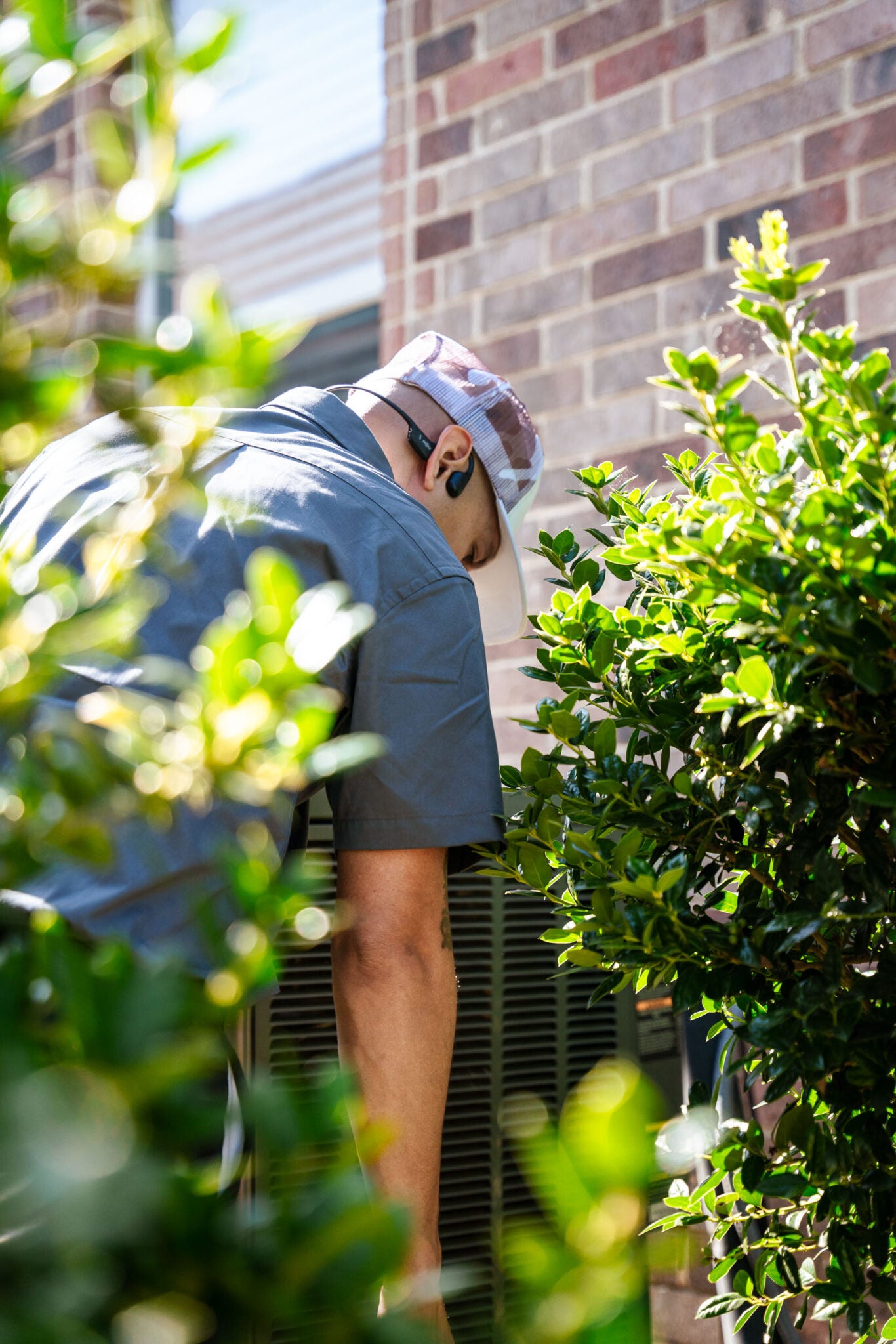
If the smell coming from your AC persists, it might be time to call an HVAC technician. A technician can inspect your Air Conditioning system and offer a tailored plan to meet your needs. The technician will evaluate your home environment and detect any issues in the system.
Our HVAC professionals are equipped with the latest technology and knowledge to recognize even the most subtle of smells. They will be able to diagnose the root cause and provide the right repair solution.
It’s important to remember that preventive AC maintenance is the key to a healthy, efficient, and reliable system. Make sure that you schedule regular maintenance and tune-ups from an HVAC technician at least once a year. This is probably the best way to avoid unpleasant smells in the long run.
These visits are essential because they detect and address any problems that could lead to unpleasant odors. Professional HVAC technicians will deep clean your air ducts and vents, check the performance of the air filter, assess the refrigerant lines, and ensure the unit is running efficiently.
HVAC technicians can also offer valuable advice on how to keep your AC smelling fresh in the future. For example, they can suggest installing a UV light that targets microbes, ensuring proper ventilation, and changing the air filter regularly. These tips, if executed properly, can help to prevent bad odors from developing.
Remember, don’t wait for odors to appear before scheduling a visit from an HVAC technician. Taking the proactive approach and having your AC system inspected every year will ensure optimal performance, increase the life of your unit, and keep your home smelling fresh.
Conclusion
In conclusion, bad smells coming from air conditioning systems can be unpleasant and can be caused by a variety of problems. It is important to determine the source of the bad smell in order to address the issue properly. Common sources of AC smells include dirty air filters, mold or mildew buildup, buildup of dust and debris, and rodent infestations. To reduce or prevent AC smells, homeowners should regularly change or clean their air filters, clean condensate drains, inspect vents and ducts for mold or mildew, install a UV light, and install an air scrubber. If odors have already permeated the air, homeowners can clean the ducts, use baking soda, open windows and running fans, call an exterminator, or schedule a maintenance visit from an HVAC technician. By following the steps described in this article, homeowners can eliminate unpleasant odors from their home and AC system.
If You're Having Issues Don't Hesitate to call. We'd be Happy to help you identify the smell and help you get rid of it!