Why Indoor Air Quality Matters For Your Well-being

Introduction
In our modern-day sanctuaries, indoor air quality has emerged as a silent character in the narrative of our well-being. With an uptick in the chatter about the air we breathe indoors, it’s clear that this invisible ally—or adversary—deserves a spotlight. This article is on a mission to propel the importance of indoor air quality into the limelight and tease out its effects on our health and well-being.
Understanding Indoor Air Quality
Think of indoor air quality (IAQ) as the grade your home’s air would get on its report card. It’s a measure that whispers the tale of particles and pollutants we cohabit with, some invisible, some odorous, and some downright mischievous. This unseen mischief-maker can be anything from dust bunnies hosting a party under your sofa to chemical culprits sneaking out from cleaning supplies. Let’s not forget mold, that uninvited guest lurking in damp corners, waiting to crash the respiratory party.
Now, if your air could talk, it might tell you how it’s feeling a bit under the weather due to these uninvited guests. Poor IAQ is like a silent disco for allergens and irritants, sending out vibes that could stir up a range of health issues. We’re talking about a lineup that includes respiratory problems, the sniffles and sneezes of allergies, and even throwing in a curveball to our mental health. And just when you thought it was safe to take a deep breath in your sanctuary!
Effects of Indoor Air Pollution on Health
The invisible nemesis lurking in our homes, indoor air pollution, can be as treacherous to our health as its outdoor counterpart. Short-term effects often masquerade as seemingly benign irritants – a sneeze here, a cough there, perhaps even a mysterious headache or a sudden wave of fatigue. These can be the body’s immediate response to unseen invaders like dust, chemicals, and mold spores staging a coup on our well-being.
Peering into the long-term impacts, the narrative becomes grimmer. Prolonged exposure to compromised air quality can orchestrate a symphony of health complications, from respiratory issues such as asthma to a heightened risk of cardiovascular diseases. Even our minds are not immune; mental health can also bear the brunt of air pollution, with studies suggesting a link between polluted indoor environments and an increase in anxiety and depression symptoms.
- Vulnerable Groups: Children, the elderly, and those with preexisting health conditions hold front-row tickets to the adverse effects of indoor air pollutants.
- Research Backs It Up: A plethora of studies corroborate the health detriments, cementing the urgency to address indoor air quality posthaste.
Our homes should be sanctuaries, not hotbeds for health hazards. Recognizing the potency of indoor air pollution on health is the first breath towards cleaner, more vibrant living spaces.
Benefits of Clean Indoor Air
Imagine taking a deep breath and feeling a rush of pure, revitalizing energy. That’s the magic of clean indoor air. It’s a silent hero, enhancing our lives in ways we often take for granted. Let’s peel back the curtain on how this invisible ally bolsters our health and well-being:
- Improved respiratory health: Clean air acts as a balm for our lungs, reducing the risk of asthma attacks and other respiratory issues. It’s like a spa day for your airways—every day!
- Better sleep quality: Ever tried counting sheep but ended up counting coughs instead? Pristine indoor air can help you bid farewell to those restless nights, leading to a more peaceful slumber.
- Boosted productivity: A breath of fresh air can literally clear your mind, sharpening your focus and supercharging your efficiency. It’s like caffeine for your brain, minus the jitters.
- Reduced absenteeism: In workplaces where the air sparkles with cleanliness, sick days plummet. Imagine a world where “I’m feeling under the weather” is as rare as a unicorn sighting.
- A haven of comfort: Your home becomes a sanctuary where every inhalation nurtures your well-being. It’s like living in a bubble of bliss, and who wouldn’t want that?
With so many compelling benefits, it’s clear that investing in clean indoor air isn’t just about health—it’s about crafting a life brimming with vitality and joy. So, let’s raise a glass (of fresh air) to a healthier, happier existence!
Conclusion
As we draw the curtains on our exploration of the indoor air quality theater, let’s take a moment to breathe in what we’ve learned. We’ve journeyed through the murky haze of pollutants, from dust mites holding a dance party in our living room to the vile mold spores plotting a takeover in damp corners. We’ve seen how these uninvited guests can crash our body’s party, sparking allergies, whispering sweet nothings to respiratory issues, and even meddling with our mental health.
The takeaway? Clean indoor air is more than a luxury; it’s a cornerstone for our health and vitality. It’s the unseen hero that can boost our productivity, give us the gift of better sleep, and provide a nurturing environment for those at the delicate edges of life—our children and the elderly.
So, let’s champion the cause of pristine air within our walls. By improving our indoor air quality, we’re not just adjusting the thermostat for comfort—we’re setting the stage for a healthier, happier existence. Take a deep breath, and let’s make each one count!

Introduction
Welcome to the world of HVAC safety and the pivotal role played by the Safety Float Switch. This comprehensive guide is crafted to enlighten homeowners on the nuances of one of the most critical yet often overlooked components of their air conditioning systems. Understanding the mechanics and applications of these switches is not just about technical know-how—it’s a matter of safeguarding your home from potential water damage and maintaining optimal system performance.
As we delve into the details, you’ll gain insights into the functions and uses of AC float switches, equipped with the knowledge to ensure your HVAC system operates seamlessly. We’ll cover the ins and outs, from basic operation principles to the steps for detecting clogs and preventing overflows. Stay tuned as we navigate through the intricacies of HVAC safety float switches, a vital topic for any homeowner keen on maintaining a comfortable and secure living environment.
What is an AC Float Switch?
An AC Float Switch, often referred to as a safety switch or overflow switch, is a critical component in maintaining the integrity of an HVAC system. This little sentinel stands guard over your air conditioning unit, ensuring that water damage is thwarted before it has a chance to wreak havoc on your home. It’s a component that many may not even know exists, yet it plays a pivotal role in preserving the health of both the HVAC system and the domestic environment.
At its core, the function of a Safety Float Switch is elegantly straightforward. It monitors the water level in the condensate drain pan, the place where moisture from the air conditioning process is collected. The switch is set to detect any abnormal rise in water level within the pan, typically a result of clogged drains or a failure in the condensate pumps. When the water reaches a certain height, the float switch activates, and the system responds accordingly to prevent an overflow.
How Does an AC Float Switch Work?
The workings of a float switch might remind one of a buoy bobbing on the waves. As the water level in the secondary drain pan rises, so does the float. When it hits a designated high water mark—a level that signals impending trouble—the switch triggers and sends a signal. This signal is often a direct command to shut off the air conditioning unit, nipping the potential for water damage in the bud.
The Unsung Hero of HVAC Safety
Its role might be discreet, and its appearance unassuming, but the importance of a float switch in an HVAC system cannot be overstated. Without it, condensate overflow could lead to expensive water damage, mold growth, or even compromise the structural integrity of the entire system. It is, in every sense, the unsung hero of HVAC safety.
Different Names, Same Protective Purpose
- Condensate safety switches
- Overflow prevention devices
- Water leak detectors
- Flood water sensors
- Shut-off switches for HVAC systems
Irrespective of the nomenclature, the role remains unchanged: to guard against any water-related incidents that can lead to damage within your home.
Location and Installation
Typically, an AC Float Switch is installed in the drain pan or sometimes attached directly to the drain line. Installation should always be carried out by a qualified HVAC technician to ensure accuracy and compliance with local regulations and safety standards. A properly installed float switch can mean the difference between a smoothly running HVAC system and a catastrophic water damage event.
Understanding the function and importance of the AC Float Switch is imperative for homeowners looking to maintain their HVAC systems efficiently. While the switch itself may not require frequent interaction, its existence is vital for the safe operation of your air conditioning unit, making it a key player in the overall health and performance of your AC system.
Troubleshooting Common Issues with HVAC Safety Float Switches
Troubleshooting your HVAC safety float switch is crucial for maintaining an efficient air conditioning system and preventing any water damage. Common issues with float switches typically involve clogged drains or faulty switches. Regular maintenance can help avoid these problems, but should you encounter them, here’s how you can approach troubleshooting:
- Check for Pan Overflow: Inspect the drain pan beneath your unit; if it’s full of water, this could indicate a clogged drain line. A full secondary drain pan can trigger your float switch and shut down the system to prevent water overflow.
- Inspect the Switch: Examine the switch device for any visible damage or disconnections. If your AC unit isn’t turning on, a tripped float switch could be the culprit.
- Clean the Drain Lines: Clear any blockages in the condensate drain lines using a wet/dry vacuum or a special cleaning solution recommended by a qualified HVAC technician. A clear path for condensation is key to preventing pan overflow.
- Test the Float Switch: Gently lift the float to see if it activates the switch. If there is no response, the switch may need replacement.
If troubleshooting doesn’t resolve the issues, it’s time to call in a professional HVAC technician. They can provide reliable service and repair for your HVAC system, ensuring your float switch operates correctly to safeguard against condensate overflow protection.
Conclusion
In the intricate dance of maintaining a healthy and efficient home environment, the AC Float Switch emerges as a silent sentinel against potential water damage. This unsung hero in the pantheon of HVAC safeguarding plays a pivotal role, ensuring your air conditioning system remains dry and damage-free. Today, we’ve journeyed through the nuts and bolts of what makes the AC float switch an indispensable component of your HVAC system.
By now, you should understand that this trusty device, sometimes called a safety switch or an overflow switch, is more than a mere accessory; it’s a valiant protector of the serene domestic life from the chaos of a clogged drain scenario. We’ve navigated the waters of troubleshooting common hitches, emphasizing that prevention through regular maintenance is better than any cure.
In the spirit of safeguarding your serenity and your wallet, equipping your home with an AC float switch is not just smart; it’s a strategic move to preserve both your system and your peace of mind. Remember, while the DIY spirit is commendable, the complexities of float switch installation and maintenance are best left to the deft hands of a qualified HVAC technician. Safe guarding your home is an ongoing mission, and the AC float switch is your trusted ally.
Can Your HVAC Unit Survive The Rain and Ice?
HVAC Units and Rain: Can They Coexist?
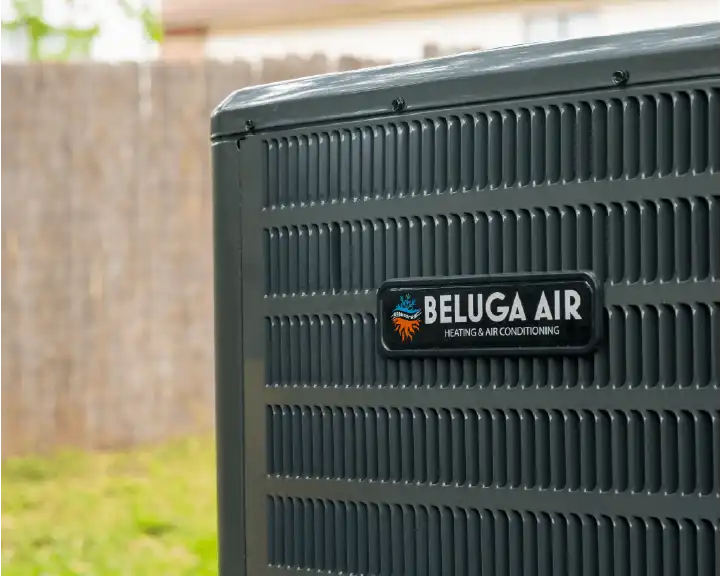
When the sky opens up and the rain pours down, your HVAC unit stands like a steadfast soldier, weather-resistant and ready for action. But like any soldier, it needs good armor to survive the battle. This is where proper installation and maintenance come into play, acting as the shield against the aqueous onslaught. Without these protective measures, your HVAC might wave the white flag to water damage.
Worry not, raindrops are no match for a well-prepared HVAC unit. We understand that an ounce of prevention is worth a pound of cure, ensuring your unit’s longevity. So, let it rain, for your HVAC is more than just a fair-weather friend—it’s an all-seasons ally, thanks to the vigilant care from Beluga Air.
Surviving the Icy Conditions: How does a HVAC Unit Fare?
Think of your HVAC unit as a polar bear in a snowstorm – it’s built for chilly weather, but even the fluffiest of coats needs a shake-off now and then. The nippy embrace of winter can lead to the accumulation of ice and snow, which may look like a winter wonderland on your rooftop but spells trouble for your HVAC unit. When Jack Frost comes knocking, the last thing you want is for your heating to be compromised by a frozen exoskeleton.
- Regular maintenance and cleaning become your HVAC’s snow shovel, preventing unwanted ice buildup.
- Engaging the savvy services of Beluga Air, with their expertise in ensuring your unit’s top-tier performance amidst frosty conditions, could mean the difference between a cozy igloo and an icebox living room.
Don’t let your HVAC unit become an abominable snowman’s home. Reach out to Beluga Air and secure the warm serenity of your space when winter shows its icy grin.
The Longevity of an HVAC Unit: Why Regular Maintenance is Key
Just like a well-oiled machine, your HVAC unit needs regular tune-ups to hum along through the seasons. Think of regular maintenance as the elixir of life for your heating and cooling systems. It’s not just about fixing what’s broken; it’s about preventing future mishaps. Beluga Air understands this secret to eternal HVAC youth and offers services to ensure your unit can withstand whatever Mother Nature throws its way – be it blazing sun or a battalion of snowflakes.
- Preventing wear and tear
- Optimizing performance
- Extending lifespan
Partnering with Beluga Air for routine check-ups can spell the difference between a costly breakdown and a cozy, efficient home regardless of the weather. Plus, imagine the savings when your HVAC doesn’t guzzle energy like a thirsty elephant but sips it with the finesse of a cat. That’s the power of proper maintenance!
Conclusion
As we’ve navigated through the tempest of information, it’s clear that while HVAC units are resilient soldiers against the elements, their survival hinges on regular maintenance and professional finesse. Rain or shine, Beluga Air stands as a beacon of hope, offering the armor your system needs to brave the seasons. Ice may be a winter’s tale, but with proper cleaning and preventative care, it’s a story with a happy ending for your HVAC’s longevity.
Winter In SA: Stay Warm With Your HVAC System 2024

Introduction
Welcome, San Antonio residents, to the chilly embrace of winter! As the mercury dips and your breath turns into a frosty spectacle, it’s time to discuss a crucial ally in the fight against the cold: your HVAC system. It’s not just about avoiding a case of the shivers; a dependable heating system is your ticket to a cozy winter wonderland right at home. This article is your trusty guide, aiming to arm you with top-notch tips on keeping snug as a bug with your HVAC system all winter long. So, let’s fire up that furnace and make sure your home remains a warm haven in the heart of Texas.
Tips for Keeping Warm with Your HVAC System During The Winter
As the temperature dips in San Antonio, your HVAC system becomes your best friend, wrapping you in a cozy layer of warmth. To get the most bang for your energy buck, set your thermostat at a comfortable yet efficient 68°F during winter chill. This sweet spot balances comfort with energy savings, ensuring you’re not sweating the heating bills.
- Set that thermostat wisely, and watch the savings roll in.
- Remember, ceiling fans aren’t just for summer breezes. Reversing the direction creates an updraft, sending the warm air that’s risen back down to cozy up your living space.
Employ these tips, and you’ll turn your home into a snug sanctuary against the crisp San Antonio winter, all while keeping the energy bills from sending a chill down your spine.
Alternative Heating Options for The Winter
Let’s face it, weather can be as unpredictable as a game of Texas Hold’em, and San Antonio winters occasionally throw us a chilly curveball. When the mercury takes a nosedive and the power grid decides to play hide and seek, you’ll want to have a warm ace up your sleeve. Power outages during extreme weather conditions can leave you shivering unless you’re prepared with some alternative heating options.
- A trusty generator can be a real game-changer, keeping your essential appliances running and the frostbite at bay.
- Nothing says cozy like the crackle of a fireplace. Ensure yours is in good working order, and you’ll not only have warmth but a hypnotic dance of flames to gaze at.
Remember, the key is to have a backup plan for those times when even the best HVAC systems need a little help from their friends. By considering these alternatives, you’re not just planning for warmth, you’re also ensuring peace of mind during the winter’s unpredictable escapades.
Conclusion
As the chill of winter whispers through the streets of San Antonio, it’s clear that a robust HVAC system is more than a household feature—it’s your personal sentinel against the cold. We’ve journeyed together through a flurry of tips designed to keep you snug and your energy bills in check. Remember, setting your thermostat to the sweet spot, leveraging the wizardry of a programmable thermostat, and giving a whirl to those ceiling fans can make all the difference in creating a warm haven.
In the rare event that Jack Frost gets a bit too mischievous, and power outages play the grinch, having a fireplace to kindle or a generator to power up can save the day. It’s not just about staying toasty; it’s about ensuring peace of mind with a solid backup plan for those unpredictable, frosty curveballs.
Armed with these insights, let’s march confidently into winter. Take these proactive measures to heart and let your HVAC system be the unspoken hero of your cozy, energy-efficient home during this San Antonio winter season. Stay warm, stay wise, and let the cold stay outside where it belongs!

Introduction
Welcome to our in-depth exploration of HVAC surge protectors. These vital components play a crucial role in safeguarding HVAC systems from potentially damaging power surges. However, they often remain shrouded in a cloud of myths and misconceptions. This article aims to shed light on these misunderstandings, providing a thorough and technical analysis to help you make an informed decision.
We’ll delve into the diverse range of surge protectors available on the market, highlighting their key features and benefits. We’ll also debunk some of the common myths that often confuse consumers.
Our objective is to equip you with the knowledge to make the best decision for your home. So, let’s cut through the noise and explore the world of HVAC surge protectors.
What is a Surge Protector?
A surge protector, or surge suppressor, is an essential device that safeguards electronic equipment from potentially damaging power surges, or “spikes”. Picture it like water on your countertop, a small mist is ok but a spill could cause damage to something. When the voltage rises above the accepted level, the surge protector suppresses the excess voltage, like a sponge soaking up that spill.
Types of Surge Protectors
Surge protectors come in many styles, including direct plug-in, strip, and rack mount, with some even offering built-in protection for data lines. It’s like an all-you-can-eat buffet, with a variety of options tailored to your needs.
Surge protectors play a crucial role in preventing damage from power surges, working like a shield to protect your electronic devices. Without them, your devices could face an electrical onslaught, leading to immediate and catastrophic damage.
The Importance of Surge Protection for HVAC Systems
Power surges, whether internal or external, can cause significant damage to your HVAC systems. These high amp, low duration fluctuations can be caused by multiple factors such as faulty wiring, lightning, or downed power lines.
Without proper surge protection, your HVAC unit, which is often the most expensive appliance to repair or replace in your home, can become damaged. This not only presents a financial burden but also a safety concern. Hence, it is crucial to invest in a quality HVAC surge protector, even if it might seem costly upfront.
When it comes to installation, it’s best to leave it to the professionals. The surge protector can be installed at either the main breaker panel or at the service disconnect for the HVAC unit.
Remember, prevention is better than cure. Don’t wait for a power surge to wreak havoc on your HVAC system. Act now, and protect your home.
Debunking Myths and Misconceptions
In the realm of HVAC surge protectors, misinformation can often cloud the truth. Let’s clear the air and debunk some common myths and misconceptions.
Myth 1: A Breaker Panel Is Enough To Protect My Home.
While a breaker box serves as a crucial component in managing your home’s electrical system, it unfortunately falls short when it comes to protecting against power surges. A common misconception is that breaker boxes can shield your HVAC systems from electrical spikes. However, their primary function is to prevent circuit overload and electrical fires, not to guard against abrupt voltage spikes caused by lightning, power line issues, or component failures.
The potential damages from power surges, despite having a breaker box, can be severe. Sensitive electronics within your HVAC system can be impaired or completely destroyed, leading to expensive repairs or replacements. Even minor surges can degrade the lifespan of these components over time, leading to premature failure.
The need for additional surge protection for HVAC systems is crucial.
Myth 2: All Surge Protectors Are The Same
This couldn’t be further from the truth. Surge protectors vary in their capabilities, with some allowing multiple components to plug into a single power outlet while also shielding against high-voltage power surges.
It’s vital to fact-check and consult professionals before making decisions about surge protection. In a world where technology is a fundamental part of our lives, the importance of safeguarding our appliances and electronics cannot be overstated.
Myth 3: Surge Protectors Will Protect My System From Everything
Surge protectors are a vital part of your system, but they don’t always perfectly protect your system. Like a sponge, they can only absorb so much. This is why you often see a fuze installed right before the system. Fuzes work differently than surge protectors. They act more like a bridge than a sponge. When too much power tries to cross the bridge it breaks and the power no longer becomes able to reach your system.
So which is better to have and how do I know how big my surge protector should be? How much power can a Surge protector soak up?
The Role of MOVs in Surge Protection
At the heart of surge protection devices, you’ll find a tiny yet crucial component known as the Metal Oxide Varistor (MOV). This semiconductor changes its resistance in response to voltage surges, effectively diverting excess voltage and protecting your devices. Essentially the MOV is like the sponge in your surge protector. This makes MOVs a key player in the battle against voltage spikes.
The higher the MOV rating the more fluctuation the surge protector can handle.
However, like every superhero, MOVs have their Achilles heel. They can’t withstand continuous surges and their performance may suffer if subjected to surges repeatedly.
Essentially the biggest weakness of surge protectors is constant high voltage. Like a sponge it can only soak up so much before it’s completely saturated. This is where fuses come in. They will break and stop the system from overloading
The Importance of Professional Sizing and Installation
When it comes to the world of HVAC surge protectors, professional sizing and installation are not just buzzwords, they’re vital for optimal performance. A poorly sized or installed surge protector can lead to a myriad of issues, such as equipment damage or failure, and even a potential fire hazard. Thus, investing in professional installation is not just a luxury, but a necessity.
Surge protector sizing is a complex process, as it involves taking into account different factors like the cross-sectional area of connecting conductors and the length of the connecting cables.
On the other hand, professional installation ensures that the surge protector is correctly connected, enhancing its efficiency and longevity. Moreover, it can protect your budget by adding longevity to your system components, as it can protect valuable electrical equipment from potential power surges
With the surge protection devices market expected to grow at 5.83% CAGR globally over the next five years, it’s clear that more and more people are recognizing the importance of surge protection. So, don’t be left behind.
The Benefits of Surge Protection
Investing in HVAC surge protection offers a myriad of benefits. One of the most significant is the potential for savings. An HVAC surge protector can help keep your HVAC system in good shape, reducing the need for costly repairs or replacements. A well-maintained system also runs more efficiently, potentially lowering energy bills.
Another benefit is the added safety and peace of mind for homeowners. Even if you don’t live in an area with frequent power outages or lightning strikes, surge protectors can provide protection from short-circuiting or overheating. As Winter approaches we are beginning to see energy spikes from heaters, and with everyone using more electricity due to stay-at-home workers, and delivery services, the risk of power surges is higher than usual, making surge protection even more essential.
Installation of an HVAC protection device is straightforward but should be left to professionals to avoid potential damage due to poor installation. Ultimately, the small investment in an HVAC surge protector can pay off in the long run, saving you money and giving you peace of mind.
In this journey through the myths, strengths & weaknesses of HVAC surge protectors, we’ve deciphered the importance of surge protection for HVAC systems. These devices, far from being mere accessories, play a pivotal role in safeguarding your investment from the unpredictable wrath of power disruptions. They’re the silent guardians, the unsung heroes of your comfort and safety.
However, not all surge protectors are created equal. Just like a key fits a specific lock, the right surge protector for your HVAC system depends on a variety of factors. It’s crucial to cut through the noise, bust myths, and make an informed decision. The market is a jungle, but with some research and consultation with professionals, you can find the perfect protector for your HVAC system.
So, let’s not wait for a power surge to strike. Take action. Protect your homes, your Families, and your peace of mind. After all, in the battle against power disruptions, HVAC surge protectors are not just hype; they’re our heroes.
Want to Learn More? Read about some other key components like Hard Start Kits.

Welcome to this comprehensive guide on air conditioner hard start kits. In this article, we aim to shed light on the benefits and necessity of these kits, especially for aging air conditioner compressors.
A Hard Start Kit is essentially a more powerful capacitor coupled with a new Potential Relay. This is the advanced way of saying that it stores power to use when starting up your system. It’s designed to give that extra push to your compressor when it’s having a hard time starting due to worn bearings and increased friction.
By the end of this reading article, you’ll have a solid understanding of how a hard start kit can prolong the life of your compressor and potentially save you from expensive repairs. Let’s dive into the world of hard start kits and discover how this small component can make a significant difference in your air conditioner’s performance both now and in the long run.
What is a Hard Start Kit?
A Hard Start Kit is a device designed to facilitate a smoother start-up process for your air conditioning unit. This kit is especially beneficial for older units that often experience Hard Starting, a situation where the unit sputters or starts and then suddenly shuts off. The primary function of a hard start kit is to reduce the electricity required for initiating the system.
The hard start kit comprises two main components – a start capacitor and a potential relay. The start capacitor provides additional stored electricity and torque to boost the starting process. Once the unit is operational, the potential relay steps in to disconnect the capacitor from the start circuit, enabling the unit to run normally.
By enhancing start-up with a capacitor the efficiency of your unit increases considerably, a hard start kit not only makes the starting faster and smoother, but it also extends the lifespan of your air conditioning unit. This one component can save you thousands of dollars.
Signs that Your AC Needs a Hard Start Kit
Any HVAC unit can benefit from a Hard Start Kit, in fact, all new units sold by Beluga Air are Bundled with one. That’s how important they are, we won’t sell a system without one.
Some systems may need one just to function. The most common indication your system is in dire need of a Hard Start kit is in fact hard starting, which is characterized by the AC unit stuttering or abruptly shutting off during startup. If you hear your outside unit making loud noises when it first turns on, or your lights flicker in your home when the unit turns on then you are in need of a Hard Start Kit to protect your system from damages.
Other signs include:
- Frequent breakdowns: If your AC unit often fails to start or stops unexpectedly, it may be straining to draw more current than necessary, causing undue wear and tear.
- Increased energy bills: The excess power drawn during startup not only strains the unit but also leads to higher energy consumption, reflected in your bills.
A hard start kit can mitigate these issues by reducing the electricity needed for startup and creating a smoother start-up process, thus prolonging the life of your unit and potentially decreasing your energy bills. However, it’s crucial to consult an HVAC professional to assess the condition of your unit and recommend the best solution.
Benefits of a Hard Start Kit
- Prolonged Lifespan of the AC Unit: By reducing the strain on the compressor at startup, a hard start kit can extend the life of your AC unit.
- Lowered HVAC Costs: Installing a Hard Start Kit can save you significant money in the long run by delaying the need for costly replacements.
- Lower Utility Bills: A struggling AC compressor will use more energy to cool your home, leading to higher utility bills. A hard start kit helps the compressor run more efficiently, thus reducing energy consumption and lowering your bills. It also prevents power spikes which are billed at a higher rate than consistent electrical use.
- Improved Efficiency: A hard start kit can help your AC unit run more efficiently overall. By enabling the compressor to start faster, and reducing electrical spikes it can help protect other parts of your system from overloading and allows your system access to more stable power for all the other components causing it to run more efficiently.
- Protection for Other Electrical Devices: A compromised AC compressor can draw more power than usual, potentially affecting other electrical devices in your home. A hard start kit can help prevent this issue by regulating the power draw of the AC unit.
Real-Life Impact of a Hard Start Kit
Many homeowners have reported noticeable improvements in their AC unit’s performance after installing a hard start kit. For example, some have noticed that their lights no longer flicker when the AC turns on, indicating a more stable power draw. Others have reported a decrease in strange noises from their AC unit, suggesting a smoother startup process for the compressor.
In conclusion, a hard start kit is a small investment that can offer significant benefits for your AC unit and your wallet. By reducing strain on the compressor, improving efficiency, and protecting other electrical devices in your home, a hard start kit is a smart addition to any AC unit.
Addressing Misconceptions and Concerns
There are a few misconceptions surrounding hard start kits that need addressing. Firstly, these kits are not a permanent solution for your aging air conditioner. They may extend the AC’s lifespan for a few years but are not always a long-term fix. If your AC system is over 15 years old, an HVAC technician might even advise against installing a hard start kit, as it’s simply a patch to keep an already dying AC system running a bit longer.
Secondly, a hard start kit isn’t a replacement for other necessary repairs. It’s designed to help with a specific issue and isn’t a cure-all. The kit provides the “jump start” needed for the compressor to effectively begin its work.
Despite these limitations, Hard Start Kits are a cost-effective solution for hard-starting issues. They can prevent the premature demise of the compressor and help to reduce your utility bills. But remember, they are not a substitute for regular AC maintenance and eventual system replacement.
Selecting the Right Hard Start Kit
Choosing the right AC hard start kit is crucial to ensure optimal performance and longevity of your AC unit’s compressor. It’s not a one-size-fits-all solution. The selection largely depends on your specific AC model and its needs.
Firstly, it’s essential to check your AC unit’s installation manual or reach out to your local dealer to identify the manufacturer-specified hard start kit. If unavailable, a compatible aftermarket hard start kit can be used. However, it’s important to ensure that the start capacitor has the correct farad rating to avoid any damage due to overheating. (HVAC Training Shop)
Types of AC Hard Start Kits
There are two main types of hard start kits:
- Potential relay hard start kits
- Positive temperature coefficient (PTC) hard start kits
Each type is suitable for different AC units. For instance, if your AC unit has a thermostatic expansion valve (TXV), a potential relay hard start kit is recommended. On the other hand, a PTC hard start kit is suitable for AC units with capillary tubes or a fixed orifice restrictor. Most of that probably didn’t make sense, and that’s why we send a trained professional out to diagnose the issue and select the best Kit for your unit.
Conclusion
In this comprehensive guide, we’ve traversed the realm of hard start kits, shedding light on their integral role in enhancing the performance and lifespan of your air conditioner. We’ve peeled back the layers to reveal the critical components of a hard start kit, such as the start capacitor and potential relay, and how these elements contribute to the smooth and efficient start-up of your AC unit. Additionally, we’ve touched on the signs that may indicate your cooling system might be in need of a hard start kit like frequent breakdowns and increased energy bills.
Benefits
The journey through the benefits of a hard start kit illuminated how these kits can reduce strain on your compressor and extend the life of your AC unit. More than just elongating its lifespan, hard start kits significantly improve the overall performance and efficiency of your air conditioning system. We’ve aimed to demystify any misconceptions or concerns that you may have about these tools, providing ample data and information to underline the effectiveness and necessity of hard start kits.
In essence, installing a hard start kit can significantly enhance the performance of your air conditioner while prolonging its life. It can mitigate problems commonly associated with hard starting, such as excessive wear and tear on the compressor and costly energy bills. Whether you’re looking to prevent potential issues or address existing ones, installing a hard start kit could be the solution you need.
When you purchase a hard start kit, you’re not simply buying a piece of hardware; you’re investing in a solution that could save you money, extend the life of your AC, and enhance its overall performance. In the long run, this minor addition to your AC system could reap substantial benefits.
So, as we conclude, we hope that you now feel more confident in making an informed decision about whether a hard start kit is the right choice for you. Here’s to a smoother, more efficient, and longer-lasting HVAC system!

In today’s world, energy efficiency has become a top priority for many households. With the rising cost of utilities, it’s more important than ever to find ways to save money on heating costs. Although electric space heaters have gained popularity, they may not be the best option when it comes to long-term cost and energy savings.
In this article, we will discuss the inefficiency of electric space heaters and the benefits of central heating. By understanding the differences between these two heating options, you can make an informed decision that will save you money and help reduce your environmental impact.
So let’s take a closer look at the cost and energy savings of central heating compared to electric space heaters and why choosing the right heating method is crucial for both your wallet and the planet.
Electric Space Heaters
Electric space heaters are a popular choice for providing heat in homes and offices. They are convenient, portable, and can quickly warm up a room. Their main advantage is heating up rooms individually, while other rooms stay cold. However, despite their benefits, these heaters are actually very inefficient & can also pose significant safety risks.
One of the main concerns with electric space heaters is their inefficiency. These heaters use a lot of energy to produce heat, making them expensive to operate. The average Space heater uses between 1500-2000 Watts to heat a single room in your home. They also require a constant supply of electricity, putting a big strain on the electrical system and potentially causing power outages like the Texas-wide outages in 2021.
In addition to their inefficiency, space heaters can also be hazardous to the safety of those around them. Children are particularly at risk of getting burned by touching or getting too close to the heater’s hot surface. This can result in serious injuries, including burns and even electric shocks.
Space heaters can also be a potential fire hazard if not used correctly. They should never be placed near flammable materials, such as curtains or furniture, and should always be monitored while in use. Failure to follow these safety precautions can lead to a fire.
In conclusion, while electric space heaters can provide warmth and comfort, it is crucial to understand their inefficiencies and the safety hazards they present. It is essential to use them responsibly, follow safety guidelines, and always be vigilant to prevent any potential accidents or injuries.
When looking for a space heater it’s important to look for modern features like, shut-off switches to prevent fires, Cool touch covers to prevent accidental burns, Thermostats settings to turn off the heater when your desired temperature is reached, a fan to circulate the heat created, and higher efficiencies.
The Benefits of Central Heating
Central heating offers many advantages over electric space heaters. One of the biggest benefits is the ability to heat an entire house, rather than just one room. This means a more comfortable living environment for everyone in the household. Additionally, modern central heating units are more energy efficient, resulting in lower utility bills. A Modern High-efficiency HVAC System can heat your entire home for around 1200-1800 Watts.
Central heating units are tucked away either in an attic or a designated closet space protecting little ones from potential burn risks. They are also equipped with sensors to shut down the system before fires can occur.
There are different types of central heating units such as forced air, radiant, and geothermal, allowing for options that fit individual needs and preferences. These units also often come with programmable thermostats, allowing for better control over heating and potentially even more energy savings. Choosing central heating over electric space heaters also means fewer safety concerns and less need for maintenance. Overall, the long-term cost and energy savings of central heating make it a more efficient and practical choice for heating a home.
Conclusion
In conclusion, choosing central heating over an electric space heater can lead to significant cost and energy savings in the long run. While space heaters may seem like a convenient and affordable option, their inefficiency and limited heating capabilities can result in higher utility bills. On the other hand, central heating units provide whole-house heating and are more energy efficient. Additionally, there are various types of central heating units to choose from, such as forced air, radiant, and geothermal, which offer different benefits and cost savings. It is important to consider other factors, such as maintenance costs and safety concerns when making the decision. Furthermore, the size and layout of a home should also be taken into account. With potential rebates and incentives available, switching to a more energy-efficient heating option can also have a positive impact on the environment. Overall, it is essential to carefully research and consider all factors before deciding on a heating method for maximum cost and energy efficiency.

Introduction
As the temperatures start to drop in San Antonio, it’s important for homeowners to prepare their heaters for the upcoming cold front. With the forecast predicting a significant temperature drop in the coming days, it’s crucial to ensure your heater is ready to keep you warm and comfortable. This article aims to provide tips and information on how to get your heater ready for the cold front, so you can stay cozy during the chilly weather. By taking a few simple steps, you can ensure that your heater is running efficiently and effectively, avoiding any potential heating issues. Let’s discuss how you can prepare your heater for the temperature drop in San Antonio.
Understanding the Cold Front Heading to San Antonio
The weather forecast for the upcoming days in San Antonio has been predicting a significant temperature drop due to the arrival of a cold front. This sudden change in temperature can catch homeowners off guard, especially if their heaters are not prepared to handle the cooler weather.
What is a Cold Front and How Does it Affect San Antonio?
A cold front is a weather phenomenon where a mass of cold air moves into an area that is warmer. This results in lower temperatures, high winds, and the possibility of rain or snow. In San Antonio, this means a significant drop in temperatures, which can be uncomfortable and even dangerous if not prepared for.
As temperatures drop, your heater will have to work harder to keep your home warm, which can lead to potential issues if it is not well-maintained.
Preparing Your Heater for the Cold Front
Before the cold front hits San Antonio, it is important to make sure your heater is ready to keep you warm and comfortable. Here is a checklist of tasks to complete before the temperature drops:
- Check and replace air filters: Clogged or dirty air filters can restrict airflow and put strain on your heater, resulting in it working harder and less efficiently.
- Clean and service your heater: Dust and debris can accumulate in your heater over time, causing it to work harder and potentially breakdown. Getting it cleaned and serviced before the cold front arrives can ensure optimal performance.
- Hire a professional HVAC technician: For a thorough inspection and maintenance of your heater, consider hiring a professional. They have the expertise and tools to detect and fix any potential issues before they become costly repairs.
By completing these tasks, you can ensure your heater is in top condition to handle the cold front in San Antonio. Not only will this prevent any discomfort, but it can also save you money in the long run by improving energy efficiency and avoiding costly repairs. Don’t wait until the last minute, prepare your heater now for a warm and cozy winter.
Advantages of a Well-Maintained Heater
A well-maintained heater not only ensures a warm and comfortable home during the upcoming cold front in San Antonio but also brings numerous long-term benefits. Regular maintenance of your heating system can significantly prolong its lifespan, saving you money on expensive repairs or replacements. It also helps to improve the efficiency of your heater, resulting in potential savings on energy bills. Additionally, a well-maintained heater reduces the risk of unexpected breakdowns and keeps your home safe from potential hazards. By taking care of your heater before the cold front hits, you can enjoy a cozy winter without worrying about any heating issues. Don’t wait until it’s too late, make sure to schedule a maintenance check or clean your heater before the temperature drops. Your future self will thank you!
Conclusion
The cold front heading to San Antonio is a reminder that winter is just around the corner. As the temperature drops, it is crucial to ensure that your heater is ready to keep you warm and comfortable. By following the tips provided in this article, homeowners can prepare their heaters for the upcoming cold front and avoid any potential heating issues. Remember to check and replace air filters, clean and service your heater, and consider hiring a professional technician for a thorough inspection. Taking care of your heater now can not only provide immediate benefits but also lead to long-term savings on energy bills and repairs. Don’t wait until the cold front arrives, take action and get your heater ready for a cozy winter in San Antonio.
Allergies On The Rise!
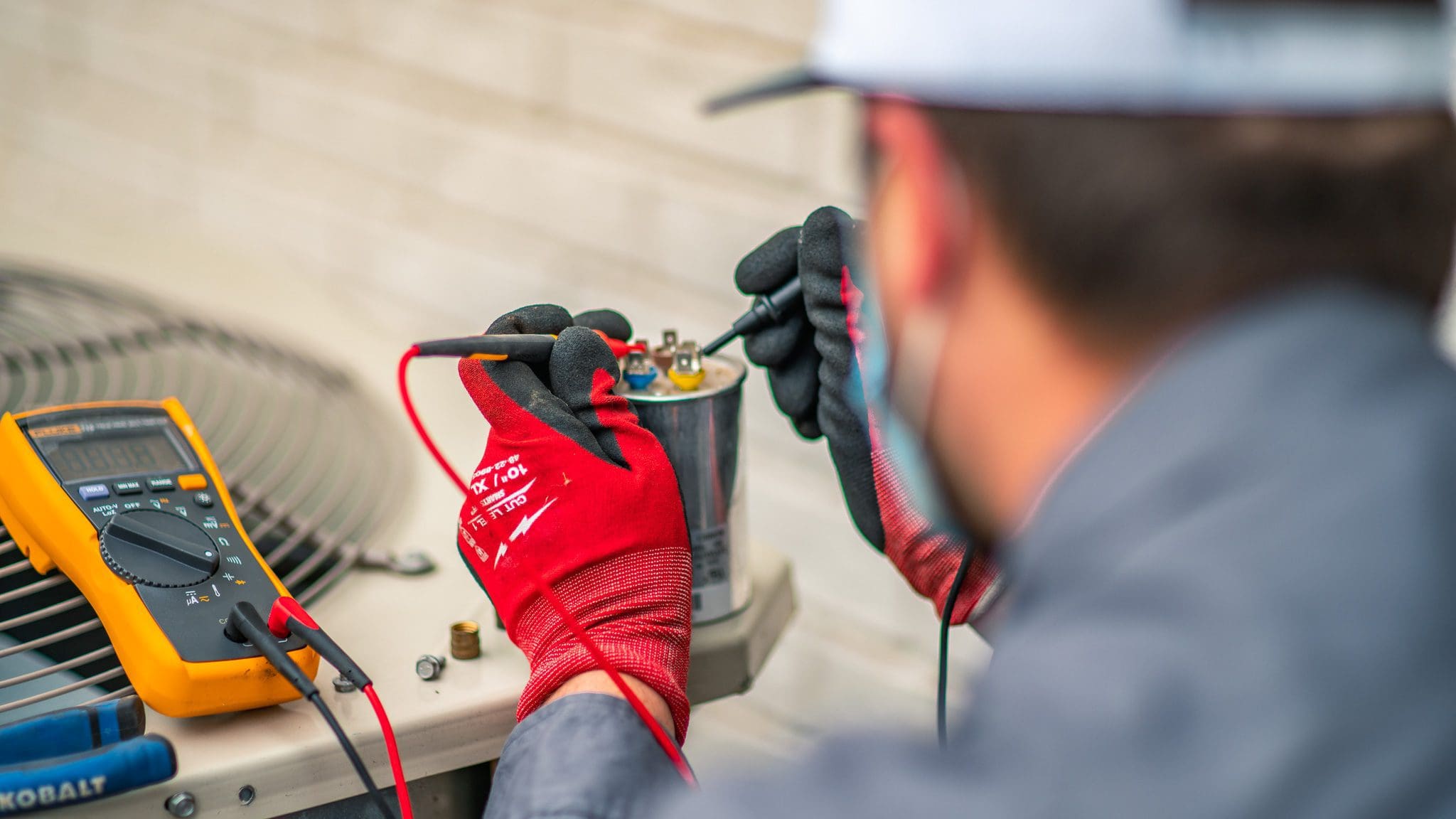
As the seasons change, many people find themselves struggling with allergies. The sudden blooming of flowers and trees, along with the increase in pollen and other allergens in the air, can make life uncomfortable and miserable. These allergies can range from minor irritations to serious health concerns, making it crucial to take preventive measures. Your HVAC system can play a significant role in alleviating these symptoms and helping you stay healthy and comfortable in your home. In this article, we will discuss the impact of changing seasons on allergies and how your HVAC system can help prevent you from getting sick. By understanding the importance of HVAC maintenance and implementing a few simple tips, you can enjoy an allergy-free home all year round.
How HVAC Systems Help Alleviate Allergies
HVAC systems play a crucial role in helping to alleviate allergies caused by the changing seasons. One way they do this is by using high-MERV filters to filter household air. These filters have a higher efficiency in removing allergens such as pollen, dust, and pet dander from the air.
In addition to high-MERV filters, in-line air purification and air scrubbing devices can also be installed in an HVAC system. These devices work by using UV light or electrostatic charges to eliminate bacteria, viruses, and other harmful particles from the air.
Regularly clearing ductwork of allergens is also important. This can be done by hiring a professional to clean the ducts or using a vacuum with a HEPA filter to remove any accumulated dust, mold, or debris. Maintaining proper humidity levels in the home can also prevent the growth of mold and other allergens.
By utilizing these methods, homeowners can ensure that their HVAC system is helping to alleviate their allergies and providing a healthy environment for their family.
Other Allergy Factors to Consider
Aside from maintaining a clean and well-functioning HVAC system, there are other important factors to consider when it comes to preventing allergies in your home. These factors can greatly impact the air quality and overall health of your household. It’s important to be aware of these issues and take proactive measures to address them.
Detecting Mold Growth
One major concern with HVAC systems is the potential growth of mold. Mold can cause serious health problems, particularly for those with allergies. It’s important to be able to detect mold growth in your HVAC system and take swift action to remove it. Some warning signs of mold growth include musty odors, visible mold growth, and unexplained health issues. If you suspect mold growth in your system, it’s important to contact a professional for thorough cleaning and disinfection.
Critters Living in Ducts or Outdoor Vents
Another issue that can greatly impact the efficiency and air quality of your HVAC system is the presence of critters in the ducts or outdoor vents. These critters can carry allergens and bacteria into your home, causing potential health hazards. It’s important to regularly inspect and clean your ducts and vents to prevent critters from entering and causing damage.
Excessive Dirt Buildup
Excessive dirt buildup in your outdoor unit can also impact the efficiency of your HVAC system. It’s important to regularly clean and maintain your outdoor unit to ensure proper airflow and functioning. This will not only help prevent allergies, but also prolong the life of your system.
By addressing these other factors and taking proactive measures, you can ensure a clean and allergy-free home with the help of your HVAC system. Regular maintenance and cleaning are key in preventing allergies and promoting a healthy living environment for you and your family.
What You Can Do To Prevent Allergies
In conclusion, taking measures to prevent allergies is crucial, especially during the changing seasons. HVAC systems can play a significant role in keeping your home free of allergens. By using high-MERV filters, in-line air purification devices, and regularly clearing ductwork, you can reduce the presence of allergens in your home. Additionally, controlling humidity levels and detecting and addressing mold growth are essential for maintaining an allergy-free home. Critters and excessive dirt buildup can also impact the efficiency of your HVAC system, so it’s important to address these issues as well. By keeping up with regular maintenance and cleaning, your HVAC system can help prevent you from getting sick due to allergies. Remember, a healthy home starts with a well-maintained HVAC system.
Heat Tune Up: Why It’s Vital For Your Home 2023
Benefits of a Heat Tune Up
A heat tune up may seem like an unnecessary expense, but it actually has several benefits that make it vital for your home’s overall comfort and safety. Here are the key reasons why scheduling an annual heat maintenance with Beluga Air is a wise decision:
- Extended lifespan of HVAC system: Regular maintenance ensures that your heating system is functioning at its best, which can prolong its lifespan and save you from costly replacements or repairs in the long run.
- Improved energy efficiency: A thorough tune up can help identify any inefficiencies in your system and address them, leading to lower energy bills and a more eco-friendly home.
- Prevention of breakdowns and costly repairs: By catching and fixing any potential issues early on, a maintenance up can prevent unexpected breakdowns and expensive repairs that can disrupt your daily life and budget.
- Ensuring safe and healthy air quality in the home: During a tune up, HVAC professionals will check for any carbon monoxide leaks and clean or replace air filters, ensuring that the air in your home is clean and safe for you and your family to breathe.
Overall, a heat tune up is a small investment that can have significant benefits for your home’s comfort, safety, and energy efficiency. Don’t wait until it’s too late – schedule your annual tune up with Beluga Air today.
Tasks Included in a Heat Tune Up
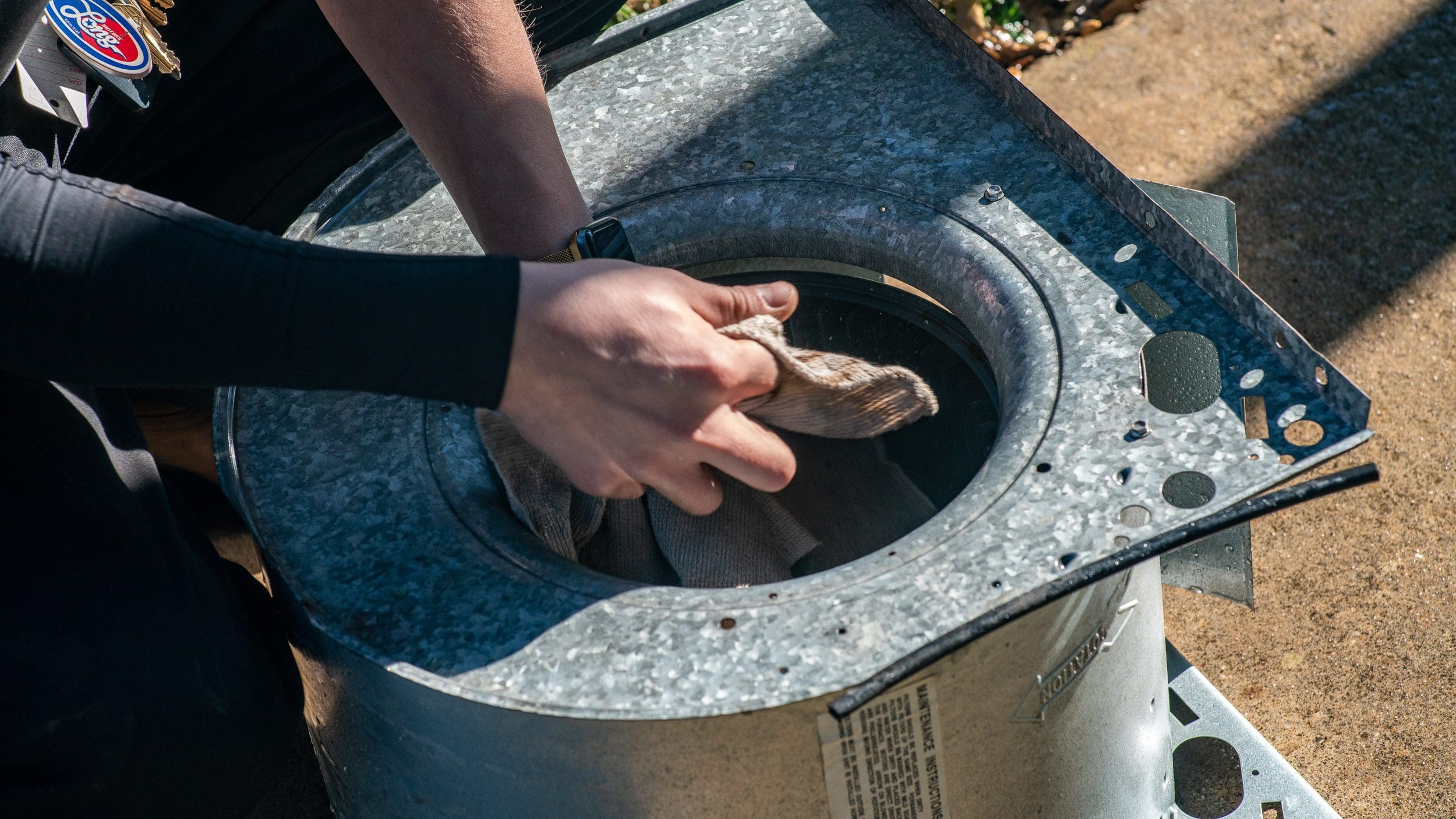
A heat maintenance is a vital service for maintaining the efficiency and longevity of your HVAC system. During a heat tune up, a professional technician will perform a thorough inspection of all components, including the furnace, air ducts, and thermostat. They will also clean and lubricate necessary parts to ensure smooth operation and optimal performance.
One of the most important tasks included in a heat maintenance is testing for carbon monoxide leaks. This colorless and odorless gas can be dangerous if undetected, but a professional tune up will catch any potential leaks and keep your home safe.
The technician will also replace any dirty or clogged air filters, ensuring that your system is able to effectively filter out pollutants and allergens, providing clean and healthy air for you and your family.
After completing these tasks, the technician will evaluate the overall performance of your system and make any necessary adjustments to ensure maximum efficiency. This thorough and comprehensive tune up will not only keep your system running smoothly, but also prevent costly breakdowns and repairs in the future.
Scheduling Your Heat Tune Up
It is recommended to schedule your annual heat maintenance in the early fall, before the peak heating season begins. This ensures that your HVAC system is in top condition before it is needed the most. Hiring a professional HVAC company, such as Beluga Air, is vital for a thorough and effective tune up. When looking for a reliable company, be sure to check their credentials, customer reviews, and pricing options. While pricing may vary, it is important to consider the long-term savings and benefits of a well-maintained HVAC system. Don’t wait until your system breaks down to schedule a tune up – plan ahead and save yourself from unexpected and costly repairs. Trust in Beluga Air to provide expert and efficient heat tune ups for your home.
Conclusion
In conclusion, an annual heat tune up is vital for your home. Not only does it extend the lifespan of your HVAC system, but it also improves energy efficiency, prevents breakdowns and costly repairs, and ensures safe and healthy air quality. During a heat tune up, our team at Beluga Air will thoroughly inspect all components, clean and lubricate necessary parts, check and adjust your thermostat, and test for carbon monoxide leaks. We will also replace air filters and evaluate the overall performance of your system. It is recommended to schedule your heat tune up ahead of time and hire a professional HVAC company to ensure reliable and quality service. Don’t wait for your system to break down, schedule your heat tune up today and enjoy the benefits of improved cost and energy savings. Trust Beluga Air for all your heat tune up needs.
Connect with us


- July 2026
- June 2026
- May 2026
- April 2026
- March 2026
- January 2026
- December 2025
- November 2025
- October 2025
- September 2025
- August 2025
- July 2025
- January 2025
- June 2024
- April 2024
- March 2024
- February 2024
- January 2024
- December 2023
- November 2023
- October 2023
- September 2023
- August 2023
- July 2023
- June 2023
- May 2023
- April 2023
- March 2023
- February 2023
Archives

Learn More
License: #TACL087165E
Location
240 Sherwood Drive
San Antonio, TX 78201