Repair Vs Replace: What Is More Cost-Effective
Introduction to HVAC Decisions
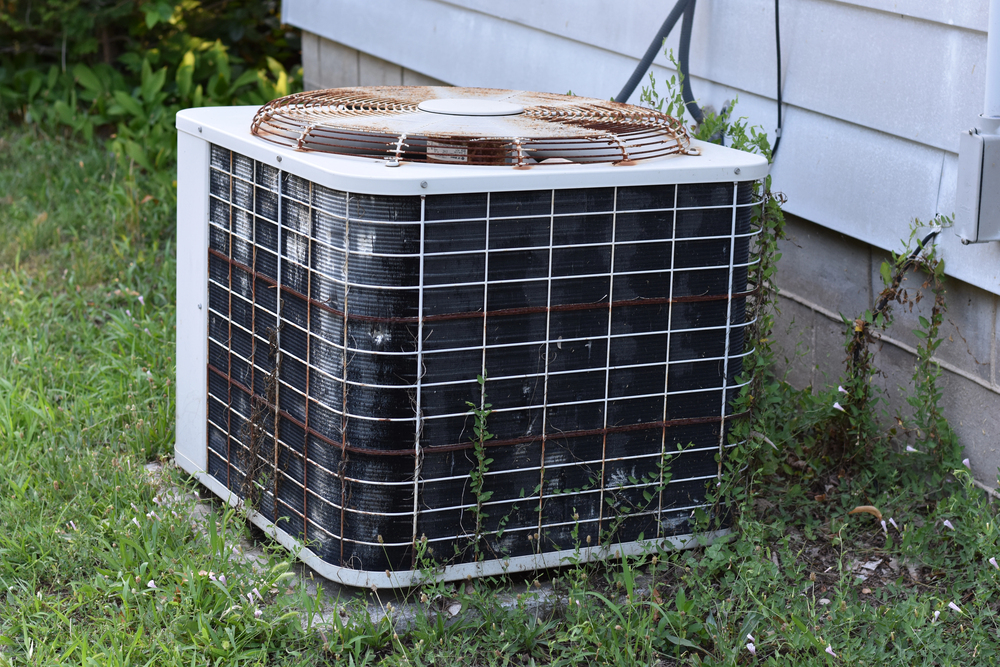
When it comes to maintaining your home comfort, the choice between repairing or replacing your HVAC system can be a real head-scratcher. This decision isn’t just about keeping the cool air flowing or the heat pumping; it’s about making a savvy financial choice. Cost-effectiveness is the key player here. Understanding when to invest in repairs or when to opt for a replacement can save you a bundle in the long run. Let’s dive into the factors that can lead you to a smart and cost-effective decision.
Read the rest of this entry »Why Is Your HVAC System Blowing Warm Air?

The Texas heat is intense, which is why you need your HVAC system to be working at its peak potential so that you can maintain the most comfortable home environment throughout the summer and beyond. If you’re concerned about the health of your system, something isn’t functioning properly, or you need a tune-up, it’s important that you enlist the services of a company that specializes in HVAC repairs, maintenance, service, and installation in San Antonio to ensure quality work.
Read the rest of this entry »How can you determine whether you should repair or replace your home’s HVAC system? Without a fully functioning HVAC unit, it’s nearly impossible to live comfortably in the extreme climate of Texas. Here at Beluga Air, we provide top-notch service to San Antonio and the surrounding communities, from HVAC replacements and repairs to installations and maintenance. Below, we’ll explain the most important factors to consider whether an HVAC repair or system replacement is the right choice for you.
Read the rest of this entry »
If your HVAC system is old, outdated, or broken beyond repair, purchasing a new system may be something you need to plan for in the near future. However, it’s important that you choose a company that specializes in HVAC installation in San Antonio to complete the work so that you can get the right system for your home at the best price.
Read the rest of this entry »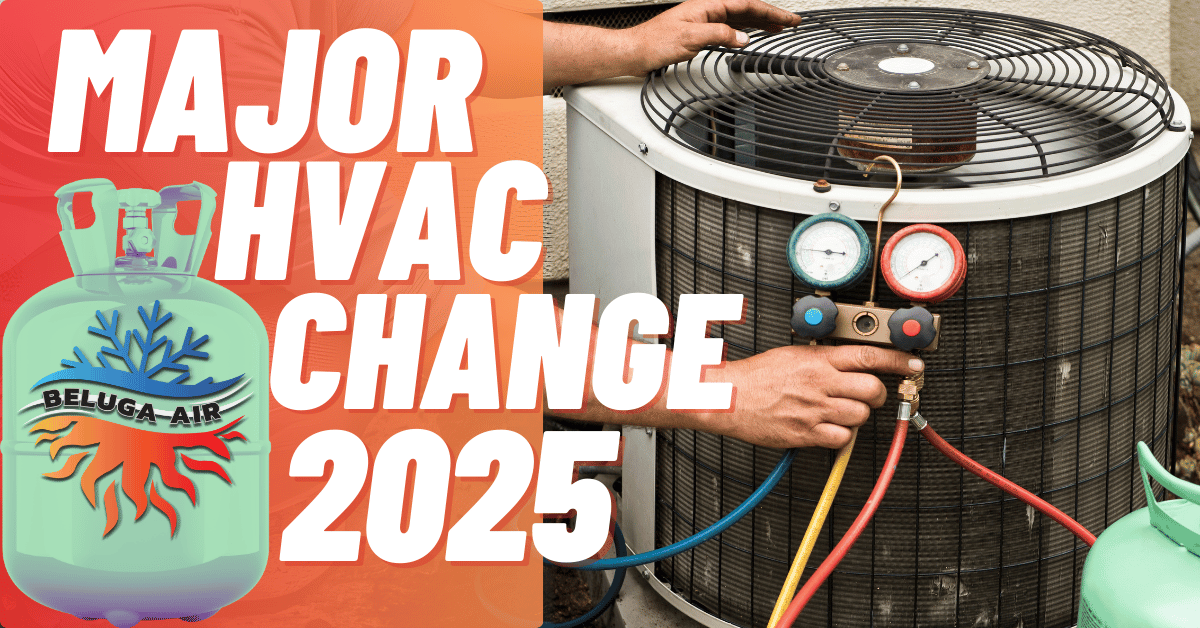
Why Is This Transition Happening?
The HVAC industry is undergoing significant changes, and one of the biggest shifts is the transition away from R-410A refrigerant. Starting January 1, 2025, the manufacture of R-410A air conditioning units and parts will cease due to new Environmental Protection Agency (EPA) regulations aimed at reducing hydrofluorocarbon (HFC) emissions. By January 1, 2026, it will also be prohibited to install R-410A units. Here’s what you need to know about this transition and how Beluga Air is ready to assist San Antonio homeowners through the change.
The EPA’s regulation is part of a broader effort to combat climate change by phasing out high-global-warming refrigerants like R-410A. The new refrigerant, R-32, has a lower environmental impact, better energy efficiency, and superior cooling performance—a critical advantage for hot climates like Texas. These improvements make R-32 a more sustainable choice for residential and commercial HVAC systems.
Key Implications for Homeowners
-
- No Compatibility Between New and Old Systems: The upcoming R-32 units will not be compatible with existing R-410A systems. This means that parts and components cannot be mixed, requiring a full system replacement in most cases.
-
- Impacts on Building and Selling Homes: Homeowners and builders planning new construction or property sales should account for the upcoming changes. Installing an R-410A system close to the 2026 deadline may result in difficulties with repairs or resale due to the phaseout.
-
- Proactive Planning is Essential: Waiting until the last minute to upgrade could lead to higher costs and longer wait times due to increased demand for compliant systems. Proactive upgrades can ensure a smooth transition and ongoing comfort in your home.
Benefits of R-32 Refrigerant
R-32 offers several advantages over its predecessor:
-
- Better Cooling Performance: Ideal for Texas’ hot climate, R-32 systems cool homes more effectively.
-
- Energy Efficiency: Reduced energy consumption means lower utility bills.
-
- Environmental Impact: R-32 has a significantly lower global warming potential compared to R-410A.
How Beluga Air Can Help
At Beluga Air, we understand that this transition may seem daunting, but we’re here to make it easy for San Antonio homeowners. Our expert team is trained and ready to:
-
- Assess Your Current System: Determine whether an upgrade is necessary and provide guidance on the best options for your home.
-
- Provide Seamless Installations: Ensure your new R-32 system is installed professionally and efficiently.
-
- Offer Financing Options: Make the transition affordable with flexible payment plans.
Learn More
For more details about the EPA’s refrigerant regulations, visit these trusted resources:
Don’t wait until the last minute to prepare for these changes. Call Beluga Air today to schedule a consultation and explore your options. Let us help you stay ahead of the curve and ensure your home remains comfortable and efficient for years to come.
Don’t Blow Your Money, Call Beluga Air!
Questions? Whale Answer Them!

Introduction
Did you know that power surges during storms can cause significant damage to your AC unit? According to the National Grid, power surges are responsible for millions of dollars in damages to home appliances each year. Your air conditioning (AC) unit, a crucial component of your home comfort, is particularly vulnerable during storms due to its electrical components.
AC units keep our homes cool and comfortable, especially during the sweltering summer months. However, these valuable electronics can fall prey to damaging power surges caused by lightning strikes, power outages, and other severe weather conditions. The combination of high-voltage spikes and unpredictable weather patterns emphasizes the need for adequate protection measures.
This is where surge protectors come into play. These devices are designed to safeguard your AC unit from unexpected power surges, ensuring its longevity and efficient performance. This article will delve into the importance of surge protectors, how they function, and why investing in one is essential for maintaining the health of your AC unit during storms.
Understanding Surge Protectors
A surge protector is a device designed to protect electrical appliances from voltage spikes. It works by diverting or grounding excess electrical current, ensuring that only a safe amount of electricity reaches your devices. This process helps prevent damage to sensitive electronics, such as your AC unit, during power surges caused by storms or other electrical anomalies.
There are various types of surge protectors available for AC units, each offering different levels of protection:
- Whole-house surge protectors: Installed at your main electrical panel, these provide comprehensive protection for all the devices in your home, including your AC unit.
- Point-of-use surge protectors: These are plugged directly into an outlet and protect individual devices. They are commonly used for specific appliances like AC units, computers, and entertainment systems.
- Combination surge protectors: These offer a mix of whole-house and point-of-use protection, providing layered security against power surges.
Using a high-quality surge protector is crucial for maximizing protection. High-quality surge protectors typically feature:
- High joule rating: Indicates the energy absorption capacity of the surge protector. Higher joule ratings offer better protection.
- Clamping voltage: The voltage level at which the surge protector activates to divert excess electricity. Lower clamping voltage means better protection.
- Response time: The speed at which the surge protector reacts to a power surge. Faster response times provide quicker protection.
Investing in a high-quality surge protector is essential to ensure maximum protection for your AC unit. By understanding the different types and features of surge protectors, homeowners can make informed decisions to safeguard their valuable appliances.
How Surge Protectors Protect AC Units During Storms
Surge protectors play a vital role in safeguarding AC units during storms. By understanding their functions, homeowners can better appreciate their importance:
Power Surge Prevention
During storms, power surges can occur due to lightning strikes, downed power lines, or sudden changes in electricity demand. These surges can deliver thousands of volts into your home’s electrical system, potentially causing significant damage to your AC unit. Surge protectors prevent this by:
- Diversion: Redirecting excess electricity away from your AC unit to the ground.
- Absorption: Absorbing the excess energy to prevent it from reaching sensitive components in your AC unit.
Additional Protection Features
Modern surge protectors come with several additional features that enhance protection for AC units:
- Auto-shutoff Capabilities: Automatically disconnect power to your AC unit if a surge exceeds the protector’s capacity, preventing further damage.
- Thermal Fuses: Providing an added layer of protection by shutting down the surge protector if it overheats.
- Indicator Lights: This allows homeowners to easily monitor the status of the surge protector and know when it needs replacement.
By integrating these features, surge protectors offer comprehensive protection, ensuring the longevity and health of your AC unit during unpredictable weather conditions.
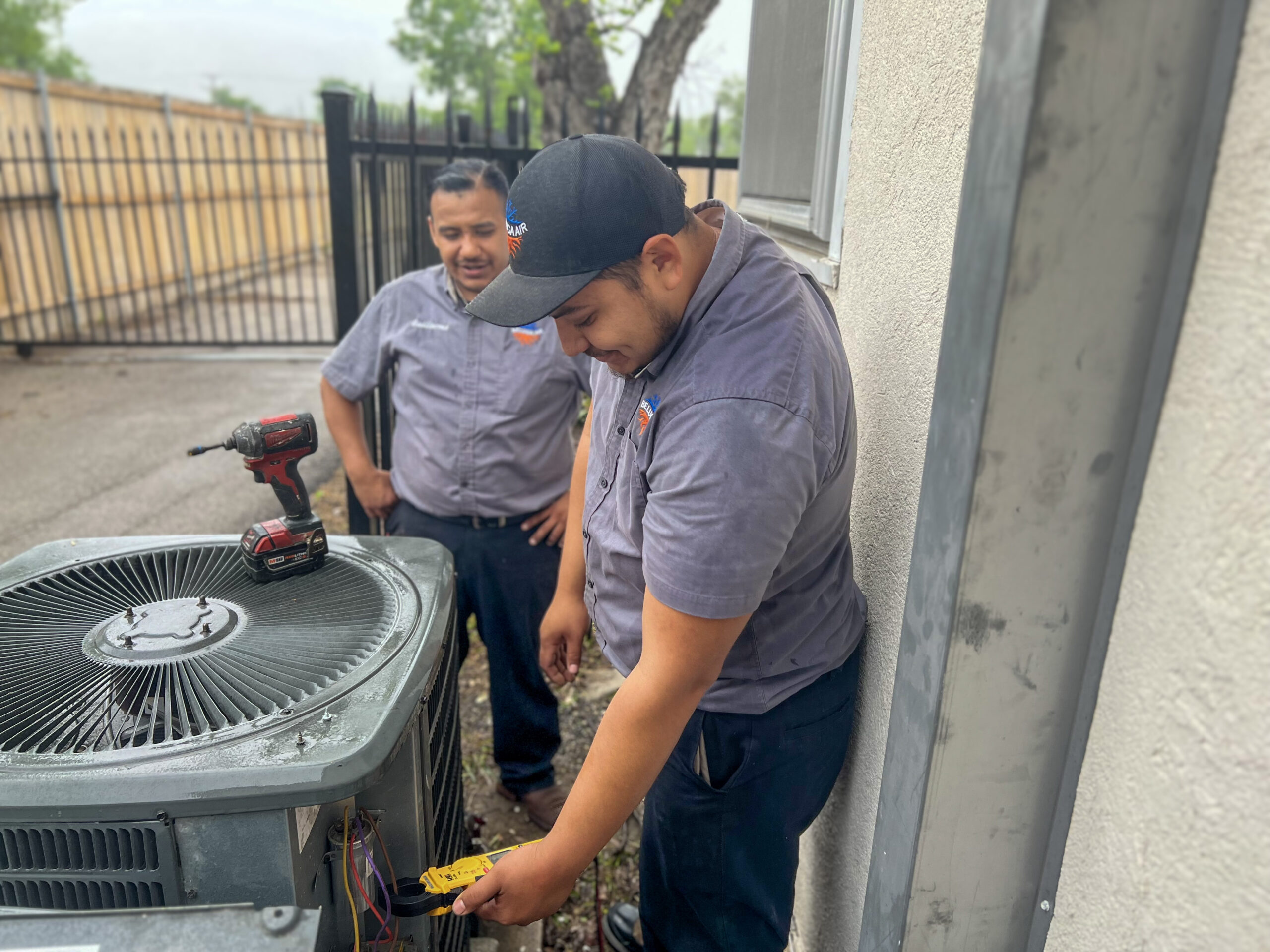
When it comes to protecting your AC unit during storms, selecting a reputable HVAC company is crucial. Beluga Air stands out as an industry leader, offering unparalleled expertise in surge protector installation and maintenance.
Introduction
When the sweltering heat of summer descends, your HVAC system becomes the unsung hero of your home. However, like any piece of complex machinery, it’s prone to the occasional hiccup. An AC breakdown during the toasty summer months is more than a mere inconvenience; it’s a battle against the elements in the comfort of your living room. The aim of this article is to arm you with the knowledge to combat the stifling heat. We’ll explore effective solutions to ensure your air conditioning unit doesn’t leave you sweating over unexpected malfunctions. So, don your troubleshooting hat and let’s dive into the cool waters of HVAC maintenance and repair.
Common Causes of HVAC Malfunctions in the Summer
As the mercury rises, your HVAC system works overtime to keep the chill in the air, but sometimes, the relentless summer heat can lead to AC breakdowns. These malfunctions are often due to a few common culprits that strike when you least expect it. Understanding these can be your first line of defense in the battle against the scorching summer sun.
- Overuse and High Demand: On the hottest days, your air conditioning is pushed to its limits. This can sometimes lead to system overloads and eventual malfunctions.
- Dirt and Neglect: Ignored air filters can foster a playground for dirt and debris, choking your system’s efficiency and leading to preventable failures.
- Component Wear and Tear: Just like any hard-working hero, parts of your HVAC system may tire over time, especially during the summer workload.
- Electrical Issues: Sizzling temperatures can strain not just your AC but also the electrical systems that power it.
Regular maintenance is your HVAC system’s best friend, helping to prevent these common issues. Seasonal check-ups by professionals, such as those at Beluga Air, can ensure that your system runs smoothly throughout those hot summer months. Remember, an ounce of prevention is worth a pound of cure, especially when it involves staying cool during the summer blaze.
What to Do When Your HVAC Stops Working in the Summer
When the sweltering summer sun turns your home into an unwanted sauna, an HVAC malfunction can feel like a dire emergency. Don’t sweat it—follow these steps to troubleshoot the problem:
- First, check the thermostat. It’s the brain of your AC system, and sometimes the issue is as simple as needing new batteries or adjusting the settings.
- Next, take a look at your air filters. Clogged or dirty filters can choke your system and impede airflow. A quick filter change can breathe new life into your AC.
- Lastly, don’t overlook the circuit breaker. If it’s tripped, reset it. This could be the quick fix you need, but if it trips again, that’s a sign of a deeper issue.
If these steps don’t bring back the cool breeze of your air conditioning, it’s time to call in the cavalry. Reach out to Beluga Air for your HVAC problems. Their expertise can transform your home from a bake oven back to your personal cool haven.
Conclusion
As we’ve navigated the sweltering labyrinth of HVAC malfunctions, it’s clear that the summer sun can turn our cool oasis into a desert of discomfort with a single hiccup from our AC unit. We’ve dissected the usual suspects: everything from relentless heat waves putting our systems under siege to overlooked maintenance that can lead to an untimely breakdown. Preventative measures, such as regular check-ups and being attentive to the health of your air filters and thermostats, are your first line of defense.
But despite our best efforts, sometimes the cool breeze capitulates to the heat. When this happens, a methodical approach to troubleshooting can be your saving grace. Start with the basics: check your thermostat, eye your air filters, and peek at your circuit breaker. If the problem remains elusive, remember that it’s not a defeat but a call to action. This is the moment to bring in the professionals.
Don’t let the summer heat win; ensure your comfort and peace of mind by scheduling regular maintenance and keeping the number of a trusted HVAC specialist like Beluga Air at the ready. When your cooling systems falter, a quick call can swiftly restore your summer sanctuary. Stay cool, stay prepared, and remember, for any HVAC hurdles—Beluga Air is just a call away.
Introduction
Embarking on the journey of HVAC system replacement is a pivotal decision for homeowners, intertwining comfort with cost and convenience. Common myths may cloud judgment, leading to procrastination or premature decisions about when to introduce a new climate guardian into your home. This article will unveil the clear signs that it’s time to bid farewell to your faithful HVAC system and welcome an upgrade that promises enhanced efficiency and reliability. We’ll embark on a comprehensive exploration of the indicators that whisper (or sometimes shout) the need for a change, ensuring your replacement decision is well-informed and timely. Prepare to navigate through the nuanced world of HVAC systems with an objective lens, focusing on factual, real-world applications free from the haze of opinionated narratives. A well-functioning HVAC system isn’t just about personal comfort—it’s about making a smart investment in your home’s future.
Signs that Indicate the Need for HVAC System Replacement
Understanding when to retire your trusty HVAC system is akin to reading the concluding chapter of a long novel – you sense the end is near when the pages start to wear. With HVAC systems, age is a pivotal metric; most systems are primed for substitute after 10 to 15 years. Like the gradual transformation of technology that renders older gadgets obsolete, so too do advancements in HVAC efficiency mandate consideration of modern alternatives.
- Frequent Breakdowns: The recurrence of malfunctions in your HVAC unit is a clear signal, whispering the need for a replacement option.
- High Energy Bills: When your energy costs begin to climb without a change in home usage habits, it’s a telltale sign that efficiency is waning, and a replacement cycle may be due.
- Technology and Efficiency: With ever-improving efficiency standards, your older system may be falling behind, not just in performance but also in environmental friendliness.
- Common Problems: Odd noises, inconsistent temperatures, and the inability to keep up with your comfort demands can all be indicators that it’s time to explore replacement markets.
Don’t wait for a breakdown to tell you it’s time for change. Proactive consideration of these signs can lead to timely replacement service, ensuring seamless comfort and efficiency in your home.
Benefits of HVAC System Replacement
The decision to replace your HVAC system may not only rejuvenate the air you breathe but also the vitality of your home’s efficiency. One of the most compelling advantages is the enhancement of indoor air quality. A new system can effectively mitigate the accumulation of dust and allergens, ensuring a healthier living environment. Moreover, homeowners will often observe a significant reduction in energy costs due to advancements in technology that offer superior energy efficiency.
- Cost Savings: Over time, the investment in a modern HVAC system can translate to considerable savings on utility bills.
- Home Value Increase: An updated system can boost your property’s marketability and desirability, potentially increasing its resale value.
- Environmental Benefits: Upgrading to a model that conforms to current efficiency standards contributes to a smaller carbon footprint.
Thus, acknowledging the signs that herald the need for a replacement can lead to these substantial benefits, securing both your comfort and investment.
Conclusion
Understanding when to replace your HVAC system is pivotal for maintaining a comfortable and energy-efficient home. Ignoring the telltale signs can lead to more than just discomfort; it can result in exorbitant energy bills and unforeseen system failures. Being proactive about HVAC system replacement can save you money and spare you from the inconvenience of sudden breakdowns. By heeding the warning signals and performing regular maintenance, you’re not only ensuring a steady flow of clean air through your living spaces but also contributing to a more sustainable future with energy-saving technology.
For those seeking further guidance or pondering over the nuances of a replacement policy, additional resources are at your disposal. From exploring replacement plans to understanding the replacement cost, the journey to enhancing your home’s HVAC system doesn’t have to be a solo adventure. Engage with professionals who can provide tailored advice and aid in making an informed decision that resonates with your specific needs and circumstances.
Ultimately, keeping your HVAC system in check is more than a mere task; it’s an investment in your home’s welfare and your family’s comfort. So, remember – the key to a serene and efficient home environment lies in recognizing the lifecycle of your HVAC system and acting accordingly.

Introduction
As the earth tilts to grace us with the vivacious vibe of spring, it’s not just the blossoms that need tending—your trusty AC unit craves some TLC too! A spring AC maintenance isn’t just a tick on your to-do list; it’s a crucial ritual to ensure your HVAC system hums with efficiency. Think of it as a wellness retreat for your air conditioner, providing a buffet of benefits that keep it in peak condition. Don’t wait until your AC throws a tantrum in the heat of summer!
Understanding the Impact of Neglecting Spring AC Maintenance
Think of your AC unit as a trusty steed; without proper care, it’s bound to stumble. Skipping a spring tune-up for your AC unit is like ignoring the warning lights on your car’s dashboard – it’s a recipe for disaster. Neglect can lead to a domino effect of issues, starting with higher energy bills as your system struggles to keep up. No one enjoys watching their money evaporate into thin air, right?
- Reduced Efficiency: A neglected unit has to work overtime, leading to energy bills that can cause your wallet to break into a sweat.
- Increase in Breakdowns: Just like a neglected garden sprouts weeds, a neglected AC can result in unexpected breakdowns. These interruptions are as welcome as a skunk at a lawn party.
- Long-Term Savings: Regular AC maintenance helps you avoid the need for costly repairs or early replacements, keeping your bank account as cool as a cucumber.
Don’t gamble with your comfort; the stakes are too high. Keep your system in tip-top shape and contact Beluga Air for professional AC maintenance services.
Extending the Lifespan of Your AC Unit for the Spring
Imagine your AC unit as a marathon runner. Just as a runner needs regular exercise and check-ups to stay in tip-top shape, your AC requires consistent maintenance to sprint through the hot months without breaking a sweat. Regular spring tune-ups are akin to a personal training session for your AC, ensuring every component is primed and ready to go the distance.
- Regular tune-ups bolster the heart of your system, reducing wear and tear on its vital parts.
- Efficiency is the name of the game—well-maintained units don’t have to work as hard, which often translates into a longer, more robust life.
- Investing in maintenance is like putting money in a high-interest savings account—it accumulates over time, shielding you from the financial sting of an early AC retirement.
With Beluga Air’s expertise, watch your AC outlast the rest. It’s not just about surviving the summer; it’s about embracing a future where you and your wallet can chill out, thanks to fewer replacements and repairs. Don’t wait for the heat to rise; schedule your maintenance with Beluga Air today, and give your AC the long, happy life it deserves!
Conclusion
As the flowers bloom and the sun reclaims the sky, we must not forget that our trusty AC units need a little spring revival of their own. A spring AC tune-up is not just about preventing the summer swelter; it’s an investment in your comfort and wallet. Heeding the call for maintenance means you’re safeguarding against the scorching heat waves with a unit that runs smoother, lives longer, and giggles at the sight of energy bills.
It’s time to dust off any complacency and spring into action with Beluga Air. Don’t let your AC hibernate any longer – awaken it with a professional touch. By scheduling your spring tune-up now, you ensure that your HVAC system is prepped for performance, efficiency, and longevity.
So, why wait for the AC blues when you can beat the heat preemptively? Contact Beluga Air today, and let’s keep your cool all season long, without the meltdown of unexpected costs. Make the smart move; schedule your spring tune-up and join the league of breezy, happy homes.
Allergies: How Your HVAC Can Save You 2024

Understanding Allergies and HVAC
As spring approaches, so does allergies season. Pollen, dust, and other allergens become airborne and can make their way into our homes, causing discomfort for those with sensitivities. However, your Heating, Ventilation, and Air Conditioning (HVAC) system can be a powerful ally in the fight against these allergens. Let’s explore how your HVAC system can help you breathe easier during the allergy season.
Regular Maintenance
One of the simplest yet most effective ways to ensure your HVAC is helping rather than hindering in your battle against allergies is regular maintenance. This includes cleaning and replacing air filters, which can trap pollen, dust, and other allergens. A clean filter not only improves air quality but also enhances the efficiency of your system.
Upgrade Your Air Filters For Your Allergies
While standard air filters can capture many allergens, upgrading to a high-efficiency particulate air (HEPA) filter can make a significant difference for allergy sufferers. HEPA filters are designed to capture 99.97% of airborne particles, including those as small as 0.3 microns, effectively reducing the presence of common allergens in your home’s air.
Consider a Whole-Home Air Purifier
For those with severe allergies, a whole-home air purifier that works in conjunction with your HVAC system may be worth the investment. These purifiers can remove a wide range of allergens and contaminants from the air throughout your entire home, instead of just one room like a standalone unit.
Control Humidity Levels For Your Allergies
Allergens such as mold thrive in moist environments. By controlling the humidity levels in your home with a dehumidifier, you can create an environment that’s less hospitable to allergens. Many HVAC systems have built-in dehumidifiers or can be fitted with one to help maintain optimal indoor humidity levels.
Seal Leaks and Ducts
Leaky ductwork can introduce allergens and pollutants from unconditioned spaces into your home. Sealing these leaks and ensuring your ducts are clean can greatly reduce the amount of allergens that circulate through your HVAC system, thereby improving indoor air quality.
Allergies in San Antonio
Spring allergies can be a nuisance, but with a well-maintained and properly equipped HVAC system, you can reduce the allergens in your home and make the season more enjoyable. Consider these tips to enhance the air quality in your home and keep allergies at bay. Always consult with a professional for the best results and to ensure your system is up to the task.
Article by Seasonal Comfort HVAC Co. – Your Partner in Creating a Healthier Home Environment.
Connect with us


- July 2026
- June 2026
- May 2026
- April 2026
- March 2026
- January 2026
- December 2025
- November 2025
- October 2025
- September 2025
- August 2025
- July 2025
- January 2025
- June 2024
- April 2024
- March 2024
- February 2024
- January 2024
- December 2023
- November 2023
- October 2023
- September 2023
- August 2023
- July 2023
- June 2023
- May 2023
- April 2023
- March 2023
- February 2023
Archives
Learn More
License: #TACL087165E
Location
240 Sherwood Drive
San Antonio, TX 78201