
Introduction to HVAC Decisions
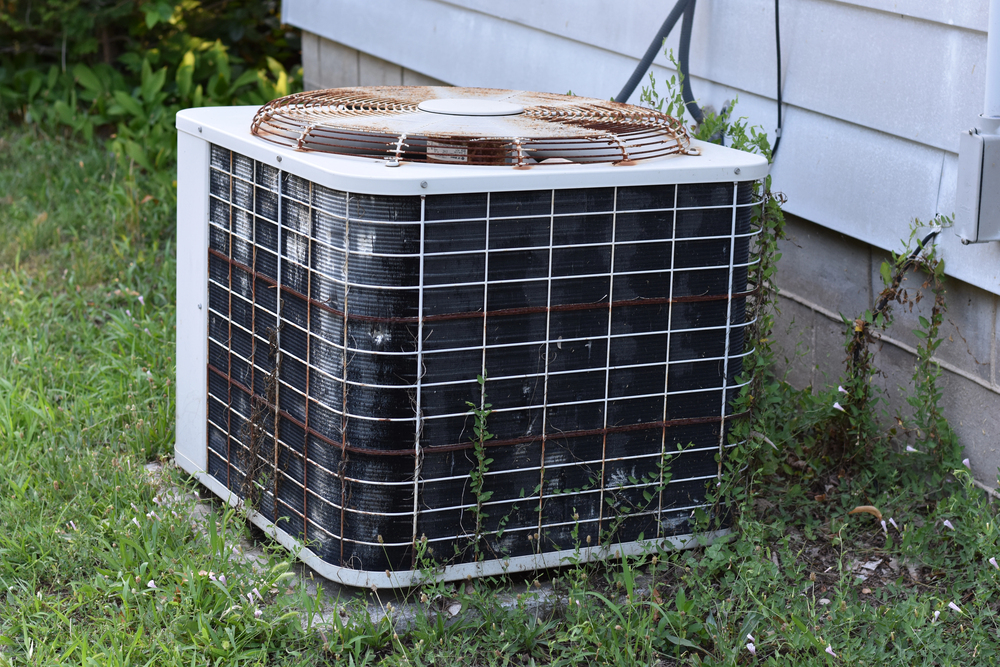
When it comes to maintaining your home comfort, the choice between repairing or replacing your HVAC system can be a real head-scratcher. This decision isn’t just about keeping the cool air flowing or the heat pumping; it’s about making a savvy financial choice. Cost-effectiveness is the key player here. Understanding when to invest in repairs or when to opt for a replacement can save you a bundle in the long run. Let’s dive into the factors that can lead you to a smart and cost-effective decision.
Assessing Repair Costs
Delving into the realm of HVAC repairs unveils a myriad of factors influencing costs. The age and type of your HVAC system can significantly sway expenses. Older units often demand more intensive repairs with harder-to-find parts, while newer systems, especially those under warranty, usually incur lower costs. Moreover, the severity of the issue at hand plays a crucial role. Simple fixes like a thermostat replacement might only set you back $50 to $200, whereas a major compressor replacement can soar to $1,900.
Geographic location also matters. Areas with high living costs or fewer technicians often see higher labor rates. Timing is another consideration—peak seasons can inflate prices. “While repairs might seem costly, they often prove more cost-effective than frequent replacements,” emphasizes the importance of strategic decision-making.
Repair frequency is another puzzle piece. Regular maintenance can dramatically reduce unexpected breakdowns, helping you save in the long haul. Ultimately, understanding these variables can guide you in making a cost-effective choice between repair and replacement, ensuring your HVAC system runs smoothly.
When Replacement is More Sensible
Deciding whether to replace your HVAC system can feel daunting. However, there are specific scenarios where replacement is undeniably more cost-effective:
- Age of the System: If your air conditioner or furnace is over 10-15 years old, it’s time to consider a new one. Older systems are prone to frequent breakdowns and inefficiency.
- High Repair Costs: Use the “5,000 rule”—multiply the system’s age by the repair cost. If it exceeds $5,000, replacement is your best bet.
- Expired Warranty: Once the warranty is gone, you’re on the hook for all repair costs. This is especially true for systems that frequently break down.
- Rising Energy Bills: Older units can use 30-50% more energy. Upgrading to a high-efficiency model can reduce energy costs by 20% or more.
Newer HVAC models come with advanced technology, improving efficiency and cutting down energy usage. They often feature smart thermostats and zoning systems, enhancing your comfort and reducing utility bills. So, if you’re noticing that your old system is costing more than it’s worth, a new installation can lead to significant long-term savings and peace of mind.
Energy Costs and Savings
Energy costs are a major factor when deciding whether to repair or replace your HVAC system. Older units often guzzle more energy, spiking your utility bills. On the other hand, upgrading to a modern, energy-efficient model can dramatically slash energy consumption, thanks to advanced technologies like variable speed compressors and smart thermostats.
Consider this table to visualize the savings:
| System Type | Average Monthly Energy Cost |
| Old HVAC System | $150 |
| New Energy-Efficient System | $100 |
As you can see, swapping out your old system could save you 20% or more on energy costs. Plus, the government offers incentives to sweeten the deal—a tax credit of 30% on energy-efficient upgrades and potential rebates up to $8,000. These incentives make investing in a new system not just a cost-effective choice, but a smart one for long-term savings and environmental impact.
Conclusion
In the battle of repair vs. replace, the scales tip depending on costs, energy efficiency, and frequency of repairs. Replacing an outdated system with a modern, energy-efficient model can save you money in the long run, especially with available government incentives. Consider your specific needs and situation carefully. Don’t blow your money on endless repairs—call Beluga Air for expert guidance and solutions tailored to your HVAC needs in San Antonio Texas and beyond!
Connect with us


- September 2026
- August 2026
- July 2026
- June 2026
- May 2026
- April 2026
- March 2026
- January 2026
- December 2025
- November 2025
- October 2025
- September 2025
- August 2025
- July 2025
- January 2025
- June 2024
- April 2024
- March 2024
- February 2024
- January 2024
- December 2023
- November 2023
- October 2023
- September 2023
- August 2023
- July 2023
- June 2023
- May 2023
- April 2023
- March 2023
- February 2023
Archives


Learn More
License: #TACL087165E
Location
240 Sherwood Drive
San Antonio, TX 78201