
Introduction
As temperatures start to rise, San Antonio Ac Repair follows. But what do you do if it stops working? A broken air conditioning unit can be a major issue and can drastically reduce the comfort of your home. The first step is to to check a few simple things before you have to call in the professionals.
It is important to note that while you can take a few simple steps to check if your unit is working properly, it is always recommended to have a professional diagnose the issue in order to get to the root of the problem and to ensure your AC unit is operating safely and efficiently.
In this article, we’ll provide a helpful 3-step guide on what to do if your AC unit stops working. We’ll also explain why it is important to have a professional diagnose the issue and provide a call to action to contact Beluga Air for a free diagnosis of your AC unit.
Let’s get started and take a look at the first step you can take to troubleshoot your AC unit.
Step 1: Check the Circuit Breakers San Antonio Ac Repair
When your air conditioning unit stops working, one of the first steps you should take is to check the circuit breakers. Circuit breakers are essentially like a self-resetting fuse and are designed to protect your electrical system from power surges and short circuits. If a circuit breaker is tripped, it can cut off the power to your air conditioner and cause it to stop working.
In order to check the circuit breakers, the first thing you should do is locate the circuit breaker box. This is usually located in the basement, utility room, or garage. Once you have located the box, open it and inspect the circuit breakers inside. Each of the circuit breakers should be in the “on” position.
If one of the circuit breakers is in the “off” position, then this could be the cause of your air conditioning unit not working. To reset the breaker, simply turn the switch to the “on” position and then turn it back to the “off” position. This should reset the breaker and restore power to the air conditioner.
If none of the circuit breakers are in the “off” position, then the issue may be more complicated and you may need a professional to inspect the system.
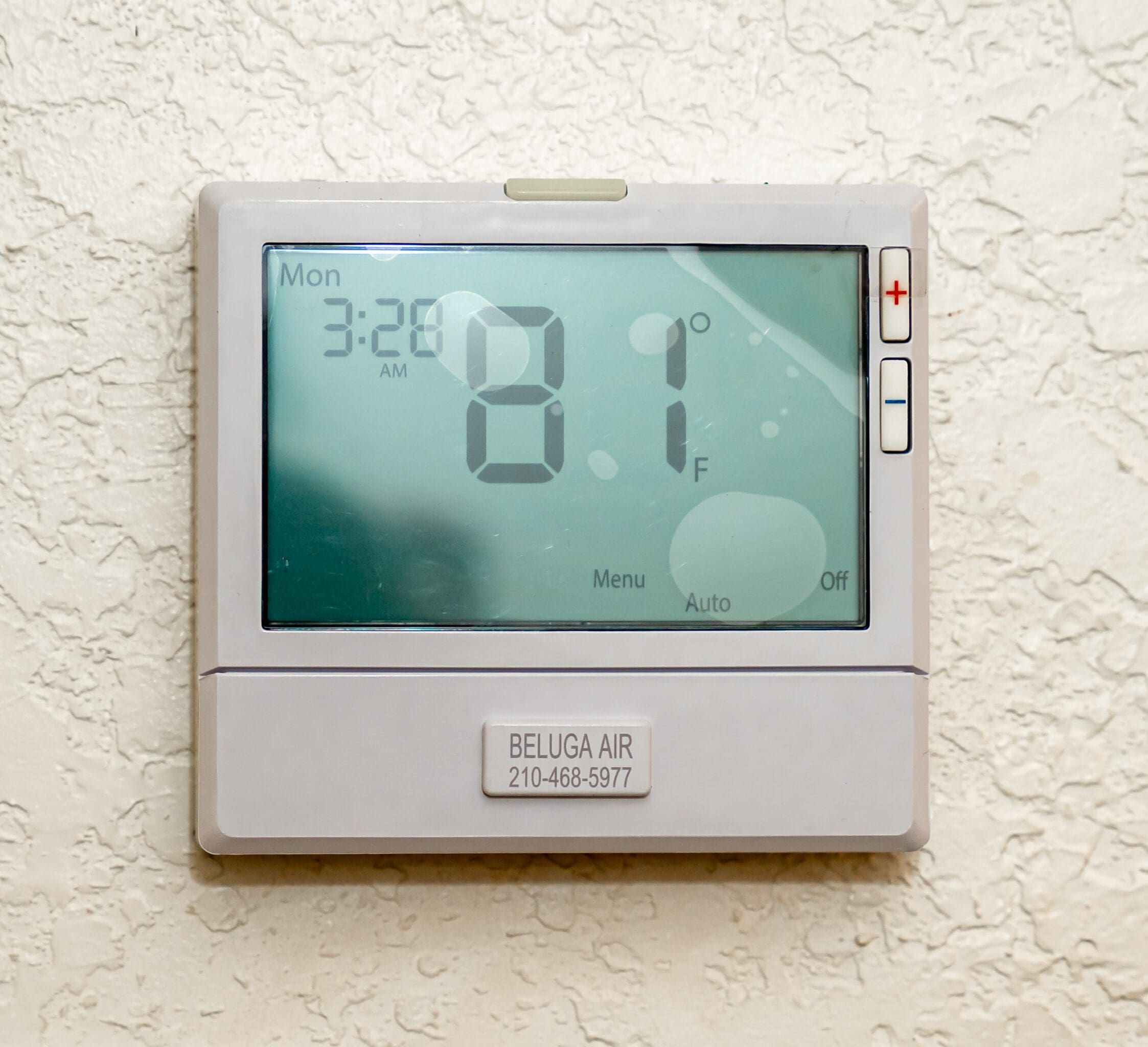
Step 2: Check the Thermostat
There are several steps you can take to check the thermostat. First, make sure it’s powered on. If the thermostat is off, the air conditioner won’t work. Check the thermostat’s battery and power source. If the battery is low or dead, it won’t be able to communicate with the air conditioner.
Next, make sure the thermostat is set to the right temperature. If it’s set too low, your air conditioner won’t turn on. Check the “fan” setting too. It should be set to “auto” so the fan runs automatically when the air conditioner is on.
You should also check the thermostat’s “mode.” The mode should be set to “cool” if you want your air conditioner to turn on. If the mode is set to “heat,” the air conditioner won’t turn on.
Finally, make sure there’s no debris or other objects blocking the thermostat’s sensors or airflow. Anything blocking the thermostat’s sensors or airflow can prevent the air conditioner from turning on.
Once you’ve checked the thermostat, it’s important to call a professional if the problem persists.
Step 3: Check the Filter
When it comes to your AC unit, one of the most important components is the filter. The filter is responsible for trapping dust, dirt, and other debris to keep them from circulating through your air. It also helps reduce allergens in the air. If your AC unit is not working properly, it’s important to make sure the filter is clean and in good condition.
When checking your AC filter, start by checking for visible damage. Make sure to check if the filter has any torn areas or holes. If it does, you will need to replace it. You should also check for dirt and debris buildup on the filter. If you see any, you should clean the filter with a vacuum or brush.
If the filter looks to be in good condition, but your AC unit is still not working, you may need to replace the filter. When replacing the filter, make sure you have the correct size and type for your unit. You should also make sure the filter is the correct direction so it can properly filter the air.
Once you have the new filter in place, it’s time to test the AC unit. Turn the unit on and make sure it is working properly. If your AC unit is still not working, it’s time to call a professional.
Top San Antonio Ac Repair
When your AC unit stops working, it is important to take the time to properly diagnose the issue before calling in a professional. By following the steps outlined in this guide, you can check the circuit breakers, thermostat, and filter for any signs of trouble.
At Beluga Air, we are committed to being the top San Antonio Ac Repair company you can trust. We strive to make sure that your AC unit is running at its best and that you are comfortable in your home. With our free professional diagnosis, you can trust that your issue will be accurately diagnosed and the proper repairs and maintenance will be applied.
Don’t wait until your AC unit stops working. Take the time to properly diagnose the issue and call Beluga Air for a free professional diagnosis. Our team of experts are here to help you get your AC unit back up and running quickly and efficiently.
Top Thermostats For Your Home in 2023
Introduction
Choosing the right thermostat for your home is an important decision. It’s essential that you get one that has all the features you need, is user friendly, and is cost-effective. With the many different types and brands of thermostats, it can be overwhelming to figure out which one is best for you. That’s why we’re here to help.
In this article, we’ll be discussing the top thermostats available on the market. We’ll explain the features and advantages of these thermostats and what makes each of them the best choice for your home. We’ll also go over the most popular thermostats and which one you should choose.
When it comes to choosing the right thermostat, there are multiple factors you should consider. Comfort level, energy efficiency, and user-friendliness are some of the main ones. You need to make sure that the thermostat you choose will meet all your needs and be easy to use. It’s also important to look at the cost so that you can get a thermostat that fits within your budget.
Now that you know the basics of thermostats, let’s take a look at the top thermostats and their features.
Popular Thermostats
When choosing the right thermostat for your home, there are several popular thermostats to consider. The Nest Thermostat, Ecobee Thermostat, and Honeywell Thermostat are among the most popular. Each thermostat provides unique features and varying levels of control, making them ideal for different households and lifestyles.
Nest Thermostats
The Nest Thermostat is a smart thermostat that allows you to remotely access and control your home’s temperature with an app. This thermostat can help you save energy by learning your preferences and automatically adjusting the temperature when you’re away. It also features a sleek design with digital displays and easy-to-use controls.
Ecobee Thermostats
The Ecobee Thermostat is a digital and programmable thermostat that is easy to install and maintain. It is cost-effective and offers accurate temperature readings, ensuring that your home is always comfortable. With the help of its intuitive system, you can control and monitor the temperature in your home from your smartphone, tablet, or computer.
Honeywell Thermostats
The Honeywell Thermostat is a programmable thermostat that provides an impressive level of comfort. It allows you to customize your temperature settings and has been designed to provide optimal efficiency and convenience. In addition, the Honeywell Thermostat is energy-efficient and helps you save money on your energy bills.
No matter which thermostat you choose, it is important to remember that the right thermostat can make a huge difference in the comfort of your home. The right thermostat can also help you save energy and money. Beluga Air has an experienced team of professionals that can help you find the best thermostat for your home.
Smart & Programmable Thermostats: Deeper Dive
A smart thermostat is the latest technology when it comes to home heating and cooling solutions. Smart thermostats offer a number of advantages over traditional digital and programmable models. For starters, they offer remote access and control, allowing you to adjust the temperature from anywhere in the world.
Smart thermostats also offer improved energy efficiency. By connecting with your home’s Wi-Fi connection, a smart thermostat can adjust temperatures based on usage and occupancy. This helps to reduce energy costs by reducing the amount of time that the system is running.
Another great benefit of smart thermostats is that it allows you to customize the comfort level in your home. You can set different temperatures in different areas of your home, and you can easily adjust the settings when your family’s needs change. This also helps to reduce energy costs by preventing the system from running unnecessarily.
Smart thermostats also offer a variety of other features that can make your home even more comfortable. For example, many models offer humidity control, allowing you to adjust the humidity in your home. This is especially useful in areas with high humidity, as it can help prevent mold and mildew growth.
In addition, many smart thermostats offer voice control, so you can adjust the temperature in your home simply by speaking a command. This makes it easier than ever to adjust the temperature without ever leaving the comfort of your home.
Furthermore, many digital and programmable thermostats come with pre-programmed settings and easy-to-use interfaces to make controlling the temperature of your home a breeze. These thermostats are also great for different climates and seasons, as they can be programmed to adjust the temperatures based on the time of day and desired levels of comfort.
One of the greatest advantages of digital and programmable thermostats is the ability to set up multiple temperature zones within your home. This means that you can set different temperatures in different rooms and rooms to maximize comfort and energy efficiency.
Finally, many smart thermostats offer a variety of different reports and alerts. This can help you stay informed about the temperature in your home and how it is affecting your energy consumption. This can be especially helpful for those who are looking to reduce their energy costs, as it can help them identify areas where they can make changes to reduce their costs.
Conclusion
When it comes to finding the best thermostat for your home, the decision can be overwhelming. To make the process easier, it helps to understand the benefits of the different types of thermostats and the features they offer.
Smart thermostats provide the ultimate convenience with features like remote access and control, improved energy efficiency, and custom comfort levels. Digital and programmable thermostats are more affordable and easy to install and maintain, making them a popular choice among homeowners. In addition, they offer accurate temperature readings.
To sum up, the right thermostat can bring many benefits to your home. Smart thermostats offer the ultimate in convenience, while digital and programmable thermostats are more affordable and easy to install. Popular thermostats on the market include Nest, Ecobee, and Honeywell. For help selecting and installing the perfect thermostat for your home, contact Beluga Air today.
How You Can Prevent Clogged HVAC Drains In 2023
Introduction
Clogged drains can be a major problem, especially for homeowners with HVAC systems. Clogged drains can cause a variety of issues, such as damage to the system, odors, and even health hazards. Fortunately, there are several things that you can do to prevent clogged drains from occurring in the first place. In this article, we will discuss the causes of clogged drains, the risks associated with them, and how you can prevent them with regular maintenance and the use of drain-clearing products.
The risks associated with a clogged drain are numerous. If left unaddressed, the accumulation of debris can cause the drain line to back up, resulting in flooding, water damage, and mold growth. Furthermore, the buildup of debris can lead to a foul odor in the home as well as health risks due to the presence of mold and bacteria.
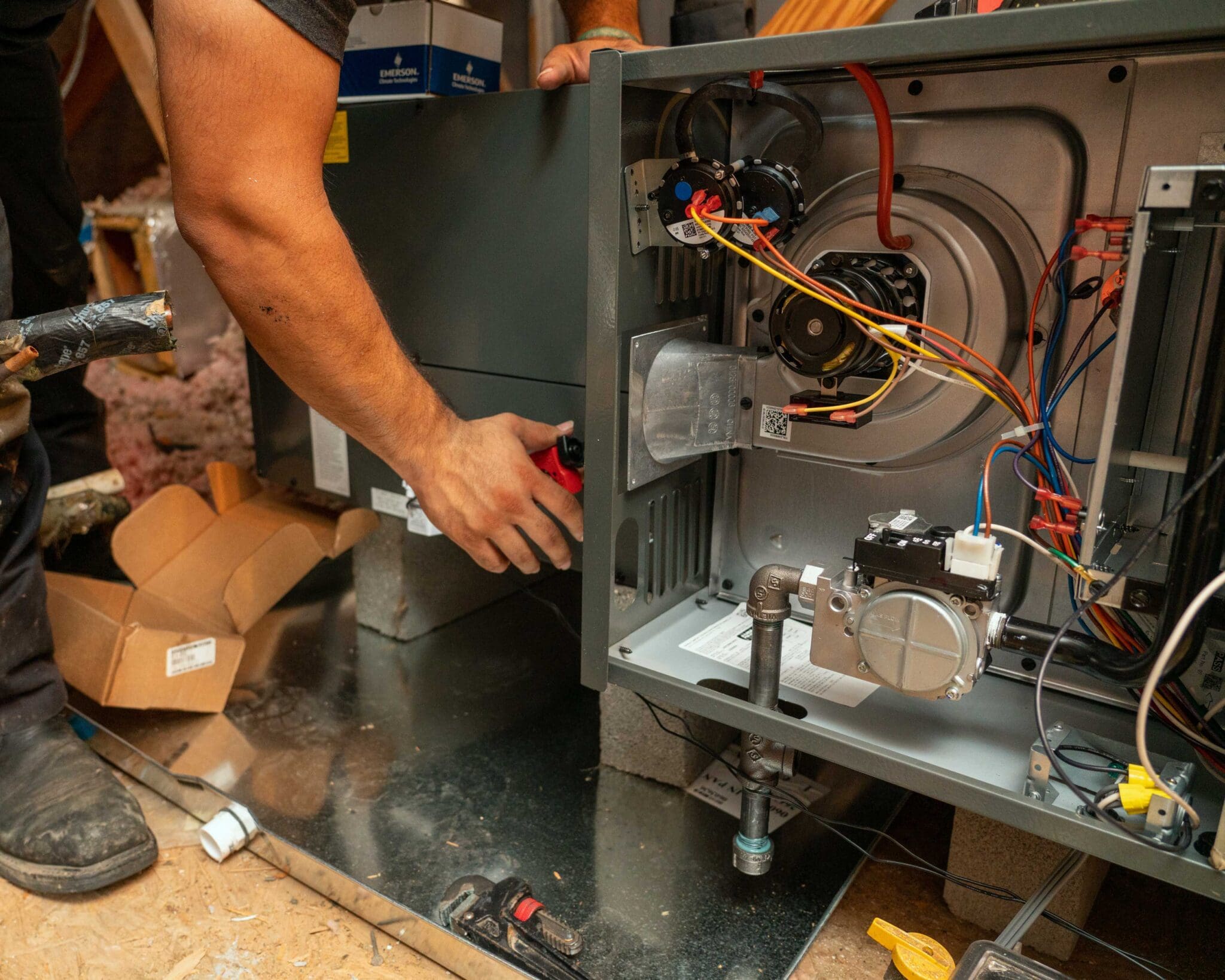
The best way to prevent clogged drains is to maintain your HVAC system regularly. This includes regularly inspecting the system for any signs of clogs, cleaning the system to remove any debris, and using a drain-clearing product to remove any blockages. Additionally, homeowners should avoid pouring oil, grease, and other fats down their drains, as these can contribute to clogging. Lastly, it is important to only flush human waste and toilet paper down the toilet, as other materials can cause blockages.
By taking these steps, you can prevent clogged drains from occurring and save yourself the time, expense, and hassle of dealing with the potential problems they can cause. With regular maintenance and the use of drain-clearing products, you can keep your HVAC system running smoothly and efficiently.
How to Prevent Clogged Drains
Clogged drains in your HVAC system can be both a nuisance and a cause for concern. The best way to prevent them is to take proactive steps to keep your system clean and regularly inspected.
The first step to take when attempting to prevent a clogged drain is to clean your HVAC unit on a regular basis. This can involve cleaning out the air filter, clearing away any dust, and removing any debris from the drain system. Doing this will help keep the drains clear and prevent any build-up.
Next, you should regularly inspect your HVAC unit for signs of potential clogs. Things to look out for include any strange odors, backing up of water, or slow draining. If you notice any of these signs, it may be time to call in a professional to take a look.
By taking these steps, you can help ensure your HVAC system is functioning at its best and prevent any potential clogs from occurring. While it’s always possible for clogged drains to happen, these steps can help reduce the likelihood of it happening.
Benefits of Preventing Clogged Drains
When it comes to the benefits of proper maintenance of your HVAC system’s drains, the list is long. First and foremost, regularly cleaning your system and inspecting it for signs of clogs can help prevent damage to your unit and save you money in the long run.
Regular cleaning and maintenance of your HVAC system’s drains can also help to prevent odors and other health hazards that are associated with clogged drains. If your drains are clogged, it can lead to bacteria and mold growth, which in turn leads to poor air quality. Additionally, the accumulated water from clogged drains can lead to a build-up of moisture, creating an ideal environment for mold and other bacteria to thrive.
In addition to improving air quality and preventing damage to your HVAC system, investing in regular maintenance of your system’s drains can also help to save you money. Clogged drains can lead to damage to your HVAC system, resulting in costly repairs or worse, complete replacement of your system. By investing in regular maintenance, you can identify smaller problems before they become larger, more expensive problems.
By taking the time to invest in the proper maintenance of your HVAC system’s drains, you can prevent costly repairs and extensive damage to your system. It is important to remember that regular maintenance is key to ensuring the proper functioning of your HVAC system. Beluga Air offers professional maintenance services to help ensure your HVAC system is running efficiently.
Conclusion
Clogged drains can be a major inconvenience for homeowners and commercial building owners with HVAC systems. Not only can they cause bad odors and even health hazards, but clogged drains can also lead to costly repairs and replacements. Fortunately, clogs can be prevented with regular maintenance.
By taking the steps to properly maintain your HVAC unit and drain system, you can prevent costly repairs and replacements in the future. Regular maintenance can also help you save money in the long run, as well as prevent odors and other health hazards caused by clogged drains.
At Beluga Air, our experienced technicians can help you keep your drains clear and your HVAC system running efficiently. Contact us today to learn more about our maintenance services and how we can help you prevent clogged drains.
Indoor Air Quality: Why Is It Important?

Introduction
The air quality within a home can have a profound effect on one’s overall health and wellbeing. Poor air quality can lead to a variety of health issues, including greater risk of developing allergies and respiratory problems. On the other hand, good air quality can improve one’s lifestyle, productivity, and sleep. Indoor air quality is an important factor to consider.
What is indoor air quality? According to the Environmental Protection Agency, “indoor air quality is the air quality within and around buildings and structures, especially as it relates to the health and comfort of building occupants.” It’s the air quality we breathe in and out. It’s the air quality that we can control if we take the proper steps.
One of the primary ways to improve indoor air quality is through regular maintenance of an HVAC system. The HVAC system is the main equipment that helps to condition the air inside a home or office. It keeps the air circulating and filtered in order to reduce contaminants and airborne allergens.
In this article, the importance of indoor air quality will be discussed. Not only will the effects of poor air quality be outlined, but also the benefits of having good air quality. Lastly, ways to improve indoor air quality through HVAC maintenance will be highlighted.
Ultimately, it’s important to have a good understanding of indoor air quality and the steps needed to maintain it. Fortunately, Beluga Air is here to provide quality services to ensure that your home or office space has the best air quality possible.
Effects of Poor Air Quality
Poor air quality can have severe effects on our health. It can cause a range of allergies and respiratory issues, and can even lead to greater sickness. Some of the most common effects of poor air quality are: allergies and respiratory issues, fatigue, headaches, and increased risk of developing asthma.
When the air we breathe is not consistently high-quality, the body is subjected to a constant barrage of toxins. This can cause inflammation and constriction in the lungs, which can lead to difficulty breathing and increased symptoms of allergies, such as sneezing, coughing, and itchy eyes.
Poor air quality can also lead to increased levels of fatigue and headaches. This is because the body has to work harder to filter out the toxins in the air. As a result, the body can become exhausted and struggle to function normally. Headaches are a common symptom of exposure to poor air quality. When the air we breathe is polluted, our bodies are exposed to toxins that can weaken the immune system and make us more vulnerable to illnesses. This can cause more frequent illnesses such as colds, flu, and other respiratory illnesses.
These are just some of the effects of poor air quality. Poor air quality can have a serious impact on our health, and it is important to take steps to ensure the air we breathe is clean and safe.
Benefits of Good Air Quality
Having good indoor air quality is extremely beneficial to both our mental and physical well-being. Clean air can help reduce the symptoms of allergies, asthma, and other respiratory illnesses. It can also improve our productivity, quality of sleep, and help maintain a healthy lifestyle.
Increased Productivity
Poor air quality can be detrimental to one’s mental and physical performance. Studies have shown that employees’ productivity is directly linked to the air quality in their workplace. Good air quality has been linked to improved cognitive functioning and higher levels of concentration. It can also reduce fatigue, headaches, and other physical symptoms which can have a negative impact on performance.
Improved Sleep
Indoor air quality can also affect our quality of sleep. Poor air quality can cause people to wake up feeling tired and unrested, making them less alert and productive during the day. On the other hand, good air quality can help improve sleep quality and individuals wake up feeling more energized and ready to take on the day.
Reduced Allergies and Asthma Symptoms
Clean air can also have a direct impact on allergies and asthma. Pollutants and poor air quality can worsen the symptoms of these conditions and can even trigger flare-ups. Good air quality can reduce the severity of these symptoms, making it easier for individuals to manage their condition.
Help Maintain a Healthy Lifestyle
Good air quality can also help us maintain a healthy lifestyle. Poor air quality can be linked to greater sickness as well as long-term health issues such as heart and lung diseases. Good air quality is essential for the prevention of these diseases and can even help improve overall mental well-being.
Overall, good indoor air quality can benefit us in numerous ways. It can help improve our productivity, sleep, and reduce the severity of respiratory illnesses. It can also help us maintain a healthy lifestyle and prevent long-term health issues. Having clean air is essential for our overall mental and physical health and well-being.
Ways to Improve Indoor Air Quality
Regularly Clean Your HVAC System: A thorough cleaning of your heating, ventilation, and air conditioning (HVAC) system on a regular basis is one of the most effective ways to keep your indoor air clean. This should include a full inspection and cleaning of all parts of the system, including the filters, coils, and ducts. Additionally, it’s important to make sure your HVAC system is properly maintained and serviced to ensure it is running at peak efficiency.
Change Air Filters Regularly:
The air filter is one of the most important components of your HVAC system. It helps to trap dust and allergens, preventing them from circulating through your home. Over time, however, the filter can become clogged and less effective, so it’s important to change your filter on a regular basis.
Install Humidifiers and Dehumidifiers:
Humidity levels play an important role in air quality. Too much humidity can cause mold and mildew to grow, while too little humidity can cause the air to become dry and uncomfortable. Installing a humidifier and/or dehumidifier can help you maintain optimal humidity levels in your home and improve the air quality.
Ventilate the Air:
Proper ventilation is key to improving air quality. Make sure that your home is well-ventilated by opening windows and doors regularly. Also, it’s important to ensure that your exhaust fans are in good working condition and that they are vented to the outdoors.
Mindful Of Pollutants From Outside:
Although improving the air quality inside your home is important, it’s also important to be mindful of pollutants from outside. This means avoiding activities such as smoking or burning wood or other materials in your yard, and keeping your windows and doors closed when there is a lot of pollution in the air.
By following these simple steps, you can make sure that the air in your home is as clean and healthy as possible. Beluga Air offers a wide range of services to help you maintain good indoor air quality, from inspecting and cleaning your HVAC system to installing air purifiers and dehumidifiers. Contact Beluga Air today to find out how we can help improve the air quality in your home!
Conclusion
Indoor air quality plays a crucial role in our overall health and wellbeing. Poor air quality can lead to allergies, asthma, respiratory issues, and even long-term health problems. On the other hand, good air quality can improve productivity, reduce allergies and asthma symptoms, help maintain a healthy lifestyle and much more.
Fortunately, there are a few ways to improve indoor air quality such as regularly cleaning your HVAC system, changing air filters regularly, installing humidifiers and dehumidifiers, ventilating the air, and being mindful of pollutants from outside.
At Beluga Air, our knowledgeable team has the experience and expertise to help you obtain the highest level of indoor air quality. Our HVAC services are designed to meet all your needs. We provide services such as air filter replacement, duct cleaning, air quality testing, and more.
Having good indoor air quality is a must for your health and wellbeing. Don’t wait any longer to improve your indoor air quality. Contact Beluga Air today for the best HVAC services and solutions. Our team of experts will help you achieve the cleanest and freshest indoor air quality.
Introduction
When the summer heat hits, it’s important to make sure your air conditioning unit is in good working order. While there are some basic steps you can take to keep your AC running smoothly, having a professional come out to service your system can go a long way in ensuring it will continue to operate efficiently. Beluga Air is here to help you do just that. In this article, we’ll provide you with expert advice on how to keep your AC unit working efficiently during the summer months. We’ll cover topics such as setting the thermostat, avoiding overworking the system, keeping the windows shut, cleaning the air filters, and getting professional help.
AC maintenance is essential for keeping your system running efficiently and avoiding costly repairs. In the summer months, your AC unit is likely to experience some of its most intense use. The higher temperatures and increased humidity can cause problems that can put a strain on your system. As such, it is important to stay on top of your AC maintenance to ensure that it continues to operate efficiently.
One of the most common problems with AC units during the summer months is the thermostat setting. Many homeowners are tempted to set the thermostat too low in a desperate attempt to cool down their homes. However, this can put a strain on the system, resulting in a higher energy bill and a shorter lifespan for your AC unit. This is why it is important to find the optimal temperature setting for energy efficiency. We’ll discuss this more in the next section.
Another common problem with AC units during the summer months is overworking the system. This occurs when the AC is running too often in an attempt to cool down a home. Overworking the system can lead to higher energy costs and can even cause permanent damage to the unit. This is why it is important to understand the reasons why your AC might be working too hard and look for ways to prevent it from overworking.
In addition, it is important to keep your windows shut in order to protect your AC. Keeping the windows shut helps maintain consistent temperatures and ensure that your AC is not working too hard. We’ll discuss this further in the next section.
Finally, it is important to keep your air filters clean. Dirty air filters can cause damage to your AC and can reduce its efficiency. We’ll discuss the importance of changing your filters regularly and provide tips on how to do it.
At Beluga Air, we strive to provide our customers with the best service possible. We offer a wide range of services, including maintenance, repairs, and installations. With our team of highly trained professionals, we are confident that we can help keep your AC running smoothly and efficiently.
Now let’s discuss some tips on how to keep your AC unit working during the summer heat.
Setting the Thermostat
During the summer, it is essential to make sure your air conditioning unit is working efficiently. One of the most important steps to maintain a healthy AC unit is to set the thermostat correctly. The wrong settings may not only cause your AC to overwork but it can also cause it to break down.
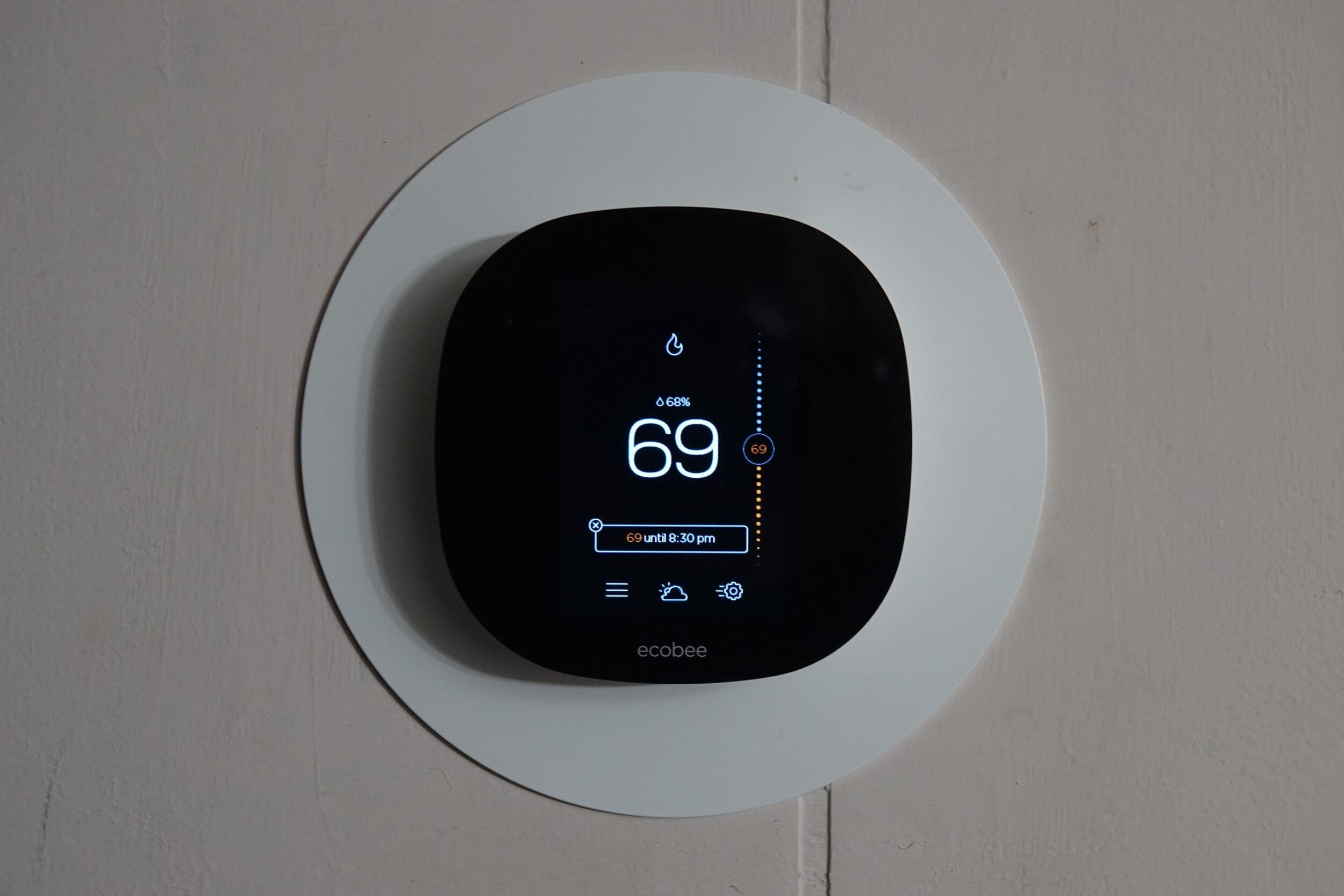
When it comes to setting the thermostat, the key is to find the optimal temperature for both energy efficiency and comfort. The recommended temperature setting for residential AC units is between 78°F and 82°F during the day. This temperature range provides the most comfortable environment and it also helps to reduce energy bills. For nighttime, the recommended temperature setting is around 82°F. This allows the AC to take a break from cooling during the night and it prevents it from overworking.
It is also important to keep in mind that setting the thermostat too low can put unnecessary strain on the system and cause it to malfunction. For instance, if the temperature is set below 70°F, the system has to work harder to cool the room. This unnecessary strain will cause the parts to wear out faster and lead to potential breakdowns.
Avoid Overworking Your AC
When an air conditioning system is overworked, it can start to malfunction more often and require more frequent repairs. Moreover, an overworked system can also suffer from decreased energy efficiency, thus leading to higher energy costs. If you want to keep your air conditioning unit running efficiently during the summer, you must be sure to avoid overworking the system.
There are several reasons why an air conditioning system might be overworked. One of the most common is a dirty or clogged air filter. When air filters are clogged, they can block the airflow, putting extra strain on the system and decreasing its efficiency. To prevent this, homeowners should check their air filters every few weeks and replace them when they become dirty or clogged.
Another cause of overworking an AC system is poor insulation. Heat can enter a home through cracks, gaps, and other openings, forcing the air conditioner to work harder to keep the temperature inside the home at a comfortable level. To avoid this, homeowners should inspect their home’s insulation and seal any cracks or gaps.
One final reason why an AC system might be overworked is because of an inadequate cooling capacity. If an AC is too small for the size of the home, it will have to work harder to keep the temperature inside the home at a comfortable level. To avoid this problem, homeowners should have their AC unit professionally sized to ensure that it has enough capacity to cool their home efficiently.
It is essential that homeowners take the necessary steps to avoid overworking their air conditioning system in the summer. By changing the air filter regularly, inspecting the home’s insulation, and having the AC professionally sized, homeowners can help ensure that their system is working at its optimal efficiency and prolong its lifespan.
Keep the Windows Shut
It’s important to keep your windows shut during the summer to ensure that your air conditioning unit is working optimally. When the windows are open, the unit must work harder to cool your home, which can put a strain on the system and contribute to an early breakdown. Additionally, when windows are open, the unit can actually draw in warm air from the outside that is counter productive to keeping your space cool.
Open windows can also cause excess moisture and humidity to enter the home and your AC unit’s condenser coil, which can cause the system to freeze up and malfunction. In extreme conditions, this can even cause the unit to stop working altogether, resulting in a costly repair.
For the best results, it’s important to invest in some quality window treatments to keep the sun out. Thick curtains or blackout shades can help prevent heat from entering the home through the windows and reduce the strain on your AC unit. Additionally, you should keep the curtains drawn during the day to keep your home cool and reduce the amount of energy your unit needs to expend.
You should also check your windows for any air leaks that might be allowing cold air to escape from the home. This can be easily checked by feeling around the window frames and door frames for any drafts. If you feel a draft, you can use weatherstripping or caulk to fill in any gaps and prevent air from escaping.
Finally, you should inspect your windows for any signs of damage or wear and tear that might have occurred over time. If you notice any broken seals or missing parts, you should consider replacing the windows entirely. This will help keep your home cool and your AC unit running optimally.
By following these simple tips, you can ensure that your AC unit is able to function optimally in the summer heat and keep your home cool and comfortable. And, for any more serious maintenance needs, you can rely on the experts at Beluga Air for quality service and repairs.
Clean the AC Air Filters
During the summer, the air filters in your AC unit can become clogged with dirt and debris. This can impede the airflow and reduce the efficiency of your system. To ensure optimal performance and to avoid costly repairs, it is important to regularly clean and replace the air filters.
Changing air filters often is one of the easiest and most effective ways to extend the life of your air conditioner. When you clean or replace the filters, it helps to ensure that your AC unit runs smoothly and efficiently. By keeping the airflow unrestricted, you can help prevent costly repairs and extend the life of your appliance.
When changing the air filters, you should use the right type of filter for your system. There are a variety of air filters available, and the type you select should depend on the size and style of your air conditioner. A professional HVAC technician can help you choose the correct filter for your system.
It is important to check and change the air filters regularly, especially if you live in an area that experiences a lot of dust or pollen. The ideal frequency for changing air filters will depend on the size of your unit and the type of environment you live in. However, it is typically recommended to change air filters every one to three months.
In addition to regular filter changes, you should also keep your air conditioner’s air intake vents clean. Cleaning the air vents will help ensure that the air conditioner is able to draw in air properly. To clean the air vents, use a vacuum cleaner attachment or a soft brush to remove dust and debris.
Keeping your air filters clean and regularly replacing them is essential for maintaining your AC unit. By taking the time to follow these simple tips, you can help ensure that your AC unit runs efficiently and reliably during the summer months.
Beluga Air provides professional air conditioning maintenance services, including filter cleaning and replacement. Their experienced technicians can help keep your AC unit working efficiently and help you get the most out of your system. Contact Beluga Air today to learn more about their air conditioning maintenance services and keep your AC unit running at its best.
Conclusion
Maintaining your air conditioning unit during the summer is incredibly important. As the temperatures rise and the days get longer, you’ll want to be sure that you’re taking the necessary steps to keep your AC unit running efficiently. Setting your thermostat to the optimal temperature, avoiding overworking the system, keeping the windows shut, and regularly cleaning the air filters are all crucial components that should not be overlooked.
It is also important to remember to get a professional to help if you’re having any issues. A professional will be able to diagnose the problem quickly and provide the necessary solutions to get your AC unit running smoothly. Beluga Air has the expertise and tools to help you keep your AC unit in top shape with their routine maintenance services.
By following these tips, you can keep your AC unit in great condition during the summer, leading to lower energy bills and more comfortable living. With the help of Beluga Air, you can rest assured that your air conditioning unit will be running at peak performance all summer long.
Take the time to maintain your AC unit this summer and you will be rewarded with a cool and comfortable home. Don’t forget to let Beluga Air help you with our professional maintenance services and technical expertise. With us, you can ensure that your AC unit is running as efficiently as possible throughout the hot summer months.
How Your Allergies And HVAC System Are Connected

Introduction
Are you an allergy sufferer in the San Antonio area? Are you looking for ways to reduce the impact of allergies in your home? Your HVAC system can play an important role in improving the air quality in your home.
In this article, we will discuss how your HVAC system can affect your allergies. Also, what measures you can take to improve the air quality in your home. We will explore the causes of allergies and what pollutants and allergens typically find their way into HVAC systems. We will also discuss how to reduce the allergens and pollutants in your home with tips and strategies to reduce allergens in the home with your HVAC system.
Beluga Air provides professional HVAC services for homes in the San Antonio area. We understand the importance of keeping your HVAC system clean and are dedicated to providing the highest quality services for allergy sufferers. We will discuss the benefits of their services and how they can provide a complete solution for your allergy problems.
So, let’s take a look at how your HVAC system can affect your allergies. We will see how you can reduce the allergens and pollutants in your home with the help of Beluga Air.
Causes of Allergies and HVAC Systems
Allergies can be a real nuisance, especially in the San Antonio area. Allergens like pollen, dust, pet hair, and mold spores can trigger adverse reactions, such as sneezing, coughing, and itchy eyes. Unfortunately, these allergens can also be present in your home’s HVAC system. This means the air you’re breathing may be contributing to your allergies.
The air in your home is constantly circulating, being drawn in from the outside. This is why allergens can make their way into the HVAC system. They can enter your home through open windows and doors, but they can also be brought in through the air intake ducts and attach to the filter. If the filter is clogged or dirty, the allergens can be released back into the air.
Common allergens found in HVAC systems include pollen, pet dander, dust, and mold. Pollen is particularly problematic. San Antonio is located in a subtropical climate which makes it an ideal home for many flowering plants. Pollen is often transported on the wind and can easily make its way into your home. Pet dander can also be a big problem. Pet hair can attach to the filter and release allergen-filled dander into the home. Dust and mold are both common allergens. They can easily be found in HVAC systems that are not regularly cleaned and maintained.
Poor air quality can also have a negative effect on allergies. If the air in your home is not constantly being filtered and circulated, allergens can build up and make your symptoms worse. This is why it is important to keep your HVAC system and filters clean.
Keeping Pollutants and Allergens at Bay
As a resident of San Antonio, you may have noticed that your allergies can be worse at home than they are outside. This is because your home can be a breeding ground for allergens that can aggravate your allergies. By understanding your HVAC system and how it affects allergens and pollutants, you can take steps to keep your home a safe and healthy environment.
In addition to outdoor allergens, there are also common allergens found inside your HVAC system. These include mold and mildew, which thrive in damp, dark environments. Poorly maintained HVAC systems can also contain dust mites, animal fur, and other pollutants. When you breathe in air that is full of allergens and pollutants, your allergies can become worse.
Fortunately, there are ways to reduce allergens and pollutants in your home, as well as improve the overall air quality. By regularly changing your air filters, you can keep your HVAC system free of buildup and contaminants. You can also opt for air filters with higher efficiency ratings to capture the smallest particles. Using air purifiers can also help to reduce allergens and pollutants in the air.
Beluga Air services offer allergy sufferers in the San Antonio area access to top of the line HVAC systems and air purifiers. With Beluga Air, you can rest assured that your air is clean and free of allergens and pollutants. Furthermore, Beluga Air technicians can inspect and maintain your HVAC system to ensure that it is working at optimal levels.
Taking the necessary steps to reduce the allergens and pollutants in your home should not be overlooked. You can improve your allergies and the overall air quality of your home by changing your air filters regularly. It is also smart to invest in an air purfier. Beluga Air offers services for allergies that are designed to keep your home a safe and healthy environment.
Allergies Conclusion
By being mindful of how your HVAC system can affect your allergies, you can benefit tremendously from those allergies. By understanding how allergens like pollen and dust enter the system and how to reduce allergens and pollutants through regular maintenance, you can be truly proactive in improving the air quality in their homes.
Beluga Air can help to reduce and remove allergens and pollutants from the home. Ultimately improving the air quality and reducing allergy symptoms. Beluga Air is committed to providing the highest possible quality of air for those suffering from allergies.
Living with allergies can be a challenge. But by understanding how your HVAC system can affect your allergies, you can make a huge difference in your quality of life. Beluga Air can help to make this process simpler and more effective. So you can breathe easier and enjoy life to the fullest.
2023 HVAC Tax Credit: Current Info

Introduction
The 2023 HVAC tax credit offers taxpayers an opportunity to receive money back from their taxes due to qualifying expenses made during the tax year. The Energy Efficient Home Improvement Credit and the Residential Clean Energy Credit are two tax credits that taxpayers can claim in order to receive money back from the government.
Read official document on IRS website: Article
The Energy Efficient Home Improvement Credit is a federal tax credit that is available to homeowners and renters who have made certain modifications or improvements to their primary residence. The maximum credit available is up to $3,200 for the tax year that the improvements were made. The list of improvements that are eligible for the credit include things such as exterior doors, windows and skylights, insulation and air sealing materials or systems, HVAC, natural gas, propane or oil water heaters, and natural gas, propane or oil furnaces and hot water boilers.
The Residential Clean Energy Credit is also a federal tax credit available to homeowners and renters. This type of credit is available for those that made qualifying purchases of new, clean energy property for their home. This includes things such as energy efficient water heaters, solar powered systems, and geothermal systems. This credit is also for up to 30% of the costs of these purchases.
Owners of second homes used as residences can also claim credits, but landlords cannot. Knowing what qualifies for the credits, how much is available, and who can claim them are all important information for taxpayers to know in order to maximize their tax savings and get the most money back.
In this article, we’ll discuss the 2023 tax credit in detail. We’ll explain how to get money back, as well as provide an overview of what qualifies for the Energy Efficient Home Improvement Credit and the Residential Clean Energy Credit. We’ll also discuss the tax benefits associated with the credit and other considerations to keep in mind when claiming it. Finally, we will provide a summary of the key points and offer resources for further information.
What Qualifies as an Energy Efficient Home Improvement?
When it comes to qualifying for the 2023 HVAC Tax Credit, there are a variety of energy efficient home improvements that can be made in order to reap the tax benefits. Homeowners can receive a credit of up to $3,200 for the tax year the improvements are made, or 30% of certain qualified expenses, whichever is lower.
Exterior doors, windows, and skylights are some of the most common types of energy efficient home improvements. Making sure the doors, windows, and skylights are properly sealed and insulated will help to reduce energy loss, which can save money on energy bills in the long run.
In addition to exterior doors, windows, and skylights, central air conditioners, natural gas, propane, or oil water heaters, natural gas, propane, or oil furnaces and hot water boilers, heat pumps, water heaters, and biomass stoves and boilers are all eligible for the energy efficient home improvement credit. Each of these items helps to reduce energy consumption and improve the efficiency of a home.
Another option for homeowners looking to improve the efficiency of their homes is to invest in insulation and air sealing materials or systems. Insulating and sealing the walls and ceilings of a home will help keep air from escaping, thus reducing energy costs. Finally, home energy audits of a main home are also eligible for the energy efficient home improvement credit. Home energy audits are performed by qualified professionals and help homeowners determine which improvements should be made in order to make their homes more energy efficient.
In sum, homeowners have a variety of options when it comes to investing in energy efficient home improvements. Qualifying improvements include exterior doors, windows and skylights, insulation and air sealing materials or systems, HVAC, natural gas, propane or oil water heaters, natural gas, propane or oil furnaces and hot water boilers, heat pumps, water heaters, biomass stoves and boilers, and home energy audits of a main home. When these improvements are made, homeowners can qualify for up to $3,200 in tax credits for the tax year the improvements are made.
Tax Benefits
When you claim the Energy Efficient Home Improvement Credit, the IRS will automatically adjust the amount of taxes you owe on that year. That means that you won’t have to wait until the next year to claim the credit – you’ll get the tax deduction right away.
You can also maximize the value of the credit by ensuring that you qualify for all the available deductions. For instance, if you use the credit to purchase energy-efficient windows, you may be eligible for a deduction on the cost of materials as well as installation costs. If you install insulation, you can also deduct the cost of materials and labor.
In addition, homeowners who make energy-efficient upgrades may be eligible for additional deductions on their utility bills. For example, if you purchase a new energy efficient furnace, you may qualify for a deduction on your heating bills. Other deductions may also be available for homeowners who make energy efficient improvements such as installing energy efficient appliances or updating their heating and cooling systems.
It’s important to note that renters and owners of second homes may also qualify for the credit, but landlords cannot claim it. Additionally, eligibility requirements may vary depending on the type of energy-efficient improvements you’ve made. Be sure to review the IRS guidelines carefully before claiming the credit.
When it comes time to claim the credit, timing is important. Be sure to submit your paperwork early to ensure that you get the maximum benefit from the credit. Additionally, be sure to read up on common mistakes to avoid when filing for the credit. Filing incorrectly or missing important information could result in a delay in receiving your tax credit.
By taking advantage of the Energy Efficient Home Improvement Credit and the Residential Clean Energy Credit, you can significantly reduce the amount of taxes you owe this year. With a little planning and research, you can get the most out of these tax benefits and potentially get a lot of money back.
Conclusion
The 2023 HVAC Tax Credit is an excellent opportunity to get money back when you make energy efficient improvements to your home. From exterior doors and windows to insulation, air sealing materials or systems, and more, homeowners have a wide range of options to choose from when it comes to qualifying expenses. Not only are homeowners eligible, but renters and second-home owners may also be able to claim credits.
It is important to note that the Energy Efficient Home Improvement Credit and the Residential Clean Energy Credit can only be claimed for the year the qualifying expenditures are made, so it is important to plan ahead when making improvements. It is also important to be aware of eligibility requirements and to make sure that all payments are made on time.
Lastly, it is important to maximize the value of the 2023 HVAC Tax Credit. Working with an experienced tax professional or financial advisor can help you take full advantage of the tax savings available through the credit. Additionally, researching the available credits, staying up to date on any relevant changes, and tracking expenses can help ensure that you are getting the most out of the credit.
In conclusion, the 2023 HVAC Tax Credit offers homeowners, renters, and second-home owners an opportunity to get money back for energy efficient improvements made to their homes. Understanding the qualifying expenses, eligibility requirements, and available tax benefits can help individuals maximize the value of the credit and get the most out of their energy efficient home improvements.
2023 HVAC Tips for Pet Owners

As a pet owner, it’s important to take care of your furry friends in more ways than just providing them with food and shelter. Your HVAC system plays a significant role in keeping your pets healthy and comfortable, and it’s important to maintain it properly. Here are some tips on how to keep your HVAC unit running smoothly when you have pets in your home.
1. Clean Your Filters Regularly
Pet hair and dander can clog up your HVAC filters, reducing their effectiveness and causing your unit to work harder than it needs to. To avoid this, clean or replace your filters regularly. Doing this will not only keep your indoor air quality good but also improve your HVAC system’s efficiency and prolong its lifespan.
2. Groom Your Pet Regularly
Regular grooming of your pet can reduce shedding, which ultimately means less pet hair in your home. If your pet is prone to heavy shedding, consider investing in a pet hair vacuum or air purifier specifically designed for pet owners. This will help reduce the amount of pet hair and dander that circulates in your home, helping your HVAC unit work more efficiently.
3. Schedule Regular HVAC Maintenance
Having your HVAC system checked and maintained by a professional regularly can help prevent potential problems caused by pet hair and dander buildup. Professional technicians can clean your ducts, vents, and other HVAC components to ensure your unit runs smoothly and efficiently, creating good indoor air quality.
4. Consider Upgrading Your HVAC System For Your Pet
If you have pets in your home, consider upgrading your HVAC system to one that is specifically designed for pet owners. These specialized units have features such as high-efficiency filters and air purifiers that are designed to remove pet hair and dander from your indoor air, making it easier to breathe. Not to mention, they are designed to work more efficiently, reducing energy consumption, and lowering your utility bills.
In conclusion, keeping your HVAC system running smoothly and efficiently is essential for both your pets and you. A well-maintained HVAC system can improve indoor air quality and help prevent respiratory issues in both pets and humans. Therefore, make sure you take care of your pets by keeping your indoor air quality good and your HVAC unit functioning properly.
If you need help with HVAC maintenance or installation, contact Beluga Air! Our professional technicians are experienced in all types of HVAC services and can help you keep your pets healthy and comfortable. Call Beluga Air today!

Ducts
Air ducts are an essential part of the home’s HVAC system, acting as the transportation of conditioned air from the furnace or coil to the various rooms in the house. The design, size, and material of the ductwork can greatly affect the efficiency of the system. Air ducts can be made of metal, fiberglass, plastic, or a combination of materials, and may be either round or rectangular in shape. In order to ensure that air is evenly distributed to all parts of the home, air ducts must be properly insulated and sealed.
Unfortunately, air ducts can become damaged or worn over time, leading to poor airflow, higher energy costs, and air quality concerns. The good news is that Beluga Air can help you identify and address any issues with your air ducts, from duct sealing and modifications to installing zoning systems that can help you better control the amount of airflow in each room. With the right solutions, you can enjoy maximum comfort and efficiency in your home and save money on your electric bills.
How To Know If You’re Having Duct Issues?
Airflow
Duct problems are usually relatively easy to diagnose. A telltale sign is that only certain vents will have low pressure, or the air coming out of certain vents won’t be cold like the rest. Another big giveaway is a change in airflow. If a certain room used to get great air and stay cool but isn’t anymore, you likely have a duct issue.
Smell
Air ducts can sometimes develop a smell, this issue can also be caused by an issue in the air handler, making this issue a little more difficult to diagnose.
Types of Air Ducts
Air ducts come in a variety of shapes and sizes, but the most common types are sheet metal, flexible, and fiberglass. Sheet metal ducts are used for larger applications such as commercial buildings, while flexible ducts are more suitable for smaller homes and apartments. Ducts can also be made from fiberglass, which is a lightweight and cost-effective option. Different types of ducts have different characteristics that must be taken into account when considering which type is best for the project. For example, sheet metal ducts are very durable and have a long life expectancy, but they are also more expensive and require specialized installation. Flexible ducts, on the other hand, are less expensive and easier to install, but they require more frequent maintenance. Choosing the right type of air duct is important to ensure the quality and performance of the HVAC system.
Beluga Air can assist you in selecting the right air ducts for your home or business, as well as properly installing them for optimal performance. Our team of experts has the experience and knowledge to help you make the best decision for your needs.
HVAC Zoning Systems
A zoning system is a great way to control the temperature of your home and ensure that each room is receiving the right amount of airflow. Zoning systems are designed to divide the home into different zones and each zone will have its own temperature control settings. This is ideal for homes that have multiple levels and rooms with different temperature needs. Beluga Air offers high-quality zoning systems that are designed to provide comfort and energy efficiency. Zoning systems allow you to save money on your energy bills by increasing airflow to the areas that need it the most and reducing airflow to areas that are already heated/cooled to the appropriate level.
Common Problems With HVAC Ducts
Leaks
One of the most common issues homeowners can face with their HVAC ducts is leaks in the ductwork. An air leak can cause a loss of air pressure, which can lead to dust, dirt, and other pollutants entering your home. Leaks can also cause an increase in utility costs, as air is continuously escaping the system. Leaks happen when the air pressure inside the system is too much, or the ducts were damaged.
One of the most common causes of Duct damage is duct cleanout services. We get consistent calls from people who have recently hired a duct cleaning company and now have reduced airflow. Flex Ducts should never be cleaned because they are so soft and easy to puncture. Plus the cost of cleaning a flex duct is often almost equivalent to replacing one. If you have a leaky duct or suspect you have a leaky duct we can send someone out for free to assess the issues and get it patched up or replaced for you as soon as possible.
Insulation
Another common issue is inadequate duct insulation, which can lead to poor air quality and increased energy costs. Ducts should be insulated properly to keep the air from your unit as cold as possible until it reaches its destination.
Installation & Age
Additionally, if the ducts are installed improperly, they can become noisy and reduce airflow.
Lastly, the wear and tear of everyday use can cause a buildup of dirt and debris in the ducts. This build-up is made worse by bacteria and viruses that will grow and create more blockages as well as make you sick and cause funky odors.
When faced with any of these issues, homeowners can count on Beluga Air to provide the best solutions. From duct sealing and modifications to installing and upgrading the ducts, Beluga Air can help restore the efficiency of your HVAC system. Beluga Air’s expert technicians can also install zoning systems to allow you to control the amount of airflow in each room, giving you the perfect indoor temperature. With such exceptional services available at a competitive price, it’s no wonder that Beluga Air is the go-to HVAC company in San Antonio Texas.
Solutions
Homeowners can determine the issues they are facing with their air ducts and take the right steps to fix them. Common solutions include duct sealing and duct modifications to reduce air leakage, as well as duct installation and duct upgrades to increase airflow. Beluga Air offers all of these services at affordable prices to help you resolve your HVAC duct issues. Additionally, Beluga Air can install and help you maintain zoning systems to control the amount of airflow in each room and ensure your home is comfortable. With Beluga Air, you can be sure to get the best customer service and solutions at the best prices.
Each situation is unique to the size and shape of your home and how that pairs with the size and location of your HVAC System. Scheduling a free estimate with a licensed professional is the best way to diagnose Duct issues and provide the most accurate solutions.
If you are experiencing any issues with your HVAC system call Beluga Air today for a free estimate.

Freon 101 – Introduction
Welcome to Freon 101! Your HVAC system is an essential part of keeping your home comfortable, and Freon plays a key role in its function. The Freon, or refrigerant, is the chemical that is used to cool the air in your home and maintain a comfortable temperature. In this article, you will get an introduction to Freon, its history, and the different types of Freon used in modern HVAC systems. We will also cover how to detect a Freon leak in your system and what to do about it. Lastly, we will provide Beluga Air’s recommendations for what to do if you have a leaking system. With this information, you will be better equipped to make the best decision possible when it comes to keeping your home cool.
History of Refrigerant in HVAC Systems
The use of refrigerants in HVAC systems dates back to the late 19th century. At the time, chemicals such as ammonia, methyl chloride, and sulfur dioxide were used as a coolant in air conditioning systems. These chemicals were toxic and flammable, so they had to be handled with care. As technology improved and new coolants were developed, the use of these dangerous substances was discontinued.
Today, the most common type of refrigerant used in HVAC systems is Freon, a chlorofluorocarbon. Freon is non-toxic and non-flammable, making it much safer to handle and use. This modern refrigerant has become the industry standard and is used in most HVAC systems. With this new technology, air conditioning systems can be made more efficient, reliable and can often save homeowners money on their energy bills.
Modern HVAC Coolant Types (Refrigerant)
Today, the number of HVAC coolant types available is vast and varied. The two main types are hydrofluorocarbons (HFCs) and hydrochlorofluorocarbons (HCFCs). HFCs are most commonly used in home and commercial cooling because they are non-toxic and non-flammable, while HCFCs contain some chlorine particles, making them slightly more hazardous. Both coolants can be used in air conditioners and heat pumps.
It’s essential to understand the type of coolant used in your HVAC system and make sure it’s compatible with the unit’s manufacturer specifications. For older units, especially those installed before the year 2010, it’s likely that your system uses R-22, also referred to as Freon. This type of coolant has been phased out in the US due to its high ozone-depleting potential and increased environmental impact. It’s important to note that servicing and refilling units using R-22 might be difficult and expensive since it’s no longer in production. If you’re unsure what type of coolant is in your HVAC system, call a professional like Beluga Air to inspect it and recommend the best type for your system.
How to know if your system is low on Freon
Understanding the state of the coolant in your HVAC system is essential for maintaining a functional, efficient, and safe system. Low levels of coolant can have a significant impact on the performance of the system, so it’s important to know when it’s time to refill.
The most obvious sign that a system is low on coolant is when the air coming from the vents is no longer cold. This can happen when the air conditioning system is low on coolant, or if the coolant is leaking. Additionally, the home may be more humid than normal in the summer months, which can be an indication of a leak. It’s important to note that these signs may be an indication of other problems, such as a malfunctioning fan, but low levels of coolant should always be ruled out first.
If your home has any of these signs, you should call in a professional HVAC technician to inspect the system and identify any issues. Hiring a professional can ensure that the system is working properly and that the right amount of coolant is present. Beluga Air offers comprehensive HVAC inspections for free. Contact Beluga Air today to schedule an inspection.
What Does It Mean If My System Is Low
If you suspect your HVAC system is low on Freon, it’s important to take action quickly. Refrigerant is the lifeblood of any HVAC system, as it circulates inside your system to regulate the temperature. Low levels of coolant can cause your system to work harder, leading to higher energy bills, and even system breakdowns.
It’s important to take the next steps, such as having your system checked by a professional HVAC technician. This is the best way to ensure that your system is functioning properly and that all the components are working together. If a Freon/refrigerant/coolant leak is discovered, a certified technician can quickly and efficiently diagnose and repair the problem. At Beluga Air, we have certified technicians standing by to help you maintain the comfort of your home.
Next Steps
Once you have identified that your HVAC system is low on Freon, it is important to take immediate steps to fix the issue. If you fear that the system is leaking, do not attempt to fill the system and instead contact a professional HVAC technician. Attempting to fill the system can create more problems and could lead to further damage. Overfilled or underfilled systems will run into issues and a set of professional gauges is required to properly balance a system.
At Beluga Air, we specialize in diagnosing and fixing cooling systems. Our experienced technicians can locate the source of the leak, repair the system, and replace any worn or damaged parts. We also provide preventive maintenance services to ensure that your system does not suffer from any major issues in the future. Contact us today to get your system fixed, and keep it running smoothly.
Beluga Air’s Recommendations
At Beluga Air, we recommend that customers have their HVAC system serviced regularly for preventive maintenance to ensure the system is functioning properly. If your system is low on coolant, it’s important to know that refrigerant does not evaporate and cannot be simply “topped off.” Filling up a leaking system is typically not recommended. Freon is actually quite expensive and putting more into a leaking system is like pouring money down a drain because it will simply continue to leak. Freon is typically under large amounts of pressure within your system. This pressure will cause the leak to slowly get larger and larger. The safest and most efficient option is to have your system serviced by a qualified HVAC professional.
Our technicians are experienced and certified to safely diagnose and repair any repairable Freon issues within your HVAC system. Unfortunately, not all things can/should be repaired. There are situations where the repairs will simply fail again in the future or may not work at all. In these instances, we recommend replacing the system. Replacing a leaking system is a large purchase, but it may be the best way to actually save money upfront and help reduce your energy costs over time. Our Technicians will provide you with all of the options available for your situation and try to help you to make an informed decision. This inspection and estimate is always free with Beluga Air. If your system is having problems, please don’t hesitate to reach out.
Freon 101 – Closing
At Beluga Air, we understand that having an HVAC system with a Freon leak can be a daunting task for anyone. The best way to tackle this issue is to consult with a professional and experienced HVAC technician. They will help you diagnose your system and provide the best solution for your needs. We will even send someone out for free!
At Beluga Air, we specialize in all types of Freon and HVAC repair services. Our experienced technicians are knowledgeable in the most modern types of HVAC systems and can help you determine the best course of action for your leaking system. Contact us today to learn more about our services and get a free estimate.
Connect with us


- May 2026
- April 2026
- March 2026
- January 2026
- December 2025
- November 2025
- October 2025
- September 2025
- August 2025
- July 2025
- January 2025
- June 2024
- April 2024
- March 2024
- February 2024
- January 2024
- December 2023
- November 2023
- October 2023
- September 2023
- August 2023
- July 2023
- June 2023
- May 2023
- April 2023
- March 2023
- February 2023
Archives

Learn More
License: #TACL087165E
Location
240 Sherwood Drive
San Antonio, TX 78201