The Ultimate Guide To Keeping Your AC Efficient, Economical, and Environmentally Friendly.
Introduction
Your air conditioning system is an important part of your home that can be both costly to operate and harmful to the environment. Fortunately, there are a few simple tips that you can use to keep your air conditioning system running efficiently and economically. In this article, you will learn about the basics of an AC system, the top ten tips for saving electricity, and the environmental benefits of an efficient AC system. Whether you want to save money on your energy bills or simply want to ensure that your system is healthier for the environment, read on to find out more.
Understanding the Basics of an AC System
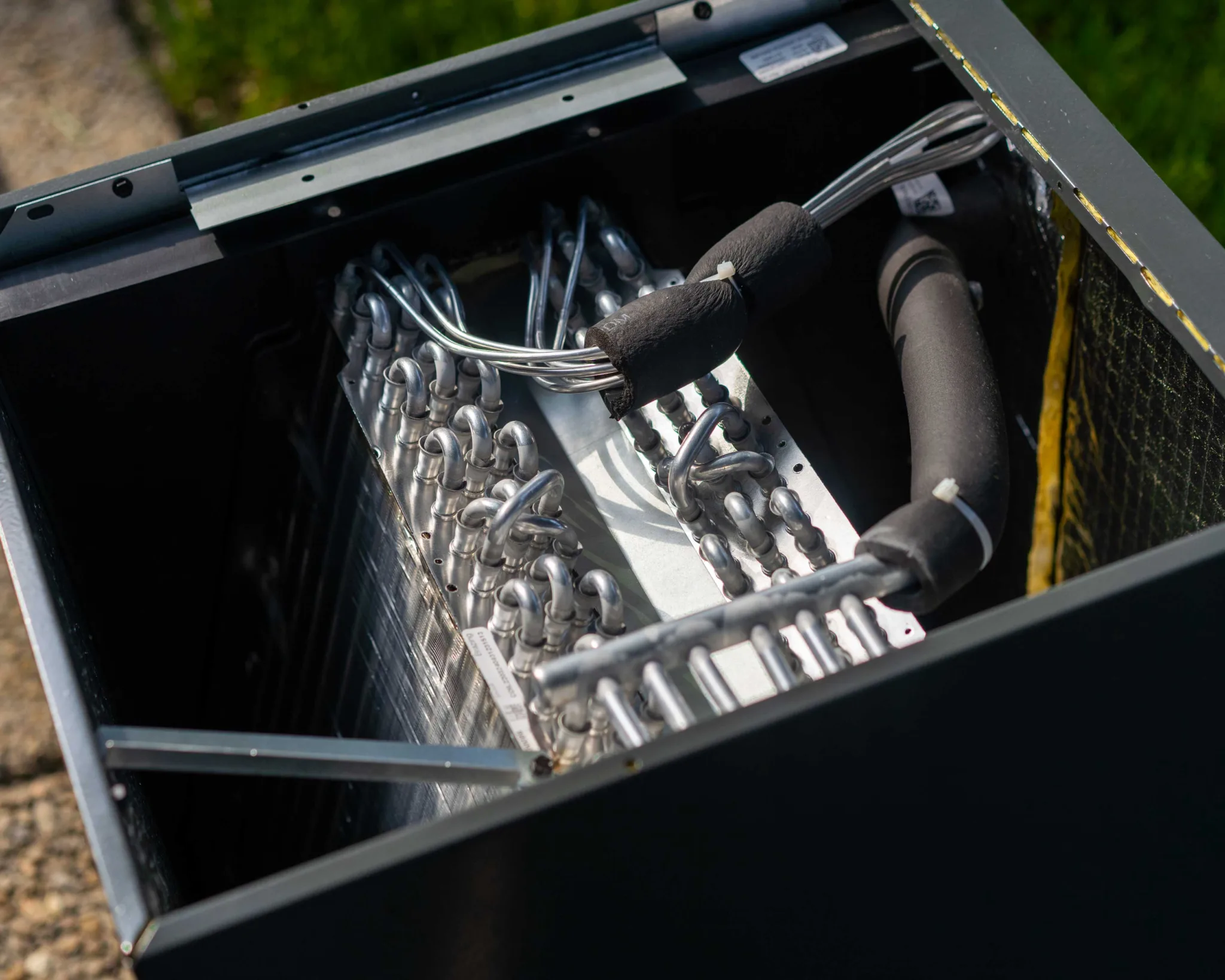
Air conditioning (AC) is a complex yet essential system for any home or office located in San Antonio. In order to keep your AC efficient, economical, and environmentally friendly, it is important to understand the basics of how this system works. An AC system is made up of several distinct components, all of which work together to keep your home cool. The components include the HVAC (heating, ventilation, and air conditioning) system, the ducts, and the filters. The HVAC system is responsible for cooling air and redistributing it through the ducts. The ducts are used to transport the cooled air throughout the space and the filters help to regulate airflow and keep it out. Proper maintenance of all these components is critical in ensuring your AC is running efficiently, cost-effectively, and in an environmentally friendly manner. This includes regularly checking and replacing filters, as well as inspecting and cleaning out ducts. Regular maintenance and repairs can help to ensure your AC system is running optimally, reducing energy consumption and helping to keep the environment healthy.
Top Ten Tips for Saving Electricity and Money
1. Schedule regular HVAC maintenance. Tuning up your air conditioning system annually can help keep it running efficiently and help you save money on utility bills. Read Our Article about Preventative maintenance for more info. https://mybelugaair.com/preventative-maintenance/
2. Change air filters regularly. Dirty air filters prevent AC systems from running efficiently. Change or clean your filter every month to keep the system running at its highest efficiency.
3. Maximize or minimize natural airflow. Open windows or doors that may allow cool air in on days when the weather outside is nicer than inside. Often times opening windows or doors on opposite sides of the building can help to create a draft and cool the space. When the weather outside is worse than indoors, make sure to close all doors and windows. Beyond that make sure there are no air gaps or holes as this will let in a tremendous amount of heat. Many windows and doors seem closed but have gaps and cracks that need to be sealed.
4. Ensure proper insulation. Make sure that your attic, walls, and ducts are all properly insulated to prevent cool air from escaping and warm air from entering.
5. Use a programmable thermostat. Install a programmable thermostat to control and monitor your AC settings. This will help you save energy by setting your AC to turn on and off at predetermined times.
6. Use ceiling fans. Ceiling fans can help circulate air and make a room feel cooler without using extra energy. For proper settings and more info read our article on ceiling fans. https://mybelugaair.com/ceiling-fans/
7. Clean your AC’s outdoor unit. Wipe down the outdoor unit of your AC regularly to keep it running efficiently. Turn your system off and open up the condenser and spray down the coil inside to remove any dirt or dust buildup that could be lowering your unit’s efficiency.
8. Use curtains and blinds. Keep your curtains and blinds closed during the day to keep the sun’s heat from entering your home. It’s best to use blinds with some kind of insulating value, or radiant barrier. If you can use a combination of both insulated blinds and thicker curtains to try and reflect as much heat back out of the space as possible.
9. Seal up any leaks in the ducts of your home to prevent air from escaping into your attic and being wasted.
10. Use air filters with higher MERV ratings. Choosing air filters with higher MERV ratings will help trap particles from entering the air intake and reduce the speed and efficiency of your AC system.
HVAC Services
Beluga Air is your go-to source for keeping your air conditioning efficient, economical, and environmentally friendly. Our knowledgeable technicians offer complete professional maintenance services that include inspecting and cleaning your system. Beluga Air has the tools and training necessary to diagnose any problems you may be having with your AC, and we’ll also provide replacement and repair services for any faulty parts. With our assistance, you can be sure your AC will remain in top condition and run as efficiently and economically as possible. You can rest assured that your AC meets all the standards of energy efficiency and eco-friendliness needed to help you save money and protect the environment.
Don’t Blow Your Money, Call Beluga Air Today and We’re On The Way!
Protect Your Home & Wallet With An Annual Membership
Introduction
One of the best investments you can make for your home is consistent HVAC preventative maintenance. HVAC maintenance is like an oil change for your car. It has to happen at least twice a year to keep your machine functioning at its best. Refusing to change your oil, or get your unit serviced, will definitely lead to future problems down the road.
In this article, we’ll discuss the benefits of preventative maintenance for your HVAC, as well as the signs you need it, plus what services we offer, and why you should choose Beluga Air for your preventative maintenance needs.
What is Preventative Maintenance for HVAC?
Preventative maintenance (PM) for HVAC systems is a practice that focuses on proactive approaches to keeping your home comfortable while also keeping your wallet safe. Regular maintenance visits help you protect your HVAC system from costly repairs and ensure that your system is running at its peak efficiency. A preventative maintenance visit usually consists of a thorough inspection of the system and its components, such as air filters, air ducts, and the blower motor, to make sure that everything is clean and working correctly. The technician will also look for any potential problems, like cracks in the heat exchanger, and fix them before they become more serious. Investing in regular preventative maintenance visits is a great way to maintain the health of your HVAC system, save money on energy costs, and prevent any future repairs or breakdowns.
Benefits of Preventative Maintenance for HVAC
HVAC systems are complex pieces of machinery, so it makes sense to invest in preventative maintenance to get the most out of them. It can help to protect your wallet as well as your home’s environment.
The primary benefit of preventative HVAC maintenance is that it can help extend the lifespan of your heating, cooling, and ventilation system. When HVAC systems are regularly maintained, they can perform at their best for years longer than systems that are neglected or rarely serviced. This means that the expensive components of your HVAC system will be less likely to fail and you’ll be able to enjoy a comfortable home for years to come.
Regular maintenance can also help to boost energy efficiency. An HVAC system with a failing component or clogged filters can fail to heat and cool effectively, leading to higher energy bills and a less comfortable home. When your system is routinely serviced and any issues are identified early, your energy bills won’t be as high.
Additionally, preventative maintenance will also help to protect your home from dangerous and costly problems. Ignoring maintenance can lead to issues with your system and even cause a breakdown, which can cost you thousands to repair and possibly lead to even greater damage. Regular maintenance can help you avoid these issues and keep your home running smoothly.
Finally, regular maintenance can reduce potential health risks. Poor air quality can cause serious health problems and can be an issue caused by a neglected HVAC system. When your system is routinely serviced, any potential air quality problems will be addressed quickly, providing a healthier environment.
Overall, there are many benefits to preventative maintenance for HVAC systems. Not only will it help to protect your wallet, but it can also help to protect your home and your family’s health. Investing in regular preventative maintenance for your HVAC system is a valuable precaution that can save you time, money, and stress inthe long run.
Lower Energy Bills
Investing in preventative HVAC care can benefit your wallet in more ways than one. Regular maintenance not only helps keep things in working order but also helps reduce energy bills. Properly operating HVAC systems are more efficient and require less energy to do the same amount of work, meaning you get to keep more money in your pocket. Over time HVAC Systems collect dust and debris. This buildup will begin to clog up the operations of your HVAC and reduce airflow and efficiency. Additionally, having your system regularly inspected by a professional will help identify any problem areas before they become expensive issues that require extensive repairs. Taking these steps now ensures that your energy bills remain low for the long term.
Reduced Need For Repairs
Regular preventative maintenance of your HVAC systems is the best way to ensure that you don’t experience any costly breakdowns. The natural buildup that reduces efficiency in your unit will also cause a strain on the components in your system. This strain can cause components to prematurely breakdown. An HVAC system that is maintained on a regular basis will require fewer repairs down the line, saving you time, money, and frustration. Professional inspections of your HVAC system can identify any minor issues that may be present and address them before they become major problems. Regular maintenance will also help to keep your HVAC system running at maximum efficiency and reduce your energy costs.
Improved Air Quality
An often overlooked benefit of preventive HVAC care is improved air quality. With regular maintenance, your HVAC system will operate more efficiently, removing more dirt, dust, allergens, pollens, mold, and potential mites from the air. Improved air quality can have a positive impact on the health of all occupants, especially those who suffer from allergies and asthma. It can also reduce the need for cleaning or deep cleaning in other parts of the home. With preventative HVAC care, you’ll protect your wallet and your home while also improving overall air quality.
Signs You Need Preventative Maintenance for Your HVAC
It is essential for homeowners to pay attention to the signs that their HVAC system needs preventive maintenance. Doing so allows them to save money in the long run and keep their home comfortable, safe, and energy-efficient. Here are a few key indicators that should prompt homeowners to schedule a preventative maintenance check:
1. Strange Noises – Any noise coming from the HVAC system, such as grinding, rattling, or squealing, could be a sign of an underlying problem. These noises can indicate a mechanical issue or an issue with the electrical components of the system.
2. Poor Indoor Air Quality – If dust or pollen levels are unusually high, it is possible that the HVAC system’s air filter is dirty. A dirty air filter can cause poor indoor air quality, as well as increased energy bills.
3. Unusually High Energy Bills – Old and inefficient HVAC systems can cause energy bills to skyrocket. If bills are higher than normal, it is possible that the system is not operating efficiently or that parts need to be replaced.
4. Unusual Smells – If a musty smell is noticed coming from the vents, it could be a sign that the air ducts are dirty and need to be cleaned. Dirty air ducts can cause health problems, as well as increase energy bills.
5. Unexpectedly Warm or Cold Air – Homeowners may find that their home is not reaching the desired temperature even when the HVAC system is running. Unexpectedly warm or cold air could be caused by a lack of maintenance.
Preventative maintenance can help homeowners keep their wallets and home safe by ensuring their HVAC system is running efficiently and properly. This can protect homeowners from expensive repairs down the line and also help keep their homes comfortable. Scheduling periodic maintenance for the HVAC system is a great way to ensure it is working properly and to keep energy costs low.
Preventative Maintenance Services Offered
When it comes to protecting your wallet and your home, preventative HVAC care is essential. Regular maintenance helps ensure the efficient and reliable operation of your system and can help you avoid costly breakdowns in the future. Many HVAC specialists offer a wide range of preventative maintenance services that can help keep your system in optimal condition.
The most basic preventative HVAC service involves routinely changing the air filter. Doing this every 1-3 months helps to remove dust, dirt, and other airborne particles that can interfere with the efficient operation of your system. The frequency of filter changes can vary based on your system, so it’s important to discuss this with your HVAC specialist.
Another important preventative maintenance service is inspecting and cleaning the outdoor unit. Regular cleaning helps to remove debris, leaves, and other materials that can interfere with the system’s efficiency and performance. Your HVAC specialist can also inspect the unit for any signs of damage or wear and tear that need to be addressed.
In addition to inspecting and cleaning the outdoor unit, your HVAC specialist can also check for any loose or worn parts that need to be replaced. This can help reduce the likelihood of a breakdown or other issues in the future.
Finally, HVAC specialists can perform tests to ensure that the system is running at its optimal efficiency. This includes checking the air flow and air temperature, testing the thermostat, and making sure the motors are running at full capacity.
By taking advantage of preventative HVAC care services, you can ensure that your system is running at its best and avoid costly breakdowns in the future. Investing in regular maintenance can help you protect your wallet and your home.
AC Tune-up
A/C Tune-up – 18 Point Inspection includes: Checking Freon Levels, Checking Compressor Amps, Checking Drain Lines (Blow Out to Prevent Water Leaks), Checking and Rinsing the condenser Coil (Outdoor unit), checking the Condenser (freon level), Checking the Evaporator Coil ( Make sure there is no Freon Leaks), Oiling the Condenser Fan Motor (if needed), Inspecting and Tightening the Condenser Electrical Connections, Laser Temperature Test, Calibrate Thermostat (if needed), Inspecing Air filters, Checking Blower Motor, Checking High Voltage Controller, Inspecting the Evaporator Coil & Plenum (if accessible), Checking Blower Housing for Microbial Growth, Checking Blower Amps, Visually Inspecting Ducting Conditions (for Air Leaks), Checking Insulation levels in Attic
Heat Tune-up
Heat Tune-up – 17 Point Inspection includes: Gas Furnace, Heat Pumps, Wall Furnace Check Gas Valve, Laser Temperature Test, Calibrate Thermostat (if needed), Oil Blower Motor, Vacuum Return Air Chamber, Clean Pilot Assembly (if applicable) Clean Flame Sensor (if applicable) check and clean Combustion Air, Check Carbon Monoxide Leaks, check all safety controls, Visually Inspect Ducting condition (Air Leaks) Check Motor Amperage, Check all Electrical Components, Check Air Filter and replace (if applicable), Lubricate all moving parts, check Igniter system
Bio Fresh Treatment
Bio fresh treatment are used with green chemicals that are not harmful to pets or plants and acts as a cleaner, disinfectant, fungicide and mildew stat. The process is 20 minutes and will eliminate strong odor, mildew & or mold. Works both Residential and Commercial Air Systems.
EPA APPROVED and USDA ACCEPTED
Chemically Cleaned Condenser
The condenser is an important component of the HVAC system. It is designed to collect heat from inside the home and expel it outdoors. Over time, the condenser can become clogged with dirt and debris, compromising the efficiency of the system. To prevent future problems and maintain HVAC efficiency, it is important to have your condenser chemically cleaned.
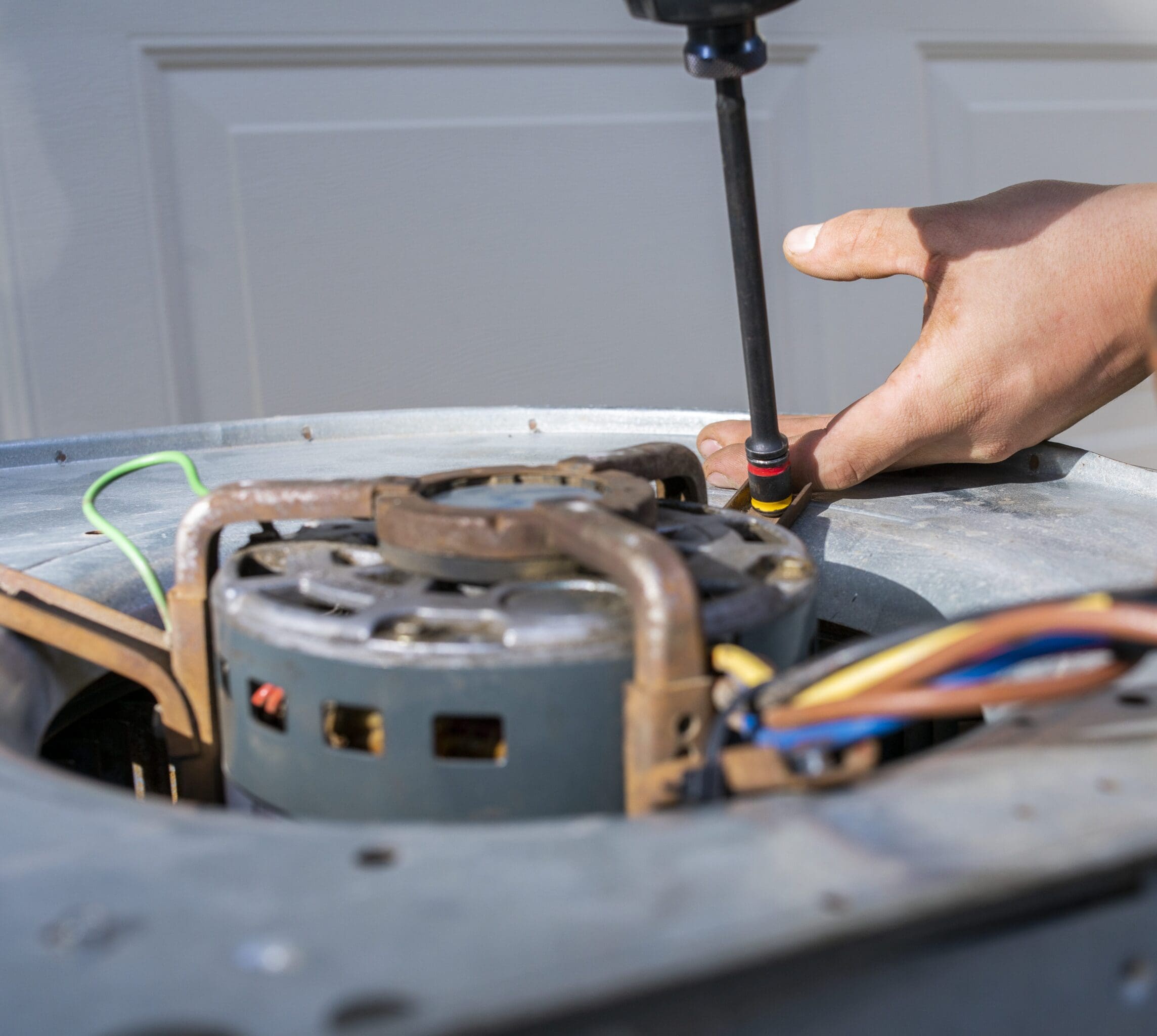
The process begins with a technician partially dismantling your condenser unit and then spraying it with a chemical cleaner. The solution is specially formulated to break down dirt and debris, allowing it to be flushed out of the system. As the cleaner works, dirt will be removed from the condenser coils and blower unit. The technician will also inspect and clean other parts of the system, such as the fan, motors, and bearings. Your condensation drainage pipes are also flushed with a cleansing agent along with compressed nitrogen to confirm proper drainage and cleanliness.
It is recommended to have this cleaning process done once a year
After the cleaning is complete, it is important to reapply the chemical cleaner on an annual basis. This helps to ensure that the condenser remains clean and is able to operate properly. Additionally, regular cleaning helps improve the efficiency of the HVAC system, which can result in lower energy bills.
By providing your HVAC system with regular preventive care, you can ensure that your home is comfortable and secure. Regular cleaning and chemical treatment of the condenser is an important part of any preventative HVAC care plan. This can help to reduce the need for costly repairs in the future and help to protect your wallet and your home.
The Difference with Beluga Air
Air is a family-owned and operated business, and we understand the importance of protecting your system and home with regular maintenance. That’s why we offer our Annual Service Agreement Memberships. Our team of experts will help you to schedule tune-ups twice a year, at critical times of the year. Our technicians will come out to make sure your system is in top shape.
As an added benefit all members receive a 10% discount on any service work you might need throughout the duration of your membership!
We also offer two free service calls, where our technicians will come out to address any minor issues or settings problems with your system for free.
To make sure your system is running at peak performance, we also include a chemical treatment in the spring to professionally clean your outdoor condenser and a Bio-Fresh treatment in the fall to clean out your indoor system and remove bacteria and contaminants from your air.
With Beluga Air’s preventative maintenance program, you won’t have to worry about when to get your HVAC system checked – we’ll send you timely reminders to make sure it’s always running in shipshape condition!
Did we also mention you will receive priority treatment if you ever have problems with your system during your membership?
Affordable, Upfront Pricing
The entire package of benefits you receive from one of our memberships adds up to over $779 plus a 10% discount of all service work. Our Annual Service Agreement memberships cost $239.40 per year or can be broken up into monthly payments.
For more information or to signup for a new membership call, (210) 468-6117
Ceiling Fans and Your Electrical Bills
Do ceiling fans save money? It’s a question many Texans are asking as the temperature rises and energy bills skyrocket. The good news is, for the most part, a well-placed ceiling fan can help you beat the heat and keep your energy bills in check. In this article, we’ll take a technical look at some of the details behind electricity bills in San Antonio, Texas and how ceiling fans can help to cool your home while also saving you money. Here, we’ll explore the basics of ceiling fans, their energy efficiency, and how you can maximize your energy savings.
The Basics of Ceiling Fans
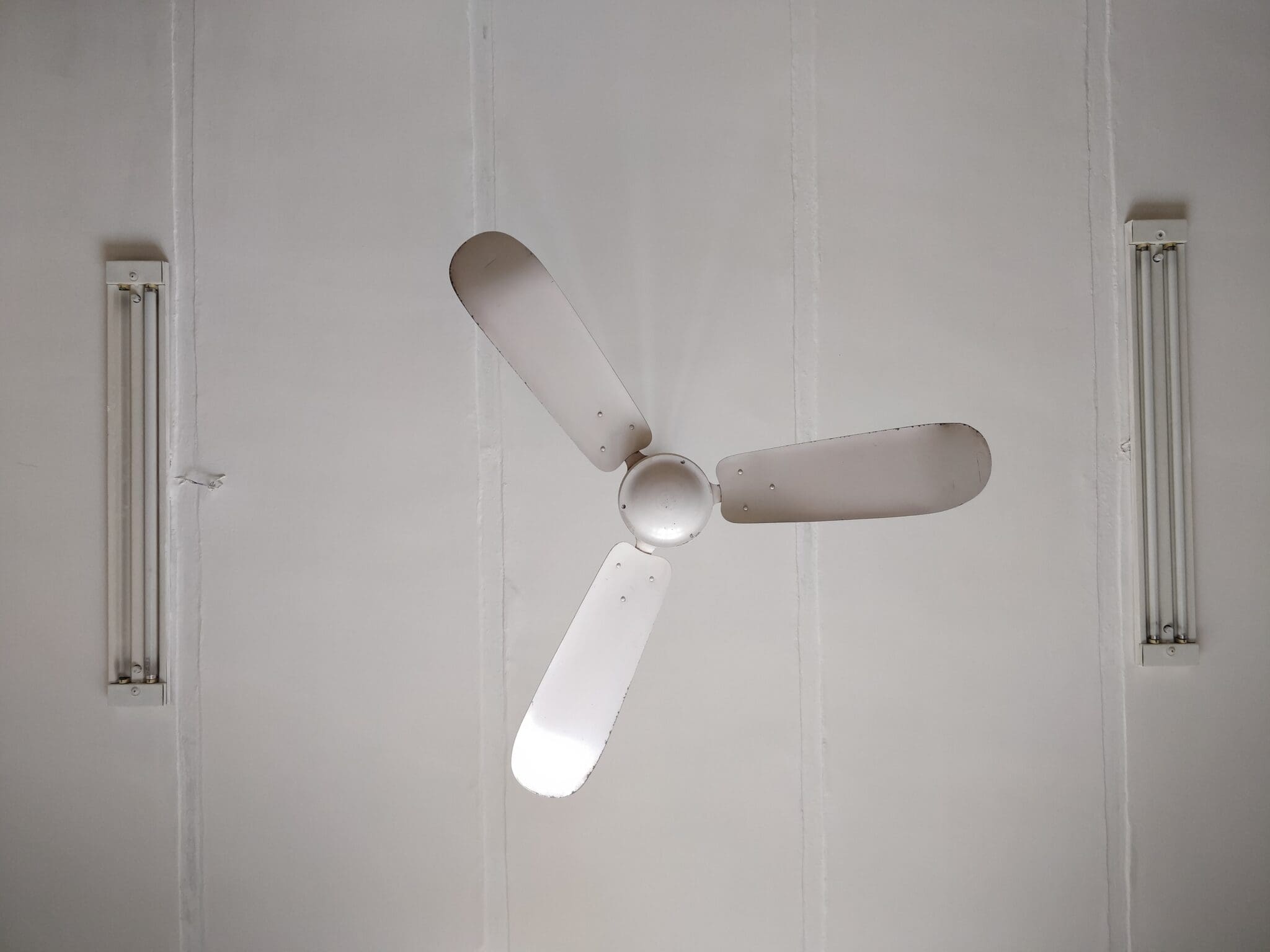
Ceiling fans are a great way to beat the heat while reducing your energy costs. When used in conjunction with a proper cooling system, ceiling fans can help reduce electricity costs by circulating cool air through a room. Ceiling fans are also more energy-efficient than other air conditioning options, with some using as little as 20-30 watts of energy per hour. Not only do ceiling fans save energy, but they can also help reduce humidity levels. By creating a gentle breeze, ceiling fans can help to reduce humidity in the air by redistributing evaporated moisture. With their energy-efficient design, ceiling fans can help you save electricity while still providing a cool, comfortable environment.
Cost of Running a Fan
Ceiling fans are a great way to beat the Texas heat and can at least help reduce your monthly electric bill. However, it is important to understand the actual cost of running a ceiling fan to ensure that you are saving money in the long term.
The cost of running a fan can vary depending on the energy efficiency of the fan, the wattage and size of the fan, and the length of time the fan is run. Generally speaking, the larger the fan, the more electricity it will consume, and the longer it is run the more electricity will be used.
Energy efficiency is an important factor to consider when purchasing a ceiling fan. Fans that are certified as being energy efficient will consume less electricity than those that are not certified. Energy efficient fans may also be eligible for specific tax credits, which can help make them more cost effective in the long run.
It is also important to note that ceiling fans can only help to cool a room when they are running in a counter clockwise direction. Ceiling fans generally have two setting, one moving clockwise and the other counter clockwise. When In clockwise mode the fan pulls the air from the floor up to the ceiling. This takes the cold air form the floor and exposes it to the hot ceiling warming it up and heating your home. This is the setting you should use for winter to warm your home. Setting your fan in the counter clockwise configuration will push the air down from the ceiling keeping the colder air lower in your home helping to keep the heat out and creating a cool breeze of air throughout the room.

Ceiling fans help to lower the temperature in a room by circulating the air, so when you switch the fan off, the temperature can quickly begin to rise. Therefore, it is best to consider the length of time a fan will be running before investing in one.
In conclusion, ceiling fans can be a great way to beat the Texas heat and save on electricity costs. It is important to consider the size, wattage, energy efficiency, and average running time of a fan that best suits your needs. With a bit of research and the right fan, you can save on your monthly electricity bill while still keeping your home comfortable.
Other Considerations for Ceiling Fans
Not only can ceiling fans help you beat the Texas heat, but they can also be energy-efficient. If you choose an energy-efficient ceiling fan, it can even save you money on your electrical bill. When shopping for a ceiling fan, look for the Energy Star label, which indicates the fan is certified as energy-efficient. Additionally, in order to save electricity, you should turn off the fan when you don’t need it. If you forget, you can install a timer to ensure it’s off when you are not home. Energy-efficient ceiling fans can also be used to help heat your home in the winter. By reversing the fan’s direction, it can push cool air up from the floor and circulate the heat from your heater.
Comparing Fan Efficiency
When it comes to choosing an energy-efficient ceiling fan, there are a few factors to consider. The most important factor is the airflow the fan produces in relation to the amount of electricity it consumes. Ceiling fans operate on motor size and typically use between 30 and 170 watts of energy, with larger fan motors consuming more energy. Energy Star-rated ceiling fans are more energy efficient than non-rated fans and can save up to 50 percent on cooling costs.
Another key element to consider when selecting a fan is the airflow rating. Ceiling fans should have a high airflow rating — typically 3,500-6,500 cubic feet per minute — to ensure maximum air circulation. Additionally, many Energy Star-rated fans come with a Variable Speed Motor that can be adjusted to provide different levels of air circulation. By using a ceiling fan in conjunction with an air conditioner, you can save up to 40 percent on your energy bills.
In summary, Energy Star-rated ceiling fans are an efficient way to save electricity and beat the Texas heat. They allow you to increase the circulation of air in your home while using minimal amounts of energy. By using an energy-efficient ceiling fan in combination with an air conditioner, you can significantly reduce cooling costs each summer.
Measuring Fan Performance
When considering how to beat the Texas heat, many people turn to ceiling fans as an energy-efficient solution. But do they really save money? To understand their true performance, it’s important to measure the amount of electricity they consume as well as how much they lower the temperature of a room.
Ceiling fans use a fraction of the power that air conditioners require, making them an attractive energy-saving option. When properly sized, ceiling fans can help draw warm air up and out of the room and replace it with cooler air from adjacent areas. This air displacement helps cool a room without the need for extra energy consumption.
When testing a ceiling fan’s performance, it’s important to consider the speed settings. High speed settings can create a stronger air movement, but the fan will also use more electricity. Low to medium speed settings usually result in a cooler experience while consuming a much more conservative amount of electricity.
In addition to simple speed settings, some ceiling fans come with additional features that can result in greater energy savings. These include light dimmers, timers, and speed controls. By adjusting the brightness of the fan’s light, a user can reduce energy consumption. Timers, on the other hand, can be set to turn the fan on and off at specific times. Finally, speed controls allow users to go beyond the regular high and low settings for more precise airflow.
By considering the electricity consumption of ceiling fans, one can measure the fan’s performance and determine if it’s an energy-saving solution. Knowing how to adjust the speed and use supplemental features can ensure a comfortable room temperature and ensure that the fan is using electricity as efficiently as possible.
Ceiling Fans and Other Cooling Options
In the ever-hot climate of Texas, having air conditioning is essential for staying cool in the summer. The price to keep your home cool is often high, however, due to the amount of energy required. A great way to reduce your energy costs is to use ceiling fans to circulate cooler air throughout your home.
Ceiling fans are an energy-efficient option for cooling your home. Many models of fans are now developed with the specific purpose of reducing the amount of energy used while still providing effective cooling. By using these fans, you can significantly reduce your electricity bill and even reduce the amount of air conditioning you need.
Ceiling fans come in a variety of styles and designs to fit any home’s decor. They can be installed in different areas of your home, such as bedrooms, living rooms, and even bathrooms, to keep the air circulating and maintain a comfortable temperature. It is important to select a ceiling fan size that properly fits the size of the room it is being installed in, as a fan that is too small or too large will not provide the same level of cooling.
In addition to ceiling fans, there are numerous other energy-efficient options for cooling your home. You can increase the efficiency of your AC Unit with simple maintenance, there are energy upgrades available for units, or if you’re really looking to lower your home bill you can look into adding insulation or even a system replacement.
Using a combination of energy-efficient cooling options can help you beat the Texas heat and save money on your electricity bills. Ceiling fans are a great, cost-effective option to circulate cooler air and can make a great addition to your existing cooling system. By incorporating a few cost-saving measures and choosing the right cooling option for your home, you can beat the Texas heat and still save money.
How to Maximize Your Energy Savings
When it comes to battling the intense Texas heat, one of the most cost-effective solutions is installing ceiling fans in your home. Ceiling fans are incredibly energy efficient and can help you save on electricity bills. With some simple tips, you can ensure that you are getting the maximum energy savings from your ceiling fans.
First, pay attention to the size of your fan. It is important to purchase a fan that is the right size for the room. If your fan is too big or too small, it won’t be as effective at circulating air throughout the room.
Next, keep your fan blades clean and well-maintained. Dust can impede the fan’s ability to circulate air, thus reducing its efficiency. Fortunately, it is easy to clean ceiling fan blades with a damp cloth or rag.
Finally, use your fan wisely. To get the most energy savings from your fan, use it in conjunction with other energy efficient appliances. For instance, if you are running your air conditioner, you can lower the temperature a few degrees and turn on the fan to circulate the cool air. During the winter months, you can reverse the fan so that it works in an updraft and pushes the warm air downwards.
By following these tips, you can get the most out of your ceiling fans and maximize your energy savings. With proper maintenance and usage, ceiling fans can be one of the most cost-effective solutions for battling the Texas heat.
Tips for Summer Energy Savings
As temperatures skyrocket in Texas, it’s important to stay cool during the summer months. One way to beat the heat and save money is by installing energy efficient ceiling fans. Ceiling fans can be used to decrease electricity bills by circulating air and creating a cooling breeze.
When purchasing a ceiling fan, make sure to look for Energy Star Certified models. These fans are independently certified to deliver superior energy efficiency, as well as performance and quality. Additionally, look for fans with higher blade spans, as larger fans can move more air and provide better cooling performance.
When installing the fan, make sure to place it in the middle of the room, away from walls and other obstructions to get the most air circulation. Also, if the fan is placed too low it can cause uncomfortable drafts. To stay cool, the fan should be placed at least 7-9 feet above the floor.
To get the most energy savings, remember to turn the fan off when leaving a room. Ceiling fans cool people, not rooms, so when no one is present, there is no need to keep the fan running.
In the end, using ceiling fans can help save energy and beat the Texas heat. By investing in energy-efficient models, and using them correctly, fans can be a great way to make a home more energy efficient and save money during the summer months.
Maximizing Your AC For Energy Efficiency
Air conditioning is a great way to stay cool in the hot Texas summers, but it can also be an energy hog if it’s not used correctly. To maximize your AC for energy efficiency, consider adding ceiling fans to the mix. Ceiling fans can be a great way to help you beat the heat and save electricity.
Ceiling fans are an energy-efficient way to circulate air throughout the home. This can help reduce the load on your AC. The breeze created by ceiling fans can make a room feel up to 8 degrees cooler.
Ceiling fans are also an excellent way to help extend the life of your air conditioner. By using a fan to circulate cool air throughout the home, you’re able to use the air conditioner less often. This can help reduce the strain on the system and allow it to last longer.
When shopping for ceiling fans, look for models that bear the Energy Star label. This means that the fan is energy efficient and can help you save on electricity costs. Also consider the size and shape of the fan, as this can affect the airflow and cooling power of the fan.
By adding ceiling fans to your home, you can maximize your air conditioner and keep cool in the Texas heat while saving on electricity costs.
Best Thermostat Settings To Save Money
Living in Texas can be a challenge during the hot summer months. With temperatures reaching over 100 degrees and intense sun, keeping your home cool can become quite expensive. Fortunately, there are several ways to save money and stay comfortable with the help of ceiling fans.
Ceiling fans are an excellent energy-efficient way to keep your home cooler for less. In fact, by using a ceiling fan, you can raise the temperature on your thermostat by several degrees. This will lead to a significant amount of energy savings.
When selecting the best thermostat settings for your home, take into account the size, shape and orientation of the room. If the room is large, the temperature should be set a little lower than in smaller rooms. Additionally, if the room receives direct sunlight, you may want to keep the temperature several degrees lower.
The best way to save money using your ceiling fan is to maintain the thermostat at a consistent, moderate temperature year-round. During the summer, this would be 78 degrees and during the winter, this would be about 68 degrees.
If you have an energy-efficient ceiling fan, you can use it to help cool down the room during the summer. When the fan is on, the thermostat should be set to a slightly higher temperature than what would typically be recommended. This way, the fan will circulate the air and your air conditioner won’t have to work as hard.
By using ceiling fans and strategically adjusting your thermostat settings, you can save yourself a considerable amount of money on your monthly energy bills. Not only will you be able to keep your home cool, but you’ll also be doing your part to conserve energy and reduce your carbon footprint.
Potential Money-Saving Upgrades For Your HVAC System
When it comes to beating the Texas heat, installing ceiling fans can be an effective way to reduce energy costs and keep indoor temperatures comfortable. Ceiling fans are an energy-efficient way to keep your home cool and have been shown to save electricity when used in conjunction with other components of an HVAC system.
The installation of ceiling fans can be an inexpensive upgrade to your HVAC system. They come in a variety of sizes and styles and can be installed in any room in the home. By utilizing the natural airflow of the fan, you can save money on air conditioning costs. This is especially beneficial during the summer months when temperatures peak and the cost of cooling goes up.
When choosing the right fans for your home, it is important to look for energy-efficient models. Look for fans with the Energy Star label to ensure that you are getting the most efficient fan for your money. The blades of the fan should also be designed to maximize airflow and reduce noise. Ceiling fans should also be mounted in areas with high ceilings as this allows air to circulate throughout the space more efficiently.
In addition, consider upgrading your air conditioning system to a more energy-efficient model. Investing in a programmable thermostat is a great way to save money on cooling costs. These devices allow you to set temperatures that are comfortable for you and your family while ensuring that the system is run as efficiently as possible.
Finally, consider making improvements to your home’s insulation and sealing any air leaks. Sealing up air leaks and adding insulation will help keep the heat out and reduce the load on your HVAC system.
By utilizing ceiling fans and making some other improvements, you can save money by reducing your energy costs and keeping your home cool during the hot Texas summer.
Tips for Year-Round Energy Savings
Ceiling fans are one of the most effective and cost-efficient ways to beat the Texas heat, while also saving on electricity costs. With the right ceiling fan, you can keep your home more comfortable year-round and reduce your electric bill by as much as 15%. Here are some tips to help you save energy and money with your ceiling fan:
1. Choose an Energy-Efficient Model: Look for Energy Star-certified ceiling fans, which are designed to be more efficient than other models. Also, opt for a fan with a DC motor (direct current) instead of an AC motor (alternating current), since it is more efficient and longer lasting.
2. Adjust Your Settings: In the summer, set your fan to run counterclockwise to push the air down and create a cooling effect. In the winter, switch the setting to clockwise to push the warm air down toward the floor.
3. Use the Right Size: You don’t need to buy the biggest fan available. Invest in a fan that is the right size for your room; smaller rooms may require smaller fans while larger rooms may require bigger fans.
4. Use a Programmable Thermostat: If you’re looking for year-round energy savings, consider investing in a programmable thermostat. This will allow you to automatically adjust the temperature settings for both summer and winter, so that you’re not wasting energy when you don’t need it.
By following these tips, you can make sure your ceiling fan is running efficiently and saving you money on your electric bill. With the right settings and an energy-efficient model, you can beat the Texas heat and save electricity throughout the year.
Importance of Prepping Your HVAC System
We all know the importance of air conditioning and the comfort it provides during the warm Texas summer. To ensure that your air conditioning system is up to the challenge of keeping your family cool and comfortable, you should prep your HVAC system before the summer heat hits. A prepped HVAC system can not only provide you with improved comfort but cost savings as well.
Here’s how to do it. We’ll cover several steps you can take to prepare your HVAC system for the summer including checking thermostat settings, cleaning filters, clearing outdoor compressor units, and more. Plus, we’ll share when it’s time to call in the professionals. Finally, we’ll provide some tips for regular maintenance and inspections.
So let’s get started prepping your HVAC system for the summer and make sure you stay cool and comfortable in San Antonio!
Benefits of Prepping Your System
When it comes to prepping your HVAC system for the summer in San Antonio, TX, there are many potential benefits to consider. Air conditioning can provide a comfortable living environment during hot summer days, as well as improved air quality by reducing humidity and controlling pollen and dust levels. Additionally, prepping your system in advance can help to avoid costly repairs due to neglected maintenance and prolong the life of your HVAC system. Thus, by taking the time to prep your system before the summer, you will likely see the benefits in both comfort and cost.
How to Prepare Your A/C System for the Summer
In San Antonio, being prepared for the summer means making sure your air conditioning system is up and running. Before the heat of the summer season sets in, it’s essential to make sure your HVAC system is in top condition. Here are a few tips to prepare your HVAC system for the summer:
• Have a professional HVAC technician inspect your system – This will help identify any deficiencies or issues that need attention now before they become bigger issues during the summer months.
• Check to make sure your air filter is clean – Dirty air filters can reduce the life of your air conditioning system and reduce the efficiency of the system.
• Clean the indoor and outdoor coils of your AC system – This is important for the efficient operation of your AC system.
• Make sure the ductwork is clear of obstructions – Obstructions can reduce the efficiency of your air conditioning system.
By taking the time to prepare your HVAC system for the summer, you can ensure that your air conditioning system will be running smoothly and efficiently when the hot weather hits.
Check Thermostat Settings
Preparing your heating, ventilation, and air conditioning (HVAC) system for the summer months is an important part of keeping your home comfortable and energy efficient. One of the first things you should do is check your thermostat settings. In San Antonio, where summer temperatures can reach the upper 90s, you may want to adjust the temperature setting of your thermostat to around 78 degrees F during the day. This will provide the optimum temperature for comfort and efficiency during the summer months. You can also install a programmable or “smart” thermostat to help you save energy and money. These thermostats are programmed to adjust the temperature automatically to run the air conditioning only when it is needed.
It is also important to make sure that your thermostat is installed in an area of your home that will give the most accurate reading. Thermostats should be placed away from heat sources like lighting fixtures, windows, and vents and away from cold drafts from doors and windows. If your thermostat is installed in an area that is too hot or too cold, it will not be able to provide an accurate reading and your air conditioning system may not run efficiently.
Prep, Clean, and Change Filters
When prepping your HVAC system for the summer months, an important step is to clean and change the filters. The air filter of your air conditioning system should be replaced every one to three months, depending on the type of filter you use. To begin the cleaning process, start by turning the power to your HVAC system off. Locate the air filter, located in the plenum, and remove it. Inspect the filter and note how much dirt and debris it has collected. If the filter is extremely dirty, replace it. If it appears to only have a thin layer of dust, clean it with a vacuum or use a damp cloth to wipe away any dirt.
Once the filter is clean, you’ll need to determine the right size filter to install. The size of the filter can be found in the owner’s manual of your HVAC unit, or you can contact your local air conditioning services in San Antonio for a recommendation. Once you have the right size filter, make sure to place it back in the plenum with the arrow on it pointing in the same direction as the airflow. Once the filter is in place and the power to the HVAC system is turned back on, you’re good to go for the summer!
Clear Outdoor Compressor Unit
When preparing your HVAC system for summer, it is important to focus on the outdoor compressor unit. This unit is responsible for cooling the air before it enters your home. The best way to prepare your outdoor compressor unit for the summer months is to ensure it is free of debris and functioning properly.
First, turn off the power to the unit and then remove any leaves, grass clippings, and other debris that have collected around or on top of the unit. You can use a handheld vacuum to suck up the debris, or use a soft brush to carefully sweep the area clean. If you are located in San Antonio, where the climate is typically dry, you should also look for any dry soil or dust that might have collected on the unit.
Once the area is clear, visually inspect the unit. Check for any signs of damage, such as scratched fins, bent fan blades, or loose panels. If you notice any of these issues, you may want to call a professional to inspect the unit and make any necessary repairs.
Then, use a garden hose to rinse off your unit. Start from the top and work your way down. Be careful not to use a pressure washer, as this can damage the fins and other components. If necessary, use an air compressor to blow out any remaining debris that might be stuck in the fins.
Once your unit is clean, you can inspect the refrigerant lines. These are the copper lines that lead from the outdoor unit to the indoor unit. Check for any signs of damage or corrosion, and if any is present, use a contact-safe sealant to repair the line. It is also important to check that the outdoor unit is firmly secured to the ground. This will help prevent it from moving during windy conditions.
Finally, if your unit has an air filter, you should check and replace it if necessary. A dirty air filter can reduce the efficiency of your air conditioning system, so make sure to keep it clean. After all of these steps have been completed, you can turn the power back on and enjoy a cool summer!
Check Refrigerant Levels
If you want to ensure your HVAC system is ready for the San Antonio summer heat, you should check the refrigerant levels in your compressor. The refrigerant for your Air Conditioning system is the essential component that cools your air, and you need to have the correct level to ensure your AC is functioning properly and efficiently throughout the summer months.
There are two methods to check your refrigerant levels. Method 1 is with Gauages if you are a licensed professional. Method two is for everyone else and can be completed with a thermometer.
Method 1: When checking your refrigerant levels with gauges, you should first turn off and shut down your system. Next, you should locate the outdoor unit and check the pressure levels on the gauge. You should look for the low and high side pressures, which will tell you what your current refrigerant pressure is. If you don’t have a set of gauges, you should take the measurements with a thermometer.
In the case that the pressure is too low, that could mean you need to add refrigerant to your system. If you do so, you should be sure to use a refrigerant that is specifically formulated for your AC units. You can usually purchase these at a local San Antonio HVAC supply store or from a licensed contractor. Do not attempt to add refrigerant to your HVAC system without receiving proper training and certification – this can be very dangerous and illegal.
Once you have added the new refrigerant, you will need to check the pressure again and ensure the levels are correct. If the pressure is still too low, you may need to contact a local HVAC professional to inspect the system and repair any leaks.
Method 2: Use a thermometer to check the temperature in your home in each room. They should all be relatively similar in temperature. If not there is an issue. Once all the rooms have been measured, compare your measurements to what your HVAC unit is set to. If your thermostat says one thing and the thermometer readings say another, you could be experiencing problems with your unit. The other big telltale sign you may need refrigerant is that your unit never shuts off and your home never cools. It is normal to see up to a 20-degree difference between inside and outside temperatures. If it is 90 outside most homes can cool to 70 degrees at the lowest. If your unit isn’t capable of cooling more than a few degrees call a professional immediately.
Ultimately, checking your refrigerant levels is essential for optimal cooling during the summer months. After checking the levels, make sure to keep an eye on your system and watch for any signs of leaking refrigerant or other issues that could be cause for concern.
Inspect AC for Leaks
The months leading up to summer in San Antonio can be quite hot and dry, making it the perfect time to check for any signs of water leaks from your air conditioning (AC) or HVAC system. A leak in your AC or HVAC system can cause serious damage over time and affect your home’s indoor air quality. The key to avoiding leaks starts with regular inspections and preventive maintenance.
Start by inspecting the air vents and the AC unit to ensure that all condensation lines are free of blockages and corrosion. Make sure the condensation lines and drains are free of any dirt, dust, or debris build-up. A clogged line can lead to water pooling, which can damage parts of the unit or even cause water damage to the surrounding area.
Inspect the air filters for dust, debris, and other signs of wear and tear. If you notice any dust or debris, replace the filter with a new one. Replace the air filter frequently to maintain good air quality in your home.
Next, inspect the area around the indoor and outdoor units for signs of water leaks. Check for any signs of water pooling, musty odors, or visible water stains. If you notice any leaking, make sure you shut off the power to the unit and contact a professional HVAC contractor to fix the issue.
Finally, check the power supply and make sure all wiring is in good condition. Damaged wires could be a sign of wear and tear and could cause a fire if not fixed. Contact an HVAC professional if you suspect any wiring issues with your system.
Preventive maintenance is the key to avoiding costly repairs or water damage caused by a leaky HVAC system. Regular inspections and the implementation of preventive measures can help ensure your air conditioning system is running smoothly and efficiently, making your home comfortable and safe throughout the summer in San Antonio.
Clean Ductwork
When it comes to prepping your HVAC system for the summer, it’s important to remember to clean your ductwork. In warm climates like San Antonio, air conditioners are running almost 24/7 in the summer, so it’s essential that the ductwork be in optimal condition. This will help ensure the air conditioner functions properly and efficiently, while also reducing the amount of dust and other allergens that circulate in your home.
There are several steps involved in cleaning the ductwork. First, it’s important to have your ductwork inspected to find any blockages or leaks. If your ductwork has any cracks or holes, repairs should be made as soon as possible. This will help ensure that the air conditioner is running properly and efficiently.
Once your ductwork has been inspected, it’s time to move on to the actual cleaning. If you have any removable components, these should be removed and cleaned with a vacuum cleaner or wipe them down with a damp cloth. This will help remove any dust, dirt and debris that has built up in the ductwork.
Once all the removable components have been cleaned, it’s now time to tackle the main ductwork. It’s best to use a professional duct cleaning service to do this, as they have specialized equipment that will help ensure all the dirt, dust and debris is removed from the ductwork. This will help ensure the air circulation is at its peak and the air conditioner is running as efficiently as possible.
By taking the time to clean your ductwork, you can ensure that your HVAC system is running at its peak efficiency during the summer months. Clean ductwork will help reduce the amount of dust and allergens that circulate in your home, and will help keep your air conditioner running smoothly and efficiently.
When to Seek Professional Help
If you have any doubts as to the proper maintenance and preparation of your HVAC system, it is always best to consult with a qualified professional. In San Antonio, there are many trained technicians who can inspect and repair your Air Conditioning unit and make sure it will function properly during the summer season. A professional can also assess any damage that may need to be repaired, or if a new unit may be required in order to meet your cooling needs. In any case, it is important to invest in professional help to ensure your HVAC system is safe and ready for the summer.
Regular Maintenance and Inspections
Regular maintenance and inspections of your HVAC system are extremely important not only to ensure optimal performance in the summer, but also to prevent costly repairs or even replacement during the hottest months. To keep your air conditioning running smoothly in the San Antonio summer, you should inspect your system at least two times a year and perform the following routine maintenance tasks:
1. Change the indoor and outdoor air filters regularly according to the manufacturer’s instructions. Dirty air filters reduce air flow and can potentially cause other issues, such as a clogged or frozen evaporator coil.
2. Clean the evaporator and condenser coils. This helps improve cooling and performance, while also reducing energy costs.
3. Check the coolant levels in your system. Refrigerant is like oil to an engine; too low and it will start to malfunction.
4. Make sure the thermostat is functioning properly and responding to temperature changes.
5. Check outside the unit for any debris or vegetation that may have built up over the winter.
6. Have a professional inspection and tune-up. A professional technician can inspect the system for any potential problems or wear and tear and make the necessary repairs or adjustments to ensure a safe and efficient performance during the hot summer months.
By taking the time to inspect and maintain your HVAC system on a regular basis, you can reduce the risk of expensive repairs or replacement and ensure that your air conditioning is functioning as it should during the hot San Antonio summer.
Schedule an Inspection and Tune-Up with Beluga Air
Regular inspections and tune-ups of your air conditioning and HVAC systems in are important to ensure optimal performance throughout the summer. At Beluga Air, our experienced technicians are here to help you with all your preventive maintenance needs. We can check for any necessary repairs that should be done before the heat of the summer sets in, inspect your filters and ducts, and perform a full system tune-up to make sure your HVAC is ready for the warmer months. To get the best performance out of your air conditioning, contact Beluga Air in San Antonio today to schedule an inspection and tune-up.
AC 101: Compressor, What It Does, Signs Of Trouble
Introduction
Are you having problems with your air conditioner, It could be the compressor? If so, you’re not alone. The compressor is the ‘heart’ of the AC unit, and it’s often the source of many common AC issues.
In this article, we will guide you through the basics of AC compressors and discuss the common issues that can arise. You’ll learn how to recognize signs of trouble and identify the underlying causes, as well as how to get professional assistance for AC service in San Antonio if needed.
Whether you’re trying to diagnose a problem or just want to learn more about AC compressors, this article has all the information you need. Let’s get started!
What AC Compressors Do
The air conditioning (AC) compressor is the heart of your AC system. It pumps refrigerant throughout the AC system, using refrigerant pressure to cool the air inside your home. Refrigerant works by extracting heat from the air and then releasing it outside. This process occurs continuously until the desired inside temperature is reached.
The compressor is responsible for pressurizing the refrigerant and pushing it through the evaporator coils. The compressor is powered by an AC motor and is typically located outside the home, connected to the AC unit. In some cases, the compressor may be located inside the walls.
An AC compressor is a vital component of an air conditioning system and any repairs or service should be performed by an experienced and certified AC technician. Signs of a malfunctioning compressor can include the following:
• Loud noises coming from the compressor
• Not enough cool air being released inside the home
• The AC not turning on or off when it should
• Increased energy bills
If you suspect that there is an issue with your compressor, it’s best to call a professional AC technician for repairs or service. The technician can perform a thorough inspection and tune-up for your compressor to ensure that it is running in top condition. This will help extend the life of the compressor and reduce the chances of AC repairs being needed.
Signs of Trouble
When it comes to your Air Conditioning (AC) system, getting ahead of any potential issues before they arise is essential to keeping your home comfortable and safe. One of the integral parts of any AC system is the compressor. The compressor is a major component of any air conditioning system and it is important to pay attention to its operation. When it comes to any signs of trouble, here are some of the key indicators that your AC compressor is having issues:
1) Unusual Noises: A faulty compressor can make many different noises such as grinding, chattering, knocking, or buzzing. These types of noises typically indicate that the compressor is beginning to fail and requires AC repairs or service.
2) Leaking Fluid: If you notice that your AC system is putting out a puddle of oil, this might be due to a leak in the compressor. This is a sign that immediate action is needed to diagnose and repair the compressor.
3) Reduced Airflow: If you feel like the airflow from your AC system is not as strong as it typically is, it could be due to a faulty compressor not providing the right pressure to produce the right airflow. This can also be an indication that your compressor needs servicing or repair.
If you notice any of these signs of trouble with your AC compressor, you should contact a certified AC technician as soon as possible to assess and diagnose the issue. Taking action early can save you time and money and help ensure that your AC system is being operated properly.
Power Function Issues
The power of an AC system is determined by the size of the unit and the type of compressor installed. In some cases, the compressor may be malfunctioning. Signs of trouble with the compressor’s power function include inadequate cooling of the air and excessively high energy bills. Common repairs for these issues include replacing the compressor as well as cleaning of AC filters and coils. If you suspect a power issue with your AC unit, it’s important to contact a qualified AC service technician to properly diagnose the issue and offer repair solutions. Air Conditioning repairs should never be attempted without the assistance of a professional.
Noise & Vibrations
can be a sign of issues with your AC unit. If your AC is making loud, strange noises or vibrating, it can be a sign of an issue that requires AC repairs or AC service. It is important to have an AC technician take a look at the unit if you hear loud noises or vibrations coming from it. An air conditioning technician can diagnose the issue and recommend the best course of action to get your AC back up and running.
Control Issues
Proper air conditioner operation relies on proper controls, and if your AC system has control issues it won’t work efficiently. Common control issues that can arise with your AC unit include faulty thermostats and faulty or clogged relays, both of which can cause significant problems. If your AC isn’t cooling your house properly, it’s a good idea to have it checked by a professional AC service to identify any problems with the controls. An experienced technician can quickly diagnose and repair the issue, ensuring you and your family are comfortable and your air conditioning is working properly.
Professional AC Service in San Antonio
Air conditioning systems are complex machines that require professional maintenance and repair. In San Antonio, home and business owners can rely on high-quality AC services from top professionals. Whether you need a tune-up to alleviate sudden problems or routine maintenance to keep your AC running at its peak efficiency, there are certified technicians who can provide the necessary repairs and service.
Compressors are essential for cooling systems, and knowing about them is essential for safe, effective AC repairs. A compressor is a device that pressurizes the refrigerant and circulates the cold air in your AC unit. As the compressors pump the refrigerant through your unit, they generate heat. If the compressor is not working correctly, the air flowing through your AC unit can become too hot, and you may experience a sudden spike in temperatures in your house or workplace.
Signs of trouble in your AC’s compressor can include making loud noises, short cycling, and insufficient cooling. Troubleshooting and repairs should only be attempted by a professional with the proper qualifications and experience to safely service your AC system. Attempting repairs yourself could result in costly damages or even a complete system failure.
When experiencing problems with your AC or if you need normal servicing, certified technicians in San Antonio can diagnose and repair your unit quickly and safely. They can provide comprehensive services such as cleaning the cooling and condensing coils, replacing filters, and checking coolant levels and pressures. Professional AC service providers can also inspect and replace air handlers, condensate drains, thermostats, and other components as needed, and they can help you determine if the compressor is failing and require replacement.
For reliable AC service and repair in San Antonio, find a professional who is capable of providing top-notch AC services for all types of cooling systems. With the right maintenance and repairs, you can keep your system running efficiently and effectively for years to come.
Conclusion
In conclusion, AC compressors play an integral role in the operation of a central air conditioning system, so it is important to be aware of the signs of trouble. Power function issues, noise and vibrations, and control issues are all signs that the AC compressor may be having a problem. If any of these issues are observed, then it is highly recommended to call professional AC service in San Antonio for a routine checkup and proper maintenance. By following these tips, and ensuring that the AC compressor is regularly serviced, you can ensure that your AC compressor will always be in good working order.
Choosing A Trustworthy A/C Company In The 210
Reviews
Are you looking for an air conditioning company to help with your HVAC needs in San Antonio? A reliable and reputable A/C company is essential for receiving quality service. It can be hard to find a trustworthy air conditioning company, especially with all of the choices available today. That’s why we’ve put together this guide on how to choose the right air conditioning company in San Antonio. We’ll discuss how to read reviews online to get an in-depth view of the company, ask friends and family for recommendations, and more. Read on to discover the best ways to find a trustworthy air conditioning company in San Antonio.
Recommendations
When choosing an air conditioning company in San Antonio, there are several important factors to consider.
First, research the company’s credentials and reviews. A reputable air conditioning company should have experience in both air conditioning repairs and installation. It is also helpful to read reviews from previous customers, ideally with photos of the work.
Second, determine the types of services the company offers. Look for a company that provides the type of service you need, HVAC maintenance to keep your unit in good shape, and installation of new units just in case yours gives out completely. If the company carries a wide range of services, it is likely the technicians are well-versed in the latest air conditioning technologies.
Third, inquire about their technicians. Most reliable air conditioning companies employ certified technicians who are knowledgeable in the latest HVAC technologies. Ask if the technicians are bonded, insured and have the relevant certifications.
Finally, look for a company that offers competitive rates. Ask for a quote before hiring to ensure the price is reasonable.
By taking into consideration these factors, you can rest assured you are in good hands with a trustworthy air conditioning company in San Antonio.
Affiliations
When it comes to choosing a trustworthy air conditioning company in San Antonio, it is important to look for certifications, affiliations, and other qualifications that the company may have. A quality HVAC Company will list qualifications, so you always know you’re in good hands.
In addition, you should also look for companies that are affiliated with the Better Business Bureau (BBB). More On This One Below. ↓
It is also a good idea to look for companies that employ certified technicians. In order to become certified, technicians must demonstrate a high level of knowledge and expertise in the industry, so you can be sure that any repairs or installations are done correctly. Ask about Their TDLR number. This number is provided by The Texas Department of Licensing and Regulations to certified Technicians only who have passed a background check.
Ultimately, when choosing a trustworthy air conditioning company in San Antonio, it is important to ensure that the company is properly certified and affiliated with reputable organizations. These credentials can provide a good indication of the competency and reliability that the company will provide.
Better Business Bureau
When selecting an air conditioning company in San Antonio, it is essential to check the Better Business Bureau (BBB). The BBB accredits businesses throughout the United States and Canada and provides reliable information about companies and their services. This is especially important for air conditioning repairs and installations, where it is critical to hire a trustworthy and experienced technician.
The BBB provides an ability to rate the air conditioning companies in San Antonio, which includes ratings of customer service, customer reviews on the quality of their work, and an overall rating. The BBB also provides a list of companies that have been accredited by the BBB, which can be a good indication of the level of service and professionalism that a company provides.
It is important to note that not all companies will have an accredited rating with the BBB, so it is important to read customer reviews, ask questions, and get a few estimates before making a decision. Furthermore, it is essential to double-check the company’s certification and qualifications, as well as any warranties before signing a contract.
The BBB is a trusted source for verification of air conditioning companies in San Antonio, and it is important to do your research to ensure that the company chosen is reliable and trustworthy. Doing so can help to ensure that the job is done properly and the customer is satisfied with the HVAC services received.
Written Estimates
When choosing an air conditioning company in San Antonio, a written estimate is essential in making an informed decision. A potential customer should always ask for a written estimate prior to signing a contract for service. A written estimate should include all of the details of the job, such as the scope of work, the cost of any necessary parts and labor, and the expected length of time the job will take to complete.
A reputable air conditioning company should also include an itemized list of services they will provide. Items such as A/C repairs, HVAC system installation and maintenance, duct work, or other services should all be included in the written estimate. Having a detailed list of services the company will provide will help a customer better evaluate the time and cost of any job.
In addition to a list of services, the written estimate should also include proof of the company’s certification and licensing. The technician should show proof that they have received the necessary training and certifications to work in the field of air conditioning and HVAC.
Getting a written estimate from an air conditioning company in San Antonio can be a great way to ensure that you are working with a trustworthy and reliable technician. By obtaining a detailed, written estimate from the technician you will be able to compare the services and costs of multiple companies and make the best decision for your cooling needs.
Estimates should never be given virtually, because it is absolutely critical for a professional technician to inspect your system to give an accurate report of the issue and what the best solution to your problem is. Virtual estimates create misdiagnosis and unnecessary bills.
Low Prices
Finding a trustworthy air conditioning company in San Antonio doesn’t have to be expensive. In fact, it pays to shop around for reliable, low-priced solutions to keep your home or office cool. While it’s natural to be drawn to the company with the lowest price tags, it’s important to remember that cheaper isn’t always better.
When searching for an air conditioning company, don’t be afraid to ask for quotes from multiple businesses. Look at how much knowledge and experience each company has in providing air conditioning, A/C repair, and HVAC services in the San Antonio area. Ask for references and credentials for the technicians who will be performing the work.
Before you make your final decision, weigh your options and assess the best balance of cost and trustworthiness. Compare the prices the air conditioning companies are offering, and make sure they are comparable to the current market rates. Inquire about any discounts or warranties they offer. Even if a company’s price tag is a little higher than another, they may offer more substantial benefits in the long run.
When considering an air conditioning company in San Antonio, look for one that is both reputable and cost-efficient. The right choice will depend on your specific needs, so make sure to do your research and choose a company you can trust.
Beluga Air
One of San Antonio’s top Air Conditioning (A/C) companies, Beluga Air offers superior service at affordable prices. We offer reliable repair and installation services that exceed the industry standards of quality. We have all necessary qualifications, licenses, and safety measures to give you the best possible service.
Beluga Air is committed to clients’ safety. To ensure that all standards and codes are met, all technicians have received safety training and certification from the Environmental Protection Agency. All technicians have also received updated knowledge of the latest in HVAC technology, which allows them to provide customers with the most efficient and reliable services.
From installation to repairs, Beluga Air technicians have the skills and experience to handle all types of A/C tasks. They can provide consultations for air conditioning systems, as well as A/C optimization and maintenance services. To make sure their clients get the best of their services, they use only the highest-grade products and materials to ensure that the customer’s A/C needs are met.
If You Have any questions or concerns, don’t hesitate to reach out!
(210)468-6117
Why Does My AC Smell and How Do I Get Rid Of It?
Introduction
Does your air conditioner smell bad? This is, unfortunately, an extremely common problem. If your AC smells like Socks, wet clothes, mildew or something else unpleasant, it is a sign that there is something wrong with it. Fortunately, most AC problems that cause odors can be fixed with general maintenance or a simple cleaning.
In this article, you will learn not only the most common causes of unpleasant AC odors, but also the best ways to get rid of them. You will also find out how to prevent AC odors in the future and ensure your air conditioning system runs smoothly. Keep reading to find out all you need to know about why your AC smells and how to solve the problem.
Causes of Unpleasant Odors
Unpleasant smells coming from your air conditioner can be caused by a number of factors. This section will explore some of the primary causes of odors coming from your AC, including dirty air filters, mold or mildew buildup, buildup of dust and debris, and rodent infestation.
Dirty Air Filters
Old Filters are one of the most common causes of an unpleasant odor coming from your AC system. The air filters in an HVAC system act to clean the air as it enters the unit, preventing dust, dirt, and other debris from entering the system and spreading within your home. When these filters become clogged with debris, they are unable to effectively clean the air, resulting in a buildup of odors. This is why it’s important to regularly check and maintain your air filters and arrange for regular AC maintenance in order to ensure that they are properly replaced when needed. If you’re unable to locate or replace the filters yourself, it is recommended that you seek the assistance of a professional AC repair technician to ensure that the job is done correctly.
Mold or Mildew Build Up
Mold and mildew can be the source of unpleasant odors coming from air conditioners. In high humidity areas, condensation on the evaporator coil can lead to mold or mildew growth. A visual inspection of the indoor unit’s evaporator coil can reveal telltale signs of mold or mildew.
To clean and prevent future mold or mildew buildup, you’ll need to access the evaporator coil in most cases. This is usually done by removing panels. First, turn off the power supply to avoid possible injury. Then use a stiff brush to help dislodge any visible build-up on the evaporator coils. To complete the cleaning process, spray an anti-fungal cleaner onto the coils and let it sit for 10-15 minutes before rinsing with warm water or a wet/dry vacuum.
Once cleaned, you’ll want to increase airflow through your system by replacing filter regularly, sealing leaky ducts, and having your AC serviced regularly by a professional technician who can check for buildup and other issues that could be disrupting air flow.
Buildup of Dust and Debris
Accumulated dust and debris in your AC unit is a common cause of unpleasant odors. Your air conditioning system requires regular maintenance to keep it in peak condition, as it is subject to heavy use throughout the year. To remove the dust and debris left behind by your AC, you may need the help of an HVAC technician to perform an AC repair. Regular air conditioning maintenance could help reduce the accumulation of dust and debris and reduce the chance of unpleasant odors.
Rodent Infestation
If your AC is smelling musty and stale, it could be a sign of rodent infestation. Rodents that have made their home in your air conditioning system can spread bacteria, parasites, diseases, and bad odors. It’s important to take action immediately if you suspect that rodents are the source of the smell in your AC.
The first thing you should do is assess the situation to determine whether or not there is a rodent infestation. Start by inspecting the ducts and air handler for signs of nesting or damage from chewing on wires and insulation. If you find evidence of mice or rats, then you need to take steps to get rid of them.
The best way to do this is to contact a professional pest control company. They will be able to use specialized equipment and techniques to locate where rodents are entering your home as well as remove them safely and humanely. It’s also important to take other precautions such as sealing off any entry points with wire mesh or caulk, removing any food sources such as pet food or bird seed, and making sure all trash cans are securely sealed with lids.
Once the rodents have been removed and all entry points are blocked off, it’s time to deal with the smell in your AC system. You can start by changing the air filters regularly, which will help prevent dust buildup that can contribute to bad odors. You may also want to consider using an air purifier in order to help clear any lingering smells caused by bacteria from rodent droppings. Finally, hire a professional HVAC technician who can inspect your system for any evidence of infestation as well as perform deep cleanings in order to eliminate odor-causing bacteria and debris trapped in the ducts. He may also suggest installing UV Lights or an Air Scrubber to permanently deal with foul smell issues.
Preventing AC Smells
Regularly Change or Clean Air Filters
It is essential to routinely maintain your AC unit by changing or cleaning air filters. Dirty air filters in central air conditioning systems can attract dirt and dust, leading to odor problems within the system. In addition, trapped dust and debris can reduce airflow and lead to system malfunctions, necessitating costly repairs. Make sure to regularly check your filters for dust and debris and clean or change them as instructed by the manufacturer or by your local HVAC or AC repair professionals. This will help ensure the system runs smoothly and keep foul odors away.
Clean Condensate Drains
can be an important factor in keeping your AC from smelling bad. Condensate drains house the moisture that your Air Conditioning unit accumulates during operation and can, over time, build up dirt, debris and mold that can contribute to a bad smell. Regular maintenance and inspection of these drains can help keep the AC operating more efficiently and prevent bad smells. If you suspect a clog in the condensate drain, it is advisable to call an HVAC professional to inspect and repair or clear the drain. In general, AC Repair should only be completed by qualified and licensed professionals, as attempting to do complex repairs can cause further damage to the AC or even void your warranty.
Inspect Vents and Ducts for Mold or Mildew
If an unpleasant odor is coming from the air conditioning unit, it could be the result of mold or mildew buildup. To find out if this is the issue, inspect the indoor and outdoor vents and ducts for signs of mold or mildew. If mold or mildew is present, it is important to hire an experienced HVAC or AC repair technician to clean the air ducts. If left untreated, the air conditioner’s components can become damaged, resulting in costly AC repair or maintenance costs. In addition, neglecting to remove the mold or mildew can be harmful to the individuals that inhabit the space. Therefore, it is essential to be proactive when it comes to inspecting and maintaining the indoor air quality of your Air Conditioning system.
Install A UV Light
UV lights are an essential tool for keeping your air conditioner running smoothly and without odor. A UV light, also known as an Ultraviolet Germicidal Irradiation (UVGI) system, is an air conditioner maintenance tool that uses ultraviolet light to kill mold, bacteria, and other microorganisms that can cause odors. UV lights are installed near the evaporator coil in the ductwork of your AC system and can be used to minimize the accumulation of dust, dirt, and other particles that can contribute to unpleasant odors.
Having a UV light installed in your AC system is a preventative measure that can help reduce the need for air conditioning repairs and ensure that your air conditioner is running efficiently and safely. In addition to reducing unpleasant odors, a UV light can help to reduce the spread of airborne viruses and other potentially dangerous microorganisms.
When looking for an AC repair professional to install a UV light, it’s important to choose one with experience in HVAC maintenance and repair. A qualified technician should be able to accurately size the UV light based on the size and type of your air conditioner and make sure it is securely mounted in the ductwork. The technician should also be able to explain how the UV light works, how often it needs to be cleaned and changed, and give advice on how to keep your AC system running efficiently and safely.
Having a UV light installed in your air conditioner is an effective way to reduce unpleasant odors and keep your AC running smoothly and reliably. With the right maintenance and repair team on your side, you can keep your air conditioner in top condition and ensure that you enjoy cool and clean air all summer long.
Read More About UV Lights.
Install An Air Scrubber
One of the most common causes of an unpleasant smell coming from an air conditioning unit is the presence of airborne contaminants such VOCs (Volatile Organic Contaminants), Dust, smoke, chemicals, and Other small particles. In this case, installing an air scrubber is the best way to get rid of the smell. An air scrubber is an inexpensive and easy-to-install device designed to remove airborne contaminants from the air.
When installing an air scrubber, it’s important to start by ensuring that the AC unit is properly maintained and serviced. If the air filter has not been replaced in the last 3 months, then it’s important to do so before installing the air scrubber.
Once the AC unit has been serviced, it’s necessary to install the air scrubber according to the manufacturer’s instructions. This involves attaching the unit’s inlet hose to the AC return-air duct, connecting the exhaust hose to the unit’s outlet, and properly installing the unit’s electrical cord. Once the unit is in place, it’s important to turn it on and monitor its performance.
An air scrubber works by drawing air from the AC unit’s return-air duct and passing it through a series of filters to remove airborne contaminants. This process helps to eliminate odors caused by VOCs, smoke, chemicals, and other airborne contaminants.
It’s important to note that an air scrubber is a maintenance device and should be used in conjunction with regular HVAC maintenance and regular AC repair. Regular maintenance and repair will help ensure the AC unit is running efficiently and effectively, and that the air scrubber is working properly.
By installing an air scrubber, it is possible to eliminate unpleasant odors from an air conditioning unit and ensure that the indoor air quality remains high.
Read More About Air Scrubbers.
Removing Odors from the Air
Air conditioners are designed to cool the air and filter out impurities and odors, however, if not properly maintained, strange and unpleasant odors can still arise. Regular maintenance is key to ensuring your air conditioning unit is functioning properly and able to remove odors from the air.
To ensure the air quality in your home, the HVAC system should be checked annually. This will include a thorough cleaning of the system, replacing air filters, and checking for any signs of wear and tear. It is also important to check for any mold or mildew, as these can contribute to bad odors if left unchecked.
If your air conditioner is emitting an odor, it is important to identify the source of the issue. Some common causes of odors include clogged or dirty filters, bacterial growth, and leaking gas. If the clogged filter is the issue, it will need to be replaced and the cause of the clog remedied. When bacterial growth is the issue, the entire air conditioner should be cleaned thoroughly following the instructions of the manufacturer. If you suspect there is a gas leak, the unit should be inspected and repaired by a professional.
If the source of the odor is not obvious, you may need to consult a professional HVAC technician for assistance. A professional AC repair technician can identify the source of the odor and suggest the appropriate course of action.
In addition to regular maintenance, there are a few steps you can take to reduce odors in the air.
One step we never suggest is air fresheners. Covering up the issue will only leave your system with the problem for long and potentially make the issue worse over time. You can however use a dehumidifier to reduce moisture, which is often the cause of odors in the air.
To ensure that your AC is working properly and preventing odors in your home, regular maintenance and repair is key. If you identify an odor, it is important to address the issue quickly and consult a professional HVAC technician if necessary. Proper maintenance and repair will help keep your air conditioning unit running efficiently and your home smelling fresh.
Cleaning the Ducts
Keeping your AC properly maintained and clean is an important part of keeping your home comfortable year round. One thing you should include in your AC maintenance is making sure your ducts are clean. Ducts can become clogged with dirt, dust, dander, and other debris, causing your AC to smell. To properly clean your ducts, you should hire an experienced HVAC professional who can examine your ducts and make necessary repairs to ensure they are clean and functioning properly. An AC repair technician can also inspect the rest of your Air Conditioning system to ensure it remains in good working condition.
Using Baking Soda
Using baking soda is an effective and affordable way to remove unpleasant odors from the air. To use it, simply mix one part baking soda with two parts water in a bowl, and then place the bowl inside the room near your air conditioner. The baking soda will absorb any lingering odors and freshen up the air in your home. You should replace the baking soda solution every few days to ensure it’s fresh and effective. If you have an especially strong odor in your home, you can add a few drops of essential oil to the solution for extra deodorizing power. After a few days, the bad smell should be gone! This method however is only recommended for short term temporary smells. If you use baking soda for several days and the smells still remains it may be time to call a professional.
Opening Windows and Running Fans
If your AC unit is emitting an unpleasant odor, one of the simplest solutions is to open the windows and doors in your home and to run fans to circulate air. This helps draw out any odors and can help you immediately identify the source. At the same time, this is a preventative measure to help avoid the smell from spreading further. Additionally, this process allows you to check if any debris like dust, pollen, or other allergens might be affecting the smell of your AC unit. If this does not resolve the issue, it may be necessary to call a professional for AC repair or HVAC maintenance.
Schedule a Maintenance Visit from an HVAC Tech
If the smell coming from your AC persists, it might be time to call an HVAC technician. A technician can inspect your Air Conditioning system and offer a tailored plan to meet your needs. The technician will evaluate your home environment and detect any issues in the system.
Our HVAC professionals are equipped with the latest technology and knowledge to recognize even the most subtle of smells. They will be able to diagnose the root cause and provide the right repair solution.
It’s important to remember that preventive AC maintenance is the key to a healthy, efficient, and reliable system. Make sure that you schedule regular maintenance and tune-ups from an HVAC technician at least once a year. This is probably the best way to avoid unpleasant smells in the long run.
These visits are essential because they detect and address any problems that could lead to unpleasant odors. Professional HVAC technicians will deep clean your air ducts and vents, check the performance of the air filter, assess the refrigerant lines, and ensure the unit is running efficiently.
HVAC technicians can also offer valuable advice on how to keep your AC smelling fresh in the future. For example, they can suggest installing a UV light that targets microbes, ensuring proper ventilation, and changing the air filter regularly. These tips, if executed properly, can help to prevent bad odors from developing.
Remember, don’t wait for odors to appear before scheduling a visit from an HVAC technician. Taking the proactive approach and having your AC system inspected every year will ensure optimal performance, increase the life of your unit, and keep your home smelling fresh.
Conclusion
In conclusion, bad smells coming from air conditioning systems can be unpleasant and can be caused by a variety of problems. It is important to determine the source of the bad smell in order to address the issue properly. Common sources of AC smells include dirty air filters, mold or mildew buildup, buildup of dust and debris, and rodent infestations. To reduce or prevent AC smells, homeowners should regularly change or clean their air filters, clean condensate drains, inspect vents and ducts for mold or mildew, install a UV light, and install an air scrubber. If odors have already permeated the air, homeowners can clean the ducts, use baking soda, open windows and running fans, call an exterminator, or schedule a maintenance visit from an HVAC technician. By following the steps described in this article, homeowners can eliminate unpleasant odors from their home and AC system.
If You’re Having Issues Don’t Hesitate to call. We’d be Happy to help you identify the smell and help you get rid of it!
(210)468-6117
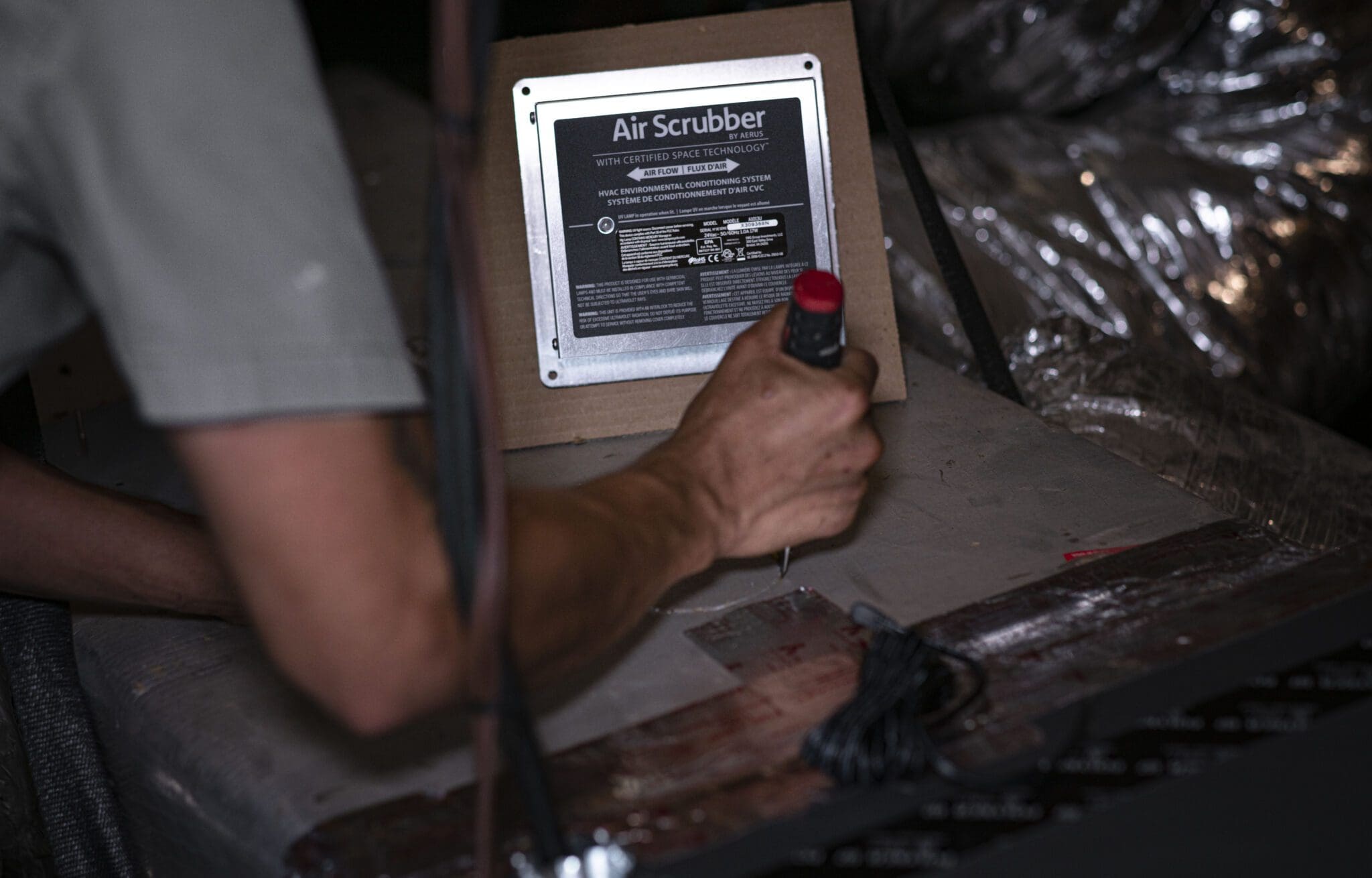
What is an Air Scrubber?
The quality of the air we breathe in our homes and workplaces can have a direct impact on our health and well-being – but what can you do to ensure you maximize the air quality in your space?
Air scrubbing technology is a powerful tool that’s quickly gaining traction in the fight against indoor air pollution. Air scrubbers are an air cleaning device that effectively removes pollutants such as dust, pollen, mold spores, and viruses from the air as it passes through.
These devices are easy to install, can be integrated into existing HVAC systems, and come in a variety of sizes and power capacities, giving you the flexibility to find the right fit for your space. Plus, you’ll enjoy the benefits of improved indoor air quality, including a reduction in airborne contaminants that can be inhaled and often smelled.
Read on to learn more about air scrubbing technology, the types of contaminants that air scrubbers remove, and how you can easily get an Air Scrubber installed in your home.
How Does an Air Scrubber Work?
An air scrubber is a device designed to improve the quality of air within an HVAC System. It works by removing airborne particles that can be hazardous to human health. Air Scrubbers are directly installed within the duct work of your HVAC System to filter out pollutants.
The basic principle behind an air scrubber is to capture and filter out contamination. The device draws in contaminated air and forces it through a series of filters that remove dust, pollen, allergens, and other particles. The air is then cycled back in the room. This ensures that clean, filtered air is circulated throughout the area.
Air scrubbers use a variety of filter types to achieve the best results. Common filters used are High-efficiency particulate air (HEPA) filters and activated carbon filters. HEPA filters capture the finest pollutants, such as pet dander, mold spores and bacteria. Activated carbon filters can absorb gases, odor and smokes.
An air scrubber is a valuable tool for improving indoor air quality. It can help remove airborne particles that can cause allergies and other health problems. It is also an effective way to reduce the number of airborne pollutants, reduce odors, and improve the overall air quality of a home or office.
Types of Contaminants That Air Scrubbers Remove
When it comes to improving indoor air quality, one of the most effective methods is to use an air scrubber. Air scrubbing technology uses a range of filtration techniques to capture and remove airborne contaminants from your HVAC system, air conditioning unit, or other indoor air quality sources.
Volatile Organic Compounds (VOCs)
VOCs are chemical compounds released from everyday household items, such as cleaning products, paints, furniture, and other materials. If these compounds linger in the air, they can cause serious health concerns, including headaches, nausea, and more. Air scrubbers can reduce VOC levels in your home by removing them from the air.
Dust Particles
are a common indoor air pollutant, which can aggravate existing health issues. To combat this, the installation of an Air Scrubber within the HVAC and Air Conditioning system of your home can help to improve Indoor Air Quality (IAQ). An Air Scrubber works to not only filter dust particles from the air, but it can also help to reduce the spread of airborne particles and eliminate the pollutants in the air. Furthermore, the AC unit can be used in conjunction with the Air Scrubber to provide additional benefits, such as reducing the amount of dust and particulate matter present in the air. By utilizing this technology, homeowners can maintain a healthier environment in their home and help to improve their IAQ.
Pollen
is an unavoidable source of indoor air quality issues which can lead to respiratory distress. While it is impossible to eliminate all pollen from a building, Air Scrubbing Technology can help reduce its presence in the air. This technology works in tandem with the HVAC and Air Conditioning system to minimize the amount of pollen in the air. By installing an Air Scrubber within the heating and cooling system, it circulates air throughout the home or building, capturing toxins, mold and other particle contaminants from the air. This helps to ensure the indoor air quality remains safe and healthy for everyone, and helps to prevent the potential for respiratory distress caused by pollen.
Mold Spores
Mold spores are another major factor that can affect indoor air quality. These microscopic particles are often invisible to the naked eye, but they can easily be inhaled and cause respiratory problems. Air scrubbing technology can help to drastically reduce the levels of airborne mold spores in the home by utilizing the existing HVAC system and air conditioning unit. The air scrubber works by creating a powerful air flow that captures and breaks down mold particles in the air, before they can enter the system. This helps to improve the overall indoor air quality and reduces the risk of breathing in unhealthy mould spores.
Benefits of Air Scrubbing Technology
Air scrubbing technology is a powerful tool for eliminating harmful contaminants from the air inside of homes and businesses. It helps improve indoor air quality by removing particulate matter, including dust, dander, and pollen, as well as chemical contaminants and microorganisms that can lead to illness. Air scrubbers can also reduce the amount of allergens and odors that can cause health issues.
Air scrubbing technology works in tandem with other forms of air filtration such as an HVAC system, air conditioner, or ventilation fan. They work by passing contaminated air through a series of filters and neutralizers that capture and neutralize airborne contaminants. This helps prevent their release into the air and eliminates their health risks.
Air scrubbers can easily be installed in residential and commercial settings. They are also very effective at trapping and removing particulate contaminants and microorganisms, which can be especially beneficial for those with allergies or asthma. They can also help reduce the amount of mold, bacteria, and VOCs (volatile organic compounds) in the air.
Air scrubbing technology is an effective way to improve indoor air quality, reduce allergens and odors, and protect the health of those living and working in the space. By using a combination of air filtration and scrubbing, homeowners and business owners can help ensure the air they’re breathing is clean and healthy, reducing the risk of health complications and illnesses caused by poor air quality.
UV Lights
Air Scrubbers are best when paired with UV Lights. Air scrubbers remove particles through filtration and those filters will fill with contaminants which can be a home for micro organisms. These organisms wreak havoc in homes and in your HVAC Unit.
They can clog up your system reducing efficiency and also causing issues like clogged drains.
These same organisms will keep you and your household fighting off sickness year round. They can Also be key contributors in issues like Asthma.
UV Lights kill all the organisms lurking in your system preventing all kind of issues.
Read more in our article about UV Lights and all their benefits!
How to Choose the Right Air Scrubber for Your Needs
Easy Installation
The installation process for air scrubbing technology is quick and straightforward. Most air scrubbing systems can be quickly and seamlessly integrated into an existing HVAC system or air conditioning unit. Simply place the air scrubber in the return ductwork, connect the power line and then you’re ready to go!
A Skilled Technician will be able to determine where an Air Scrubber should be placed and the best way to take care of your home and system in just a few minutes.
Air scrubbing is an excellent way to help improve indoor air quality, as it helps to eliminate contaminants like mold, bacteria, and dust mites that can harm the health of your family. Investing in an air scrubbing system can bring about a noticeable improvement in the quality of air in your home, as well as benefit your long-term health.
If you have any questions or interest in an Air Scrubber, please don’t hesitate to call us!
(210)468-6117
Advice From The Pros: 8 Best Maintenance Practices

HVAC systems are essential for regulating the temperature, humidity, and air quality in homes and buildings. However, these systems require frequent maintenance to operate efficiently and prevent breakdowns.
Here are some best practices for maintaining your HVAC system:
1. Change Air Filters Regularly
The air filter is an important part of your HVAC system as it prevents dirt, debris, and other particles from circulating in the air. A dirty air filter can restrict airflow, causing the system to work harder and consume more energy.
To keep your system running efficiently, change your air filter at least once a month or every three months if you have pets or allergies.
2. Clean Evaporator and Condenser Coils
Dirt and dust can accumulate on the coils of your HVAC system, reducing their ability to transfer heat. This can cause the system to work harder and consume more energy, leading to higher utility bills.
To prevent this, clean the evaporator and condenser coils regularly. You can use a hose to clean the outside of the coil, or a soft brush to remove any debris that has accumulated on the inside.
3. Inspect Ductwork
The ductwork of your HVAC system is responsible for distributing air throughout your home or building. If the ducts are dirty or damaged, it can reduce the system’s efficiency and cause air leaks.
To maintain your ductwork, inspect it regularly for signs of wear and tear. If you notice any leaks, holes, or loose connections, you should have them repaired immediately.
4. Adjust Thermostat Settings
Your thermostat controls the temperature of your home or building. By adjusting the settings, you can reduce your energy consumption and extend the life of your HVAC system.
During the summer months, set your thermostat to 78°F or higher. During the winter months, set it to 68°F or lower. Every degree that you increase or decrease your thermostat can save you up to 2% on your energy bills.
5. Schedule Professional Maintenance
Regular maintenance by a licensed HVAC technician can help prevent breakdowns and prolong the life of your system. A professional can identify potential problems before they become major issues, saving you time and money.
During a maintenance appointment, the technician will perform a thorough inspection of your system, clean the components, and replace any worn-out parts.
6. Seal Air Leaks
Air leaks in your home or building can cause your HVAC system to work harder and consume more energy. To prevent this, seal any gaps or cracks around windows, doors, and other openings.
You can use caulk, weatherstripping, or foam insulation to seal air leaks. This will improve the efficiency of your HVAC system and reduce your energy consumption.
7. Keep Outdoor Unit Clean
The outdoor unit of your HVAC system is exposed to the elements, which can cause dirt, leaves, and debris to accumulate on the fins and coils. This can reduce airflow and cause the system to work harder.
To prevent this, clean the outdoor unit regularly. You can use a hose to rinse off any dirt, or a soft brush to remove any debris that has accumulated on the fins and coils.
8. Monitor Energy Consumption
Monitoring your energy consumption can help you identify any changes in your HVAC system’s efficiency. If you notice a sudden increase in your energy bills, it may indicate that your system is not functioning properly.
By tracking your energy consumption, you can identify any issues with your HVAC system and take action before they become major problems.
Bonus: Prevent Future Issues
UV Lights – UV Lights are a great way to maintain your system for longer with no added work.
One of the main calls we receive all summer long is clogged drains. One of the most common issues causing clogged drains is microbial build up. Installing a UV in your HVAC System will eliminate this microbial build up saving you from future maintenance needs.
Start Implementing these tips to see your unit last longer and your energy consumption decrease.
In conclusion, HVAC maintenance is essential to keep your system operating efficiently and prevent breakdowns. By following these best practices, you can improve the efficiency of your system, save money on your energy bills, and extend the life of your HVAC system.
If you have any questions or concerns don’t hesitate to give us a call.
Seer2, What Does It Mean And How Does It Affect Me?
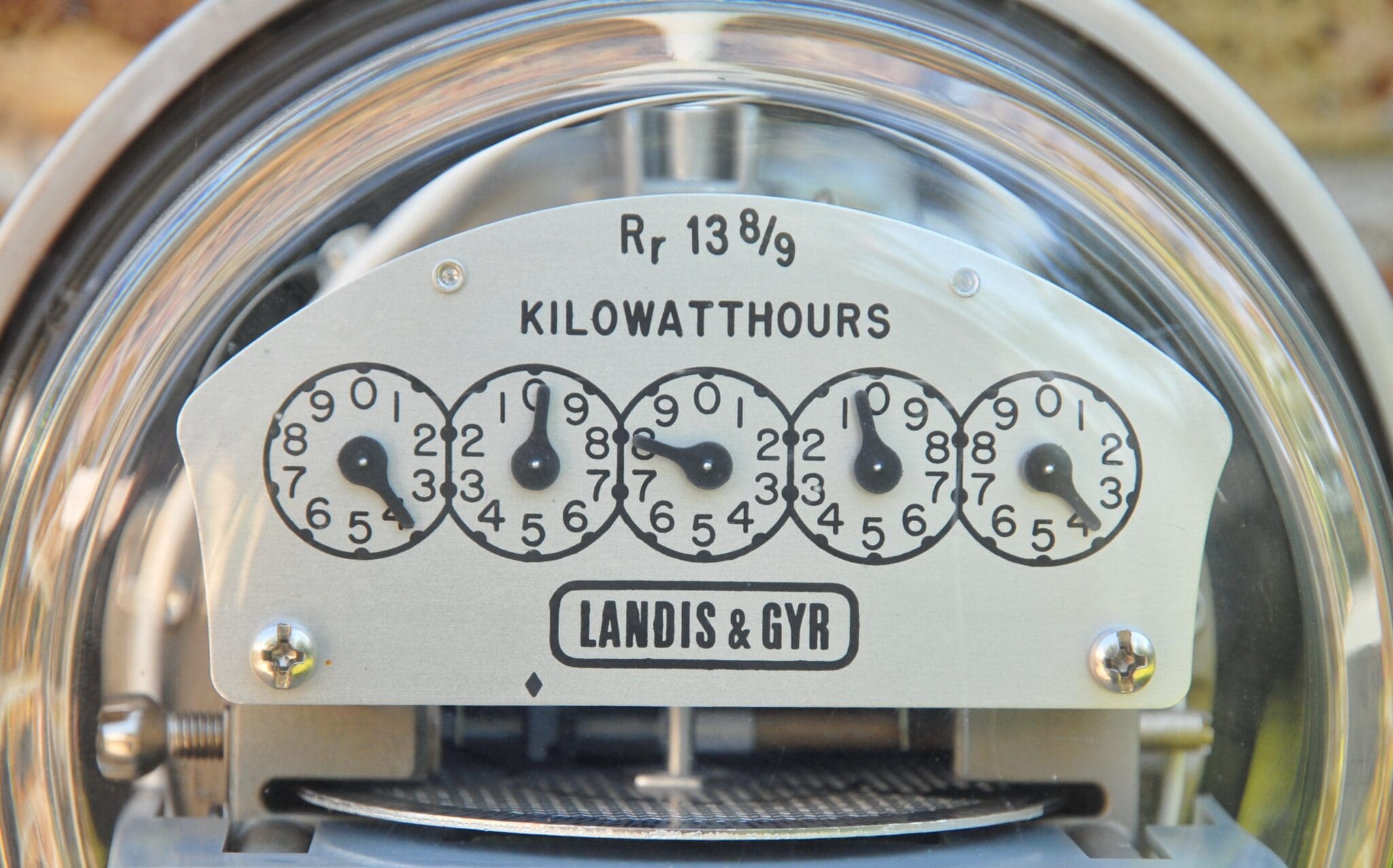
Seer2 stands for Seasonal Energy Efficiency Ratio, which is a measure of the cooling output of an air conditioner or heat pump over a typical cooling season, divided by the energy it consumed in Watt-hours. In simpler terms, it’s a rating that indicates how efficient an HVAC system is at converting electricity into cooling.
For many consumers, Seer2 is having a significant impact on their HVAC experience. The higher the Seer2 rating, the more energy-efficient the system, which means lower utility bills and a smaller environmental footprint. Additionally, many states and utilities offer rebates or incentives for choosing high Seer2 rated systems, further reducing the upfront cost of installation.
But what does this mean for the HVAC industry as a whole? As consumers become more environmentally conscious and energy-efficient, demand for high Seer2 systems will continue to grow. HVAC manufacturers are responding to this trend by investing in research and development to create systems that are not only highly efficient but also affordable and reliable.
According to the U.S. Department of Energy, as of January 2023, all new air conditioning units sold in the United States must have a minimum Seer2 rating of 14. This is a significant increase from the current minimum of 13 and is expected to further drive demand for energy-efficient HVAC systems.
Prices?
We also need to consider what impact Seer2 is having on installation practices. Higher Seer2 rated systems often require different ductwork installations, refrigerant lines, and electrical wiring than previous models. As contractors, we need to ensure we’re properly trained on installing these systems to maximize their efficiency and lifespan. We also need to factor in potential utility rebates, tax incentives and warranties when helping customers decide which system would work best for them.
Overall, Seer2 is a crucial factor to consider when choosing an HVAC system, both for consumers and the industry. As demand for energy-efficient systems continues to grow, manufacturers will need to continue investing in research and development to meet consumer needs, while contractors will need to stay up-to-date on the latest installation practices and code requirements. Ultimately, Seer2 is leading the way toward a more sustainable and cost-effective HVAC system.
Connect with us


- May 2026
- April 2026
- March 2026
- January 2026
- December 2025
- November 2025
- October 2025
- September 2025
- August 2025
- July 2025
- January 2025
- June 2024
- April 2024
- March 2024
- February 2024
- January 2024
- December 2023
- November 2023
- October 2023
- September 2023
- August 2023
- July 2023
- June 2023
- May 2023
- April 2023
- March 2023
- February 2023
Archives

Learn More
License: #TACL087165E
Location
240 Sherwood Drive
San Antonio, TX 78201