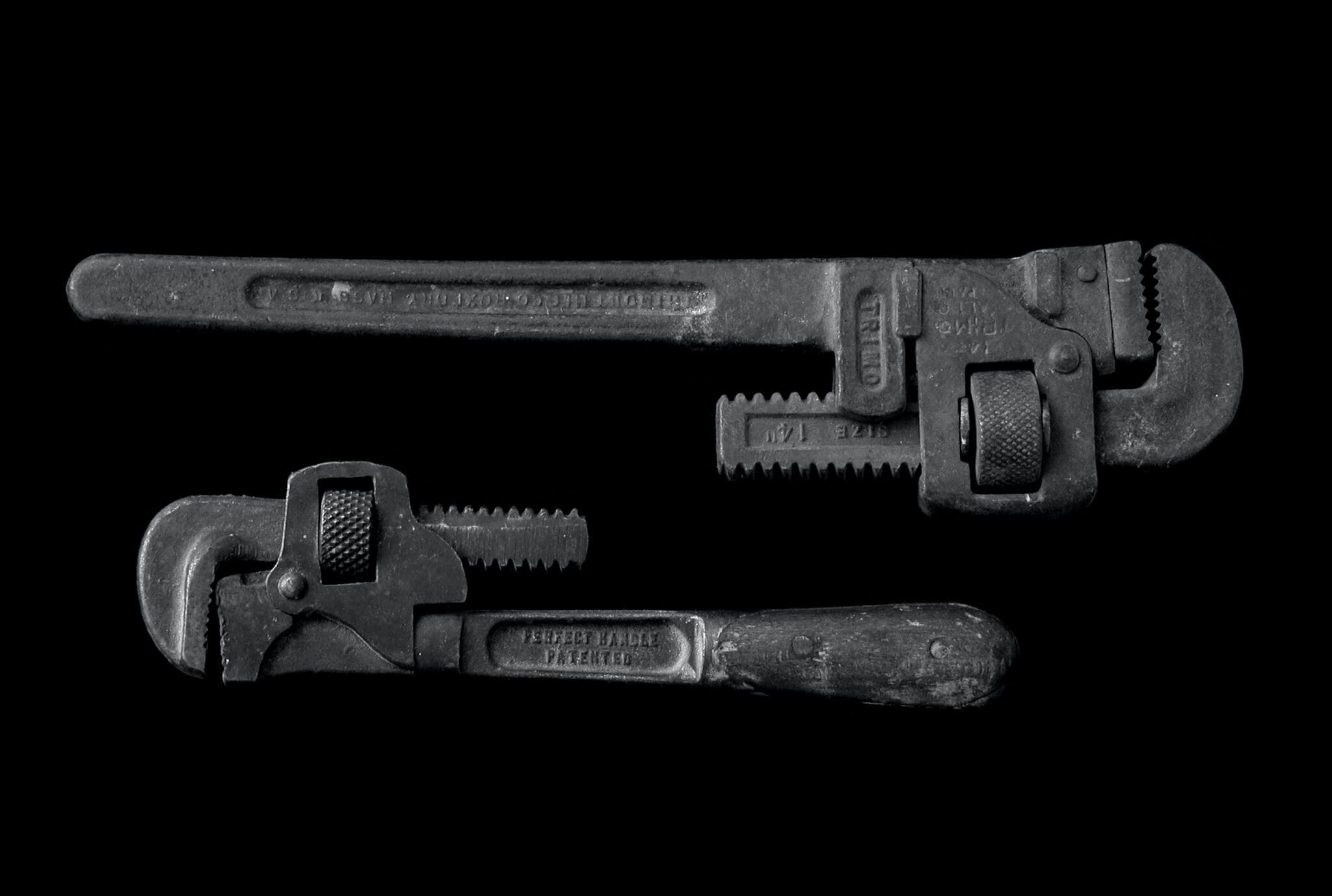
When it comes to maintaining your home or office, issues with heating and air conditioning (HVAC) as well as plumbing can be common. However, these two types of problems require very different solutions. Knowing how to tell the difference between an HVAC issue and a plumbing issue can save you time and money, as well as prevent further damage to your property.
HVAC Issues
HVAC systems are responsible for keeping your living and working spaces warm in the winter and cool in the summer. However, there are a few common issues that can occur with these systems:
1. No Air Flow: If you turn on your HVAC system and no air flows through the vents, you could have a problem with your blower motor or a clogged air filter.
2. Poor Air Flow: If your HVAC system is producing weak or uneven airflow, there may be a blockage in the ductwork or a problem with the blower motor.
3. Strange Noises: Unusual sounds coming from your HVAC system could indicate a problem with the compressor or fan motor.
4. Leaks: If you notice water pooling around your HVAC unit, it could be a sign of a refrigerant leak, which can be harmful and requires professional attention.
5. Inconsistent Temperatures: If some rooms in your home or office are too hot or too cold while others are comfortable, there may be an issue with the ductwork or thermostat.
Plumbing Issues
Plumbing issues, on the other hand, involve the pipes and fixtures that bring water in and out of your building. Here are a few common plumbing problems to look out for:
1. Leaks: Leaks can occur in any part of your plumbing system, and they can cause water damage, mold growth, and high utility bills.
2. Low Water Pressure: If your water pressure is weak or inconsistent, it could be due to a clog in your pipes or an issue with your pressure regulator.
3. Clogs: Whether it’s a clogged sink or a backed-up toilet, clogs can be frustrating and unpleasant. They can be caused by a buildup of hair, grease, or other debris in your pipes.
4. Strange Smells: If you notice a foul odor coming from your drains, it could be a sign of a sewage backup or other plumbing issue.
5. Burst Pipes: When pipes freeze or corrode, they can burst and cause significant water damage. This is why it’s important to keep your pipes insulated and well-maintained.
How to Tell the Difference
While there are some commonalities between HVAC and plumbing issues, there are also some key differences that can help you determine which type of problem you’re dealing with. Here are a few guidelines:
1. Check the Symptoms: Pay close attention to the symptoms of the problem you’re experiencing. For example, if you notice water pooling around your HVAC unit, it’s likely an HVAC issue. If you have low water pressure throughout your building, it’s probably a plumbing issue.
2. Consider the Location: The location of the problem can also give you clues about whether it’s an HVAC or plumbing issue. HVAC problems are typically confined to the unit itself or the ductwork, while plumbing problems can affect multiple areas of your building.
3. Look for Additional Signs: If you’re still unsure about the cause of your problem, look for additional signs. For example, if you’re experiencing inconsistent temperatures and strange noises from your HVAC system, it’s likely an HVAC issue. If you have leaks and clogs in your sinks and toilets, it’s probably a plumbing issue.
What to Do
If you’ve determined that you have an HVAC issue, it’s best to call a professional HVAC technician to diagnose and repair the problem. Trying to fix it yourself could result in further damage and even personal injury. On the other hand, if you have a plumbing issue, you may be able to fix it yourself if it’s a simple clog or leak. However, if the problem is more complex, it’s best to call a licensed plumber to help you.
Conclusion
Knowing how to identify the difference between HVAC and plumbing issues can save you valuable time, money, and effort. By paying close attention to the symptoms, location, and additional signs, you can determine the cause of the problem and take appropriate action. Remember, when in doubt, it’s always better to call a professional who can diagnose and repair the issue safely and effectively.
If You’re Having HVAC Problems Please Don’t Hesitate To Call Us. We’d be happy to answer any questions or get you on the schedule for a free estimate.
(210)468-6117
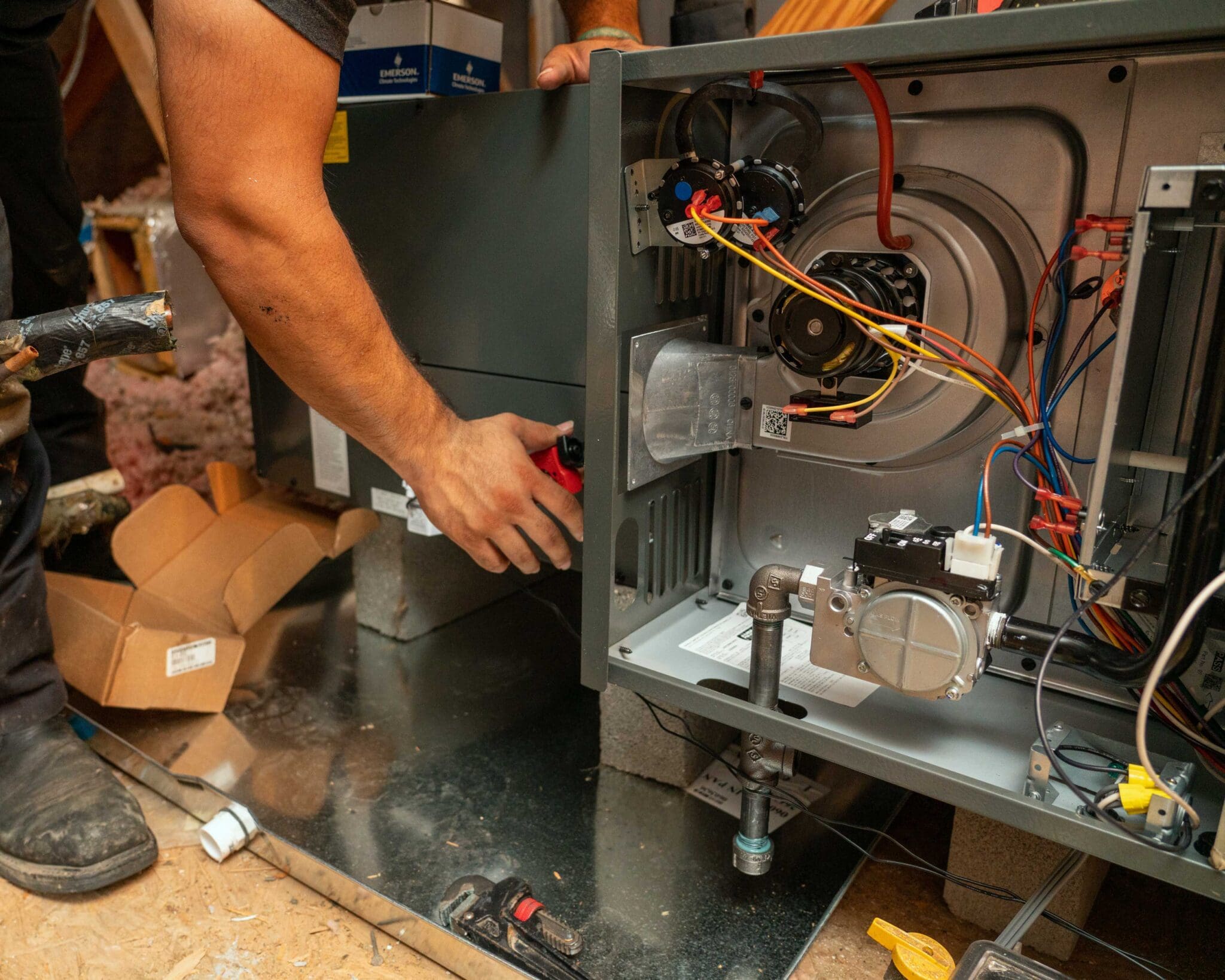
8 Most Common HVAC Problems
Do you know how to spot and fix common HVAC problems before they become major issues?
The condition and proper functioning of your HVAC system is crucial in preventing major repairs. In fact, the US Department of Energy estimates that almost half of all system failures are due to lack of maintenance.
Common HVAC issues such as leaks, clogged drain lines, low refrigerant levels, dirty air filters, frozen evaporator coils, and incorrect installation can be easy to diagnose and fix before they lead to water leakage.
In this article, we’ll discuss the various HVAC issues and how to identify, fix, and prevent them. We’ll also discuss the benefits of preventive maintenance and inspections for your HVAC system and how to find trusted AC repair professionals.
So let’s dive in and get started!
Freon Leaks
One of the most common causes of an air conditioning or heating malfunction is leaky freon. Freon is a refrigerant that helps keep your system operating at an efficient level and ensuring proper cooling of your environment. It is important to regularly inspect the seals, valves, and tanks to ensure there are no leaks present. If a freon leak is spotted in your HVAC system, it should be fixed immediately. The following outlines the process for fixing a freon leak:
First, you will need to locate the source of the leak. This can be done with a pressure gauge, which will help identify any areas where the pressure has dropped too low. If there is a drop in pressure anywhere in the system, then it could indicate that there is a hole or crack somewhere in one of the pipes or components. It can also indicate that there might be a faulty valve or connection point that needs to be fixed.
Once you have identified where the leak is occurring, you will need to take steps to repair it. The most common way to fix a freon leak is by using a sealant specifically designed for this purpose. Depending on the size and location of the leak, you may need to use more than one sealant to make sure that it’s properly sealed shut. Make sure to follow any manufacturer instructions on how long you should wait for each sealant before proceeding onto the next step.
After all of the sealants have been applied, you will need to recharge your HVAC system with fresh freon — either by adding new refrigerant or introducing new air into the system depending on what type of system you have installed. Remember to always wear protective equipment when working with freon and follow all safety precautions before attempting any repairs.
Freon leaks can be avoided if regular maintenance checks are done on your HVAC system including inspecting seals and valves as well as checking for moisture levels in order to detect signs of leaks before they become big problems down the line. With proper identification and repair, you can rest assured knowing that your HVAC system will remain running efficiently at all times!
Clogged Drain Line
One common HVAC problem that can cause major issues if it is not addressed in a timely manner is clogged drain lines. Clogged drain lines within your HVAC system can lead to water damage and mold growth, both of which can be costly to repair. If left untreated, a clogged drain line can even put strain on the rest of the system, leading to further breakdowns and even short circuiting. It is important to spot and address clogged drain lines as soon as possible.
The first step in spotting a clogged drain line is understanding where they are located in your HVAC system. The primary location for clogs is often just above the condensate pump, which collects water generated from the cooling compression process. You should also check around areas such as the secondary evaporator coil or the air handler cabinet for signs of water buildup or other obstructions. If you notice any strange noises coming from these areas, then there may be an obstruction blocking the flow of the water.
Once you have identified the potential location of a clog, it is time to start troubleshooting and fixing it. First, you should check to see that all air filters are clean and free of debris so that they are not causing any blockages. Next, you should make sure all outdoor vents are clear so that they do not affect the suction from within your home’s ductwork. Lastly, use a high powered wet vac to remove any buildup inside your HVAC ducts or around your condensate pump so that there are no blockages preventing proper drainage. Once this has been done, check for visible leaks or cracked pipes which may need replacing before continuing with any further troubleshooting steps.
If none of these steps resolve your drainage problem, then it may be time to look into professional help from an experienced HVAC technician who can diagnose and fix whatever issue may be present. Having a professional examine and assess your system will ensure that any underlying problems are addressed before they become major issues down the line.
A Great Way to prevent clogged drain lines is by installing a UV Light to reduce the amount of microbial growth in your system.
Read More In Our Article on UV Lights.
Low Refrigerant Levels
HVAC systems are designed to maintain comfortable temperatures in the home, but if your air conditioning isn’t working correctly, the first thing to check is the refrigerant levels. Refrigerant is the liquid agent used in air conditioning systems to cool air, and low levels can be disruptive and can lead to other, long-term problems. To spot and fix low refrigerant levels, start by checking the level of coolant and seeing if it’s lower than it should be.
If the system’s refrigerant level is low, the air conditioning system won’t be able to work efficiently and could start using too much energy. This can result in higher energy bills and the cooling system won’t be able to perform its job correctly. The good news is that the issue can be easily rectified with the help of a professional AC repairs company.
A professional HVAC technician can identify the exact cause of the low level of refrigerant and pinpoint where the leak has occurred. If the problem is caught early enough, they can repair the leak and replace the refrigerant. However, if the problem has gone on a long time and the leak is more serious, the technician may need to replace the entire air conditioner. Whatever the outcome, having a qualified technician on the job will ensure that the right solution is applied to prevent low refrigerant levels from occurring in the future.
The best way to spot and fix common HVAC problems before they become major issues is to call a professional for scheduled maintenance or for AC repairs services when needed. Keeping your air conditioning system in optimal condition with regular maintenance will help you avoid potential problems caused by low refrigerant levels.
Dirty Air Filters
The air filters in an HVAC system are responsible for preventing dust and debris from circulating around your home or office. When these filters become clogged, the air inside can become polluted, making it difficult to breathe and reducing the efficiency of your system. It is therefore important to identify and fix dirty air filters quickly to avoid any major issues.
In order to spot a dirty air filter, you will need to take a look inside your HVAC system. If you can see that the filter has a large amount of dirt and debris built up on it, it is a good indication that it needs to be changed. It is important to note that the frequency in which these filters must be replaced can vary depending on the type of system you have.
In order to fix a dirty air filter, you will need to replace it with a new one. It is best to get in contact with a professional for AC repairs services. A professional will be able to accurately assess the situation and provide the appropriate replacement filter. It is also important to note that some HVAC systems may require special filters to function properly.
In conclusion, it is important to check your air filters regularly and replace them if necessary to avoid any future issues or costly repairs. If you are unsure about how to identify or fix a dirty air filter, it is best to seek advice from a professional to ensure that the job is done correctly.
Frozen Evaporator Coil
If the evaporator coil in your HVAC system is frozen, it can cause a complete breakdown of your home’s air conditioning system. To spot this easily recognizable issue, look at the evaporator coil and see if there is any frost, ice, or condensation forming on the outside. If so, the evaporator coil is frozen.
The first step to fixing a frozen evaporator coil is to determine the cause of the problem. The most common causes include low refrigerant levels, blocked air filters, or poor airflow. When the air conditioning system isn’t functional, you should contact a professional HVAC technician for AC repairs to help you identify and address these underlying issues.
If you’re comfortable doing it yourself, begin fixing a frozen evaporator coil by first checking your air filters and ensure that they are clean. When they are dirty or clogged, they should be replaced with new ones. Make sure to check the filters monthly and change them whenever they’re dirty.
Next, check the refrigerant levels and make sure they are at the correct level. You may need the help of a professional for this in order to ensure it is done correctly. If the refrigerant levels are low, you will need to contact an HVAC repairs services professional to recharge the system. They will also be able to diagnose any other potential issues that could be causing the evaporator coil to freeze.
Finally, if poor airflow is the cause of the frozen evaporator coil, the professional HVAC repairs service can help address this issue. The technician will inspect the ductwork and determine if there is blockage or obstruction in the airflow, as well as inspect the blower motor and fan for any signs of damage or wear.
Fixing a frozen evaporator coil takes the expertise of a professional, so be sure to contact the experts if your HVAC system is not functioning properly. With their help, you can prevent any major issues with your home’s air conditioning system and enjoy a comfortable home all year round.
Incorrect Installation
HVAC systems are complicated and can be difficult to install correctly. If a system is installed incorrectly, it can cause major problems and may even be dangerous. To spot and fix common HVAC problems before they become major issues, careful attention should be paid to the installation process.
Incorrect installation issues are best remedied by a trained professional. If any part of the HVAC system has been installed improperly, or with substandard materials, it could cause serious problems including decreased efficiency, water leaks, air leaks, or poor air quality. Before a system is even switched on for the first time, it should be inspected to ensure it has been properly installed.
The most important aspect of the installation is having a clean and level surface. If the surface is uneven or contains dust, dirt, or other debris, it could cause the system to run inefficiently and cause the system to break down more quickly. Working with a qualified AC repair service that specializes in HVAC services can help ensure the installation is done correctly.
Additionally, the size of the HVAC system should be accurately measured; having a system that’s too large or too small could cause it to run inefficiently and increase energy costs. Furthermore, all the components should be correctly connected, as any leaks or misconnections could cause faulty performance, decreased cooling, and even property damage.
Incorrectly installed HVAC systems can end up costing more in the long run due to frequent repairs and decreased efficiency. Regular maintenance, inspections, and repairs from a certified professional can greatly reduce the risk of major issues arising from an incorrect installation.
Preventative Maintenance & Inspections
Preventative maintenance and inspections are the best ways to mitigate the risk of facing expensive HVAC repairs and to keep your AC and heating system running at optimum efficiency. Professional HVAC technicians perform maintenance and inspections at least once a year, or every six months depending on the type of system and the usage.
If you have an older system, you should have professional inspections twice a year to ensure the system runs correctly, especially during the hottest and coldest months of the year. Maintenance and inspections should include cleaning, checking, lubricating and adjusting, and fixing any potential issues. This helps to make sure that the system runs correctly, which in turn helps you save money on energy costs.
It is also important to check for signs of any leaks, whether in the system or the ducts. Leaks can lead to inefficient functioning and can be costly to repair. A professional can check for any leaks, fix them, and also inspect for any signs of wear and tear in the system’s piping and equipment.
Additionally, it is important to check for any signs of corrosion or rust and to make sure that there are no problems with the system’s wiring or other parts. All of these issues can be addressed by a professional HVAC technician, and it is recommended that you call in a professional for any repairs or maintenance when needed.
It is best to be proactive and catch problems before they become major issues. A professional HVAC technician can spot any impending problems and suggest the best course of action and also provide repair services if needed. Investing in regular maintenance and inspections and calling in a professional as soon as you notice any potential issue can save you time, money, and a lot of hassle in the long run.
Have an issue? Want to schedule a maintenance visit?
Give us a call!
(210)468-6117
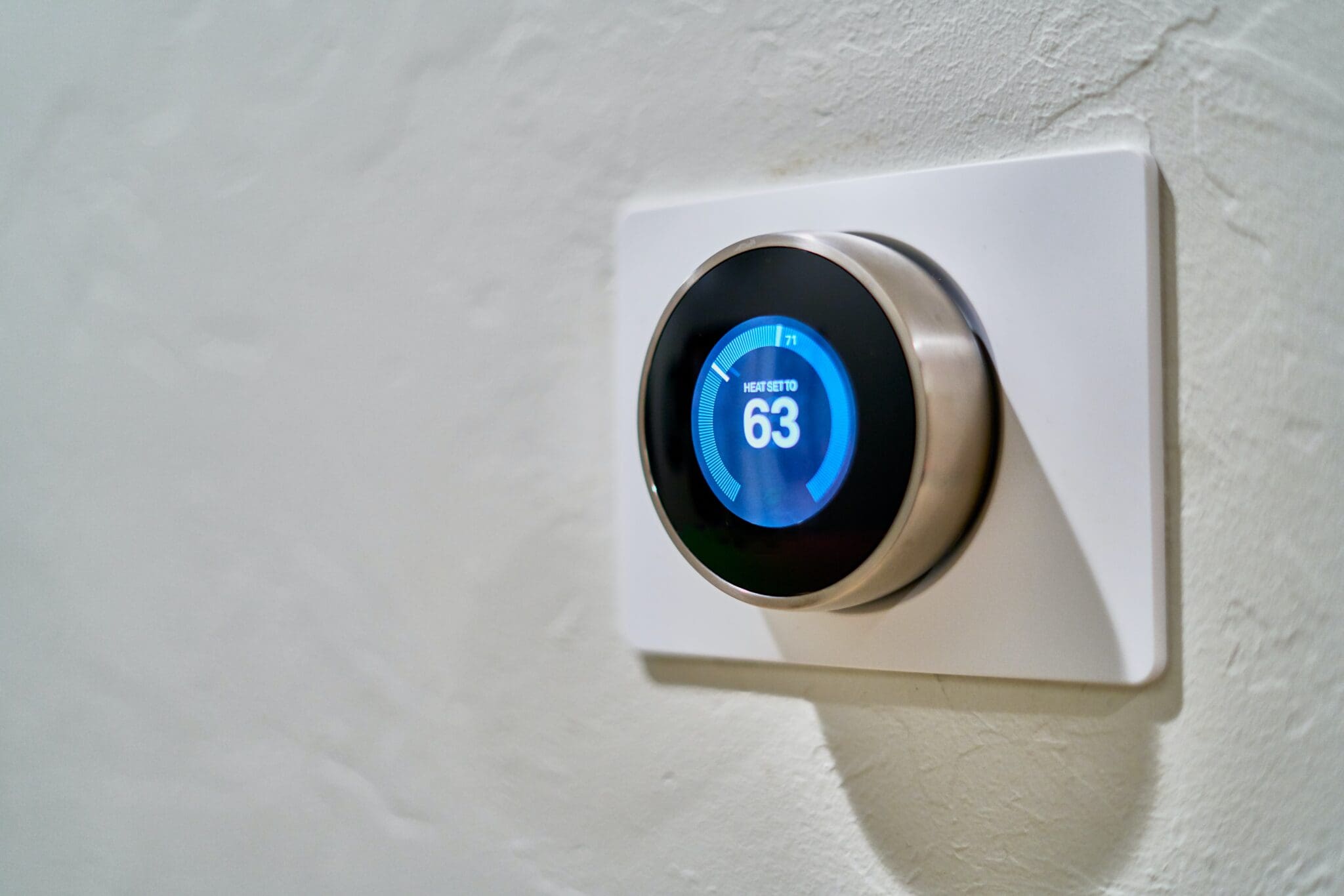
Smart Thermostat Benefits
Are you tired of having to adjust your thermostat every few hours?
Do you feel that your air conditioning system isn’t performing as efficiently as it should?
If so, then it may be time for you to upgrade to a smart thermostat. Smart thermostats are a revolutionary way to unlock the potential of your air conditioning system and save money on your energy bills.
By controlling your home’s heating and cooling systems from a mobile device or computer, you can enjoy all kinds of benefits. These include improved energy efficiency, convenience, comfort, remote access, and even easy installation.
In this article, we’ll discuss these benefits in more detail, as well as how a smart thermostat can improve energy efficiency, convenience, comfort, and more. Keep reading to learn more!
Energy Efficiency
When it comes to saving energy, investing in a smart thermostat to control your air conditioning can be one of the most effective strategies. Smart thermostats are programmed to maintain optimal indoor temperatures while using less energy than traditional thermostats. In addition, these thermostats can be programmed to turn off the air conditioning while you are away from home, and can be programmed to turn on the air conditioning just before you arrive home — in effect, pre-cooling your home quickly and efficiently.
Not only can a smart thermostat help you save energy, it can also help you detect problems with your HVAC system before they become costly AC repairs. If your thermostat detects a problem, it can send an alert to your phone or any other connected device, so you can immediately contact the appropriate AC professionals for assistance.
It’s easy to overlook the energy efficiency benefits of a smart thermostat, but investing in one can save you money both in the long and short term. If you are looking to maximize the energy efficiency of your air conditioning, then investing in a smart thermostat may be the best way to unlock the potential of your air conditioning system.
Convenience
Having a smart thermostat installed in your home or workspace is not only beneficial for the environment and your wallet, but it is also incredibly convenient. Smart thermostats are designed to help you manage your air conditioning more efficiently and with more convenience than ever before. Smart thermostats come with a range of features such as voice commands, preset settings, and remote access so you can adjust your air conditioning anywhere, anytime.
These features make it a breeze to control your home or office climate so you are always comfortable, no matter the time of day or night. Smart thermostats also allow you to set and forget, so you don’t have to worry about adjusting the thermostat each time you leave for work or change rooms.
Smart thermostats also take out the guesswork when it comes to air conditioning maintenance. By monitoring energy usage and providing reminders for when it’s time to replace the air filter, thermostat settings, or if there are any problems with the system, smart thermostats can help keep your air conditioning system running efficiently. Additionally, many smart thermostats can alert you when it is time to arrange for AC repairs or replacements with an HVAC professional.
Overall, smart thermostats are incredibly convenient, giving you easy access to your air conditioning system and ensuring it runs optimally for as long as possible.
Improved Comfort
Using a smart thermostat to control your air conditioning system can provide a considerable increase in comfort over traditional thermostats. Smart thermostats allow you to control the temperature of your home with much greater precision, meaning you can adjust the temperature of your home even when you are away. Smart thermostats can also be programmed to adjust the temperature during certain hours or days, allowing you to create a comfortable atmosphere no matter what time of the day it is.
Smart thermostats also make it easier to maintain comfort levels by automatically adjusting the temperature according to indoor and outdoor conditions. This can save you money on energy bills and improve comfort levels in your home. As an added bonus, smart thermostats can also help detect issues with HVAC equipment, alerting homeowners to the need for any AC repairs and ensuring that your air conditioner is running efficiently.
For those who want to get the most out of their AC system and ensure that it runs at its peak, investing in a smart thermostat can be a great idea. For those who are not comfortable installing the smart thermostat themselves, it is always recommended to consult the services of an AC professional. Professionals can advise on the best model of thermostat to install and provide assistance with the installation process.
By taking these steps to invest in a smart thermostat and use it to its full potential, homeowners can enjoy improved comfort levels, lower energy bills, and a better overall experience with their air conditioning system.
Remote Access
When it comes to unlocking the potential of your air conditioning, installing a smart thermostat is the way to go. Smart thermostats are programmable and remote, allowing you to control your HVAC system from virtually anywhere. Smart thermostats enable users to turn their AC on and off remotely, adjust temperature, and schedule regular maintenance with AC professionals.
Smart thermostats also provide valuable data analysis, enabling users to identify and assess patterns in energy consumption. This helps homeowners save on energy costs, as they are able to make more informed decisions on when to turn their AC off and when to turn it on. Additionally, remote access to the thermostat helps homeowners be proactive with AC repairs, as they can identify any issues with the system and take appropriate measures.
Still, it is important to note that while thermostats can provide automated control and energy savings, they cannot replace AC professionals when it comes to maintenance and repairs. A professional should still be called in to inspect, lubricate, and clean the AC unit at least twice a year, as well as to diagnose and repair any issues that may arise.
Overall, having remote access to a smart thermostat is an invaluable tool for unlocking the potential of your air conditioning. Its ability to provide users with data analysis and automated control helps to save on energy costs and make AC repairs more efficient. However, it is still important to schedule regular maintenance with AC professionals in order to ensure the system is functioning optimally.
Easy Installation
Installing a smart thermostat for your air conditioner can be a straightforward process. Depending on the type of air conditioning unit you have, you may be able to install the smart thermostat yourself. However, you may also want to hire an AC professional or HVAC technician to ensure the job is done correctly.
If you are comfortable with the DIY approach, you will need to identify the model of your air conditioning unit. With that information, you can then begin the installation process. First, you will need to shut off the power to the air conditioning unit before you start. This step should always be taken as an extra safety precaution before you begin any electrical work.
Once the power is shut off, you can start to remove the existing thermostat. Depending on the model of your air conditioner, you may need to unscrew and remove the cover, or simply unplug the wiring. In either case, it is a good idea to document the current wiring so that you can reinstall the wiring connected to the new thermostat correctly.
Once you have the wiring noted and the cover removed, you can go ahead and remove the existing thermostat from the wall bracket. Carefully remove the wiring from the back of the thermostat and keep track of the configuration for when you need to connect this wiring to the smart thermostat.
Once the existing thermostat is completely ready, you can begin to mount the new thermostat to the wall bracket. This is often done with mounting screws that come with the thermostat. Follow the instruction manual step by step. Then, use the manufacturer’s directions to connect the wiring.
Finally, you can power up the unit and start the programming of the thermostat. Run through the setup wizard or follow the instruction manual to program the settings according to your preferences.
Installing a smart thermostat is not a difficult task, but it is important to take the necessary safety precautions and follow the instruction manual for the best results.
Have Questions? Need a Thermostat Installed?
Call Today!
(210)468-6117
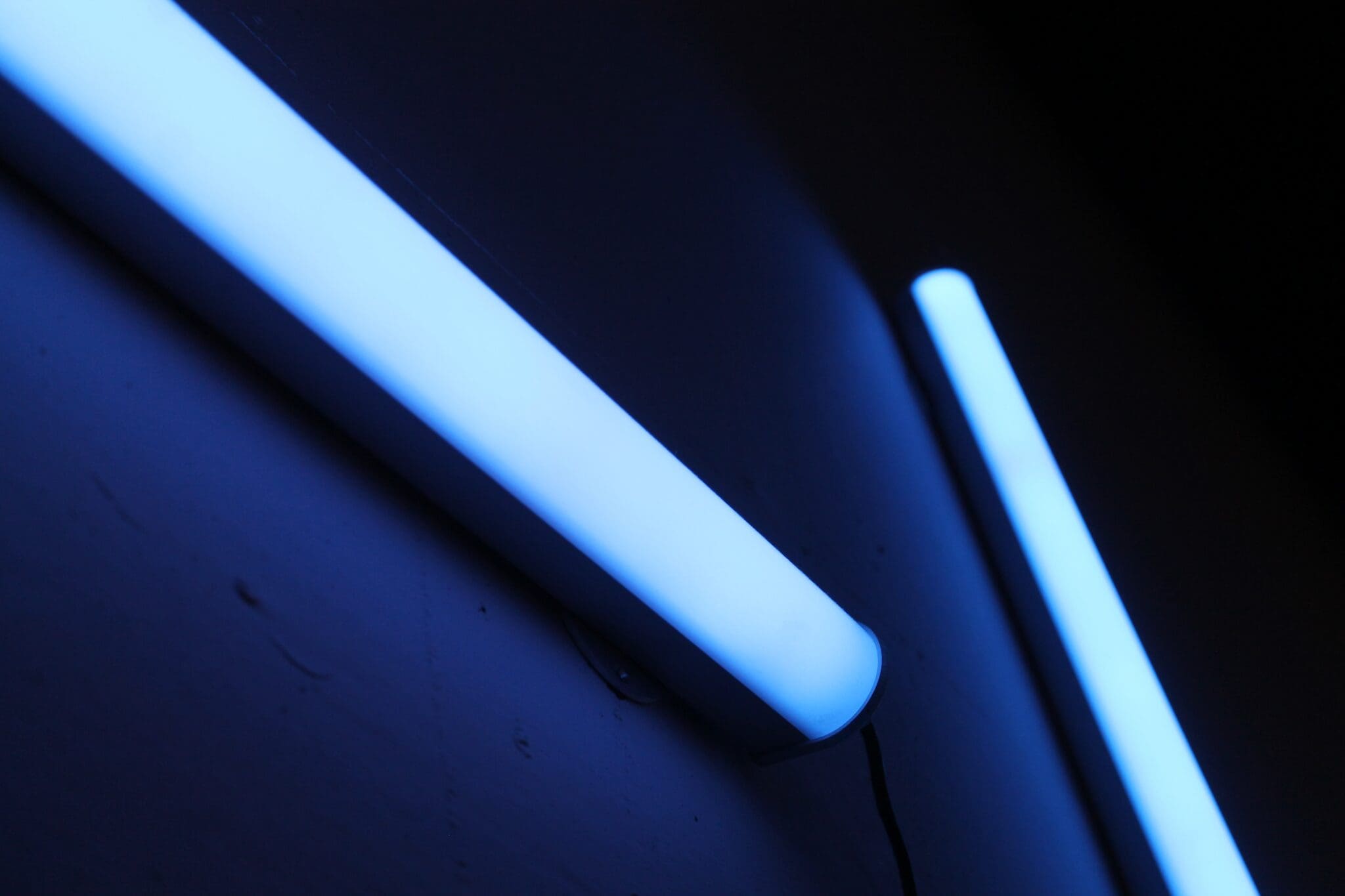
What are UV Lights in HVAC Systems?
Are you looking for a way to save money on your energy costs? Installing UV lights in your HVAC system could be the answer. UV lights can help reduce airborne illnesses, eliminate odors, and give you cleaner and healthier air to breathe. Plus, they offer lower energy bills and better long-term values. In this article, you’ll learn about the benefits of installing UV lights in your HVAC system and the best way to go about it. We’ll discuss what UV lights are and the cost savings of installing them, as well as the health benefits, and installation options.
Benefits of Installing UV Lights in HVAC Systems
UV lights offer an effective means to reduce the cost of air conditioning repairs and maintenance while also providing a healthier indoor environment. Installing UV lights in your HVAC system can provide many benefits and help you save big in the long run.
The most significant benefit of installing UV lights in your HVAC system is the reduction in air conditioning and heating maintenance costs. By installing a UV light in the main supply duct of your HVAC system, the light will destroy a number of airborne contaminants, including molds, bacteria, and viruses, which can potentially cause serious health problems. This reduces the need for frequent maintenance and repair of your air conditioning system.
In addition to reducing the costs associated with air conditioning and heating maintenance, UV lights also provide a healthier indoor environment. As the light destroys these airborne contaminants, it also decreases the amount of pollen, dust, and other particles in the air. This leads to an overall improvement in air quality and can help reduce allergy symptoms and other respiratory illnesses.
Finally, installing UV lights in your HVAC system can also help improve the efficiency of the system. Since the light is able to destroy the contaminants that can build up in the system, it helps to reduce the amount of time the air conditioner takes to cool or heat the home. This, in turn, reduces the amount of energy needed to heat and cool a home, ultimately leading to lowered energy bills.
Installing UV lights in your HVAC system can provide a number of benefits, from reduced air conditioning repairs to an improved indoor air quality. By investing in a UV light, homeowners can save money on maintenance costs, have a healthier indoor environment, and reduce their energy bills.
Energy Efficiency
Installing UV lights in an HVAC system can be one of the most cost-effective investments you make to improve the energy efficiency of your home. Not only can the installation of a UV light help prevent the spread of airborne viruses, bacteria and other contaminants within your home, but it can also reduce energy costs significantly.
UV lights work by using ultraviolet radiation to destroy contaminants including mold, mildew, dust mites and other allergens. These contaminants grow with in your system clogging up units and reducing efficiency. By installing UV Lights you can effectively cut down on this growth allowing your fans to push air more efficiently
Additionally, by having cleaner air circulating throughout your home, you’ll also be reducing dust accumulation on surfaces like furniture and electronics, which will further reduce energy costs due to decreased frequency of dusting or cleaning.
Finally, adding a UV light system can also extend the lifespan of your HVAC system since it will no longer need to work as hard to cool or heat your home as efficiently. With improved efficiency from fewer pathogens blocking airflow or clogging up filters, you’ll find fewer repairs necessary on mechanical parts like fans or motors.
Reduce Airborne Illnesses
Including UV Lights in your HVAC system can help reduce the number of airborne illnesses in your home. By utilizing germicidal UV Lights, the air conditioner will assist in killing bacteria, mold, and other pollutants that can cause respiratory problems. This can help your family stay healthy, as well as help prevent costly AC repairs. UV Lights will keep your air conditioner running cleanly and efficiently, allowing you to save money on ac repairs. Additionally, the UV Lights will take the strain off of your home’s air conditioning system, allowing it to function more efficiently and cost-effectively.
Eliminate Odors
Installing a UV light into your HVAC system is an excellent way to eliminate unwanted odors in your home. Whether it’s smoke from cooking, pet odors, or general stale air, the UV light helps to purify the air and remove unpleasant smells. UV lights are placed at the beginning of the system and eliminate contaminants through out the entire duct system. This means odors are eliminated quickly and effectively. Professional installation of a UV light is the best way to ensure proper installation and ensure the most efficient performance. Contact a trusted AC repair company to get expert advice and help with installing a UV light.
Better Long-Term Value
Installing UV lights in your HVAC system is a great way to save money in the long-term. By doing so, you’ll be able to reduce the amount of AC repairs you’ll need over the years. It will also decrease the amount of maintenance your system requires each year, as the UV light will help clean the air, reducing the amount of dirt, dust, and other particles that clog up the entire system and make it work harder.
Clogged drains are one of the most common issues that shut off your HVAC system during the summer. UV Lights help to kill the bacteria growth that would clog your drain lines and shut your system down. This problem is exceptionally common in the hottest months of the year when bacteria grows the fastest.
All in all, installing a UV light in your HVAC system is a great way to save money in the long-term and keep your air conditioning system running efficiently year after year.
Installing UV Lights in Your HVAC System
UV Lights are simple to install, but you need to make sure you get a couple of things right.
Choosing the Correct Size and Type of UV Light
When it comes to choosing the right type and size of UV Light for your HVAC system, it is important to consider your home’s size, existing air conditioning system and the type of air conditioning unit you have. The size of the UV Light is dependant on where it will be installed and how much air needs to be cleaned. Generally, a UV Light should be powerful enough to transition air through the HVAC system multiple times in a day in order to be effective. Additionally, it is also important to choose a quality UV Light unit that is designed to last for a long time with minimal maintenance and upkeep. Consulting a professional or doing research online can help you determine the right type and size of UV Light for your specific HVAC system.
Considering Placement and Installation Options
When installing UV Lights in your HVAC system, there are a few factors to consider. First, identify the ideal placement for your UV Lights—typically, either in the ducts or within the air handler. Installing the UV Lights in the air handler allows for maximum air circulation inside the unit and is the most effective placement for reducing air quality contaminants. Installing the UV Lights in the ducts is also viable, as long as the lights receive adequate air flow to reach every corner of the system.
Depending on your HVAC system, you may need to consult a professional HVAC technician to properly install your UV Lights. Installing UV Lights requires dismantling the air conditioning unit and is best done by a professional.
If you have any questions, don’t hesitate to reach out.
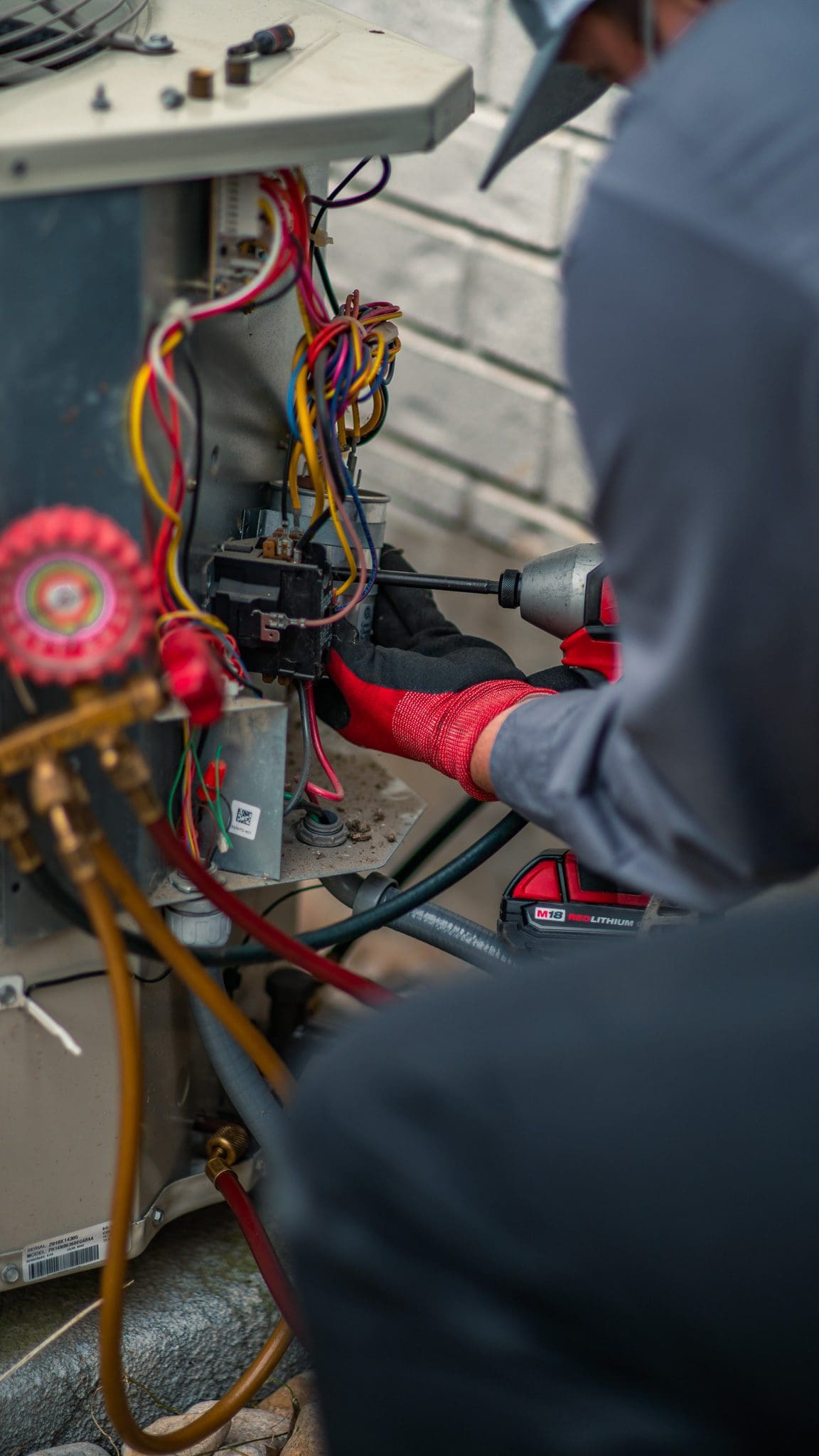
How to Know If You Might Need a New HVAC System
Your HVAC system plays a crucial role in making your home comfortable all year round. But, like all machines, it won’t last forever. If you’re not sure if it’s time to replace your system, look out for these warning signs.
In this article, you’ll find six common signs that you need a new HVAC system, followed by some important aspects to consider when choosing the right one for your home. We’ll also discuss how an HVAC system can help you save energy and money in the long run.
So, let’s jump in — here’s what to look out for, and what to consider when choosing your new HVAC system.
Inconsistent Temperature
If the temperature in your home feels inconsistent, it could be a sign that it’s time to purchase a new HVAC system. If sometimes certain rooms are too hot or too cold, or if different areas of the same room have different temperatures, then you may need an upgrade. This inconsistency is usually caused by either an old system that can’t keep up with the demands of your home or duct issues. Consider replacing your older system with a newer one that will be able to maintain a consistent temperature throughout your living space or call for a technician to come out and inspect your duct work for free.
High Energy Bills
If you notice your energy bills are increasing without any additional strain put on your HVAC system, it may be time to consider a change. Older HVAC systems will not operate as efficiently as they did when they were first installed and may begin to experience air conditioning, heating, and repair issues which impact your overall energy costs. If your HVAC system is older than 10 years, it might be time to consider investing in a newer version which is designed to be more energy-efficient and last longer. If your energy bills continue to rise, even after you have had a professional technician inspect and service your HVAC system, then replacing your system may be your best option.
Strange Noises
Strange noises in your HVAC (Heating, Ventilation, and Air Conditioning) system may indicate that it is time to call in a professional for AC repair services. Common noises associated with air conditioning and heating systems include rattling, grinding, gurgling, and squealing. If you hear any of these sounds coming from your HVAC system, you should seek the help of an expert. An experienced AC repair technician can diagnose and resolve issues that may be causing your system to generate these strange noises and make the necessary repairs to keep your system in optimum condition.
Unusual Smells
Your HVAC system should not emit any strange odors. If you notice any odd smells, it is a sign that you need to repair or replace your HVAC unit. Unpleasant smells may also indicate that wiring is shorting out, a problem with the blower motor, or that various components of your AC or heater need to be replaced or repaired. If you have a burning smell coming from your HVAC system, it’s especially important that you call an AC repair professional right away. It may signal a malfunction in the air conditioning or heating system that can be dangerous to your home and family.
Age of Unit
Though your HVAC system should last for around 20 years, the average age of a system that requires repair or replacement is about 10-15 years. If your system is this old, it is likely past its prime and struggling to keep up. You should consider a new air conditioning or heating system if your current unit is getting close to this age. If you are unsure, contact a professional HVAC repair service to provide an opinion on the condition of your unit. Additionally, if you have not been servicing the unit with regular maintenance, this can increase the chances of needing AC repair or replacement. Failing to keep up with regular maintenance can cause the unit to wear out more quickly and suffer from problems before its time.
What To Consider When Choosing a New HVAC System
When it comes to choosing a new HVAC system, there are a few important things to consider. First, it is important to consider the size of your home or business. A larger space will require a more powerful system to provide efficient air conditioning and heating. Second, you need to consider your budget. Investing in a new HVAC system can be expensive, so it is important to understand your financial limits. Third, you should take into account the energy efficiency of the unit. Look for Energy Star rated models to ensure that you are getting the most bang for your buck. Fourth, look for a reliable system and an experienced technician for installation and AC repair. Lastly, it is important to consider the types of features that you want from your system. Look for features such as air filtering, temperature zones, and adjustable settings.
When you purchase a new HVAC system, it is also important to make sure you are getting regular AC maintenance. Regular maintenance can help prevent future AC problems and keep your unit running smoothly. Don’t wait until it is too late to get a new HVAC system— consult your technician right away if you are experiencing problems.
Size and Capacity
If your HVAC system is too small for your home, it won’t be able to keep up with it, and it will become inefficient. When it’s too large for your home, you could be wasting energy and paying more than you need to in monthly bills. If you’ve made any recent changes to your home size, it’s important to contact an HVAC specialist and have your system inspected. If your system is not giving you the desired results, such as not cooling your home sufficiently in summer or not heating it sufficiently in winter, one of the biggest problems could be in the size or capacity of your current HVAC system. In that case, it might be time to invest in a new system or upgrade your current one. A qualified HVAC professional can help assess your needs and provide you with the appropriate size and capacity for your home’s needs. If you’re having trouble with your current heating or air conditioning system, call for a free Inspection and estimate.
Fuel Sources and Efficiency
Whether you’re installing a completely new HVAC system or replacing an outdated one, the fuel source and efficiency should be a top priority. After all, the cost of heating and cooling your home can add up quickly if you aren’t careful. Consider these factors to make sure you choose the right system for your home:
1. Fuel Sources:
A good HVAC system should offer multiple fuel options. Electric systems are clean and safe, but can be expensive due to energy costs. Gas systems are often cheaper upfront, but require more maintenance and may produce carbon monoxide. It is also important to consider whether your area has access to natural gas or propane, as this will be necessary for any gas-powered HVAC system.
2. Efficiency Ratings:
The efficiency rating of your new HVAC system is another important consideration. Newer models have higher efficiency ratings that can save you money in the long run. Look for Energy Star certified systems to ensure optimal energy savings and lower utility bills over time. Also, take into account the size of the unit being installed — larger units typically use more energy, so size it correctly based on your needs.
3. Maintenance Needs:
Different HVAC systems require different levels of maintenance in order to operate optimally throughout their lifetime. Be sure to ask potential installers about how often they recommend performing maintenance on your system and what type of maintenance is required for each type of system you’re considering. This will help you determine which option makes the most sense for your budget and lifestyle.
By understanding the various fuel sources available for HVAC systems and researching the efficiency ratings of each option before making a purchase, you can make an informed decision that will allow you to save money on energy costs while ensuring optimal performance from your new unit over time.
Installation Costs
When it comes to HVAC systems, installation costs are going to vary depending on the type, size, and complexity of the system. Generally speaking, the larger the AC unit, the more expensive the installation and maintenance costs, so it’s important to assess how much cooling and heating you need before you purchase a new HVAC system. Likewise, basic AC repairs are often cheaper than installing a new unit, so it’s best to consider how much the repairs will actually cost before you commit to a new system. If the cost of new HVAC installation is significantly more than AC repair, it might be better to try and fix the problems rather than replace the entire system. That said, if your air conditioning or heating system has major issues, it might be more cost-effective to go ahead and buy a new system.
Warranties and Maintenance
When investing in an HVAC system, it’s important to research the warranties available to you and adhere to the recommended maintenance intervals. Air Conditioning systems should typically last 10-15 years and Heating systems should last 12-20 years depending on the model, but with proper care, they can last even longer. Therefore, it is important to be aware of when your HVAC needs to be serviced or replaced. Most HVACs come with warranties that are valid for a certain number of years or a certain number of uses before they expire. If your system has expired, it’s important to look into replacement or extended warranties. Additionally, it’s important to research the recommended maintenance intervals for your system. It’s highly recommended that you have your system serviced at least once a year, preferably in the spring for Air Conditioning, and in the fall for Heating. If neglected, your HVAC could be susceptible to an array of ac problems, so be sure to stay diligent with servicing and replacing it as needed.
Signs you should consider replacing your system in the near future:
-Inconsistent Temperatures
-Higher Energy Bills
-Strange Noises
-Unusual Smells
-Over 10yrs Old
Conclusion
In conclusion, it is important to be mindful of the signs that you need a new HVAC system and to not procrastinate in making the necessary switch. Inconsistent temperatures, high energy bills, strange noises, unusual smells and the age of the unit are all indications that a new system is likely required. When it comes to choosing a new system, remember to consider size and capacity, fuel sources and efficiency, installation costs and warranties and maintenance. The result of researching your options and making a wise decision will be a system that helps you save money, is reliable and offers a comfortable temperature for you and your family for years to come.
Not Ready To Replace Your System?
Learn About Ways To Prolong Your HVAC System’s Life Span
Have Questions?
Give us a call!
(210)468-6117
Common Indoor Air Pollutants
Did you know that the air inside your home can be more polluted than the air outside? Poor Indoor Air Quality (IAQ) can affect your health and wellbeing, leading to symptoms like allergies, headaches and fatigue. To keep yourself and your family safe from the hazards of indoor air pollution, it’s important to be aware of the most common pollutants in the air and how to address them.
In this article, we’ll take a close look at the most common indoor air pollutants and what you can do to reduce their presence in your home. We’ll explore the role of HVAC systems in improving IAQ, the importance of air filters and HEPA filters, and how IAQ solutions can help improve air quality in your home. So let’s get started!
Mold
is one of the most common indoor air pollutants, and can have a serious impact on Indoor Air Quality. Mold can be found anywhere, but is particularly common in areas of high humidity or any area with a moisture problem. HVAC systems or air conditioning can also lead to mold growth when moisture is trapped in the system. Inhalation of mold spores can cause allergies, sickness, and respiratory problems, such as asthma. It is important to make sure that the humidity level in your home is kept to a minimum to reduce the growth of mold, and that any water or moisture issues are dealt with quickly.
Pet Dander and Saliva
Pet dander and saliva are two common indoor air pollutants that can contribute to diminished indoor air quality. Pet dander is a combination of dried skin flakes, fur and saliva that are released into the air when an animal licks itself or sheds. All animals, large and small, can produce and release pet dander and saliva. In poorly ventilated spaces, the particles can circulate through your HVAC system, spreading to all parts of your home.
These air pollutants can cause various health problems, especially for those with allergies or asthma. Coughing, sneezing and respiratory distress can come from pet dander, as well as reactions from contact with pet saliva. When poor indoor air quality accumulates, it can lead to additional issues such as hay fever, headaches and fatigue, as well as illness like the common cold.
These problems can be avoided or minimised with proper air conditioning and ventilation. Regular maintenance on HVAC systems help to not only keep air clean, but also reduce the amount of allergens and irritants in the air. A good air filter can also help to reduce pet dander and saliva in the atmosphere.
Dust Mites and Pollen
Dust mites and pollen are two of the most common indoor air pollutants. Dust mites are microscopic arachnids that feed on dead skin cells, mold, and other organic particles. They can be found in carpets, upholstered furniture, bedding, curtains and other fabric surfaces. Pollen is a powdery substance released by plants in order to fertilize other plants of the same species. While some people aren’t affected by them, dust mites and pollen can cause a variety of allergic reactions in people who are sensitive to them.
Exposure to dust mites and pollen can cause symptoms such as sneezing, coughing, nasal congestion, itchy eyes and skin rashes. In more severe cases they can lead to asthma attacks or a worsening of existing asthma symptoms. To reduce your exposure to dust mites and pollen indoors, make sure to wash bedding in hot water frequently, vacuum carpets and upholstery regularly, keep windows closed during allergy season and use an air filter that is designed to remove allergens from the air.
Humidity and Ventilation
Humidity and ventilation are two of the most important aspects of indoor air quality. Poor ventilation and excessive humidity can both create unhealthy and hazardous environments.
High Humidity
High humidity creates an environment that is especially conducive to the growth of molds and mildews. Mold spores can travel through the air and cause allergic reactions or respiratory problems for susceptible individuals. The damp environment also encourages the growth of dust mites, which can also cause allergies and other health problems.
Additionally, high humidity can cause other problems such as deteriorating insulation and wood. This can lead to structural damage to the home, further reducing the air quality by allowing dust and other pollutants to enter the air space.
Poor Ventilation
Poor ventilation also has serious consequences. Proper air movement is essential in order to dilute and circulate pollutants in the air. Without suitable air exchange, pollutants accumulate in the air, leading to higher pollution levels.
Solutions
HVAC systems are one of the best ways to prevent pollutant buildup in your home. HVAC systems provide a means of circulating clean, fresh air and dehumidifying the air when necessary. Additionally, filters can be added to the HVAC system to remove pollutants before they enter the air space.
Using air conditioning can also help reduce humidity levels in the home and can help to prevent the growth of molds and dust mites.
UV Lights
The use of UV lights in home HVAC systems is an increasingly popular method to help reduce the amount of indoor air pollutants. Ultraviolet (UV) light is a type of electromagnetic radiation that is invisible to the human eye, but it has powerful disinfecting capabilities in the fight against indoor air pollutants. You can effectively eliminate the growth of organic matter in your home such as mold, mildew and viruses by exposing them to Ultra Violet Light.
Learn More in our article on ULTRA VIOLET LIGHTS and how they can save you money!
Air Scrubbers
Air scrubbing technology is quickly gaining traction in the fight against indoor air pollution. An air scrubber is an air cleaning device that uses a filtration, absorption, or adsorption process to remove pollutants from the air. They are designed to capture airborne particles such as dust, pollen, mold spores, and viruses from the air as it passes through. Commonly used in commercial buildings such as office buildings and hospitals, air scrubbers help improve overall air quality and reduce the amount of pollutants that can be inhaled by both workers and customers.
Finally, regularly cleaning your home is also an important step in maintaining good indoor air quality. Routine cleaning and vacuuming reduces the amount of dust and other allergens in the air, helping to prevent allergies and sickness.
Proper humidity and ventilation levels, coupled with regular HVAC maintenance and cleaning, can help ensure healthy indoor air quality. By taking these steps, you can help protect yourself and your family from the damaging effects of airborne pollutants.
Additional Information available at:
https://www.osha.gov/indoor-air-quality
https://www.epa.gov/indoor-air-quality-iaq
Have Questions?
We’d love to answer your questions and help you in any way.
What Types Of HVAC Systems Exist Today?
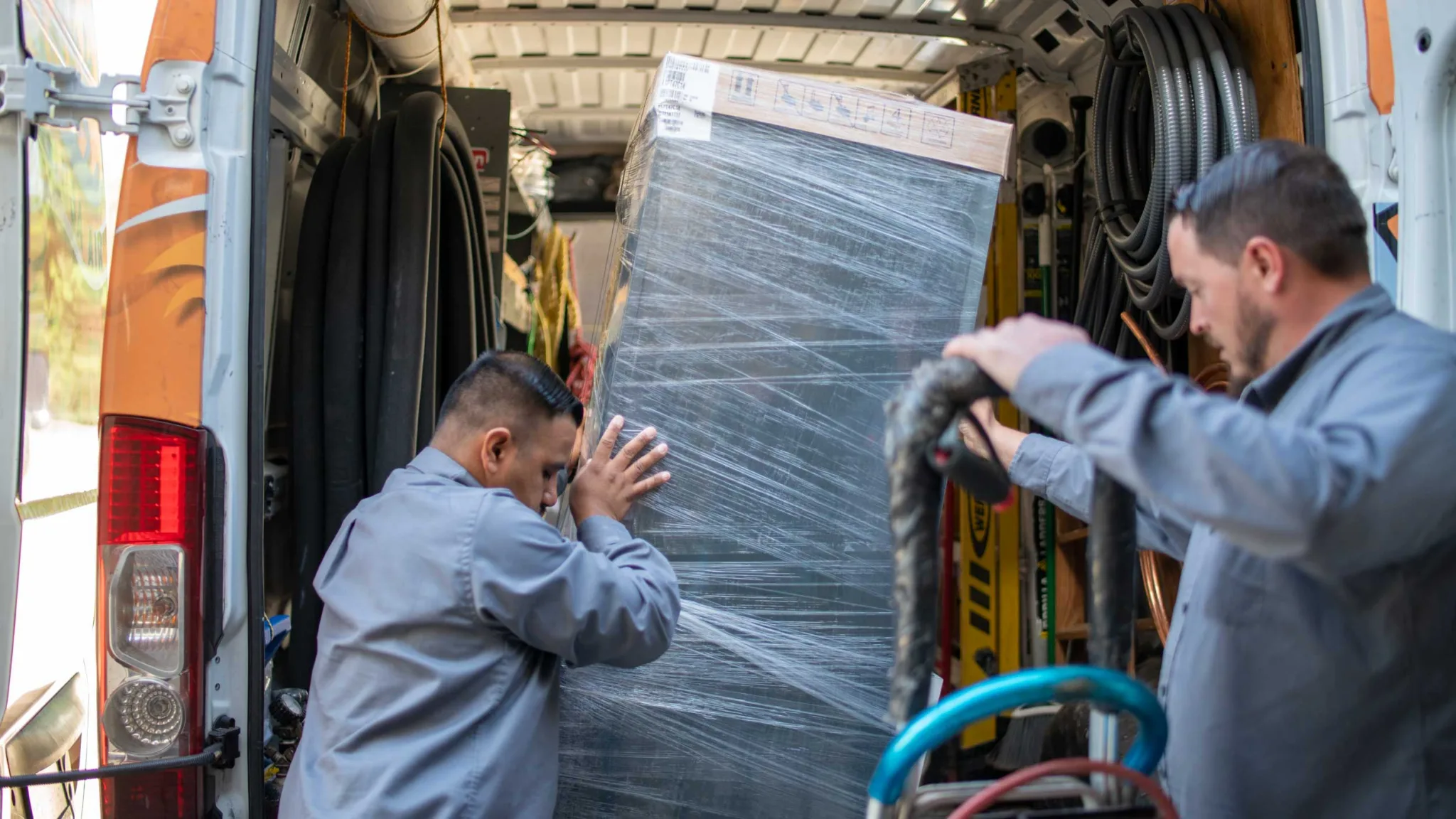
Modern HVAC
Modern day HVAC is divided into three major residential system types. Although there are three categories there are endless configurations.
The three major categories for residential HVAC systems are electrical systems, heat pump systems, and gas systems.
These three categories include numerous different options in configuration and components, so lets break those down.
Electrical Systems
Electric HVAC systems are some of the most common systems installed. These systems are a reliable way to heat and cool our homes, offices, and other indoor spaces. They make use of electricity to power an air-conditioning system that can both heat and cool a space through the process of circulating air. This is done by using a variety of components, such as an air handler, compressor, fan coil unit, evaporator coil or condenser coil.
Key Differences
The major difference you will see between this type of system and the other types below is how they create heat. Electrical systems create heat by energizing a coil of metal, then blowing air through this coil. Each year during the warmer months your heater remains inactive and dust can sometimes build up on these coils. This is why you get that distinctive burning smell the first time you turn the heat on each year, don’t worry if your smoke alarm goes off either, this is completely normal. If your smoke alarm continues to go off for hours after the heat has been activated call a professional right away.
Key Similarities
On the cold side of the system you’ll see that the primary components of an AC unit are typically the same across these three variations. The key components are the compressor, condenser coil, evaporator coil, metering device(Thermostat) and blower motor. When powered on, the compressor pulls refrigerant gas from the evaporator coil located inside the building. The coolant gas is then compressed into a liquid state before being transferred to the condenser coil outside where heat is released into the atmosphere by the fans in that loud box outside your home. This liquid gas is pumped back into your Evaporator Coil in your inside unit and decompressed causing the liquid to expand into a gas and absorb heat. Much like an ice cube melting in a drink, when water transform from a solid to a liquid it absorbs heat. This absorption makes your ice cubes melt and your drink colder. In the same way the gas expanding absorbs heat makes the pipes cold. Air is drawn through those cold pipes by your blower motor delivering cold air to your home through your ducts.
This cooling process is relatively the same for each of the other two types of systems we’ll discuss below.
Heat Pumps
Heat pump systems actually work exactly the same as their electrical cousins do, but with one major difference. We already explained that the electrical system provides heat by energizing a coil with electricity and that it cools by compressing refrigerant and decompressing it resulting in hot air outside and cold air inside, but what if you reversed that cooling process? You could take the cold air outside and bring the warm air inside. That is exactly what a heat pump system does. By simply reversing the process the machine is able to create hot air in your home and push all of the cold air outside of your home.
Gas Systems
Lastly we have gas systems and I’m sure by this point many of you will have a good guess at the difference in gas systems from the two above. The cooling side of a gas system is identical to that of an electrical system. The heating portion of the unit, however, is powered by combustible gas that is burned in a furnace to heat your home. Air is blown thru this furnace and heat is delivered through the ducts.
Other Options
This is a very simple break down of the three major system categories, but there are also alternative solutions for different applications. For example, Mini splits are similar to their Electric System cousins in the fact that they are simply smaller versions of the same machine. They are simply designed to cool smaller spaces. One key difference is that because of their size they run without ducts.
There are many other ductless options and even some bigger commercial options like RTU’s (Roof Top Units).
But overall they all essentially work in the same way.
Unique Solutions
In some areas “swamp coolers” are used to cool homes. Swamp Coolers use the original design from Benjamin Franklin to naturally cool a space with water and evaporation. This unit is unlike any of the above units in this regards and could technically be considered a forth category, however it isn’t used often. Read more about the origins of Air Conditioning (Ben Franklin) in our Article, What Does HVAC Stand For?
Learn About The Signs Of When Your System Will Need Replacing
Being prepared makes a huge difference, no one wants to be caught off guard. Learn about HVAC Systems and how to know if yours might need to be replaced soon and how to be prepared for when it does.
Or Call And Speak To One Of Our Pros!
Need A New System?
If you’re looking to replace your system and want to learn more about different options, please give our office a call. We would be happy to give you more information or send a technician out to your home to give you a free estimate and explain what would be the best options for your home.
What Does The Term HVAC Stand For?
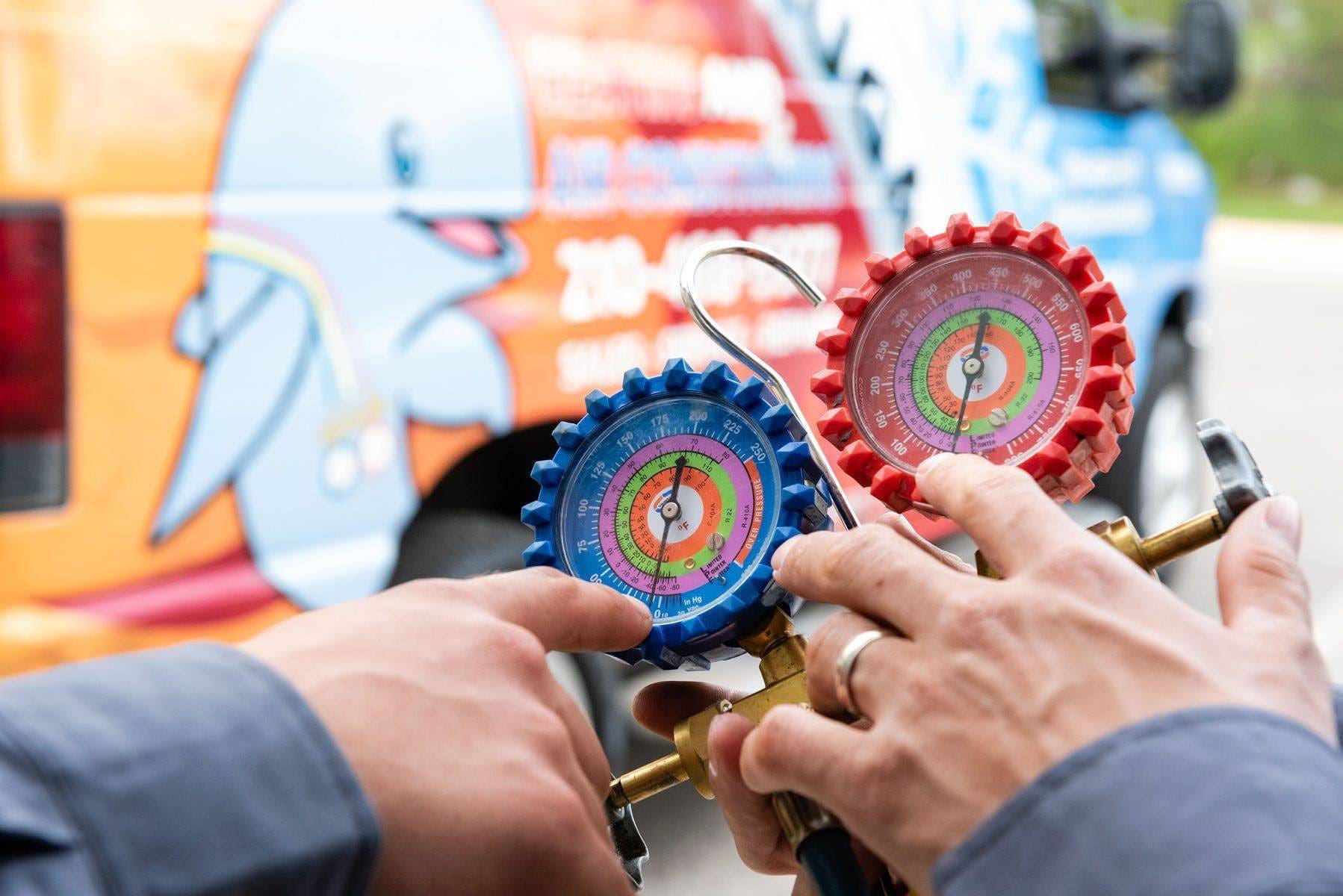
Have you ever found yourself wondering what HVAC stands for? You’re not alone; many people aren’t aware of the meaning of this acronym. HVAC stands for Heating, Ventilation, and Air Conditioning. This term is used to describe devices that regulate temperature in both domestic and commercial buildings. HVAC technology has been around since ancient times. That said, modern designs have made it much more efficient for controlling the environment within a structure.
The concept of HVAC dates back centuries ago, with the first recorded use in Ancient Greece.
Ancient Versions Of HVAC
HVAC is a term that we hear often today, but how did this technology come to be? The concept of HVAC dates back centuries ago, with the first recorded use in Ancient Greece. During this time, ventilation through natural means was used as a way to keep buildings cool and comfortable during the hot summer months.
The ancient Greeks would use wind towers and sun-facing windows to draw in cooler air from outside. This process created an effective system for cooling and ventilation that was adapted by many cultures over time.
Today, HVAC systems have evolved far beyond the basics introduced by the Greeks all thanks to the United States.
The Origins of Modern HVAC
Did you know Ben Franklin invented modern air conditioning in the Philadelphia?
The phrase ‘air conditioning’ was coined in the early 20th century, but the concept of air conditioning is much older. Benjamin Franklin, one of the Founding Fathers of America, was a pioneer in HVAC technology. He invented an air-conditioning system to regulate the temperature in his Philadelphia home.
Franklin’s cooling system was simple and relied on natural convection. To cool a room down, he would first open windows on opposite walls to allow airflow across the room. Then he filled a cistern with cold water and placed it next to an open window on one side of the room. Then the cold water was funneled through pipes into another room as a secondary cooling system. This method created cool air that circulated throughout his home.
Carriers Invention
In 1881, Willis Carrier designed an air-conditioning unit specifically for industrial purposes that would later become a key component in modern HVAC systems. His invention was a game changer for industrial and commercial businesses as it allowed for much more efficient ways to cool and heat buildings. Carrier designed an air-conditioning unit specifically for industrial purposes. Later this became the foundation of HVAC systems. This unit provided businesses with an affordable way to maintain a comfortable temperature year-round while also providing improved ventilation throughout their facilities.
Carrier’s innovation has been instrumental in the advancement of HVAC technology over the last century plus. In addition to being able to provide comfort cooling during hot summer months, his invention also made it possible to control humidity levels in commercial settings.
These two great American men laid the foundations for modern technology to create the units you see in your homes today. We now have Heat Pump Technology that allows us to use one unit to both cool your home in the summer and warm your home in the winter.
Learn About the Modern Use Of UV Lights To Extend The Life Of A Unit Or Click to read some of our other articles to learn even more about HVAC Units.
To learn About the type of units we have today click to read our Article. What Types of HVAC Systems Exist Today?
Need to book service, or have a request? Call to speak with one of our pros!
Connect with us


- May 2026
- April 2026
- March 2026
- January 2026
- December 2025
- November 2025
- October 2025
- September 2025
- August 2025
- July 2025
- January 2025
- June 2024
- April 2024
- March 2024
- February 2024
- January 2024
- December 2023
- November 2023
- October 2023
- September 2023
- August 2023
- July 2023
- June 2023
- May 2023
- April 2023
- March 2023
- February 2023
Archives
Learn More
License: #TACL087165E
Location
240 Sherwood Drive
San Antonio, TX 78201