• Beluga Air

Blog / Heat

When Should You Consider Upgrading to a Heat Pump?

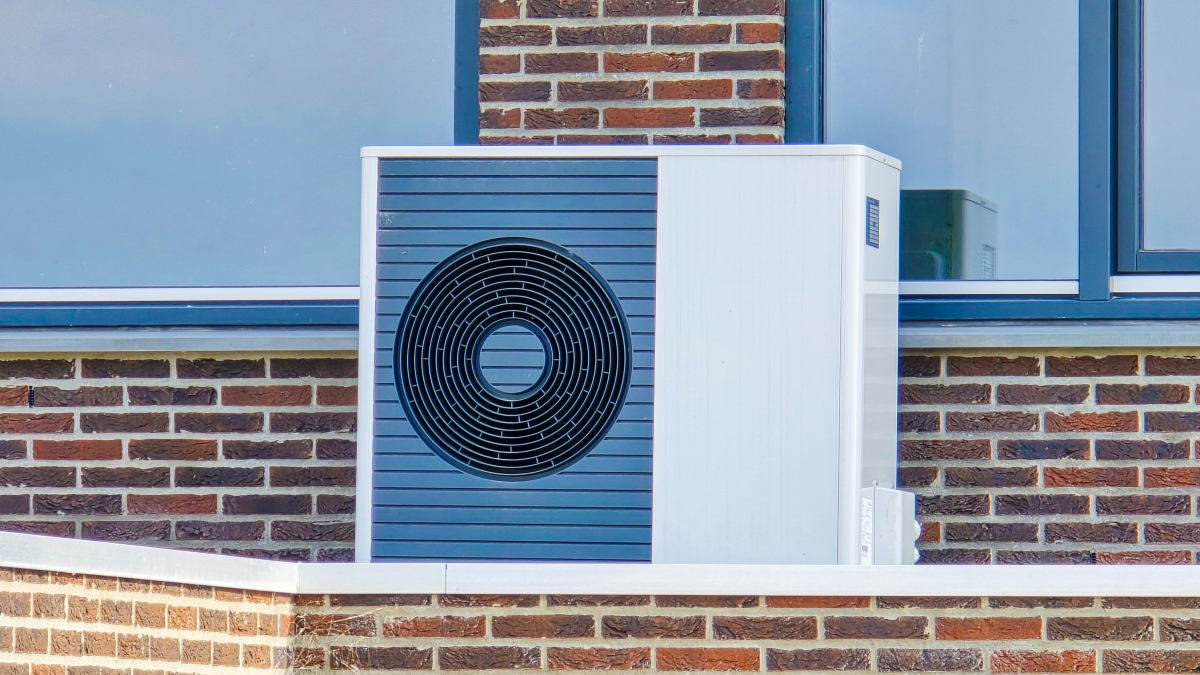
heat pump installation in San Antonio with Beluga Air
It's time to think about a heat pump upgrade when the equipment you already have is approaching the end of its useful life, when a replacement you would have to buy anyway can do two jobs instead of one, or when things are just getting too expensive to run. A well-maintained heat pump typically lasts about ten to fifteen years, and sometimes longer if you get regular servicing from your San Antonio, TX HVAC professionals.

When Should You Consider a Heat Pump Upgrade?

When You Need to Replace Your Air Conditioner or Furnace

In cooling mode, a heat pump is an air conditioner, and the extra cost of a heat pump over a comparable new air conditioner is minimal. If your current air conditioner is more than about ten years old, or if you have a furnace that's older than fifteen, this is a natural moment to look at a heat pump that can provide both winter warmth and summer cooling rather than buying another single-purpose machine.

When It's Going to Save You Money

Climate and fuel prices will help you decide whether the upgrade will pay for itself in lower operating costs. When winter lows typically don't fall below the mid-twenties Fahrenheit much of the time, a modern heat pump runs at a coefficient of performance well above one, which means it moves several units of heat for each unit of electricity it consumes.

That makes a heat pump a particularly great choice in the South, the Mid-Atlantic, and along the Pacific coast, and why it is attractive here in Texas. By BTU, a heat pump can usually cut annual heating costs by hundreds of dollars in homes in our area.

When Your Home Is Right for It

A leaky, poorly insulated house works against any heating system, but blowing air heat has even more trouble with these issues than radiated heat. The heat pump will still heat the rooms if it is large enough, but it will run longer, cost more to operate, and may force a larger electrical service than a tighter house would need.

If this describes your house, consider getting air sealing and insulation first. Also, a heat pump needs a dedicated 240-volt circuit. Older homes on a 100-amp service, or panels with no spare breaker spaces, may require a panel or service upgrade before the outdoor unit can be energized.

When the Timing Is Right

An emergency replacement in midwinter or midsummer doesn't leave you with much room to compare quotes or choose the perfect machine. Spring and fall are the slower seasons for contractors, so if you plan now for those times, you'll have plenty of time to compare numbers, talk to us about the right choice for your home, and take your time.

Talk to Us for Service or Installation in San Antonio, TX

If you're considering a heat pump, contact us today at Beluga Air here in San Antonio, where we've been offering five-star service to the area since 2018. We're a family-owned business dedicated to serving your family.
Posted in:

Related Posts

Stay Warm Sa This Winter

Winter In SA: Stay Warm With Your HVAC System 2024

Introduction Welcome, San Antonio residents, to the chilly embrace of winter! As the mercury dips and your breath turns into a frosty spectacle, it's time to discuss a crucial ally in the fight against the cold: your HVAC system. It's not just about avoiding a case of the shivers; a dependable heating system is your ticket to a cozy winter wonderland right at home. This article is your trusty guide, aiming to arm you with top-notch tips on keeping snug as a bug with your HVAC system all winter long. So, let's fire up that furnace and make sure your home remains a warm haven in the heart of Texas. Tips for Keeping Warm with Your HVAC System During The Winter As the temperature dips in San Antonio, your HVAC system becomes your best friend, wrapping you in a cozy layer of warmth. To get the most bang for your energy buck, set your thermostat at a comfortable yet efficient 68°F during winter chill. This sweet spot balances comfort with energy savings, ensuring you're not sweating the heating bills. Set that thermostat wisely, and watch the savings roll in. Remember, ceiling fans aren’t just for summer breezes. Reversing the direction creates an updraft, sending the warm air that's risen back down to cozy up your living space. Employ these tips, and you’ll turn your home into a snug sanctuary against the crisp San Antonio winter, all while keeping the energy bills from sending a chill down your spine. Alternative Heating Options for The Winter Let's face it, weather can be as unpredictable as a game of Texas Hold'em, and San Antonio winters occasionally throw us a chilly curveball. When the mercury takes a nosedive and the power grid decides to play hide and seek, you'll want to have a warm ace up your sleeve. Power outages during extreme weather conditions can leave you shivering unless you're prepared with some alternative heating options. A trusty generator can be a real game-changer, keeping your essential appliances running and the frostbite at bay. Nothing says cozy like the crackle of a fireplace. Ensure yours is in good working order, and you'll not only have warmth but a hypnotic dance of flames to gaze at. Remember, the key is to have a backup plan for those times when even the best HVAC systems need a little help from their friends. By considering these alternatives, you’re not just planning for warmth, you’re also ensuring peace of mind during the winter's unpredictable escapades. Conclusion As the chill of winter whispers through the streets of San Antonio, it's clear that a robust HVAC system is more than a household feature—it's your personal sentinel against the cold. We've journeyed together through a flurry of tips designed to keep you snug and your energy bills in check. Remember, setting your thermostat to the sweet spot, leveraging the wizardry of a programmable thermostat, and giving a whirl to those ceiling fans can make all the difference in creating a warm haven. In the rare event that Jack Frost gets a bit too mischievous, and power outages play the grinch, having a fireplace to kindle or a generator to power up can save the day. It's not just about staying toasty; it's about ensuring peace of mind with a solid backup plan for those unpredictable, frosty curveballs. Armed with these insights, let's march confidently into winter. Take these proactive measures to heart and let your HVAC system be the unspoken hero of your cozy, energy-efficient home during this San Antonio winter season. Stay warm, stay wise, and let the cold stay outside where it belongs!

space heater

Save Money And Energy, Are Space Heaters Actually More Cost-Effective in 2023?

In today's world, energy efficiency has become a top priority for many households. With the rising cost of utilities, it's more important than ever to find ways to save money on heating costs. Although electric space heaters have gained popularity, they may not be the best option when it comes to long-term cost and energy savings. In this article, we will discuss the inefficiency of electric space heaters and the benefits of central heating. By understanding the differences between these two heating options, you can make an informed decision that will save you money and help reduce your environmental impact. So let's take a closer look at the cost and energy savings of central heating compared to electric space heaters and why choosing the right heating method is crucial for both your wallet and the planet. Electric Space Heaters Electric space heaters are a popular choice for providing heat in homes and offices. They are convenient, portable, and can quickly warm up a room. Their main advantage is heating up rooms individually, while other rooms stay cold. However, despite their benefits, these heaters are actually very inefficient & can also pose significant safety risks. One of the main concerns with electric space heaters is their inefficiency. These heaters use a lot of energy to produce heat, making them expensive to operate. The average Space heater uses between 1500-2000 Watts to heat a single room in your home. They also require a constant supply of electricity, putting a big strain on the electrical system and potentially causing power outages like the Texas-wide outages in 2021. In addition to their inefficiency, space heaters can also be hazardous to the safety of those around them. Children are particularly at risk of getting burned by touching or getting too close to the heater's hot surface. This can result in serious injuries, including burns and even electric shocks. Space heaters can also be a potential fire hazard if not used correctly. They should never be placed near flammable materials, such as curtains or furniture, and should always be monitored while in use. Failure to follow these safety precautions can lead to a fire. In conclusion, while electric space heaters can provide warmth and comfort, it is crucial to understand their inefficiencies and the safety hazards they present. It is essential to use them responsibly, follow safety guidelines, and always be vigilant to prevent any potential accidents or injuries. When looking for a space heater it's important to look for modern features like, shut-off switches to prevent fires, Cool touch covers to prevent accidental burns, Thermostats settings to turn off the heater when your desired temperature is reached, a fan to circulate the heat created, and higher efficiencies. The Benefits of Central Heating Central heating offers many advantages over electric space heaters. One of the biggest benefits is the ability to heat an entire house, rather than just one room. This means a more comfortable living environment for everyone in the household. Additionally, modern central heating units are more energy efficient, resulting in lower utility bills. A Modern High-efficiency HVAC System can heat your entire home for around 1200-1800 Watts. Central heating units are tucked away either in an attic or a designated closet space protecting little ones from potential burn risks. They are also equipped with sensors to shut down the system before fires can occur. There are different types of central heating units such as forced air, radiant, and geothermal, allowing for options that fit individual needs and preferences. These units also often come with programmable thermostats, allowing for better control over heating and potentially even more energy savings. Choosing central heating over electric space heaters also means fewer safety concerns and less need for maintenance. Overall, the long-term cost and energy savings of central heating make it a more efficient and practical choice for heating a home. Conclusion In conclusion, choosing central heating over an electric space heater can lead to significant cost and energy savings in the long run. While space heaters may seem like a convenient and affordable option, their inefficiency and limited heating capabilities can result in higher utility bills. On the other hand, central heating units provide whole-house heating and are more energy efficient. Additionally, there are various types of central heating units to choose from, such as forced air, radiant, and geothermal, which offer different benefits and cost savings. It is important to consider other factors, such as maintenance costs and safety concerns when making the decision. Furthermore, the size and layout of a home should also be taken into account. With potential rebates and incentives available, switching to a more energy-efficient heating option can also have a positive impact on the environment. Overall, it is essential to carefully research and consider all factors before deciding on a heating method for maximum cost and energy efficiency.

Cold Front Ensure Your Heater Is Ready

Cold Front Is Coming: How To Ensure Your Heater Is Ready SA

Introduction As the temperatures start to drop in San Antonio, it's important for homeowners to prepare their heaters for the upcoming cold front. With the forecast predicting a significant temperature drop in the coming days, it's crucial to ensure your heater is ready to keep you warm and comfortable. This article aims to provide tips and information on how to get your heater ready for the cold front, so you can stay cozy during the chilly weather. By taking a few simple steps, you can ensure that your heater is running efficiently and effectively, avoiding any potential heating issues. Let's discuss how you can prepare your heater for the temperature drop in San Antonio. Understanding the Cold Front Heading to San Antonio The weather forecast for the upcoming days in San Antonio has been predicting a significant temperature drop due to the arrival of a cold front. This sudden change in temperature can catch homeowners off guard, especially if their heaters are not prepared to handle the cooler weather. What is a Cold Front and How Does it Affect San Antonio? A cold front is a weather phenomenon where a mass of cold air moves into an area that is warmer. This results in lower temperatures, high winds, and the possibility of rain or snow. In San Antonio, this means a significant drop in temperatures, which can be uncomfortable and even dangerous if not prepared for. As temperatures drop, your heater will have to work harder to keep your home warm, which can lead to potential issues if it is not well-maintained. Preparing Your Heater for the Cold Front Before the cold front hits San Antonio, it is important to make sure your heater is ready to keep you warm and comfortable. Here is a checklist of tasks to complete before the temperature drops: Check and replace air filters: Clogged or dirty air filters can restrict airflow and put strain on your heater, resulting in it working harder and less efficiently. Clean and service your heater: Dust and debris can accumulate in your heater over time, causing it to work harder and potentially breakdown. Getting it cleaned and serviced before the cold front arrives can ensure optimal performance. Hire a professional HVAC technician: For a thorough inspection and maintenance of your heater, consider hiring a professional. They have the expertise and tools to detect and fix any potential issues before they become costly repairs. By completing these tasks, you can ensure your heater is in top condition to handle the cold front in San Antonio. Not only will this prevent any discomfort, but it can also save you money in the long run by improving energy efficiency and avoiding costly repairs. Don't wait until the last minute, prepare your heater now for a warm and cozy winter. Advantages of a Well-Maintained Heater A well-maintained heater not only ensures a warm and comfortable home during the upcoming cold front in San Antonio but also brings numerous long-term benefits. Regular maintenance of your heating system can significantly prolong its lifespan, saving you money on expensive repairs or replacements. It also helps to improve the efficiency of your heater, resulting in potential savings on energy bills. Additionally, a well-maintained heater reduces the risk of unexpected breakdowns and keeps your home safe from potential hazards. By taking care of your heater before the cold front hits, you can enjoy a cozy winter without worrying about any heating issues. Don't wait until it's too late, make sure to schedule a maintenance check or clean your heater before the temperature drops. Your future self will thank you! Conclusion The cold front heading to San Antonio is a reminder that winter is just around the corner. As the temperature drops, it is crucial to ensure that your heater is ready to keep you warm and comfortable. By following the tips provided in this article, homeowners can prepare their heaters for the upcoming cold front and avoid any potential heating issues. Remember to check and replace air filters, clean and service your heater, and consider hiring a professional technician for a thorough inspection. Taking care of your heater now can not only provide immediate benefits but also lead to long-term savings on energy bills and repairs. Don't wait until the cold front arrives, take action and get your heater ready for a cozy winter in San Antonio.

Get your free quote!

Call 210-468-6117 or fill out the form below