
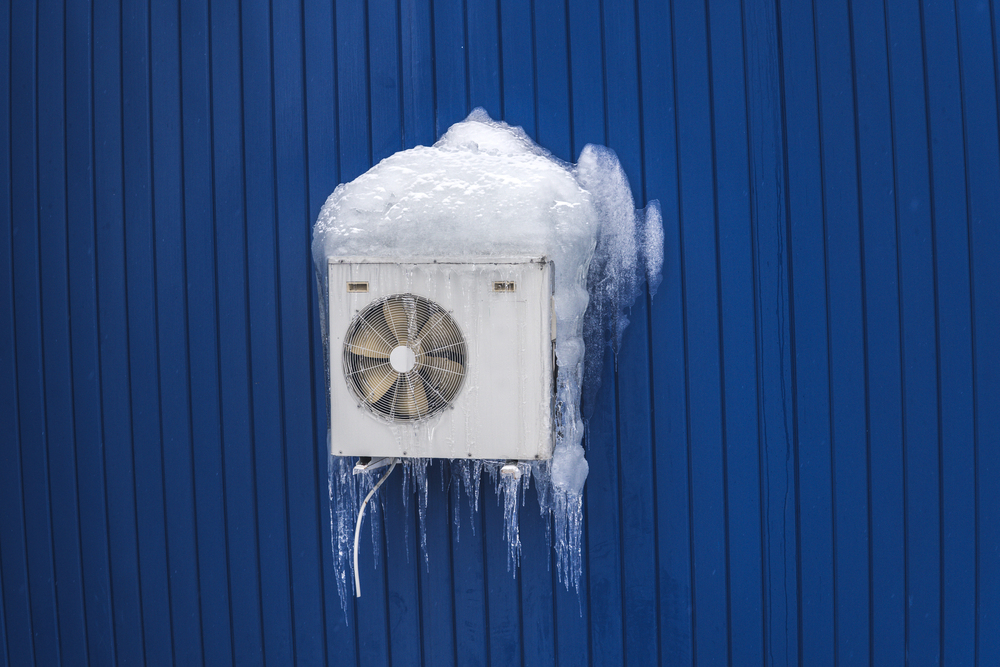
An HVAC system tends to break down or fail to perform effectively during extreme weather because these conditions push the equipment beyond its normal design limits. Most residential HVAC systems are engineered for typical seasonal temperatures, so if we have prolonged extreme highs or lows here in San Antonio, this can be too much for the system, and you end up having to make HVAC repairs.
Why HVAC Systems Break Down During Extreme San Antonio Weather
Extreme Heat
Air conditioners work by moving heat from indoors to outdoors, so in very hot weather, this process becomes much harder. The system just doesn’t get any breaks when the temps soar over about 95°F and stay there continuously. This often leads to overheating of key components like the compressor, fan motors, and electrical parts. Overwork can also cause the compressor to seize or lead to a blown capacitor or thermal shutdown.
Standard AC units are typically designed to cool your home to about 20°F below the outdoor temperatures. If it’s 105°F outside, the best they can realistically achieve indoors is ~85°F, even running full blast, but most people would prefer temps to be closer to 70°F. Trying to force that overloads the system.
A final piece of the puzzle is if you haven’t had proper service on your HVAC. The restricted airflow from dirty filters or coils or low refrigerant levels can cause the coils to ice up, which blocks its cooling power entirely.
Extreme Cold
Heating systems face different challenges, especially heat pumps, which extract heat from outdoor air. Heat pumps lose their efficiency dramatically when temps go below 40°F, and especially when they go below 25°F. There’s very little heat left in the outdoor air to extract. Below 0°F, many standard heat pumps struggle significantly or switch to less-efficient backup electric resistance heating.
On regular HVAC systems, moisture on the outdoor coils can freeze, which blocks the airflow and stops heat transfer. The defrost cycle may fail or not keep up, and then the system shuts down or just blows cold air. Gas furnaces end up running longer cycles in the cold, and, again, if maintenance isn’t on point, then dirty filters and restricted airflow will strain the whole system.
Importance of Maintenance
Many breakdowns happen because underlying issues get exposed when the weather turns nasty, in either direction. If the air filters and coils are dirty or clogged, you get restricted airflow, overworking units, and overheating or freezing. When refrigerant levels drop because of leaks, you get poor heat transfer.
When the equipment is old and unmaintained, the worn-out parts are the first to fail. And if you already have either an oversized or undersized unit or poor insulation, the inefficiencies will be multiplied by extreme temps.
Call Us for HVAC Repairs and Maintenance
Extreme weather doesn’t usually “break” a well-maintained system, but it does accelerate wear, reveal neglect problems, and push the components past their safe operating limits. That often results in failure when you need the system most, especially if you haven’t been maintaining it. For everything you need so you can rely on your HVAC system in any weather, call Beluga Air now in San Antonio.
Connect with us


- September 2026
- August 2026
- July 2026
- June 2026
- May 2026
- April 2026
- March 2026
- January 2026
- December 2025
- November 2025
- October 2025
- September 2025
- August 2025
- July 2025
- January 2025
- June 2024
- April 2024
- March 2024
- February 2024
- January 2024
- December 2023
- November 2023
- October 2023
- September 2023
- August 2023
- July 2023
- June 2023
- May 2023
- April 2023
- March 2023
- February 2023
Archives

Learn More
License: #TACL087165E
Location
240 Sherwood Drive
San Antonio, TX 78201