

• Beluga Air

Blog / HVAC Repairs

Blog

All HVAC Repairs HVAC Air Conditioning Indoor Air Quality Heat Beluga Air Service Insulation San Antonio HVAC Service HVAC Air Scrubbers HVAC Thermostat
HVAC Refrigerant Leak Detection in Texas.

What Are the Signs of a Refrigerant Leak in Your System?

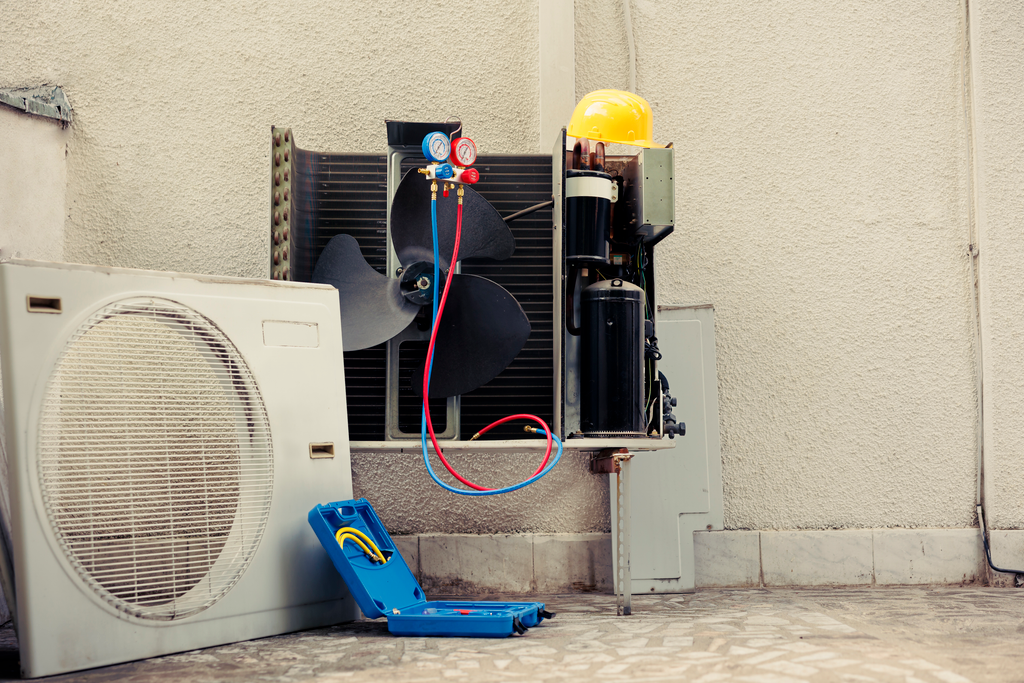
If you're noticing that your San Antonio home isn't staying cool like it used to, a refrigerant leak could be the culprit. Proper refrigerant leak detection can catch the problem before it gets worse. What's the Refrigerant Do? Refrigerant is what absorbs heat from the indoors and then releases it outside through a closed loop of coils and lines. When refrigerant levels drop because of a leak, your AC starts working harder, but it actually delivers less cooling power. You get the worst of all worlds: warm air coming from the vents, higher bills because the system is running longer, and potential damage to expensive components like the compressor. more Refrigerant Leak Detection Our technicians use several tools to find leaks, which can be tricky to locate. First, there's electronic detectors. These can actually find refrigerant molecules in the air. We sweep probes along the lines, coils, and connections to see if there's any refrigerant gas out there, and these devices can pick up even small leaks that could otherwise be missed. We'll also do a visual inspection for any oily residue around fittings or on the floor near the indoor unit. Refrigerant often leaves greasy stains. We'll also listen for a hissing or bubbling noise, which is usually caused by escaping gas under pressure. We can also pressure test with nitrogen or use ultrasonic tools in some cases or even add a UV dye that glows under blacklight if we need to reveal an exact, tricky spot. Why Leaks Happen Think about your copper lines and coils. They have to deal with constant heat, humidity, and the occasional storm, and these all take a toll. And over the course of years, the tiny vibrations from the unit running start to loosen some of the connections. Formic acid corrosion gradually eats pinholes in the tubing, and poor installation or physical damage can also be a problem. Refrigerant doesn't get “used up” by normal operation, so if it's low, that means it has escaped somewhere. Preventing Leaks Good maintenance is the most important way to stop leaks. Schedule annual or semi-annual service so our technicians can clean the coils, check all the connections, and measure pressure levels. All that will allow us to spot if there are weak spots before the refrigerant escapes. And if we're there to always keep proper insulation on the lines, that'll greatly reduce condensation-related corrosion. Finding a leak early on will also keep your expenses down because a small leak repair costs a lot less to fix than a full compressor replacement or a revamp of the entire system. Plus, higher bills from inefficiency will add up fast in summer. Maintenance plans spread the costs out and keep them manageable, predictable, and as small as possible. If you spot any signs that your refrigerant is leaking, reach out to us here at Beluga Air today. We're San Antonio's trusted HVAC products and service company. Our techs are licensed, fully insured, background-checked, and go through weekly training to stay on top of the game.
HVAC Breakdowns and Repairs in South Central Texas.

Why Do HVAC Systems Break Down During Extreme Weather?

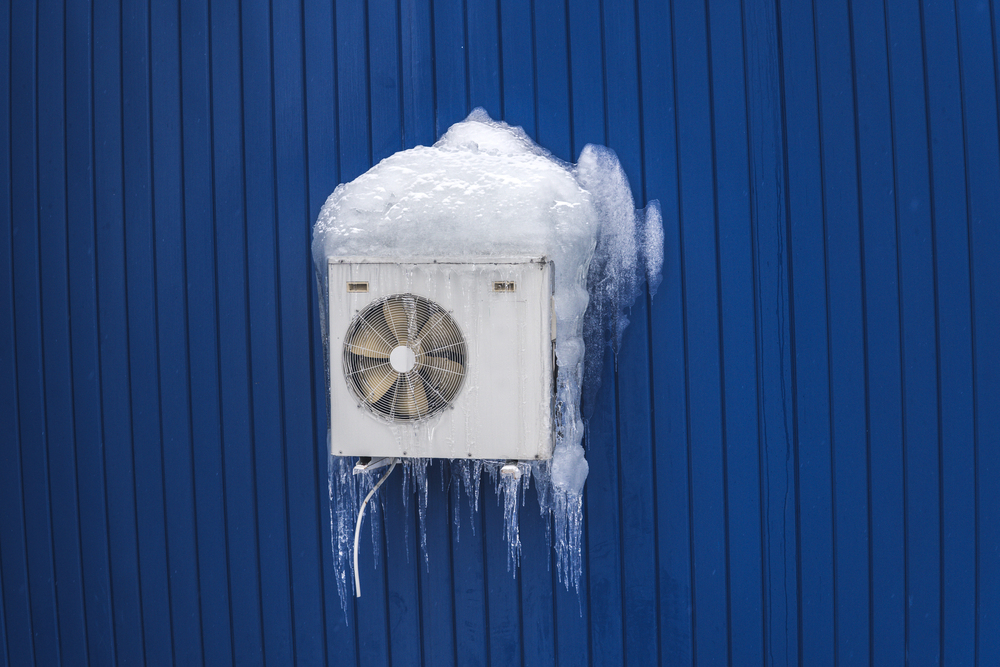
An HVAC system tends to break down or fail to perform effectively during extreme weather because these conditions push the equipment beyond its normal design limits. Most residential HVAC systems are engineered for typical seasonal temperatures, so if we have prolonged extreme highs or lows here in San Antonio, this can be too much for the system, and you end up having to make HVAC repairs. Why HVAC Systems Break Down During Extreme San Antonio Weather more Extreme Heat Air conditioners work by moving heat from indoors to outdoors, so in very hot weather, this process becomes much harder. The system just doesn't get any breaks when the temps soar over about 95°F and stay there continuously. This often leads to overheating of key components like the compressor, fan motors, and electrical parts. Overwork can also cause the compressor to seize or lead to a blown capacitor or thermal shutdown. Standard AC units are typically designed to cool your home to about 20°F below the outdoor temperatures. If it's 105°F outside, the best they can realistically achieve indoors is ~85°F, even running full blast, but most people would prefer temps to be closer to 70°F. Trying to force that overloads the system. A final piece of the puzzle is if you haven't had proper service on your HVAC. The restricted airflow from dirty filters or coils or low refrigerant levels can cause the coils to ice up, which blocks its cooling power entirely. Extreme Cold Heating systems face different challenges, especially heat pumps, which extract heat from outdoor air. Heat pumps lose their efficiency dramatically when temps go below 40°F, and especially when they go below 25°F. There's very little heat left in the outdoor air to extract. Below 0°F, many standard heat pumps struggle significantly or switch to less-efficient backup electric resistance heating. On regular HVAC systems, moisture on the outdoor coils can freeze, which blocks the airflow and stops heat transfer. The defrost cycle may fail or not keep up, and then the system shuts down or just blows cold air. Gas furnaces end up running longer cycles in the cold, and, again, if maintenance isn't on point, then dirty filters and restricted airflow will strain the whole system. Importance of Maintenance Many breakdowns happen because underlying issues get exposed when the weather turns nasty, in either direction. If the air filters and coils are dirty or clogged, you get restricted airflow, overworking units, and overheating or freezing. When refrigerant levels drop because of leaks, you get poor heat transfer. When the equipment is old and unmaintained, the worn-out parts are the first to fail. And if you already have either an oversized or undersized unit or poor insulation, the inefficiencies will be multiplied by extreme temps. Call Us for HVAC Repairs and Maintenance Extreme weather doesn't usually "break" a well-maintained system, but it does accelerate wear, reveal neglect problems, and push the components past their safe operating limits. That often results in failure when you need the system most, especially if you haven't been maintaining it. For everything you need so you can rely on your HVAC system in any weather, call Beluga Air now in San Antonio.

Contact Us

Fill out this form below and we'll contact you shortly
*Required Fields

Get your free quote!

Call 210-468-6117 or fill out the form below