• Beluga Air

Blog / HVAC

Blog

All HVAC Air Conditioning Indoor Air Quality Heat Beluga Air Service HVAC Repairs Insulation San Antonio HVAC Service HVAC Air Scrubbers HVAC Thermostat
We install hvac air scubbers in Alamo Heights, Texas

How Do HVAC Air Scrubbers Work, and Are They Worth the Investment?

Here in Alamo Heights, TX, we get plenty of heat and humidity, and that means mold can grow easily and allergens build up indoors because windows are closed to allow the AC to run. The answer to this problem is HVAC air scrubbers. These allow you to have fresh, clean air at all times. How HVAC Air Scrubbers Work more These devices attach to the ductwork in your home, and when the fan turns on, air gets drawn into the scrubber's chamber. Inside, a combination of ultraviolet light and a coated surface starts a reaction that changes water and oxygen molecules into active cleaners like hydrogen peroxide and hydroxyls. These cleaners then spread out into the rooms and break down bacteria, viruses, mold spores, and volatile organic compounds at the molecular level. Basic filters just trap dust, but this process actively destroys the harmful particles that are in the air as well as particles lingering on surfaces. The scrubber uses a honeycomb structure to maximize contact between the air and the reactive elements, and some models also include HEPA filters to catch larger debris before the chemical process kicks in. Best of all, the setup just runs automatically whenever your system circulates air, so you don't need a separate cleaner in every room. Understanding the Tech Ever wonder why outside air is cleaner than inside air? The sun has a lot to do with it, and that's the core tech behind these scrubbers. They use sunlight-mimicking light rays to create safe oxidizers that mimic natural outdoor cleaning processes. Once released, these oxidizers attach to pollutants and break them into harmless water and carbon dioxide. Benefits of Using Air Scrubbers The key advantage is better health through cleaner air. Scrubbers cut down on allergens like pollen and dust mites, reduce viruses and bacteria, and keep mold from growing. They also reduce odors from cooking, pets, or smoke. On top of that, having less dirt around means your HVAC equipment tends to last longer and need fewer repairs, and the efficiency improves because you need less energy to move air. Are They Worth the Investment? Scrubbers are an initial investment, and you'll also have to keep up with maintenance if you want to get all the benefits. If you forget to swap out the UV bulbs or let the filter get too full, the system won't do the job you got it to do. All that said, the benefits do really add up, and particularly if someone in your home struggles with asthma, has serious allergies, or is immunocompromised. These scrubbers get rid of up to 99% of common contaminants, which can make a huge difference to quality of life. And, over time, they make a difference in your energy bills and repair and replacement costs for the HVAC unit as a whole. Beluga Air Serves Alamo Heights, TX If you're considering a scrubber for indoor air quality improvements, want a quote or some advice, or need HVAC maintenance, contact Beluga Air in Bexar County today to learn more.

UV light is an essential component for maintaining a healthy environment.

What Are the Benefits of Installing UV Lights in Your HVAC System?

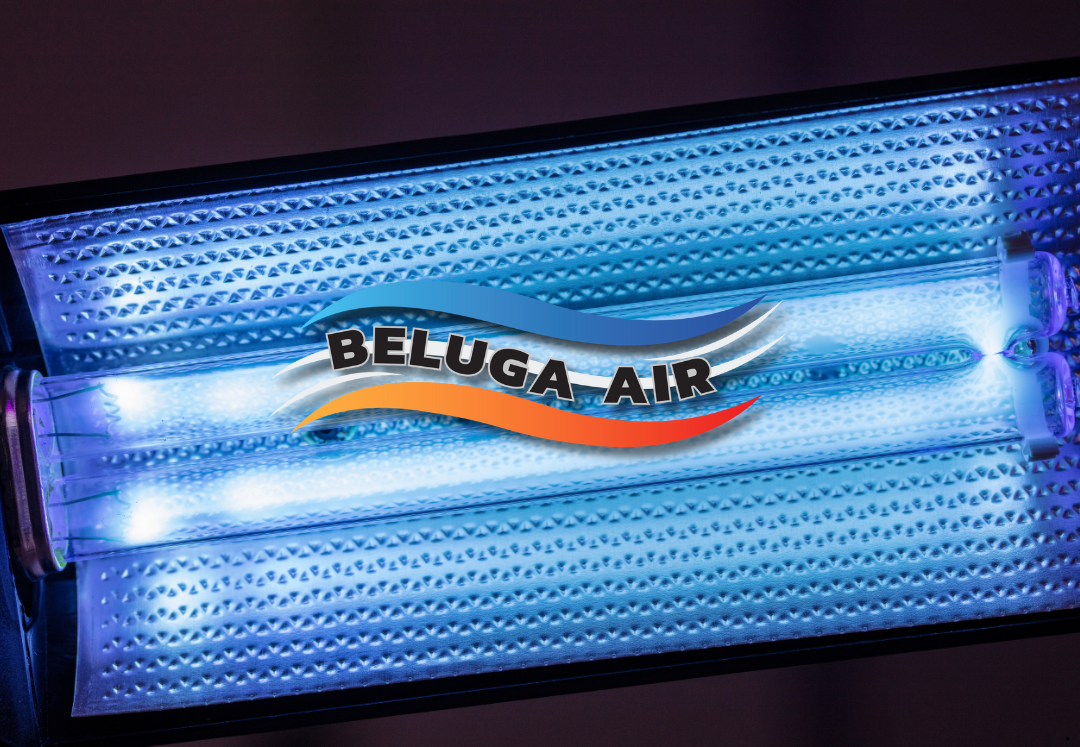
UV light is an essential component for maintaining a healthy environment. HVAC UV lights can make a huge difference to your San Antonio home. They kill bacteria and viruses before they can reach your family's lungs and control mold growth. Here's a full rundown of the benefits you can expect. The Benefits of HVAC UV Lights in San Antonio Homes Kills Bacteria more UV radiation distorts the DNA of bacteria and blocks its ability to send the protein signal that allows that bacteria to thrive. This means the bacteria eventually mutate and die. If any bacteria should manage to survive the UV light initially, the damage done to their amino acids makes it impossible for them to replicate or create the proteins they need to caused harm to us. Kills Viruses With viruses, the action is a little bit different. Again, the RNA or DNA of the virus itself is disrupted by the light, and while the virus sometimes technically remains alive, it becomes unable to infect a host cell. Tests have been done showing that UV light effectively neutralizes the viruses that cause pneumonia, E. coli, staph infections, yeast infections, and coronavirus, among many others. Destroys Mold With mold, UV light sends out high-energy photons that are absorbed by the DNA and RNA of the mold spores. This makes them unable to reproduce, so the mold eventually just dies out. To completely kill mold in one go, you have to have concentrated UV light on the pores for long enough, so the benefit of mold control with a UV light in your HVAC system is primarily that it prevents the growth of mold within the system itself, particularly the coils, pan, and ductwork, which often stay relatively moist and are otherwise prone to mold growth. Silent Protection Unlike noisy filters, UV light simply does the job without creating a lot of background noise that many people don't want in their homes. Perfectly Safe When the system is installed professionally, it's perfectly safe. The UV light is much like sunlight, but since it's all contained within the unit, there's no danger to you or your family. Technicians working on your unit should wear eye protection when the unit is open, but there's no other concern. Things to Know It's important to remember that the UV bulbs will need to be changed regularly, as they gradually lose their effectiveness. Talk with us about how often is appropriate with your unit. This can usually be done during regular servicing. It's also critical to remember that UV light doesn't affect dust and pet hair, which can be potent allergens for some people. You will still need a filter in the system to catch these types of allergens, and particularly if you have a family member with strong allergies or asthma issues. To find out what the UV light can do for you and your family, talk to us today at Beluga Air in San Antonio, TX. Our goal is to provide the best service in the city and set the standard for HVAC service.

Indoor Air Filtration for HVAC Units.

Can Improving Indoor Air Quality Help With Allergies and Respiratory Issues?

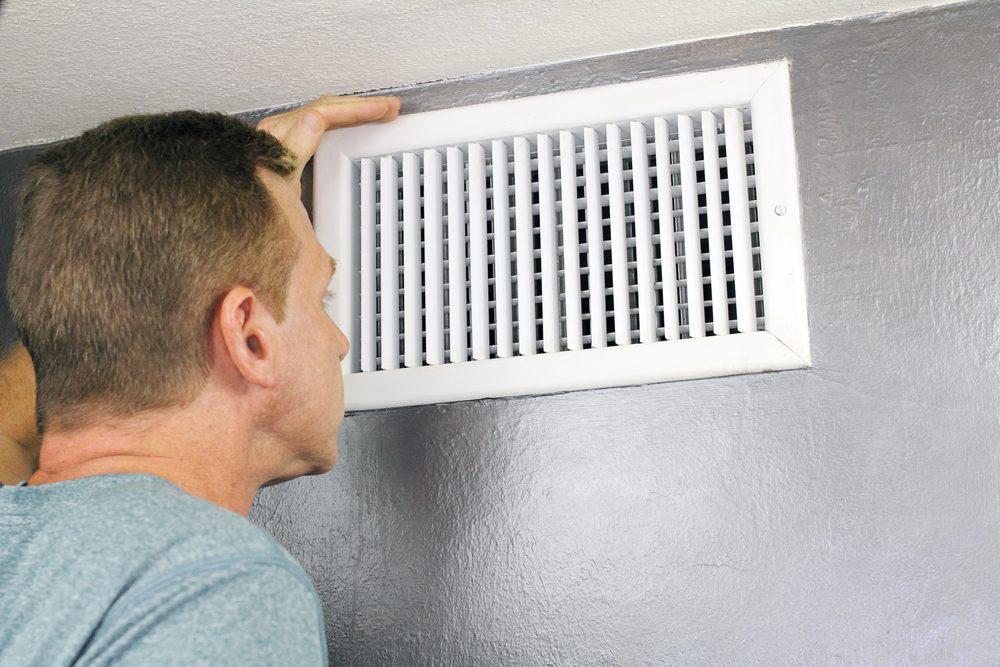
Most of us spend the majority of our time inside homes, offices, or other enclosed spaces these days, and that means the quality of the air we breathe indoors is now a critical factor in overall health. And for no one is this more true than those who suffer from allergies and respiratory issues. The good news is that improving your indoor air quality here in San Antonio is possible, and it's effective for those with respiratory concerns. Can Improving My San Antonio Indoor Air Quality Help With Allergies and Respiratory Issues? more Some of the common pollutants that lurk in our indoor air include volatile organic compounds (VOCs) released from household products like paints and furniture; biological contaminants like mold spores; and allergens, which come from dust, pests, pets. Even everyday activities that we have to engage in, like cooking, can introduce fine particles and gases into the air that irritate the lungs. These pollutants can trigger immune responses in sensitive individuals, and poor indoor air quality has been linked to a range of health problems, from mild breathing difficulties all the way up to increased hospital visits. When your indoor air is laden with irritants, your body's immune system goes into overdrive producing histamines. The lungs and airways are the first line of defense against inhaled pollutants, so chronic exposure can lead to inflammation, reduced lung function, and a higher susceptibility to infections like the flu or pneumonia. Here's how to deal with it: Get Better Ventilation One of the best things you can do is just get better ventilation: open windows when outdoor air is clean or use exhaust fans in kitchens and bathrooms. This fresh air exchange will dilute the indoor contaminants. However, if you live in a high-pollution area (like right up against a major road), you're in a building where windows can't open (like an office), or it's too hot or cold to open up (a lot of the year here!), mechanical ventilation systems with filters can achieve similar results. An HVAC system with high-efficiency particulate air filters (HEPA filters) will capture tiny particles like allergens and dust and improve life for everyone in the building. Keep Things Cleaned and Serviced Your HVAC system can do a lot, but not if it's full of dust. Regular cleanings are going to make a huge difference, but they have to be done right, without stirring up dust or driving it deeper into the system. At Beluga Air, we'll come do a careful assessment of your system, then use our advanced equipment to do a real deep clean. We don't shove dirt and dust deeper in: we remove it entirely. Then we'll sanitize your system to ensure no mold, bacteria, or their spores remain. To breathe more comfortably in your home or office, call us today at Beluga Air in San Antonio, TX. Check out our coupons section to save, and ​consider a membership with us, where you'll get your HVAC system tuned up each year along with a 10% discount, priority scheduling, two free service calls, our bio fresh ​treatment, and more.

Castle Hills HVAC Service by Beluga Air

What’s Included in an HVAC Tune-Up, and Why Does It Matter?

The health of your heating and cooling system impacts everything from monthly energy bills to your family's comfort, especially in a place like Hill Country Village & Castle Hills, TX. That is why an HVAC tune-up is such an important service. This routine maintenance step ensures that your system is running efficiently, safely, and reliably in every season. more What's Included in a Castle Hills HVAC Tune-Up? When we perform a professional tune-up, our technicians walk through a comprehensive checklist designed to catch small issues before they become costly problems. This service typically includes: Inspecting and cleaning condenser and evaporator coils Checking refrigerant levels Calibrating thermostats Tightening electrical connections Lubricating moving parts Inspecting the blower motor and belt Changing or cleaning filters Testing system controls and safety features Each of these contributes to the efficiency and longevity of your system. For example, dirty coils or clogged filters force the unit to work harder, which increases energy use and the likelihood of a breakdown. Why It Matters A properly tuned HVAC system saves money, improves indoor air quality, and gives you peace of mind. Dust, pollen, and other contaminants can build up in neglected systems, circulating through your home. During a tune-up, filters and internal components are cleaned to keep the air fresh and safe for your household. Efficiency is another key factor. Studies show that routine maintenance can lower your energy bills by reducing strain on the unit. Even small adjustments, like tightening electrical connections or calibrating the thermostat, can make a measurable difference in daily operation. Extending the Life of Your System HVAC equipment represents one of the largest investments in your home. Without regular care, parts wear down faster, leading to expensive replacements. A tune-up extends the lifespan of critical components like compressors, motors, and coils. By catching early signs of wear, technicians can make simple repairs that prevent system-wide failures later on. Seasonal Reliability Hot summers and sudden cold snaps put serious demands on HVAC systems. Having a tune-up performed in the spring and fall helps ensure your system is ready for peak use. That preparation means fewer emergency calls, less downtime, and greater comfort year-round. Added Safety and Protection Beyond efficiency, a tune-up helps keep your household safe. During the inspection, technicians check for potential hazards such as refrigerator leaks, faulty wiring, or carbon monoxide risks in systems that use gas. Early detection of these issues protects both your property and your family. Professional Expertise A tune-up is not just a quick once-over. Certified technicians use specialized tools to measure performance, detect hidden problems, and fine-tune components to manufacturer specifications. That expertise ensures that every service visit is thorough. Long-Term Value When viewed as a yearly investment, a tune-up pays for itself by reducing repair costs, lowering monthly energy bills, and extending the overall system lifespan. Rather than waiting until something breaks, proactive care ensures your system is always prepared to meet your needs. Ready to book your HVAC service? Trust our experienced team to keep your system running at its best. Schedule a tune-up with Beluga Air in San Antonio, TX. Proudly serving the entire Hill Country Village, Castle Hills and Shavano Park, TX areas!

freon a2l change (Facebook Ad)

What Texas Homeowners Need to Know About HVAC Refrigerant Changes

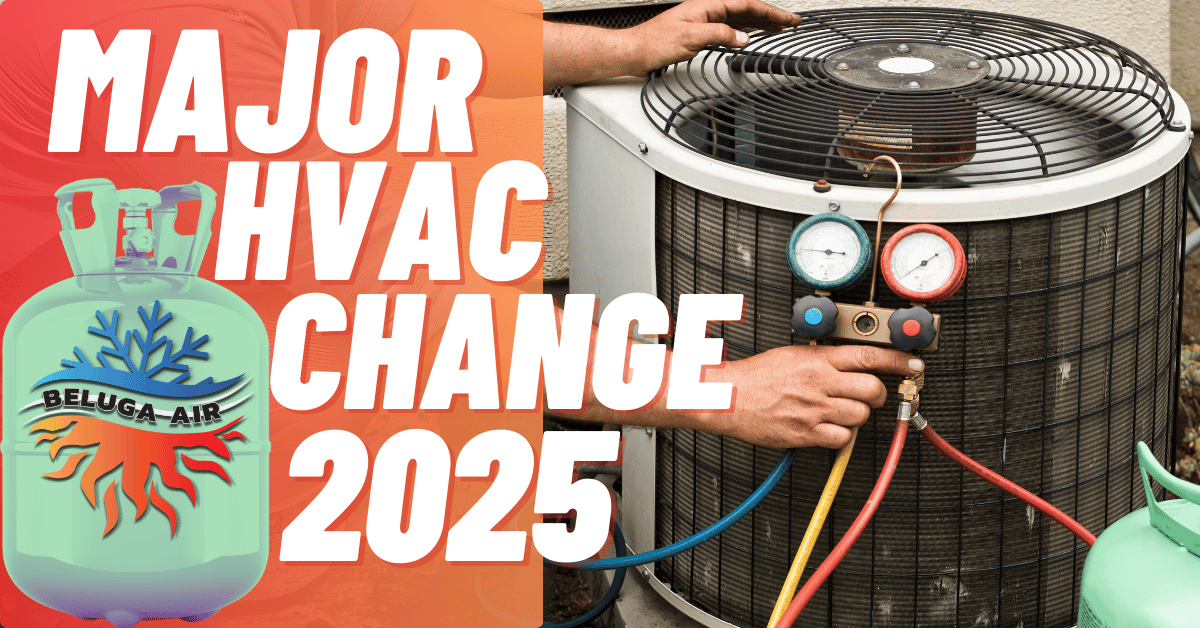
Why Is This Transition Happening? The HVAC industry is undergoing significant changes, and one of the biggest shifts is the transition away from R-410A refrigerant. Starting January 1, 2025, the manufacture of R-410A air conditioning units and parts will cease due to new Environmental Protection Agency (EPA) regulations aimed at reducing hydrofluorocarbon (HFC) emissions. By January 1, 2026, it will also be prohibited to install R-410A units. Here’s what you need to know about this transition and how Beluga Air is ready to assist San Antonio homeowners through the change. The EPA’s regulation is part of a broader effort to combat climate change by phasing out high-global-warming refrigerants like R-410A. The new refrigerant, R-32, has a lower environmental impact, better energy efficiency, and superior cooling performance—a critical advantage for hot climates like Texas. These improvements make R-32 a more sustainable choice for residential and commercial HVAC systems. Key Implications for Homeowners No Compatibility Between New and Old Systems: The upcoming R-32 units will not be compatible with existing R-410A systems. This means that parts and components cannot be mixed, requiring a full system replacement in most cases. Impacts on Building and Selling Homes: Homeowners and builders planning new construction or property sales should account for the upcoming changes. Installing an R-410A system close to the 2026 deadline may result in difficulties with repairs or resale due to the phaseout. Proactive Planning is Essential: Waiting until the last minute to upgrade could lead to higher costs and longer wait times due to increased demand for compliant systems. Proactive upgrades can ensure a smooth transition and ongoing comfort in your home. Benefits of R-32 Refrigerant R-32 offers several advantages over its predecessor: Better Cooling Performance: Ideal for Texas’ hot climate, R-32 systems cool homes more effectively. Energy Efficiency: Reduced energy consumption means lower utility bills. Environmental Impact: R-32 has a significantly lower global warming potential compared to R-410A. How Beluga Air Can Help At Beluga Air, we understand that this transition may seem daunting, but we’re here to make it easy for San Antonio homeowners. Our expert team is trained and ready to: Assess Your Current System: Determine whether an upgrade is necessary and provide guidance on the best options for your home. Provide Seamless Installations: Ensure your new R-32 system is installed professionally and efficiently. Offer Financing Options: Make the transition affordable with flexible payment plans. Learn More For more details about the EPA’s refrigerant regulations, visit these trusted resources: EPA’s Technology Transitions Overview Johnstone Supply’s A2L Refrigerant Guide Don’t wait until the last minute to prepare for these changes. Call Beluga Air today to schedule a consultation and explore your options. Let us help you stay ahead of the curve and ensure your home remains comfortable and efficient for years to come. Don't Blow Your Money, Call Beluga Air! Questions? Whale Answer Them!

Beluga Air Storms Surge Protector

Storms San Antonio: Keeping your AC Safe with Surge Protectors

Introduction Did you know that power surges during storms can cause significant damage to your AC unit? According to the National Grid, power surges are responsible for millions of dollars in damages to home appliances each year. Your air conditioning (AC) unit, a crucial component of your home comfort, is particularly vulnerable during storms due to its electrical components. AC units keep our homes cool and comfortable, especially during the sweltering summer months. However, these valuable electronics can fall prey to damaging power surges caused by lightning strikes, power outages, and other severe weather conditions. The combination of high-voltage spikes and unpredictable weather patterns emphasizes the need for adequate protection measures. This is where surge protectors come into play. These devices are designed to safeguard your AC unit from unexpected power surges, ensuring its longevity and efficient performance. This article will delve into the importance of surge protectors, how they function, and why investing in one is essential for maintaining the health of your AC unit during storms. Understanding Surge Protectors A surge protector is a device designed to protect electrical appliances from voltage spikes. It works by diverting or grounding excess electrical current, ensuring that only a safe amount of electricity reaches your devices. This process helps prevent damage to sensitive electronics, such as your AC unit, during power surges caused by storms or other electrical anomalies. There are various types of surge protectors available for AC units, each offering different levels of protection: Whole-house surge protectors: Installed at your main electrical panel, these provide comprehensive protection for all the devices in your home, including your AC unit. Point-of-use surge protectors: These are plugged directly into an outlet and protect individual devices. They are commonly used for specific appliances like AC units, computers, and entertainment systems. Combination surge protectors: These offer a mix of whole-house and point-of-use protection, providing layered security against power surges. Using a high-quality surge protector is crucial for maximizing protection. High-quality surge protectors typically feature: High joule rating: Indicates the energy absorption capacity of the surge protector. Higher joule ratings offer better protection. Clamping voltage: The voltage level at which the surge protector activates to divert excess electricity. Lower clamping voltage means better protection. Response time: The speed at which the surge protector reacts to a power surge. Faster response times provide quicker protection. Investing in a high-quality surge protector is essential to ensure maximum protection for your AC unit. By understanding the different types and features of surge protectors, homeowners can make informed decisions to safeguard their valuable appliances. How Surge Protectors Protect AC Units During Storms Surge protectors play a vital role in safeguarding AC units during storms. By understanding their functions, homeowners can better appreciate their importance: Power Surge Prevention During storms, power surges can occur due to lightning strikes, downed power lines, or sudden changes in electricity demand. These surges can deliver thousands of volts into your home's electrical system, potentially causing significant damage to your AC unit. Surge protectors prevent this by: Diversion: Redirecting excess electricity away from your AC unit to the ground. Absorption: Absorbing the excess energy to prevent it from reaching sensitive components in your AC unit. Additional Protection Features Modern surge protectors come with several additional features that enhance protection for AC units: Auto-shutoff Capabilities: Automatically disconnect power to your AC unit if a surge exceeds the protector's capacity, preventing further damage. Thermal Fuses: Providing an added layer of protection by shutting down the surge protector if it overheats. Indicator Lights: This allows homeowners to easily monitor the status of the surge protector and know when it needs replacement. By integrating these features, surge protectors offer comprehensive protection, ensuring the longevity and health of your AC unit during unpredictable weather conditions. When it comes to protecting your AC unit during storms, selecting a reputable HVAC company is crucial. Beluga Air stands out as an industry leader, offering unparalleled expertise in surge protector installation and maintenance.

HVAC Stopped Working

What To Do When Your HVAC Stops Working In The Summer 2024

Introduction When the sweltering heat of summer descends, your HVAC system becomes the unsung hero of your home. However, like any piece of complex machinery, it's prone to the occasional hiccup. An AC breakdown during the toasty summer months is more than a mere inconvenience; it's a battle against the elements in the comfort of your living room. The aim of this article is to arm you with the knowledge to combat the stifling heat. We'll explore effective solutions to ensure your air conditioning unit doesn't leave you sweating over unexpected malfunctions. So, don your troubleshooting hat and let's dive into the cool waters of HVAC maintenance and repair. Common Causes of HVAC Malfunctions in the Summer As the mercury rises, your HVAC system works overtime to keep the chill in the air, but sometimes, the relentless summer heat can lead to AC breakdowns. These malfunctions are often due to a few common culprits that strike when you least expect it. Understanding these can be your first line of defense in the battle against the scorching summer sun. Overuse and High Demand: On the hottest days, your air conditioning is pushed to its limits. This can sometimes lead to system overloads and eventual malfunctions. Dirt and Neglect: Ignored air filters can foster a playground for dirt and debris, choking your system's efficiency and leading to preventable failures. Component Wear and Tear: Just like any hard-working hero, parts of your HVAC system may tire over time, especially during the summer workload. Electrical Issues: Sizzling temperatures can strain not just your AC but also the electrical systems that power it. Regular maintenance is your HVAC system's best friend, helping to prevent these common issues. Seasonal check-ups by professionals, such as those at Beluga Air, can ensure that your system runs smoothly throughout those hot summer months. Remember, an ounce of prevention is worth a pound of cure, especially when it involves staying cool during the summer blaze. What to Do When Your HVAC Stops Working in the Summer When the sweltering summer sun turns your home into an unwanted sauna, an HVAC malfunction can feel like a dire emergency. Don't sweat it—follow these steps to troubleshoot the problem: First, check the thermostat. It's the brain of your AC system, and sometimes the issue is as simple as needing new batteries or adjusting the settings. Next, take a look at your air filters. Clogged or dirty filters can choke your system and impede airflow. A quick filter change can breathe new life into your AC. Lastly, don't overlook the circuit breaker. If it's tripped, reset it. This could be the quick fix you need, but if it trips again, that's a sign of a deeper issue. If these steps don't bring back the cool breeze of your air conditioning, it's time to call in the cavalry. Reach out to Beluga Air for your HVAC problems. Their expertise can transform your home from a bake oven back to your personal cool haven. Conclusion As we've navigated the sweltering labyrinth of HVAC malfunctions, it's clear that the summer sun can turn our cool oasis into a desert of discomfort with a single hiccup from our AC unit. We've dissected the usual suspects: everything from relentless heat waves putting our systems under siege to overlooked maintenance that can lead to an untimely breakdown. Preventative measures, such as regular check-ups and being attentive to the health of your air filters and thermostats, are your first line of defense. But despite our best efforts, sometimes the cool breeze capitulates to the heat. When this happens, a methodical approach to troubleshooting can be your saving grace. Start with the basics: check your thermostat, eye your air filters, and peek at your circuit breaker. If the problem remains elusive, remember that it's not a defeat but a call to action. This is the moment to bring in the professionals. Don't let the summer heat win; ensure your comfort and peace of mind by scheduling regular maintenance and keeping the number of a trusted HVAC specialist like Beluga Air at the ready. When your cooling systems falter, a quick call can swiftly restore your summer sanctuary. Stay cool, stay prepared, and remember, for any HVAC hurdles—Beluga Air is just a call away.

Replacement HVAC System

HVAC System Replacement: When Do I Need To Replace 2024

Introduction Embarking on the journey of HVAC system replacement is a pivotal decision for homeowners, intertwining comfort with cost and convenience. Common myths may cloud judgment, leading to procrastination or premature decisions about when to introduce a new climate guardian into your home. This article will unveil the clear signs that it's time to bid farewell to your faithful HVAC system and welcome an upgrade that promises enhanced efficiency and reliability. We'll embark on a comprehensive exploration of the indicators that whisper (or sometimes shout) the need for a change, ensuring your replacement decision is well-informed and timely. Prepare to navigate through the nuanced world of HVAC systems with an objective lens, focusing on factual, real-world applications free from the haze of opinionated narratives. A well-functioning HVAC system isn't just about personal comfort—it's about making a smart investment in your home's future. Signs that Indicate the Need for HVAC System Replacement Understanding when to retire your trusty HVAC system is akin to reading the concluding chapter of a long novel – you sense the end is near when the pages start to wear. With HVAC systems, age is a pivotal metric; most systems are primed for substitute after 10 to 15 years. Like the gradual transformation of technology that renders older gadgets obsolete, so too do advancements in HVAC efficiency mandate consideration of modern alternatives. Frequent Breakdowns: The recurrence of malfunctions in your HVAC unit is a clear signal, whispering the need for a replacement option. High Energy Bills: When your energy costs begin to climb without a change in home usage habits, it's a telltale sign that efficiency is waning, and a replacement cycle may be due. Technology and Efficiency: With ever-improving efficiency standards, your older system may be falling behind, not just in performance but also in environmental friendliness. Common Problems: Odd noises, inconsistent temperatures, and the inability to keep up with your comfort demands can all be indicators that it's time to explore replacement markets. Don't wait for a breakdown to tell you it's time for change. Proactive consideration of these signs can lead to timely replacement service, ensuring seamless comfort and efficiency in your home. Benefits of HVAC System Replacement The decision to replace your HVAC system may not only rejuvenate the air you breathe but also the vitality of your home's efficiency. One of the most compelling advantages is the enhancement of indoor air quality. A new system can effectively mitigate the accumulation of dust and allergens, ensuring a healthier living environment. Moreover, homeowners will often observe a significant reduction in energy costs due to advancements in technology that offer superior energy efficiency. Cost Savings: Over time, the investment in a modern HVAC system can translate to considerable savings on utility bills. Home Value Increase: An updated system can boost your property's marketability and desirability, potentially increasing its resale value. Environmental Benefits: Upgrading to a model that conforms to current efficiency standards contributes to a smaller carbon footprint. Thus, acknowledging the signs that herald the need for a replacement can lead to these substantial benefits, securing both your comfort and investment. Conclusion Understanding when to replace your HVAC system is pivotal for maintaining a comfortable and energy-efficient home. Ignoring the telltale signs can lead to more than just discomfort; it can result in exorbitant energy bills and unforeseen system failures. Being proactive about HVAC system replacement can save you money and spare you from the inconvenience of sudden breakdowns. By heeding the warning signals and performing regular maintenance, you're not only ensuring a steady flow of clean air through your living spaces but also contributing to a more sustainable future with energy-saving technology. For those seeking further guidance or pondering over the nuances of a replacement policy, additional resources are at your disposal. From exploring replacement plans to understanding the replacement cost, the journey to enhancing your home's HVAC system doesn't have to be a solo adventure. Engage with professionals who can provide tailored advice and aid in making an informed decision that resonates with your specific needs and circumstances. Ultimately, keeping your HVAC system in check is more than a mere task; it's an investment in your home's welfare and your family's comfort. So, remember - the key to a serene and efficient home environment lies in recognizing the lifecycle of your HVAC system and acting accordingly.

safety float switch

Safety Float Switch 101: A Comprehensive Guide For Homeowners

Introduction Welcome to the world of HVAC safety and the pivotal role played by the Safety Float Switch. This comprehensive guide is crafted to enlighten homeowners on the nuances of one of the most critical yet often overlooked components of their air conditioning systems. Understanding the mechanics and applications of these switches is not just about technical know-how—it's a matter of safeguarding your home from potential water damage and maintaining optimal system performance. As we delve into the details, you'll gain insights into the functions and uses of AC float switches, equipped with the knowledge to ensure your HVAC system operates seamlessly. We'll cover the ins and outs, from basic operation principles to the steps for detecting clogs and preventing overflows. Stay tuned as we navigate through the intricacies of HVAC safety float switches, a vital topic for any homeowner keen on maintaining a comfortable and secure living environment. What is an AC Float Switch? An AC Float Switch, often referred to as a safety switch or overflow switch, is a critical component in maintaining the integrity of an HVAC system. This little sentinel stands guard over your air conditioning unit, ensuring that water damage is thwarted before it has a chance to wreak havoc on your home. It's a component that many may not even know exists, yet it plays a pivotal role in preserving the health of both the HVAC system and the domestic environment. At its core, the function of a Safety Float Switch is elegantly straightforward. It monitors the water level in the condensate drain pan, the place where moisture from the air conditioning process is collected. The switch is set to detect any abnormal rise in water level within the pan, typically a result of clogged drains or a failure in the condensate pumps. When the water reaches a certain height, the float switch activates, and the system responds accordingly to prevent an overflow. How Does an AC Float Switch Work? The workings of a float switch might remind one of a buoy bobbing on the waves. As the water level in the secondary drain pan rises, so does the float. When it hits a designated high water mark—a level that signals impending trouble—the switch triggers and sends a signal. This signal is often a direct command to shut off the air conditioning unit, nipping the potential for water damage in the bud. The Unsung Hero of HVAC Safety Its role might be discreet, and its appearance unassuming, but the importance of a float switch in an HVAC system cannot be overstated. Without it, condensate overflow could lead to expensive water damage, mold growth, or even compromise the structural integrity of the entire system. It is, in every sense, the unsung hero of HVAC safety. Different Names, Same Protective Purpose Condensate safety switches Overflow prevention devices Water leak detectors Flood water sensors Shut-off switches for HVAC systems Irrespective of the nomenclature, the role remains unchanged: to guard against any water-related incidents that can lead to damage within your home. Location and Installation Typically, an AC Float Switch is installed in the drain pan or sometimes attached directly to the drain line. Installation should always be carried out by a qualified HVAC technician to ensure accuracy and compliance with local regulations and safety standards. A properly installed float switch can mean the difference between a smoothly running HVAC system and a catastrophic water damage event. Understanding the function and importance of the AC Float Switch is imperative for homeowners looking to maintain their HVAC systems efficiently. While the switch itself may not require frequent interaction, its existence is vital for the safe operation of your air conditioning unit, making it a key player in the overall health and performance of your AC system. Troubleshooting Common Issues with HVAC Safety Float Switches Troubleshooting your HVAC safety float switch is crucial for maintaining an efficient air conditioning system and preventing any water damage. Common issues with float switches typically involve clogged drains or faulty switches. Regular maintenance can help avoid these problems, but should you encounter them, here’s how you can approach troubleshooting: Check for Pan Overflow: Inspect the drain pan beneath your unit; if it's full of water, this could indicate a clogged drain line. A full secondary drain pan can trigger your float switch and shut down the system to prevent water overflow. Inspect the Switch: Examine the switch device for any visible damage or disconnections. If your AC unit isn't turning on, a tripped float switch could be the culprit. Clean the Drain Lines: Clear any blockages in the condensate drain lines using a wet/dry vacuum or a special cleaning solution recommended by a qualified HVAC technician. A clear path for condensation is key to preventing pan overflow. Test the Float Switch: Gently lift the float to see if it activates the switch. If there is no response, the switch may need replacement. If troubleshooting doesn’t resolve the issues, it's time to call in a professional HVAC technician. They can provide reliable service and repair for your HVAC system, ensuring your float switch operates correctly to safeguard against condensate overflow protection. Conclusion In the intricate dance of maintaining a healthy and efficient home environment, the AC Float Switch emerges as a silent sentinel against potential water damage. This unsung hero in the pantheon of HVAC safeguarding plays a pivotal role, ensuring your air conditioning system remains dry and damage-free. Today, we've journeyed through the nuts and bolts of what makes the AC float switch an indispensable component of your HVAC system. By now, you should understand that this trusty device, sometimes called a safety switch or an overflow switch, is more than a mere accessory; it's a valiant protector of the serene domestic life from the chaos of a clogged drain scenario. We've navigated the waters of troubleshooting common hitches, emphasizing that prevention through regular maintenance is better than any cure. In the spirit of safeguarding your serenity and your wallet, equipping your home with an AC float switch is not just smart; it's a strategic move to preserve both your system and your peace of mind. Remember, while the DIY spirit is commendable, the complexities of float switch installation and maintenance are best left to the deft hands of a qualified HVAC technician. Safe guarding your home is an ongoing mission, and the AC float switch is your trusted ally.

HVAC Units and Rain: Can They Coexist?

Can Your HVAC Unit Survive The Rain and Ice?

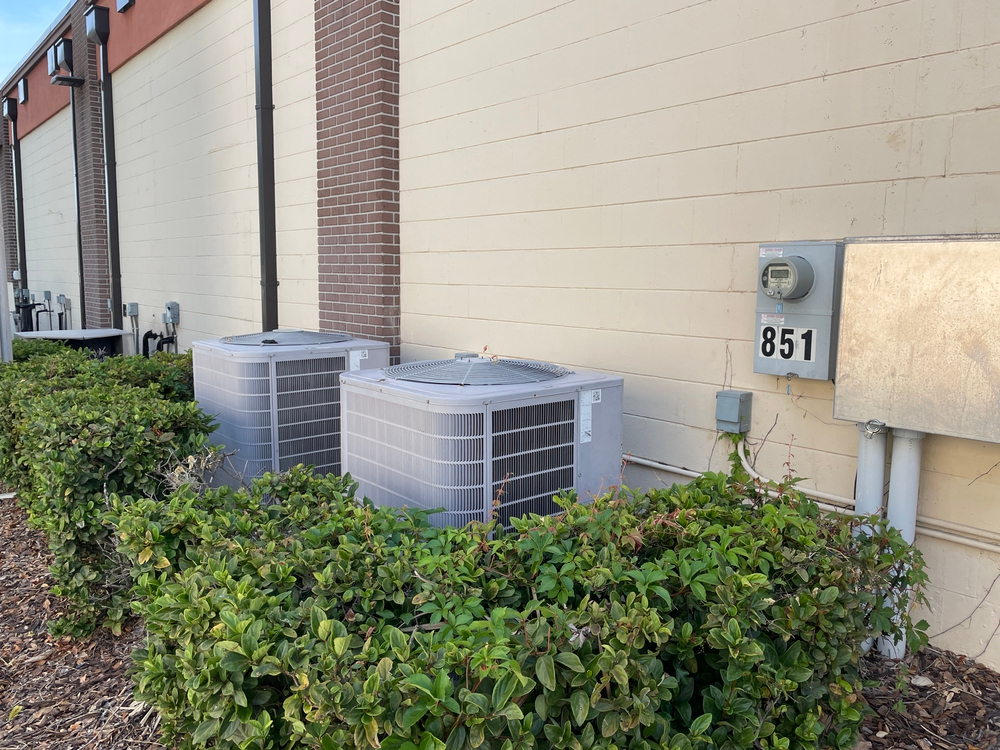
HVAC Units and Rain: Can They Coexist? When the sky opens up and the rain pours down, your HVAC unit stands like a steadfast soldier, weather-resistant and ready for action. But like any soldier, it needs good armor to survive the battle. This is where proper installation and maintenance come into play, acting as the shield against the aqueous onslaught. Without these protective measures, your HVAC might wave the white flag to water damage. Worry not, raindrops are no match for a well-prepared HVAC unit. We understand that an ounce of prevention is worth a pound of cure, ensuring your unit's longevity. So, let it rain, for your HVAC is more than just a fair-weather friend—it's an all-seasons ally, thanks to the vigilant care from Beluga Air. Surviving the Icy Conditions: How does a HVAC Unit Fare? Think of your HVAC unit as a polar bear in a snowstorm – it's built for chilly weather, but even the fluffiest of coats needs a shake-off now and then. The nippy embrace of winter can lead to the accumulation of ice and snow, which may look like a winter wonderland on your rooftop but spells trouble for your HVAC unit. When Jack Frost comes knocking, the last thing you want is for your heating to be compromised by a frozen exoskeleton. Regular maintenance and cleaning become your HVAC's snow shovel, preventing unwanted ice buildup. Engaging the savvy services of Beluga Air, with their expertise in ensuring your unit's top-tier performance amidst frosty conditions, could mean the difference between a cozy igloo and an icebox living room. Don't let your HVAC unit become an abominable snowman's home. Reach out to Beluga Air and secure the warm serenity of your space when winter shows its icy grin. The Longevity of an HVAC Unit: Why Regular Maintenance is Key Just like a well-oiled machine, your HVAC unit needs regular tune-ups to hum along through the seasons. Think of regular maintenance as the elixir of life for your heating and cooling systems. It's not just about fixing what's broken; it's about preventing future mishaps. Beluga Air understands this secret to eternal HVAC youth and offers services to ensure your unit can withstand whatever Mother Nature throws its way – be it blazing sun or a battalion of snowflakes. Preventing wear and tear Optimizing performance Extending lifespan Partnering with Beluga Air for routine check-ups can spell the difference between a costly breakdown and a cozy, efficient home regardless of the weather. Plus, imagine the savings when your HVAC doesn't guzzle energy like a thirsty elephant but sips it with the finesse of a cat. That's the power of proper maintenance! Conclusion As we've navigated through the tempest of information, it's clear that while HVAC units are resilient soldiers against the elements, their survival hinges on regular maintenance and professional finesse. Rain or shine, Beluga Air stands as a beacon of hope, offering the armor your system needs to brave the seasons. Ice may be a winter's tale, but with proper cleaning and preventative care, it's a story with a happy ending for your HVAC's longevity.

Stay Warm Sa This Winter

Winter In SA: Stay Warm With Your HVAC System 2024

Introduction Welcome, San Antonio residents, to the chilly embrace of winter! As the mercury dips and your breath turns into a frosty spectacle, it's time to discuss a crucial ally in the fight against the cold: your HVAC system. It's not just about avoiding a case of the shivers; a dependable heating system is your ticket to a cozy winter wonderland right at home. This article is your trusty guide, aiming to arm you with top-notch tips on keeping snug as a bug with your HVAC system all winter long. So, let's fire up that furnace and make sure your home remains a warm haven in the heart of Texas. Tips for Keeping Warm with Your HVAC System During The Winter As the temperature dips in San Antonio, your HVAC system becomes your best friend, wrapping you in a cozy layer of warmth. To get the most bang for your energy buck, set your thermostat at a comfortable yet efficient 68°F during winter chill. This sweet spot balances comfort with energy savings, ensuring you're not sweating the heating bills. Set that thermostat wisely, and watch the savings roll in. Remember, ceiling fans aren’t just for summer breezes. Reversing the direction creates an updraft, sending the warm air that's risen back down to cozy up your living space. Employ these tips, and you’ll turn your home into a snug sanctuary against the crisp San Antonio winter, all while keeping the energy bills from sending a chill down your spine. Alternative Heating Options for The Winter Let's face it, weather can be as unpredictable as a game of Texas Hold'em, and San Antonio winters occasionally throw us a chilly curveball. When the mercury takes a nosedive and the power grid decides to play hide and seek, you'll want to have a warm ace up your sleeve. Power outages during extreme weather conditions can leave you shivering unless you're prepared with some alternative heating options. A trusty generator can be a real game-changer, keeping your essential appliances running and the frostbite at bay. Nothing says cozy like the crackle of a fireplace. Ensure yours is in good working order, and you'll not only have warmth but a hypnotic dance of flames to gaze at. Remember, the key is to have a backup plan for those times when even the best HVAC systems need a little help from their friends. By considering these alternatives, you’re not just planning for warmth, you’re also ensuring peace of mind during the winter's unpredictable escapades. Conclusion As the chill of winter whispers through the streets of San Antonio, it's clear that a robust HVAC system is more than a household feature—it's your personal sentinel against the cold. We've journeyed together through a flurry of tips designed to keep you snug and your energy bills in check. Remember, setting your thermostat to the sweet spot, leveraging the wizardry of a programmable thermostat, and giving a whirl to those ceiling fans can make all the difference in creating a warm haven. In the rare event that Jack Frost gets a bit too mischievous, and power outages play the grinch, having a fireplace to kindle or a generator to power up can save the day. It's not just about staying toasty; it's about ensuring peace of mind with a solid backup plan for those unpredictable, frosty curveballs. Armed with these insights, let's march confidently into winter. Take these proactive measures to heart and let your HVAC system be the unspoken hero of your cozy, energy-efficient home during this San Antonio winter season. Stay warm, stay wise, and let the cold stay outside where it belongs!

Lightning Can Ruin Your Home HVAC System. Luckily We have HVAC Surge Protectors to keep your home and family safe.

HVAC Surge Protectors in 2023: Hype or Heroes - Myths and Misconceptions

Introduction Welcome to our in-depth exploration of HVAC surge protectors. These vital components play a crucial role in safeguarding HVAC systems from potentially damaging power surges. However, they often remain shrouded in a cloud of myths and misconceptions. This article aims to shed light on these misunderstandings, providing a thorough and technical analysis to help you make an informed decision. We'll delve into the diverse range of surge protectors available on the market, highlighting their key features and benefits. We'll also debunk some of the common myths that often confuse consumers. Our objective is to equip you with the knowledge to make the best decision for your home. So, let's cut through the noise and explore the world of HVAC surge protectors. What is a Surge Protector? A surge protector, or surge suppressor, is an essential device that safeguards electronic equipment from potentially damaging power surges, or "spikes". Picture it like water on your countertop, a small mist is ok but a spill could cause damage to something. When the voltage rises above the accepted level, the surge protector suppresses the excess voltage, like a sponge soaking up that spill. Types of Surge Protectors Surge protectors come in many styles, including direct plug-in, strip, and rack mount, with some even offering built-in protection for data lines. It's like an all-you-can-eat buffet, with a variety of options tailored to your needs. Surge protectors play a crucial role in preventing damage from power surges, working like a shield to protect your electronic devices. Without them, your devices could face an electrical onslaught, leading to immediate and catastrophic damage. The Importance of Surge Protection for HVAC Systems Power surges, whether internal or external, can cause significant damage to your HVAC systems. These high amp, low duration fluctuations can be caused by multiple factors such as faulty wiring, lightning, or downed power lines. Without proper surge protection, your HVAC unit, which is often the most expensive appliance to repair or replace in your home, can become damaged. This not only presents a financial burden but also a safety concern. Hence, it is crucial to invest in a quality HVAC surge protector, even if it might seem costly upfront. When it comes to installation, it's best to leave it to the professionals. The surge protector can be installed at either the main breaker panel or at the service disconnect for the HVAC unit. Remember, prevention is better than cure. Don't wait for a power surge to wreak havoc on your HVAC system. Act now, and protect your home. Debunking Myths and Misconceptions In the realm of HVAC surge protectors, misinformation can often cloud the truth. Let's clear the air and debunk some common myths and misconceptions. Myth 1: A Breaker Panel Is Enough To Protect My Home. While a breaker box serves as a crucial component in managing your home's electrical system, it unfortunately falls short when it comes to protecting against power surges. A common misconception is that breaker boxes can shield your HVAC systems from electrical spikes. However, their primary function is to prevent circuit overload and electrical fires, not to guard against abrupt voltage spikes caused by lightning, power line issues, or component failures. The potential damages from power surges, despite having a breaker box, can be severe. Sensitive electronics within your HVAC system can be impaired or completely destroyed, leading to expensive repairs or replacements. Even minor surges can degrade the lifespan of these components over time, leading to premature failure. The need for additional surge protection for HVAC systems is crucial. Myth 2: All Surge Protectors Are The Same This couldn't be further from the truth. Surge protectors vary in their capabilities, with some allowing multiple components to plug into a single power outlet while also shielding against high-voltage power surges. It's vital to fact-check and consult professionals before making decisions about surge protection. In a world where technology is a fundamental part of our lives, the importance of safeguarding our appliances and electronics cannot be overstated. Myth 3: Surge Protectors Will Protect My System From Everything Surge protectors are a vital part of your system, but they don't always perfectly protect your system. Like a sponge, they can only absorb so much. This is why you often see a fuze installed right before the system. Fuzes work differently than surge protectors. They act more like a bridge than a sponge. When too much power tries to cross the bridge it breaks and the power no longer becomes able to reach your system. So which is better to have and how do I know how big my surge protector should be? How much power can a Surge protector soak up? The Role of MOVs in Surge Protection At the heart of surge protection devices, you'll find a tiny yet crucial component known as the Metal Oxide Varistor (MOV). This semiconductor changes its resistance in response to voltage surges, effectively diverting excess voltage and protecting your devices. Essentially the MOV is like the sponge in your surge protector. This makes MOVs a key player in the battle against voltage spikes. The higher the MOV rating the more fluctuation the surge protector can handle. However, like every superhero, MOVs have their Achilles heel. They can't withstand continuous surges and their performance may suffer if subjected to surges repeatedly. Essentially the biggest weakness of surge protectors is constant high voltage. Like a sponge it can only soak up so much before it's completely saturated. This is where fuses come in. They will break and stop the system from overloading The Importance of Professional Sizing and Installation When it comes to the world of HVAC surge protectors, professional sizing and installation are not just buzzwords, they're vital for optimal performance. A poorly sized or installed surge protector can lead to a myriad of issues, such as equipment damage or failure, and even a potential fire hazard. Thus, investing in professional installation is not just a luxury, but a necessity. Surge protector sizing is a complex process, as it involves taking into account different factors like the cross-sectional area of connecting conductors and the length of the connecting cables. On the other hand, professional installation ensures that the surge protector is correctly connected, enhancing its efficiency and longevity. Moreover, it can protect your budget by adding longevity to your system components, as it can protect valuable electrical equipment from potential power surges With the surge protection devices market expected to grow at 5.83% CAGR globally over the next five years, it's clear that more and more people are recognizing the importance of surge protection. So, don't be left behind. The Benefits of Surge Protection Investing in HVAC surge protection offers a myriad of benefits. One of the most significant is the potential for savings. An HVAC surge protector can help keep your HVAC system in good shape, reducing the need for costly repairs or replacements. A well-maintained system also runs more efficiently, potentially lowering energy bills. Another benefit is the added safety and peace of mind for homeowners. Even if you don't live in an area with frequent power outages or lightning strikes, surge protectors can provide protection from short-circuiting or overheating. As Winter approaches we are beginning to see energy spikes from heaters, and with everyone using more electricity due to stay-at-home workers, and delivery services, the risk of power surges is higher than usual, making surge protection even more essential. Installation of an HVAC protection device is straightforward but should be left to professionals to avoid potential damage due to poor installation. Ultimately, the small investment in an HVAC surge protector can pay off in the long run, saving you money and giving you peace of mind. In this journey through the myths, strengths & weaknesses of HVAC surge protectors, we've deciphered the importance of surge protection for HVAC systems. These devices, far from being mere accessories, play a pivotal role in safeguarding your investment from the unpredictable wrath of power disruptions. They're the silent guardians, the unsung heroes of your comfort and safety. However, not all surge protectors are created equal. Just like a key fits a specific lock, the right surge protector for your HVAC system depends on a variety of factors. It's crucial to cut through the noise, bust myths, and make an informed decision. The market is a jungle, but with some research and consultation with professionals, you can find the perfect protector for your HVAC system. So, let's not wait for a power surge to strike. Take action. Protect your homes, your Families, and your peace of mind. After all, in the battle against power disruptions, HVAC surge protectors are not just hype; they're our heroes. Want to Learn More? Read about some other key components like Hard Start Kits.

Contact Us

Fill out this form below and we'll contact you shortly
*Required Fields

Get your free quote!

Call 210-468-6117 or fill out the form below