
• Beluga Air

Blog / HVAC

Blog

All HVAC Air Conditioning Indoor Air Quality Heat Beluga Air Service HVAC Repairs Insulation San Antonio HVAC Service HVAC Air Scrubbers HVAC Thermostat
B16-902cl

2023 Hard Start Kits: Understanding Benefits & How It Can Save Your Compressor

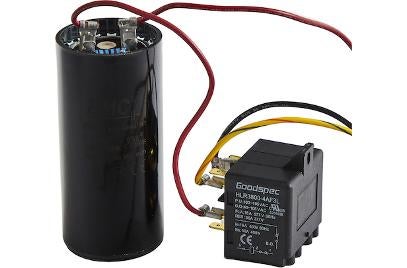
Welcome to this comprehensive guide on air conditioner hard start kits. In this article, we aim to shed light on the benefits and necessity of these kits, especially for aging air conditioner compressors. A Hard Start Kit is essentially a more powerful capacitor coupled with a new Potential Relay. This is the advanced way of saying that it stores power to use when starting up your system. It’s designed to give that extra push to your compressor when it's having a hard time starting due to worn bearings and increased friction. By the end of this reading article, you’ll have a solid understanding of how a hard start kit can prolong the life of your compressor and potentially save you from expensive repairs. Let's dive into the world of hard start kits and discover how this small component can make a significant difference in your air conditioner's performance both now and in the long run. What is a Hard Start Kit? A Hard Start Kit is a device designed to facilitate a smoother start-up process for your air conditioning unit. This kit is especially beneficial for older units that often experience Hard Starting, a situation where the unit sputters or starts and then suddenly shuts off. The primary function of a hard start kit is to reduce the electricity required for initiating the system. The hard start kit comprises two main components - a start capacitor and a potential relay. The start capacitor provides additional stored electricity and torque to boost the starting process. Once the unit is operational, the potential relay steps in to disconnect the capacitor from the start circuit, enabling the unit to run normally. By enhancing start-up with a capacitor the efficiency of your unit increases considerably, a hard start kit not only makes the starting faster and smoother, but it also extends the lifespan of your air conditioning unit. This one component can save you thousands of dollars. Signs that Your AC Needs a Hard Start Kit Any HVAC unit can benefit from a Hard Start Kit, in fact, all new units sold by Beluga Air are Bundled with one. That's how important they are, we won't sell a system without one. Some systems may need one just to function. The most common indication your system is in dire need of a Hard Start kit is in fact hard starting, which is characterized by the AC unit stuttering or abruptly shutting off during startup. If you hear your outside unit making loud noises when it first turns on, or your lights flicker in your home when the unit turns on then you are in need of a Hard Start Kit to protect your system from damages. Other signs include: Frequent breakdowns: If your AC unit often fails to start or stops unexpectedly, it may be straining to draw more current than necessary, causing undue wear and tear. Increased energy bills: The excess power drawn during startup not only strains the unit but also leads to higher energy consumption, reflected in your bills. A hard start kit can mitigate these issues by reducing the electricity needed for startup and creating a smoother start-up process, thus prolonging the life of your unit and potentially decreasing your energy bills. However, it's crucial to consult an HVAC professional to assess the condition of your unit and recommend the best solution. Benefits of a Hard Start Kit Prolonged Lifespan of the AC Unit: By reducing the strain on the compressor at startup, a hard start kit can extend the life of your AC unit. Lowered HVAC Costs: Installing a Hard Start Kit can save you significant money in the long run by delaying the need for costly replacements. Lower Utility Bills: A struggling AC compressor will use more energy to cool your home, leading to higher utility bills. A hard start kit helps the compressor run more efficiently, thus reducing energy consumption and lowering your bills. It also prevents power spikes which are billed at a higher rate than consistent electrical use. Improved Efficiency: A hard start kit can help your AC unit run more efficiently overall. By enabling the compressor to start faster, and reducing electrical spikes it can help protect other parts of your system from overloading and allows your system access to more stable power for all the other components causing it to run more efficiently. Protection for Other Electrical Devices: A compromised AC compressor can draw more power than usual, potentially affecting other electrical devices in your home. A hard start kit can help prevent this issue by regulating the power draw of the AC unit. Real-Life Impact of a Hard Start Kit Many homeowners have reported noticeable improvements in their AC unit's performance after installing a hard start kit. For example, some have noticed that their lights no longer flicker when the AC turns on, indicating a more stable power draw. Others have reported a decrease in strange noises from their AC unit, suggesting a smoother startup process for the compressor. In conclusion, a hard start kit is a small investment that can offer significant benefits for your AC unit and your wallet. By reducing strain on the compressor, improving efficiency, and protecting other electrical devices in your home, a hard start kit is a smart addition to any AC unit. Addressing Misconceptions and Concerns There are a few misconceptions surrounding hard start kits that need addressing. Firstly, these kits are not a permanent solution for your aging air conditioner. They may extend the AC's lifespan for a few years but are not always a long-term fix. If your AC system is over 15 years old, an HVAC technician might even advise against installing a hard start kit, as it's simply a patch to keep an already dying AC system running a bit longer. Secondly, a hard start kit isn't a replacement for other necessary repairs. It's designed to help with a specific issue and isn't a cure-all. The kit provides the "jump start" needed for the compressor to effectively begin its work. Despite these limitations, Hard Start Kits are a cost-effective solution for hard-starting issues. They can prevent the premature demise of the compressor and help to reduce your utility bills. But remember, they are not a substitute for regular AC maintenance and eventual system replacement. Selecting the Right Hard Start Kit Choosing the right AC hard start kit is crucial to ensure optimal performance and longevity of your AC unit's compressor. It's not a one-size-fits-all solution. The selection largely depends on your specific AC model and its needs. Firstly, it's essential to check your AC unit's installation manual or reach out to your local dealer to identify the manufacturer-specified hard start kit. If unavailable, a compatible aftermarket hard start kit can be used. However, it's important to ensure that the start capacitor has the correct farad rating to avoid any damage due to overheating. (HVAC Training Shop) Types of AC Hard Start Kits There are two main types of hard start kits: Potential relay hard start kits Positive temperature coefficient (PTC) hard start kits Each type is suitable for different AC units. For instance, if your AC unit has a thermostatic expansion valve (TXV), a potential relay hard start kit is recommended. On the other hand, a PTC hard start kit is suitable for AC units with capillary tubes or a fixed orifice restrictor. Most of that probably didn't make sense, and that's why we send a trained professional out to diagnose the issue and select the best Kit for your unit. Conclusion In this comprehensive guide, we've traversed the realm of hard start kits, shedding light on their integral role in enhancing the performance and lifespan of your air conditioner. We've peeled back the layers to reveal the critical components of a hard start kit, such as the start capacitor and potential relay, and how these elements contribute to the smooth and efficient start-up of your AC unit. Additionally, we've touched on the signs that may indicate your cooling system might be in need of a hard start kit like frequent breakdowns and increased energy bills. Benefits The journey through the benefits of a hard start kit illuminated how these kits can reduce strain on your compressor and extend the life of your AC unit. More than just elongating its lifespan, hard start kits significantly improve the overall performance and efficiency of your air conditioning system. We've aimed to demystify any misconceptions or concerns that you may have about these tools, providing ample data and information to underline the effectiveness and necessity of hard start kits. In essence, installing a hard start kit can significantly enhance the performance of your air conditioner while prolonging its life. It can mitigate problems commonly associated with hard starting, such as excessive wear and tear on the compressor and costly energy bills. Whether you're looking to prevent potential issues or address existing ones, installing a hard start kit could be the solution you need. When you purchase a hard start kit, you're not simply buying a piece of hardware; you're investing in a solution that could save you money, extend the life of your AC, and enhance its overall performance. In the long run, this minor addition to your AC system could reap substantial benefits. So, as we conclude, we hope that you now feel more confident in making an informed decision about whether a hard start kit is the right choice for you. Here's to a smoother, more efficient, and longer-lasting HVAC system!
Beluga Air Solar Exhaust Fans

How Solar Exhaust Fans Revolutionize HVAC Performance

Attic fans Can help tremendously for a fraction of the cost of a new system! What is a Solar Exhaust Fan? Have you ever noticed your attic getting too hot during the summer months and wondered what you could do to improve the efficiency of your HVAC system? The solution may be a solar exhaust fan. A solar exhaust fans is a device that is powered by the sun’s energy and helps to draw the hot air out of your attic and create a balanced temperature in your home. This helps to reduce the strain on your HVAC system and make it more efficient. Solar exhaust fans are designed with a special motor that is powered by a solar panel. The fan helps to draw out the hot air from the attic and draw in the cooler air from outside. This helps to create a balanced temperature in your attic and home. The fan is also equipped with a thermostat that helps it to operate when the temperature reaches a certain point. This helps to ensure that your attic doesn’t get too hot and that the air in your home is comfortable. Revitalizing Your HVAC System The solar exhaust fan is powered by the sun, so it is an energy efficient way to help your HVAC system. The fan works by collecting energy from the sun and using it to create a steady flow of air. This helps to reduce the amount of energy that is needed to power your HVAC system, which can save you money on your electric bill. The solar exhaust fan also helps to reduce the amount of strain on your HVAC system by reducing the amount of air that needs to be heated or cooled. This can help to reduce the need for costly repairs and maintenance of your HVAC system. Another advantage of the solar exhaust fan is that it can help to reduce the amount of dust and debris in the home. By reducing the amount of dust and debris, it can help to extend the life of your HVAC system. By installing a solar exhaust fan, you can be sure that your HVAC system is working to its full potential. Not only does it help to reduce energy costs, but it also helps to improve the performance of your system, reduce strain on it, and extend its life. With the help of a solar exhaust fan, you can be sure that your home is as comfortable and energy efficient as possible. The Solar Exhaust Fan Advantage Solar exhaust fans are revolutionizing HVAC performance, and it’s easy to understand why. They offer numerous advantages for homeowners looking to maximize their air conditioning and heating efficiency. Powered by the free and renewable energy of the sun, solar exhaust fans are environmentally friendly and energy efficient. Solar exhaust fans also offer advantages over traditional exhaust fans. Traditional exhaust fans require an electricity connection and are powered by your home’s electrical grid. This can increase your monthly energy costs. Solar exhaust fans, on the other hand, use the free energy of the sun to power their operation. This eliminates the need for any additional electricity, and saves you money in the long-run. Other advantages of solar exhaust fans include reduced repair costs and greater energy efficiency. Traditional exhaust fans are prone to wear and tear over time, which can lead to costly repairs. Solar exhaust fans, however, are designed for long-term use and are generally more durable. This helps to reduce any repair expenses and maximize the efficiency of your HVAC system. Solar exhaust fans also use the sun’s energy to maximize efficiency. By using natural sunlight, solar exhaust fans produce less heat energy than traditional exhaust fans, and require less energy to operate. This means that you can save on your monthly energy bills, and enjoy improved HVAC performance. Conclusion A solar exhaust fan is an efficient and cost-effective way to revitalize your home’s HVAC system and help ensure its performance and longevity. It works by using free energy from the sun to remove hot air from the attic, which helps your heater and AC system run more efficiently and effectively. By installing a solar exhaust fan, you can save money on energy bills and reduce the cost of repairs and maintenance. Don’t wait any longer. Make the switch now and start reaping the benefits of a solar exhaust fan. Let Beluga Air be your guide to improved HVAC performance and enhanced energy efficiency. Make the call and start saving money and the environment today.

Heater Repair San Antonio

Heating Repair San Antonio: How to Ensure A Cozy Fall and Winter

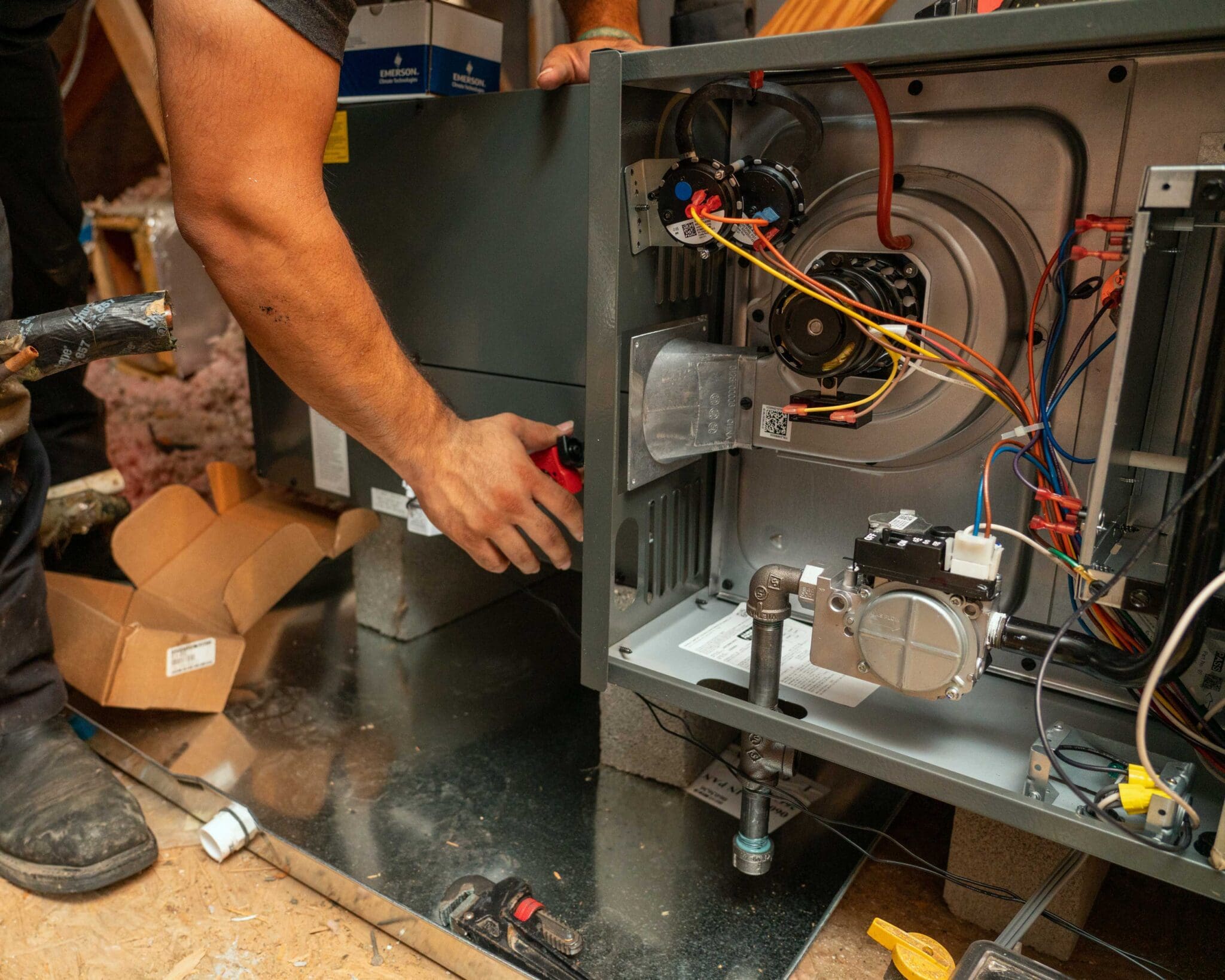
Get Your Heating Maintenance Early Heating Repair can be dealt with at the start of fall and winter season. To ensure optimal performance, it’s important to get your heating maintenance done early. This way, you can catch any minor issues before they become bigger issues that could lead to expensive repair and replacement costs. When you schedule a maintenance appointment with Beluga Air, a qualified technician will come to your home and perform an inspection of your HVAC system. The technician will check for leaks, inspect the blower, check the thermostat, and make sure all the parts are functioning properly. They will also clean the system to remove dust and debris that has built up over the year. Cleaning the system will help it run more efficiently and reduce the risk of a breakdown. Regular maintenance is essential for any type of heating system, including furnaces, heat pumps, and boilers. It will help extend the lifespan of the system and keep it running at peak performance. Maintenance can also prevent more expensive repairs down the road, which can save you money in the long run. You should also inspect the air ducts and vents. Make sure there are no blockages or leaks that could be causing your heating system to work harder than it should. If possible, you should also take a look at the insulation in your attic. Poor insulation can cause heat to escape, resulting in higher energy bills. Change the Air Filters When it comes to ensuring a cozy fall and winter, one of the most important steps you can take is to change the air filters in your HVAC system. Air filters are essential components of any HVAC system, as they filter dirt, dust, and debris out of the air. Dirty air filters can cause your system to run inefficiently, leading to higher energy and repair bills. When it comes to changing your air filters, timing is everything. Generally, air filters should be changed every 3 to 6 months depending on the type of filter and the air quality in the home. If you have a standard 1 in air filter or pets/smoke inside, it is important to change your air filter as often as possible. Whereas a 4in media filter can stretch over 6 months. Not only will this help reduce energy costs, but it will also improve indoor air quality. If you’re new to changing air filters, don’t worry! It’s a fairly quick and easy process. First, you’ll need to locate the air filter in your HVAC system. This is usually found behind the return vent. You’ll then want to unscrew the old filter and replace it with a new one. Be sure to buy the correct size filter as well as the appropriate MERV rating. This will depend on the type of HVAC system you have and the type of air filter recommended by the manufacturer. When choosing an air filter, there are a few different types to choose from. The most common type is a disposable fiberglass filter. While these types of filters are inexpensive, they will need to be replaced more often than other types of filters. There are also more expensive, reusable filters that are treated with antimicrobial coatings to reduce the growth of mold and mildew. Finally, if you’re looking for an even higher level of filtration, you can opt for an electrostatic filter. These filters charge particles and can help reduce the amount of dust, pollen, and other allergens in your home. No matter which type of air filter you choose, remember to change it regularly for optimal performance and energy efficiency! Changing your air filter is an easy way to ensure your HVAC system is running at peak performance and your home stays cozy and comfortable all fall and winter long. Check the Attic Insulation Keeping your attic properly insulated is crucial for keeping your home warm during the cold winter months. Without it, your heating system will be overloaded and your energy bills will skyrocket. To ensure your attic insulation is up to the task, it’s important to check it regularly and upgrade it as needed. The importance of proper attic insulation can’t be overstated. Besides keeping your home warm in the winter, it also helps protect your roof from water damage and can even reduce the noise from outside. Not to mention it can save you money on your energy bills. So how do you know if your attic insulation is up to par? Start by checking the insulation’s R-Value. This number measures how effective the insulation is at resisting heat flow and is indicated by the product’s label. The higher the R-Value, the better the insulation. For attics, most experts recommend an R-Value of at least R-49. If you find that your insulation’s R-Value is too low, you can upgrade it by adding more insulation. It’s important to use the same type of insulation you already have to ensure a good fit. If you’re not sure what type of insulation you have, you can check the product label or contact a professional for a professional opinion. Finally, make sure your attic is properly ventilated. Proper ventilation ensures air is circulating throughout your attic and helps keep the temperature in your home consistent. It also helps prevent condensation, which can lead to mold and mildew growth. To ensure your attic has sufficient ventilation, make sure to check that your intake and exhaust vents are unobstructed and working correctly. Keeping your attic insulation up-to-date and properly ventilated is essential for a cozy fall and winter. If you’re unsure about the condition of your insulation or need a professional opinion, call Beluga Air today. They offer a full range of services and can help you prepare your HVAC system for the cold weather ahead. Other Heating Repair Tips To Stay Warm As temperatures start to drop, make sure you’re taking extra steps to ensure a cozy fall and winter. One of the most important ways to reduce heating repair is to make sure your HVAC system is running as efficiently as possible. In addition to getting your HVAC maintenance early and changing the air filters, there are other tips to keep warm and comfortable. Cleaning and Sealing Ducts: Regularly cleaning and sealing your air ducts can help increase the efficiency of your HVAC system. Cleaning your ducts helps to remove dust, debris, and other contaminants that can clog and reduce the airflow of your system. Sealing your ducts ensures that air is not leaking out through these areas. This will make sure the air is being properly circulated throughout your home and will help keep temperatures consistent. Installing a Humidifier: Installing a humidifier is a great way to help keep your home warm during the winter months. A humidifier adds moisture into the air, which can help make the air feel warmer and more comfortable. It can also help reduce static electricity, protect wood furniture, and reduce dryness in your skin, eyes, and nasal passages. Utilize Door and Window Seals: Replacing or adding weather stripping to your doors and windows is an easy and effective way to help keep the cold air out and the warm air in. This will help to reduce drafts and make your home more comfortable. Additionally, this can help to reduce energy costs since your HVAC system isn’t having to work as hard to keep your home warm. These are just a few tips to keep your home cozy and comfortable during the fall and winter months. To ensure your HVAC system is running as efficiently as possible, call the heating repair experts at Beluga Air. Beluga Air will make sure your HVAC system is running properly and take care of any necessary repairs or maintenance. Call Beluga Air today to get your HVAC system ready for the fall and winter! Heating Repair San Antonio: Beluga Air Beluga Air offers a variety of services for both residential and commercial customers, including heating repair, installation, maintenance, and seasonal tune-ups. Whether you need a repair, service, or a brand-new installation, Beluga Air can help. We offer a full line of heating and cooling solutions including furnaces, heat pumps, and air conditioning units. We also provide energy-saving options and can customize a system to help you achieve the most efficiency and comfort for your home.

Minisplit

Minisplit Systems: Maximize Your Comfort And Savings in 2023

Introduction Are you looking for a way to heat and cool your home that is both efficient and cost-effective? If so, then a minisplit system might be the perfect solution for you. Minisplit systems are a type of HVAC system that are increasingly becoming popular due to their many advantages over traditional HVAC systems. These systems allow for better temperature control throughout the home, as well as energy and cost savings. Minisplit systems are composed of two parts: an outdoor condenser unit and an indoor evaporator unit. The outdoor condenser unit is located outside the home and houses the compressor and condenser coil. The indoor evaporator unit is located inside the home and contains the fan, evaporator coil, and other components. The outdoor and indoor units are connected by a power and refrigerant lines. The benefits of minisplit systems are numerous. They are more efficient and cost-effective than traditional HVAC systems, provide better temperature control, and are quieter than traditional systems. In addition, minisplits are easier to install and require less maintenance than traditional HVAC systems. Advantages of Minisplit Systems If you’re looking for a way to save money and increase your comfort, then minisplit systems can be the perfect solution for you. Minisplit systems are becoming increasingly popular due to their ability to provide energy savings while providing maximum comfort. Lower Energy Costs: Minisplit systems are extremely energy-efficient. They use a fraction of the energy that traditional HVAC systems use which leads to a decrease in monthly energy bills. This means that you can enjoy the benefits of having a reliable and efficient heating and cooling system without having to pay an arm and a leg for it. Increased Heating and Cooling Efficiency: Minisplit systems can cool and heat a room more quickly than traditional HVAC systems, making them more efficient. This also means that you can enjoy the comfort of your home without having to wait for the temperature to adjust. Reduced Maintenance Costs: Minisplit systems require less maintenance than traditional HVAC systems, which can lead to significant savings over time. They are also much easier to install, which can lead to a decrease in installation costs. The money-saving benefits of minisplit systems are clear. By investing in a minisplit system, you can enjoy the comfort of your home while spending less on energy and maintenance costs. With minisplits, you can maximize your comfort while saving money in the long run. Beluga Air: Expert Minisplit Installation in San Antonio When it comes to installing a minisplit system, Beluga Air is the way to go! We provide top-notch minisplit installation services to ensure that your system is installed correctly and efficiently. We understand that there are a lot of different components involved in the installation of a system and our team of highly-trained professionals will ensure that your system is not only installed properly but also optimized for maximum comfort and energy savings. At Beluga Air, we offer a full range of minisplit installation services, from consultation and assessment to installation and maintenance. During the initial consultation, we will assess your home or business and determine the best minisplit system for your individual needs. We will also discuss energy saving strategies and provide you with a comprehensive estimate. Once we have identified the best system for you, our team of expert technicians will begin the installation process. We use the highest quality materials and the most advanced equipment to ensure that your minisplit system is installed correctly. We take pride in our work and guarantee a high-quality installation. In addition to installation, Beluga Air also offers comprehensive maintenance services to keep your minisplit system running efficiently and effectively. Our team of technicians will inspect your system regularly and perform any necessary maintenance and repairs. We also provide cleaning services to ensure that your system is free of dirt and debris which can cause damage over time. If you are interested in installing a minisplit system, give us a call today at 210.468.5977 for a free consultation. Our team of experts will be happy to answer any questions you may have and ensure that you get the most out of your system.

The Importance of Air Filters

San Antonio Ac - The Importance of Air Filters

San Antonio Ac Repair Ac Repair in San Antonio is very important to making sure your unit is efficient. When it comes to keeping your indoor air clean and safe to breathe, air filters are an essential part of the equation. Without them, your HVAC system is unable to properly circulate air throughout your home, leading to air debris and potentially dangerous indoor air pollution. Air filters are designed to capture dust, dirt, and other airborne particles that could cause harm to the inhabitants of a home. For this reason, it is important to understand the importance of air filters in your home and why regularly changing them is a necessity. Why Change Your Air Filters Regularly? Everyone should take proper steps to ensure that their home’s air quality is maintained in the best state possible. This includes replacing the air filters at regular intervals. Regular air filter changes are important for numerous reasons, both for health and energy efficiency. Having clean air filters is a crucial part of indoor air quality. The filter helps to prevent dust, dirt, and pollen from entering the air you breathe. Without regular filter changes, airborne particles can build up in your home's air, causing health issues such as allergies or asthma symptoms. Besides health benefits, air filter changes can also contribute to energy savings. Air filters that are clogged with particles can block airflow to the system and force the system to burn more energy to keep up with temperature demands. Common air filter problems include clogged air filters and poorly installed air filters. Clogged air filters can be caused by pet dander, dust, and other air pollutants coming into your home. Poorly installed air filters can lead to air leakage and reduce the effectiveness of the air filter. To maintain air filter quality, it is important to regularly check the air filters for clogs or other defects. When it comes to air filter replacement, it is recommended to check and replace them at least once every three months. However, this interval can vary depending on factors such as the size of your home, amount of indoor air pollution, and the number of pets in the household. A good indicator of when it is time to change your air filter is when it looks visibly dirty or clogged. This is usually a sign that the air filter is no longer able to adequately capture airborne particles. When Should You Change Your Air Filters? It is important to know when to change your air filters to keep your home's air quality safe and efficient. The recommended replacement interval for air filters is typically every three months, although this interval can vary depending on the size of the filter, as well as the air quality of your home. Factors such as smoking, pets, and allergies can all play a role in when you should replace your air filter. For example, if you have pets or smoke in your home, you may want to consider changing your filter more frequently. Common signs that you may need to change your air filter include reduced air flow, an increase in dust accumulation, and a noticeable difference in the smell of the air in your home. Additionally, if your filter is visibly dirty, this can indicate that it is time to replace it. Another important factor to consider when changing your air filter is the type of filter you are using. Homeowners should consider purchasing higher quality filters, such as those with a higher MERV rating, which stands for Minimum Efficiency Reporting Value. Higher MERV filters are designed to effectively capture smaller particles from the air, resulting in cleaner air throughout the home. San Antonio Ac Repair: Beluga Air When it comes to maintaining your air filters and ensuring your home is comfortable, you need the help of a professional. At Beluga Air, we provide top-notch San Antonio Ac Repair. We can help you with all of your air filter needs, from installation to regular maintenance and replacement. Our team of highly trained professionals can inspect, replace, and repair any air filter for you. With our thorough inspection process, we can identify any potential problems and make sure your air filter is running smoothly. We can also offer tips and advice on how to maintain the quality of your air filter.

AC Repair San Antonio: Common Issues To Watch Out For 2023

AC Repair San Antonio: Common Issues To Watch Out For 2023

Introduction Whether you live in San Antonio or elsewhere, you want to make sure your AC is always running at its best. But when it comes to small AC repair in San Antonio, it can be hard to know what steps to take. That's why it's important to be aware of common small AC problems and understand what you can do to fix them. In this article, we'll discuss some of the most common small AC repair issues in San Antonio and what you can do to prevent them. We'll also take a look at what routine maintenance can do to keep your AC in top shape. Finally, we'll look at Beluga Air’s excellent air conditioner repair services and solutions for any small issue. So if you're looking to keep your air conditioner running smoothly, read on to learn more about common AC issues and how to solve them. You'll have the peace of mind knowing that your AC unit is running at its optimal level and you're prepared for any small AC repair issues. Common AC Problems One common issue is an AC unit that won’t turn on. This could be due to a tripped breaker or a faulty capacitor. A tripped breaker can be easily reset and if the issue persists, it could be a sign of a faulty capacitor and may require further inspection and service. Clogged air filters can also be a cause of the AC unit not turning on. Regularly replacing air filters can help prevent this issue and keep air circulating. Another common AC repair issue is a leaking unit. This can be caused by different issues such as a cracked condensation line or a clogged drain pipe. Regularly inspecting and draining your air conditioner’s drain pipe can help prevent this issue. It is also important to keep an eye on the condensation line to ensure it is not cracked or damaged. A third common AC repair issue is a unit that is not cooling efficiently. This can be due to a variety of reasons such as a clogged condenser coil, a fan that is not running properly, or a refrigerant leak. Inspecting the condenser coil and fan, and ensuring the refrigerant levels are full, can help prevent this issue from occurring. Finally, the thermostat can be a source of AC repair issues. If the thermostat is not functioning correctly, it can cause the unit to not turn on or to not cool as efficiently. This is an issue that can easily be fixed by simply changing the batteries or upgrading the thermostat. By being aware of these common AC repair issues and taking the right preventive measures, you can help ensure that your unit is running at its best and avoiding any unwanted repair bills. Regular maintenance and inspections can go a long way in preventing small AC repair issues from becoming larger problems. Beluga Air provides top-notch AC repair services and solutions to ensure that your unit is running smoothly and efficiently. Beluga Air: Ac Repair San Antonio When it comes to keeping your air conditioning unit running smoothly, regular maintenance and awareness of common small AC repair issues are key. From clogged drains to worn capacitors, small AC issues can quickly become bigger problems if not properly addressed. Fortunately, if you’re in San Antonio, Beluga Air is here to help. Our team of experienced technicians are experts in AC repair and can help troubleshoot any small issue you may be facing. We offer a variety of services that can help prevent small issues from becoming more serious, including regular inspections and maintenance to ensure your unit is running efficiently. We understand that your air conditioning unit is an important part of your home and should be handled with care. That’s why our team works hard to provide top-notch repair services and solutions that you can trust. We are proud to provide quality services that will help keep your unit running smoothly. At Beluga Air, we take pride in being able to provide the best AC repair services in San Antonio. We understand the importance of proper maintenance and are dedicated to helping our customers maximize the lifespan of their air conditioning units. With our experienced technicians and high-quality services, we are dedicated to providing our customers with the best repair solutions available.

The Best Fall Temperature For Your Thermostat 2023

The Best Fall Temperature For Your Thermostat 2023

What is the Best Fall Temperature for Your Thermostat? As the temperatures outside begin to drop, it’s important to set your thermostat to the optimal temperature for the fall, in order to get the most energy efficiency out of your home. The optimal temperature for your thermostat during the fall is typically between 68 to 72 degrees Fahrenheit. This temperature range provides a comfortable environment for your family, while saving you money on your energy bill. The temperature you set to your thermostat is especially important during the fall season. If the temperature is set too low, your furnace will be working overtime to keep your home warm, leading to an increase in your energy bill. If the temperature is set too high, your furnace won’t be working efficiently, and your family may be uncomfortable. When setting the temperature on your thermostat, you should also take into consideration the size of your home and the climate in your area. The temperature may need to be set a little lower in larger homes, as they take more energy to heat up. In climates with warmer autumns, you may need to set the temperature a little higher. In addition to setting your thermostat to the right temperature, it’s important to make sure your home is properly insulated in order to maintain the right temperature. Proper insulation helps to keep the warm air inside your home, and stops the cold air from coming in. This helps to make sure that your furnace is working efficiently and keeps your family warm and comfortable. When setting the temperature on your thermostat, it’s important to take into account the size of your home and the climate in your area. The right setting can help you save energy and money, while keeping your family comfortable. The optimal temperature for your thermostat during the fall is typically between 68 to 72 degrees Fahrenheit, and with proper insulation and the right thermostat, you can make sure you’re getting the most out of your energy bill. The Benefits of Setting the Best Fall Temperature for Your Thermostat Through proper thermostat settings, you can save money on your energy bill and reduce your carbon footprint. This temperature range is the most energy efficient, meaning your heating system will use the least amount of energy possible for the amount of heat needed to keep your home comfortable. If the thermostat is set too low, your system will work harder and use more energy to keep your home warm. Not only will an optimal thermostat setting help you save money, it will also help maintain a comfortable temperature in your home. During the fall, the temperature outside drops, and it’s not always enough to keep your home warm without the help of your thermostat. If the temperature is too low, you and your family could become uncomfortably cold. And if the temperature is too high, your home could become overly warm. Finding the optimal temperature for your thermostat will also help you keep your home at a comfortable temperature without compromising the air quality in your home. When the temperature is too high, it can cause condensation to form on the windows and walls, leading to mold growth. If the temperature is too low, your home could become too dry, causing your skin and eyes to become irritated and uncomfortable. Finding the Right Thermostat In order to set the optimal temperature for your thermostat this fall, you need to make sure you are investing in the right one. With so many options available, it can be hard to choose the best one. Here are some tips to help you find the right thermostat for your home. First, consider your home’s size and climate. If you live in an area with extreme temperatures, you may need a thermostat that offers more precise temperature settings. On the other hand, if you live in a milder climate, you may only need a thermostat with basic settings. It is important to choose the thermostat that best fits your needs. Second, look for thermostats that offer personalized settings and energy efficiency. Smart thermostats allow you to easily adjust the temperature and provide energy-saving features such as automatic heating and cooling cycles. When looking for a smart thermostat, make sure it is compatible with your heating and cooling system. Third, look for thermostats that offer a range of temperature settings. Most thermostats are adjustable, but some are more adjustable than others. Look for one that allows for precise temperature control. This will help you set the perfect fall temperature for your home. Finally, take some time to research different thermostats. Look at reviews and compare features to help you find the best one for your home. It is also important to find a thermostat that is easy to understand and use. This will help you get the most out of your thermostat. Finding the right thermostat for your home is essential for setting the perfect fall temperature. With so many options available, take the time to do your research to ensure you get the best one for your needs. This will help you save energy and keep your home warm and comfortable during the colder months. Conclusion As the fall season approaches, it is important to set your thermostat to the optimal temperature. Setting your thermostat to between 68 to 72 degrees Fahrenheit will make your home more energy efficient while keeping it warm and comfortable. A properly set thermostat will help you save money on your energy bill and keep your home comfortable year-round. When looking for the right thermostat for your home, it is important to consider your home’s size and climate. Look for thermostats that offer personalized settings and energy efficiency. Look for thermostats that offer a range of temperature settings. At Beluga Air, our team of experts can help you find the right thermostat and program it correctly. We specialize in energy efficiency and can provide personalized recommendations to help you achieve your energy-saving goals. Don't blow your money, call Beluga Air!

What To Know When Replacing Your HVAC System

An Easy Guide: What To Know When Replacing Your HVAC System

HVAC Replacement San Antonio: What You Need to Know Are you looking for an HVAC Replacement in San Antonio? It’s important to understand what to consider before making this type of decision. In this guide, we will discuss the steps you should take to make sure you get the best system for your home. First, you’ll need to calculate the tonnage and SEER rating for your home. Then, you’ll want to understand the different types of systems, such as gas, heat pumps or electric. Understanding the types of systems will help you decide which is best for you. Finally, you’ll want to consider why you should choose Beluga Air to replace your HVAC system. At the start of the process, you will want to consider why you are replacing your current HVAC system. Is it because it is outdated, inefficient, or simply too expensive to operate? If you are replacing it for any of these reasons, you are making a wise decision, as replacing your HVAC system can provide many benefits. Calculating Tonnage and SEER Rating Making sure that the right tonnage and SEER rating are chosen for your home when replacing your HVAC system is essential. So, it’s important to understand what tonnage and SEER ratings are before deciding which system is going to work best for you. Tonnage is a measure of the cooling capacity of the HVAC system. It is measured in BTUs per hour, which is British Thermal Units, and it is usually expressed in tons for a central air conditioning system. The tonnage rating determines the amount of cooling the system can produce in an hour. SEER stands for Seasonal Energy Efficiency Ratio. It is a ratio of how much energy is used compared to the amount of cooling the system can produce. The higher the SEER rating is, the more efficient the system is. The minimum SEER rating is 13, and it can go up to 21, depending on the system. Calculating the tonnage and SEER rating needed for your home is vital. It is important to get the right size system for your home to ensure that your system is working efficiently. To calculate the tonnage, look at the size of the home in sq ft, then divide that number by 500. This should approximately be the correct size in tonnage for your system. The seer rating is up to your preference. In 2023 the SEER2 laws passed resulting in systems needing 15.2 Seer or above. A simple rule to follow is the higher the seer rating, the more energy efficient the system is. Types of Systems When it comes to replacing an HVAC system, it’s important to understand some of the options available to you. Gas, heat pumps, and electric systems are the three main types of systems, and each has its own advantages and disadvantages. Gas systems are the most common type of heating and cooling systems. They are excellent for providing reliable and consistent heating and cooling throughout your home. Gas systems make use of natural gas or propane. They’re also energy-efficient and are generally the most cost-effective type of HVAC system. Heat pumps are a type of system that works in both the summer and winter months. It is great for homes with moderate climates because it can both cool your home during the summer and warm it in the winter. Heat pumps use electricity to move heat from one place to another, so they are more energy-efficient than gas systems. Electric systems are the most efficient type of system because they use electricity as the main source of energy. They usually are less expensive to install than gas or heat pumps, but they are more expensive to run and maintain. Electric systems are also highly efficient in cooling and heating and can be used to regulate the temperature of your home. It’s important to weigh the advantages and disadvantages of each type of system before deciding which one is best for you. It’s also important to consider your climate and the size of your home when deciding on a system. Consider the pros and cons of each type of system and find the best one for your home. Beluga Air: HVAC Replacement San Antonio When it comes to finding the right HVAC contractor to replace your system, Beluga Air is the best choice. Not only are we highly rated by homeowners, we are also licensed, insured, and certified. With over 15 years of experience in installation and replacement, Beluga Air can guarantee you the highest quality of customer service and satisfaction. Don’t Blow Your Money, Call Beluga Air!

what to do when hvac stops working

What To Do When Your AC Unit Stops Working: An Easy 3 Step Guide

Introduction As temperatures start to rise, San Antonio Ac Repair follows. But what do you do if it stops working? A broken air conditioning unit can be a major issue and can drastically reduce the comfort of your home. The first step is to to check a few simple things before you have to call in the professionals. It is important to note that while you can take a few simple steps to check if your unit is working properly, it is always recommended to have a professional diagnose the issue in order to get to the root of the problem and to ensure your AC unit is operating safely and efficiently. In this article, we’ll provide a helpful 3-step guide on what to do if your AC unit stops working. We’ll also explain why it is important to have a professional diagnose the issue and provide a call to action to contact Beluga Air for a free diagnosis of your AC unit. Let’s get started and take a look at the first step you can take to troubleshoot your AC unit. Step 1: Check the Circuit Breakers San Antonio Ac Repair When your air conditioning unit stops working, one of the first steps you should take is to check the circuit breakers. Circuit breakers are essentially like a self-resetting fuse and are designed to protect your electrical system from power surges and short circuits. If a circuit breaker is tripped, it can cut off the power to your air conditioner and cause it to stop working. In order to check the circuit breakers, the first thing you should do is locate the circuit breaker box. This is usually located in the basement, utility room, or garage. Once you have located the box, open it and inspect the circuit breakers inside. Each of the circuit breakers should be in the “on” position. If one of the circuit breakers is in the “off” position, then this could be the cause of your air conditioning unit not working. To reset the breaker, simply turn the switch to the “on” position and then turn it back to the “off” position. This should reset the breaker and restore power to the air conditioner. If none of the circuit breakers are in the “off” position, then the issue may be more complicated and you may need a professional to inspect the system. Step 2: Check the Thermostat There are several steps you can take to check the thermostat. First, make sure it’s powered on. If the thermostat is off, the air conditioner won’t work. Check the thermostat’s battery and power source. If the battery is low or dead, it won’t be able to communicate with the air conditioner. Next, make sure the thermostat is set to the right temperature. If it’s set too low, your air conditioner won’t turn on. Check the “fan” setting too. It should be set to “auto” so the fan runs automatically when the air conditioner is on. You should also check the thermostat’s “mode.” The mode should be set to “cool” if you want your air conditioner to turn on. If the mode is set to “heat,” the air conditioner won’t turn on. Finally, make sure there’s no debris or other objects blocking the thermostat’s sensors or airflow. Anything blocking the thermostat’s sensors or airflow can prevent the air conditioner from turning on. Once you’ve checked the thermostat, it’s important to call a professional if the problem persists. Step 3: Check the Filter When it comes to your AC unit, one of the most important components is the filter. The filter is responsible for trapping dust, dirt, and other debris to keep them from circulating through your air. It also helps reduce allergens in the air. If your AC unit is not working properly, it’s important to make sure the filter is clean and in good condition. When checking your AC filter, start by checking for visible damage. Make sure to check if the filter has any torn areas or holes. If it does, you will need to replace it. You should also check for dirt and debris buildup on the filter. If you see any, you should clean the filter with a vacuum or brush. If the filter looks to be in good condition, but your AC unit is still not working, you may need to replace the filter. When replacing the filter, make sure you have the correct size and type for your unit. You should also make sure the filter is the correct direction so it can properly filter the air. Once you have the new filter in place, it’s time to test the AC unit. Turn the unit on and make sure it is working properly. If your AC unit is still not working, it’s time to call a professional. Top San Antonio Ac Repair When your AC unit stops working, it is important to take the time to properly diagnose the issue before calling in a professional. By following the steps outlined in this guide, you can check the circuit breakers, thermostat, and filter for any signs of trouble. At Beluga Air, we are committed to being the top San Antonio Ac Repair company you can trust. We strive to make sure that your AC unit is running at its best and that you are comfortable in your home. With our free professional diagnosis, you can trust that your issue will be accurately diagnosed and the proper repairs and maintenance will be applied. Don’t wait until your AC unit stops working. Take the time to properly diagnose the issue and call Beluga Air for a free professional diagnosis. Our team of experts are here to help you get your AC unit back up and running quickly and efficiently.

beluga air programmable thermostat

Top Thermostats For Your Home in 2023

Introduction Choosing the right thermostat for your home is an important decision. It's essential that you get one that has all the features you need, is user friendly, and is cost-effective. With the many different types and brands of thermostats, it can be overwhelming to figure out which one is best for you. That's why we're here to help. In this article, we'll be discussing the top thermostats available on the market. We'll explain the features and advantages of these thermostats and what makes each of them the best choice for your home. We'll also go over the most popular thermostats and which one you should choose. When it comes to choosing the right thermostat, there are multiple factors you should consider. Comfort level, energy efficiency, and user-friendliness are some of the main ones. You need to make sure that the thermostat you choose will meet all your needs and be easy to use. It's also important to look at the cost so that you can get a thermostat that fits within your budget. Now that you know the basics of thermostats, let's take a look at the top thermostats and their features. Popular Thermostats When choosing the right thermostat for your home, there are several popular thermostats to consider. The Nest Thermostat, Ecobee Thermostat, and Honeywell Thermostat are among the most popular. Each thermostat provides unique features and varying levels of control, making them ideal for different households and lifestyles. Nest Thermostats The Nest Thermostat is a smart thermostat that allows you to remotely access and control your home’s temperature with an app. This thermostat can help you save energy by learning your preferences and automatically adjusting the temperature when you’re away. It also features a sleek design with digital displays and easy-to-use controls. Ecobee Thermostats The Ecobee Thermostat is a digital and programmable thermostat that is easy to install and maintain. It is cost-effective and offers accurate temperature readings, ensuring that your home is always comfortable. With the help of its intuitive system, you can control and monitor the temperature in your home from your smartphone, tablet, or computer. Honeywell Thermostats The Honeywell Thermostat is a programmable thermostat that provides an impressive level of comfort. It allows you to customize your temperature settings and has been designed to provide optimal efficiency and convenience. In addition, the Honeywell Thermostat is energy-efficient and helps you save money on your energy bills. No matter which thermostat you choose, it is important to remember that the right thermostat can make a huge difference in the comfort of your home. The right thermostat can also help you save energy and money. Beluga Air has an experienced team of professionals that can help you find the best thermostat for your home. Smart & Programmable Thermostats: Deeper Dive A smart thermostat is the latest technology when it comes to home heating and cooling solutions. Smart thermostats offer a number of advantages over traditional digital and programmable models. For starters, they offer remote access and control, allowing you to adjust the temperature from anywhere in the world. Smart thermostats also offer improved energy efficiency. By connecting with your home’s Wi-Fi connection, a smart thermostat can adjust temperatures based on usage and occupancy. This helps to reduce energy costs by reducing the amount of time that the system is running. Another great benefit of smart thermostats is that it allows you to customize the comfort level in your home. You can set different temperatures in different areas of your home, and you can easily adjust the settings when your family’s needs change. This also helps to reduce energy costs by preventing the system from running unnecessarily. Smart thermostats also offer a variety of other features that can make your home even more comfortable. For example, many models offer humidity control, allowing you to adjust the humidity in your home. This is especially useful in areas with high humidity, as it can help prevent mold and mildew growth. In addition, many smart thermostats offer voice control, so you can adjust the temperature in your home simply by speaking a command. This makes it easier than ever to adjust the temperature without ever leaving the comfort of your home. Furthermore, many digital and programmable thermostats come with pre-programmed settings and easy-to-use interfaces to make controlling the temperature of your home a breeze. These thermostats are also great for different climates and seasons, as they can be programmed to adjust the temperatures based on the time of day and desired levels of comfort. One of the greatest advantages of digital and programmable thermostats is the ability to set up multiple temperature zones within your home. This means that you can set different temperatures in different rooms and rooms to maximize comfort and energy efficiency. Finally, many smart thermostats offer a variety of different reports and alerts. This can help you stay informed about the temperature in your home and how it is affecting your energy consumption. This can be especially helpful for those who are looking to reduce their energy costs, as it can help them identify areas where they can make changes to reduce their costs. Conclusion When it comes to finding the best thermostat for your home, the decision can be overwhelming. To make the process easier, it helps to understand the benefits of the different types of thermostats and the features they offer. Smart thermostats provide the ultimate convenience with features like remote access and control, improved energy efficiency, and custom comfort levels. Digital and programmable thermostats are more affordable and easy to install and maintain, making them a popular choice among homeowners. In addition, they offer accurate temperature readings. To sum up, the right thermostat can bring many benefits to your home. Smart thermostats offer the ultimate in convenience, while digital and programmable thermostats are more affordable and easy to install. Popular thermostats on the market include Nest, Ecobee, and Honeywell. For help selecting and installing the perfect thermostat for your home, contact Beluga Air today.

HVAC Service Repair Company Beluga Air San Antonio

How You Can Prevent Clogged HVAC Drains In 2023

Introduction Clogged drains can be a major problem, especially for homeowners with HVAC systems. Clogged drains can cause a variety of issues, such as damage to the system, odors, and even health hazards. Fortunately, there are several things that you can do to prevent clogged drains from occurring in the first place. In this article, we will discuss the causes of clogged drains, the risks associated with them, and how you can prevent them with regular maintenance and the use of drain-clearing products. The risks associated with a clogged drain are numerous. If left unaddressed, the accumulation of debris can cause the drain line to back up, resulting in flooding, water damage, and mold growth. Furthermore, the buildup of debris can lead to a foul odor in the home as well as health risks due to the presence of mold and bacteria. The best way to prevent clogged drains is to maintain your HVAC system regularly. This includes regularly inspecting the system for any signs of clogs, cleaning the system to remove any debris, and using a drain-clearing product to remove any blockages. Additionally, homeowners should avoid pouring oil, grease, and other fats down their drains, as these can contribute to clogging. Lastly, it is important to only flush human waste and toilet paper down the toilet, as other materials can cause blockages. By taking these steps, you can prevent clogged drains from occurring and save yourself the time, expense, and hassle of dealing with the potential problems they can cause. With regular maintenance and the use of drain-clearing products, you can keep your HVAC system running smoothly and efficiently. How to Prevent Clogged Drains Clogged drains in your HVAC system can be both a nuisance and a cause for concern. The best way to prevent them is to take proactive steps to keep your system clean and regularly inspected. The first step to take when attempting to prevent a clogged drain is to clean your HVAC unit on a regular basis. This can involve cleaning out the air filter, clearing away any dust, and removing any debris from the drain system. Doing this will help keep the drains clear and prevent any build-up. Next, you should regularly inspect your HVAC unit for signs of potential clogs. Things to look out for include any strange odors, backing up of water, or slow draining. If you notice any of these signs, it may be time to call in a professional to take a look. By taking these steps, you can help ensure your HVAC system is functioning at its best and prevent any potential clogs from occurring. While it’s always possible for clogged drains to happen, these steps can help reduce the likelihood of it happening. Benefits of Preventing Clogged Drains When it comes to the benefits of proper maintenance of your HVAC system's drains, the list is long. First and foremost, regularly cleaning your system and inspecting it for signs of clogs can help prevent damage to your unit and save you money in the long run. Regular cleaning and maintenance of your HVAC system's drains can also help to prevent odors and other health hazards that are associated with clogged drains. If your drains are clogged, it can lead to bacteria and mold growth, which in turn leads to poor air quality. Additionally, the accumulated water from clogged drains can lead to a build-up of moisture, creating an ideal environment for mold and other bacteria to thrive. In addition to improving air quality and preventing damage to your HVAC system, investing in regular maintenance of your system's drains can also help to save you money. Clogged drains can lead to damage to your HVAC system, resulting in costly repairs or worse, complete replacement of your system. By investing in regular maintenance, you can identify smaller problems before they become larger, more expensive problems. By taking the time to invest in the proper maintenance of your HVAC system's drains, you can prevent costly repairs and extensive damage to your system. It is important to remember that regular maintenance is key to ensuring the proper functioning of your HVAC system. Beluga Air offers professional maintenance services to help ensure your HVAC system is running efficiently. Conclusion Clogged drains can be a major inconvenience for homeowners and commercial building owners with HVAC systems. Not only can they cause bad odors and even health hazards, but clogged drains can also lead to costly repairs and replacements. Fortunately, clogs can be prevented with regular maintenance. By taking the steps to properly maintain your HVAC unit and drain system, you can prevent costly repairs and replacements in the future. Regular maintenance can also help you save money in the long run, as well as prevent odors and other health hazards caused by clogged drains. At Beluga Air, our experienced technicians can help you keep your drains clear and your HVAC system running efficiently. Contact us today to learn more about our maintenance services and how we can help you prevent clogged drains.

The Importance of Indoor Air Quality

Indoor Air Quality: Why Is It Important?

Introduction The air quality within a home can have a profound effect on one’s overall health and wellbeing. Poor air quality can lead to a variety of health issues, including greater risk of developing allergies and respiratory problems. On the other hand, good air quality can improve one’s lifestyle, productivity, and sleep. Indoor air quality is an important factor to consider. What is indoor air quality? According to the Environmental Protection Agency, “indoor air quality is the air quality within and around buildings and structures, especially as it relates to the health and comfort of building occupants.” It’s the air quality we breathe in and out. It’s the air quality that we can control if we take the proper steps. One of the primary ways to improve indoor air quality is through regular maintenance of an HVAC system. The HVAC system is the main equipment that helps to condition the air inside a home or office. It keeps the air circulating and filtered in order to reduce contaminants and airborne allergens. In this article, the importance of indoor air quality will be discussed. Not only will the effects of poor air quality be outlined, but also the benefits of having good air quality. Lastly, ways to improve indoor air quality through HVAC maintenance will be highlighted. Ultimately, it’s important to have a good understanding of indoor air quality and the steps needed to maintain it. Fortunately, Beluga Air is here to provide quality services to ensure that your home or office space has the best air quality possible. Effects of Poor Air Quality Poor air quality can have severe effects on our health. It can cause a range of allergies and respiratory issues, and can even lead to greater sickness. Some of the most common effects of poor air quality are: allergies and respiratory issues, fatigue, headaches, and increased risk of developing asthma. When the air we breathe is not consistently high-quality, the body is subjected to a constant barrage of toxins. This can cause inflammation and constriction in the lungs, which can lead to difficulty breathing and increased symptoms of allergies, such as sneezing, coughing, and itchy eyes. Poor air quality can also lead to increased levels of fatigue and headaches. This is because the body has to work harder to filter out the toxins in the air. As a result, the body can become exhausted and struggle to function normally. Headaches are a common symptom of exposure to poor air quality. When the air we breathe is polluted, our bodies are exposed to toxins that can weaken the immune system and make us more vulnerable to illnesses. This can cause more frequent illnesses such as colds, flu, and other respiratory illnesses. These are just some of the effects of poor air quality. Poor air quality can have a serious impact on our health, and it is important to take steps to ensure the air we breathe is clean and safe. Benefits of Good Air Quality Having good indoor air quality is extremely beneficial to both our mental and physical well-being. Clean air can help reduce the symptoms of allergies, asthma, and other respiratory illnesses. It can also improve our productivity, quality of sleep, and help maintain a healthy lifestyle. Increased Productivity Poor air quality can be detrimental to one's mental and physical performance. Studies have shown that employees’ productivity is directly linked to the air quality in their workplace. Good air quality has been linked to improved cognitive functioning and higher levels of concentration. It can also reduce fatigue, headaches, and other physical symptoms which can have a negative impact on performance. Improved Sleep Indoor air quality can also affect our quality of sleep. Poor air quality can cause people to wake up feeling tired and unrested, making them less alert and productive during the day. On the other hand, good air quality can help improve sleep quality and individuals wake up feeling more energized and ready to take on the day. Reduced Allergies and Asthma Symptoms Clean air can also have a direct impact on allergies and asthma. Pollutants and poor air quality can worsen the symptoms of these conditions and can even trigger flare-ups. Good air quality can reduce the severity of these symptoms, making it easier for individuals to manage their condition. Help Maintain a Healthy Lifestyle Good air quality can also help us maintain a healthy lifestyle. Poor air quality can be linked to greater sickness as well as long-term health issues such as heart and lung diseases. Good air quality is essential for the prevention of these diseases and can even help improve overall mental well-being. Overall, good indoor air quality can benefit us in numerous ways. It can help improve our productivity, sleep, and reduce the severity of respiratory illnesses. It can also help us maintain a healthy lifestyle and prevent long-term health issues. Having clean air is essential for our overall mental and physical health and well-being. Ways to Improve Indoor Air Quality Regularly Clean Your HVAC System: A thorough cleaning of your heating, ventilation, and air conditioning (HVAC) system on a regular basis is one of the most effective ways to keep your indoor air clean. This should include a full inspection and cleaning of all parts of the system, including the filters, coils, and ducts. Additionally, it's important to make sure your HVAC system is properly maintained and serviced to ensure it is running at peak efficiency. Change Air Filters Regularly: The air filter is one of the most important components of your HVAC system. It helps to trap dust and allergens, preventing them from circulating through your home. Over time, however, the filter can become clogged and less effective, so it's important to change your filter on a regular basis. Install Humidifiers and Dehumidifiers: Humidity levels play an important role in air quality. Too much humidity can cause mold and mildew to grow, while too little humidity can cause the air to become dry and uncomfortable. Installing a humidifier and/or dehumidifier can help you maintain optimal humidity levels in your home and improve the air quality. Ventilate the Air: Proper ventilation is key to improving air quality. Make sure that your home is well-ventilated by opening windows and doors regularly. Also, it's important to ensure that your exhaust fans are in good working condition and that they are vented to the outdoors. Mindful Of Pollutants From Outside: Although improving the air quality inside your home is important, it's also important to be mindful of pollutants from outside. This means avoiding activities such as smoking or burning wood or other materials in your yard, and keeping your windows and doors closed when there is a lot of pollution in the air. By following these simple steps, you can make sure that the air in your home is as clean and healthy as possible. Beluga Air offers a wide range of services to help you maintain good indoor air quality, from inspecting and cleaning your HVAC system to installing air purifiers and dehumidifiers. Contact Beluga Air today to find out how we can help improve the air quality in your home! Conclusion Indoor air quality plays a crucial role in our overall health and wellbeing. Poor air quality can lead to allergies, asthma, respiratory issues, and even long-term health problems. On the other hand, good air quality can improve productivity, reduce allergies and asthma symptoms, help maintain a healthy lifestyle and much more. Fortunately, there are a few ways to improve indoor air quality such as regularly cleaning your HVAC system, changing air filters regularly, installing humidifiers and dehumidifiers, ventilating the air, and being mindful of pollutants from outside. At Beluga Air, our knowledgeable team has the experience and expertise to help you obtain the highest level of indoor air quality. Our HVAC services are designed to meet all your needs. We provide services such as air filter replacement, duct cleaning, air quality testing, and more. Having good indoor air quality is a must for your health and wellbeing. Don’t wait any longer to improve your indoor air quality. Contact Beluga Air today for the best HVAC services and solutions. Our team of experts will help you achieve the cleanest and freshest indoor air quality.

Contact Us

Fill out this form below and we'll contact you shortly
*Required Fields

Get your free quote!

Call 210-468-6117 or fill out the form below